The mobile gaming industry continues to navigate a complex landscape of regulatory shifts, evolving monetization strategies, and fluctuating consumer behavior, as highlighted in the latest installment of the mobilegamer.biz podcast. In episode #71, released on December 11, 2024, founder and editor Neil Long provides a streamlined, data-driven overview of the current forces shaping the multi-billion-dollar sector. Designed as a "banter-free" digest, the podcast aims to deliver critical business intelligence in under 20 minutes, catering to industry executives, developers, and investors who require concise analysis of market movements. This episode, supported by the global video game commerce company Xsolla, underscores the increasing importance of direct-to-consumer (DTC) strategies and the ongoing transition toward web-based shop solutions in the wake of intensifying scrutiny over traditional app store dominance.
The Evolution of Mobile Gaming Business Intelligence
The launch of the mobilegamer.biz podcast represents a broader trend in B2B media, where high-level summaries are prioritized over long-form, conversational content. Neil Long, a veteran journalist in the gaming space, established the platform to provide a dedicated focus on the business side of mobile gaming—a sector that often generates more revenue than the PC and console markets combined but frequently lacks the same level of granular, professional reporting.
Historically, the mobile gaming news cycle was dominated by product launches and consumer reviews. However, since the implementation of Apple’s App Tracking Transparency (ATT) framework in 2021, the industry’s focus has shifted toward privacy-compliant user acquisition (UA) and alternative revenue streams. The podcast’s format—a "walk and talk" style—reflects the modern executive’s need for mobile-first, easily digestible information that can be consumed during commutes or breaks, ensuring that key stakeholders remain informed about daily shifts in the ecosystem.
Market Context: Navigating the Post-IDFA Landscape
To understand the relevance of episode #71, one must consider the broader economic backdrop of 2024. The mobile gaming market, which exceeded $90 billion in annual revenue in recent years, has faced significant headwinds. According to data from market intelligence firms such as Sensor Tower and Newzoo, the industry has transitioned from a period of "growth at all costs" to a "flight to quality" and operational efficiency.
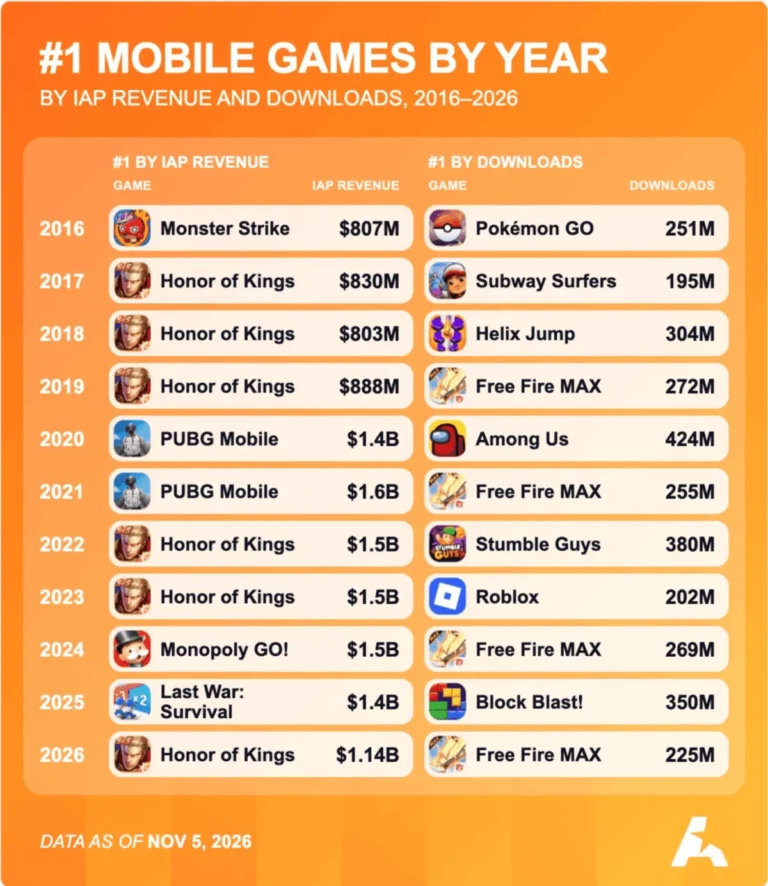
The decline of the hyper-casual genre, once the engine of mobile downloads, has forced developers to pivot toward "hybrid-casual" models. These games combine simple mechanics with deep meta-layers and sophisticated monetization, such as battle passes and limited-time events. Long’s analysis often touches upon these shifts, highlighting how top-tier publishers like Scopely (with Monopoly GO!) and Dream Games (with Royal Match) have successfully captured market share by optimizing live operations rather than relying solely on new user influxes.
The Strategic Shift to Web Shops and Alternative Payments
A recurring theme in recent mobile gaming discourse, and a focal point of the podcast’s partnership with Xsolla, is the rise of the "web shop." For over a decade, the "duopoly" of Apple and Google mandated a 30% commission on all digital transactions within their respective app stores. However, a combination of legal challenges—most notably Epic Games v. Apple—and new legislation like the European Union’s Digital Markets Act (DMA) has begun to dismantle these barriers.
Industry data suggests that by migrating even a small percentage of high-value "whales" (top-spending players) to a web-based storefront, developers can increase their net margins by up to 25%. Xsolla’s support of the podcast highlights the technological infrastructure now available to developers to facilitate these transactions. These web shops allow players to purchase in-game currency or items directly from the developer’s website, bypassing the 30% "app store tax." This movement is not merely a technical change but a fundamental shift in the relationship between developers and their most loyal customers.
Chronology of Industry Shifts (2022–2024)
The trajectory of the mobilegamer.biz digest tracks several pivotal moments in the industry’s recent history:
- Q1 2022: The initial shockwaves of ATT began to settle, leading to a massive decline in traditional social media advertising effectiveness for mobile games.
- Q3 2023: The rise of "External Payments" became a central legal battleground in the US and EU, with developers gaining the right to inform users of alternative purchasing options.
- Q1 2024: Major publishers began reporting record-breaking revenues from "Direct-to-Consumer" platforms. Monopoly GO! became a case study in how to leverage cross-platform marketing to drive engagement.
- Q4 2024: The release of episode #71 occurs at a time when the industry is preparing for 2025 projections, which many analysts predict will see a resurgence in total market value as AI-driven development tools lower production costs.
Supporting Data: The Economics of Attention
The mobilegamer.biz podcast is built on the premise that time is the most valuable commodity for gaming professionals. Current data indicates that the average B2B podcast listener abandons content after 22 minutes if the "signal-to-noise" ratio is too low. By keeping episodes under the 20-minute mark, Neil Long aligns the podcast with the consumption habits of C-suite executives who prioritize data over anecdote.
Furthermore, the podcast’s availability across multiple platforms—Apple Podcasts, Spotify, and YouTube—addresses the fragmented nature of media consumption. YouTube "audiograms" (static images with audio overlays) have become an increasingly popular way for industry professionals to consume news while working at their desks, providing a visual anchor to the auditory data.
Official Responses and Industry Sentiment
While the podcast itself is an independent editorial product, it reflects the prevailing sentiment among mobile game developers. In various industry forums and statements from major studios like Supercell, Playrix, and Rovio, there is a clear consensus: the mobile market is no longer a "wild west" of easy growth.
"The era of easy organic discovery is over," noted one industry analyst in response to recent market trends. "Platforms like mobilegamer.biz are essential because they filter out the noise and focus on the structural changes—like changes in Google’s algorithm or Apple’s Search Ads pricing—that actually affect a studio’s bottom line."
The sponsorship by Xsolla also points to a broader industry response. Companies are no longer waiting for platform holders to lower their fees; they are actively building their own payment ecosystems. This "de-platforming" of the payment layer is perhaps the most significant structural change in the industry since the launch of the App Store in 2008.
Broader Impact and Future Implications
The insights provided in episode #71 have implications that extend beyond the mobile screen. As mobile games become more complex and reach "console-quality" fidelity, the lines between mobile, PC, and console gaming are blurring. Titles like Genshin Impact and Honkai: Star Rail have proven that a unified account system—allowing players to spend money on the web, play on their phone during a commute, and continue on a PlayStation at home—is the future of high-revenue gaming.
Moreover, the regulatory environment continues to evolve. With the UK’s Competition and Markets Authority (CMA) and various US state legislatures looking into mobile ecosystem fairness, the "concise digest" provided by Long will likely remain a critical resource for understanding how these legal maneuvers translate into business risks or opportunities.
In the long term, the success of a "banter-free" business podcast suggests a maturing of the video game industry. It signals a move away from "fan-centric" coverage toward a professionalized media landscape that treats game development as the serious, high-stakes global business that it is.
Conclusion: The Utility of the Concise Format
Episode #71 of the mobilegamer.biz digest serves as a microcosm of the current mobile gaming industry: fast-paced, data-centric, and increasingly focused on bypassing traditional gatekeepers. By leveraging a multi-platform distribution strategy and focusing on high-impact business news, Neil Long has positioned the podcast as a vital tool for those navigating the complexities of modern game publishing.
As the industry moves into 2025, the focus will likely remain on three core pillars: maximizing margins through direct-to-consumer shops, leveraging AI for creative optimization, and navigating the increasingly fractured global regulatory landscape. For the listeners of mobilegamer.biz, these 20-minute weekly updates provide the clarity needed to make informed decisions in an environment where the only constant is change. Through the support of partners like Xsolla and a commitment to factual, objective reporting, the podcast continues to define the standard for mobile games business intelligence.
About the Author