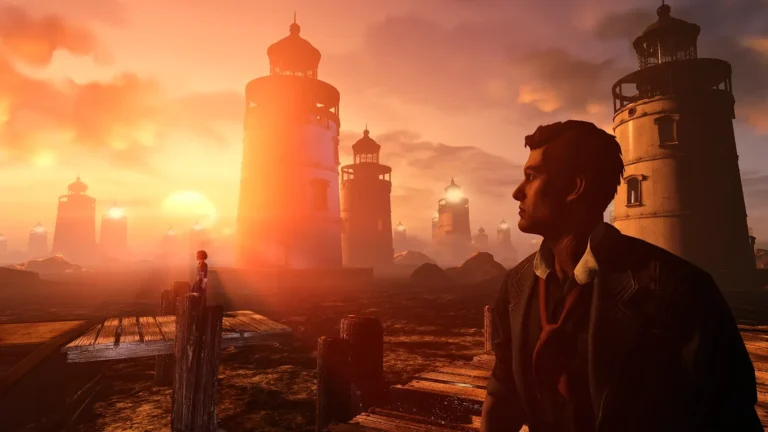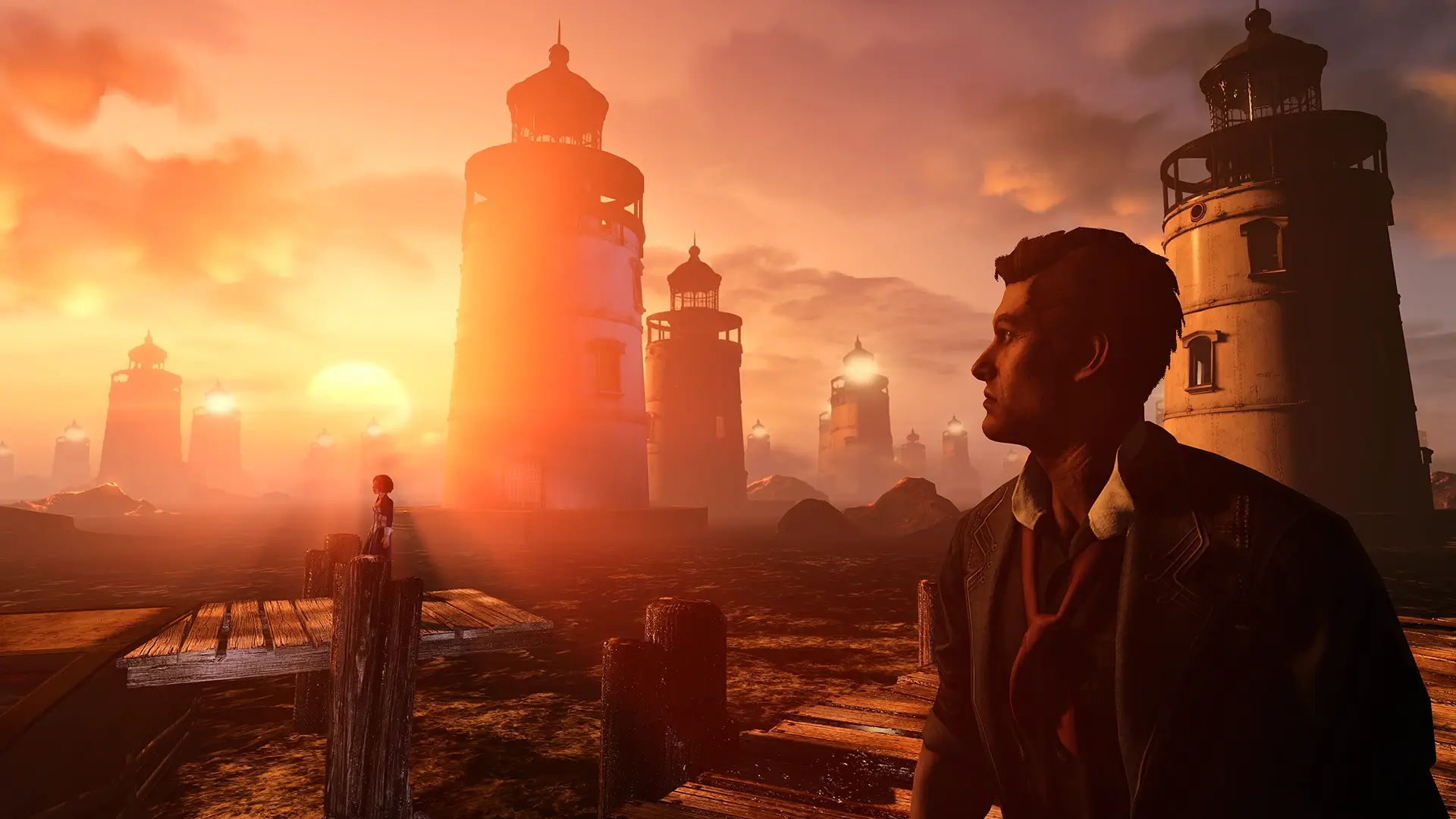
BioShock Infinite, the third installment in Irrational Games’ critically acclaimed first-person shooter series, marked a profound creative departure from its predecessors while retaining the franchise’s hallmark of sharp, philosophical writing. Unlike the subterranean dystopia of BioShock 1 and BioShock 2, this entry transported players to the breathtaking, yet deeply unsettling, floating city of Columbia. Released on March 26, 2013, the game quickly garnered universal acclaim, evidenced by its Metacritic score, which reflected widespread critical praise for its intricate narrative, complex characters, and stunning artistic direction. The title’s narrative prowess was further solidified by individual nominations for numerous awards recognizing its compelling story and poignant dialogue, offering exchanges meticulously crafted to resonate deeply and provoke introspection long after the credits roll.
A Bold New Setting: From Rapture’s Depths to Columbia’s Skies
The shift from the crumbling art deco splendor of the underwater city of Rapture to the vibrant, yet sinister, steampunk-infused sky-city of Columbia was a significant gamble for Irrational Games and creative director Ken Levine. This change was not merely aesthetic; it allowed the developers to explore a new set of American historical and philosophical themes. Rapture, a city built on the objectivist ideals of Andrew Ryan, explored the dangers of unchecked individualism. Columbia, conversely, presented a vision of American exceptionalism and religious fundamentalism taken to a terrifying extreme, floating above the clouds as a testament to its self-proclaimed purity and superiority. This striking contrast in settings underscored the series’ ability to use fantastical environments as potent allegories for real-world ideological conflicts.
The development of BioShock Infinite was a multi-year endeavor, beginning shortly after the release of the original BioShock in 2007. Early concepts and design iterations saw various changes, but the core vision of a narrative-driven experience within a unique, character-rich world remained steadfast. Levine and his team at Irrational Games aimed to elevate storytelling in the shooter genre, building on the critical success of their previous work. The decision to move away from the established lore of Rapture, while initially surprising to some fans, ultimately allowed for a fresh narrative canvas, free from the constraints of existing character arcs and thematic echoes.
The Story Unfurls: Booker DeWitt and the Enigma of Elizabeth
At its core, BioShock Infinite centers on Booker DeWitt, a disgraced former Pinkerton agent burdened by a past he desperately seeks to erase. His path to a clean slate hinges on a seemingly straightforward mission: travel to Columbia and "bring us the girl to wipe away the debt." The girl in question is Elizabeth, a young woman imprisoned since childhood within a towering monument, possessing mysterious powers to tear open rifts in the fabric of reality. What begins as a rescue mission rapidly devolves into a labyrinthine journey through a city rife with dark conspiracies, violent class warfare, and conflicting ideological factions.
Players are initially invited to experience Columbia as tourists, marveling at its architectural grandeur and seemingly idyllic floating islands, before its darker truths are unveiled. The city, founded by the zealous prophet Zachary Hale Comstock, presents itself as a utopia, a beacon of American exceptionalism and religious devotion. However, beneath this polished veneer lies a society steeped in racism, nativism, and extreme social stratification. The more Booker and Elizabeth uncover, the more apparent it becomes that Columbia is not a sanctuary but a meticulously constructed trap, its history, beliefs, and political divisions mirroring cyclical violence, determinism, and fanaticism masked by the unfolding events.

The gameplay mechanics also evolved to suit the new environment. While retaining the series’ signature blend of gunplay and supernatural powers (Vigors, replacing Plasmids), BioShock Infinite introduced new elements like the Sky-Line system, allowing players to traverse the city’s aerial railways, creating dynamic combat scenarios. The incorporation of steampunk enemies and the ability to weaponize environmental elements further distinguished the gameplay experience, yet these innovations never overshadowed the central narrative drive.
The Power of Dialogue: Shaping Characters and Themes
BioShock Infinite’s enduring impact lies significantly in its masterfully crafted dialogue. The game’s writing, recognized with numerous awards, including often cited as a benchmark for narrative in video games, ensures that every exchange, whether pivotal or seemingly trivial, contributes to the overarching themes and character development.
Booker DeWitt’s Internal Struggle: As the playable protagonist, Booker DeWitt’s lines reflect his weariness, his pragmatism, and the profound weight of his past as a former soldier and Pinkerton agent. His initial interactions are often terse, defensive, and cynical, embodying a man hardened by regret and consequence. Yet, through his journey with Elizabeth, his perception of the world and himself slowly begins to shift. His dialogue subtly reveals his internal conflict, his growing empathy, and his desperate search for atonement. For instance, his repeated inquiries about the true nature of his "debt" underscore his moral burden, while his protectiveness of Elizabeth highlights his nascent redemption.
Elizabeth’s Awakening: Elizabeth, initially a confined damsel, quickly proves to be far more. Her dialogue captures her childlike curiosity and eagerness for the outside world, born from a lifetime of isolation. She is intelligent and perceptive, yet her lack of worldly experience often leads to a mischievous and sometimes reckless charm. Her lines evolve dramatically throughout the game, transitioning from wide-eyed wonder to a profound understanding of her own powers and the multiverse. Her ability to open "tears" into alternate realities not only provides crucial gameplay support but also drives much of the game’s philosophical exploration of choice, consequence, and parallel existence. Her growing agency and ultimate role in the narrative’s climax are powerfully communicated through her changing tone and declarative statements.
Zachary Hale Comstock’s Fanaticism: The main antagonist, Zachary Hale Comstock, the self-proclaimed Prophet of Columbia, is a master manipulator whose calm, righteous, and utterly self-assured pronouncements form the ideological backbone of the floating city. His dialogue is steeped in religious fervor, American exceptionalism, and a chilling certainty of his divine mandate. Comstock’s speeches and recorded messages reveal the depths of his fanaticism and the dark, exclusionary principles upon which Columbia was built. His words are designed to both inspire and oppress, painting a picture of a benevolent leader while masking a tyrannical agenda. The contrast between his public persona and the horrific truths revealed about his past and his actions is a central tension in the game’s narrative.
The Lutece Twins and Determinism: Rosalind and Robert Lutece, the enigmatic quantum physicists responsible for Columbia’s existence and Elizabeth’s powers, are pivotal to the game’s exploration of determinism and free will. Their synchronized, often cryptic, dialogue serves as a constant philosophical commentary, guiding Booker and Elizabeth through the complexities of alternate universes and the nature of causality. Their playful yet profound exchanges challenge players to question what is predetermined and what is chosen, adding layers of intellectual depth to the unfolding events. Their recurring motif of "constants and variables" encapsulates the core philosophical debate at the heart of BioShock Infinite.
Critical Acclaim and Enduring Legacy
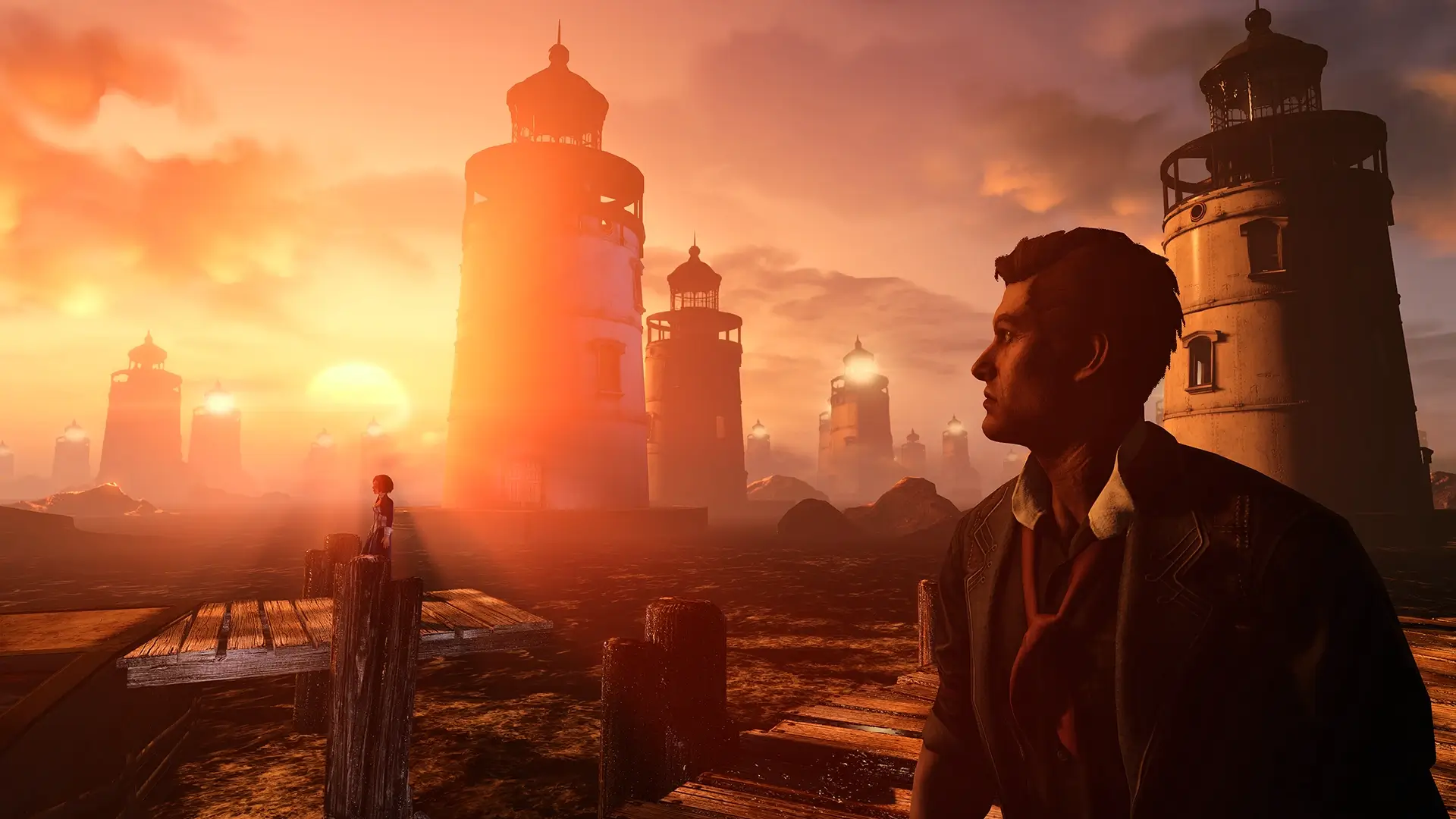
Upon its release, BioShock Infinite was met with overwhelming critical success. It achieved a Metacritic score of 94/100 for PlayStation 3, 93/100 for Xbox 360, and 94/100 for PC, signifying "universal acclaim." Critics lauded its intricate plot, compelling character development, stunning visuals, and the profound philosophical questions it raised. The game received numerous Game of the Year awards from various publications and industry bodies, including the prestigious BAFTA Game Award for Best Game and the D.I.C.E. Award for Game of the Year. Its narrative, in particular, was frequently highlighted, earning awards for Outstanding Achievement in Story from the D.I.C.E. Awards and Best Writing from the Game Developers Choice Awards. Sales were also robust, with Take-Two Interactive announcing that the game sold over 11 million copies worldwide as of May 2015, solidifying its commercial and critical success.
Beyond awards and sales, BioShock Infinite left a significant mark on the gaming landscape. Its innovative approach to storytelling, particularly its use of environmental narrative, philosophical themes, and a companion character (Elizabeth) who was both integral to the gameplay and a fully realized personality, set new standards for narrative-driven shooters. The game’s ending, in particular, sparked widespread discussion and debate, a testament to its thought-provoking nature and willingness to challenge player expectations.
The Future of the Series Amidst Studio Shifts
Following the immense success of BioShock Infinite, Irrational Games, the studio behind the first and third installments, underwent a significant restructuring. In 2014, Ken Levine announced that the studio would be winding down, with most of its staff being laid off, and a smaller team, led by Levine, would transition to a new, smaller development effort under Take-Two Interactive, eventually becoming Ghost Story Games. This shake-up left the future of the BioShock franchise uncertain for several years.
However, the enduring popularity and critical success of the series ensured that a new installment was inevitable. In December 2019, 2K Games officially announced that a new BioShock game was in development by a newly formed studio, Cloud Chamber. While details about the fourth entry remain scarce, the long wait has only amplified fan anticipation. The challenge for Cloud Chamber will be to honor the legacy of Irrational Games’ narrative depth and thematic ambition, particularly the high bar set by BioShock Infinite’s complex story and profound dialogue, while forging a new path for the franchise.
Whether exploring the depths of the ocean or soaring through the upper reaches of the sky, the BioShock series has consistently proven that strong dialogue and a compelling narrative can elevate a game beyond mere entertainment into a profound artistic experience. BioShock Infinite stands as a testament to this philosophy, demonstrating that bold creative and thematic directions, when executed with meticulous care and sharp writing, can not only meet but exceed the high standards of its predecessors. As fans eagerly await the next chapter, the memorable quotes and intricate narrative of BioShock Infinite continue to offer a rich wellspring for revisiting and contemplation, a reminder of the power of storytelling in interactive media.
About the Author