itch.io, a prominent open marketplace for independent digital creators, has rolled out a series of significant platform enhancements, detailed in its latest changelog. These updates introduce a sophisticated Sale Explorer for navigating extensive discount events, a comprehensive overhaul of its bundle hosting system, a modernized game jam theme editor, and a rebuilt Patreon integration. The changes, many of which were previously shared within the Developer Updates forum, underscore itch.io’s ongoing commitment to improving discoverability, streamlining creator workflows, and fortifying monetization avenues for its vast community of independent game developers and digital artists.
A New Era for Discoverability: Introducing the Sale Explorer
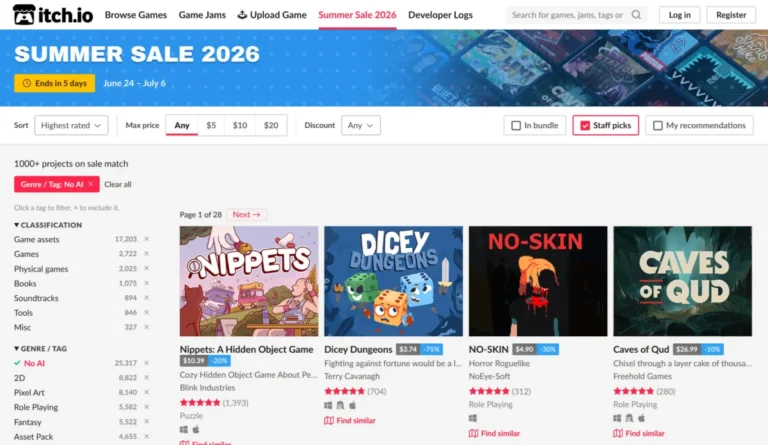
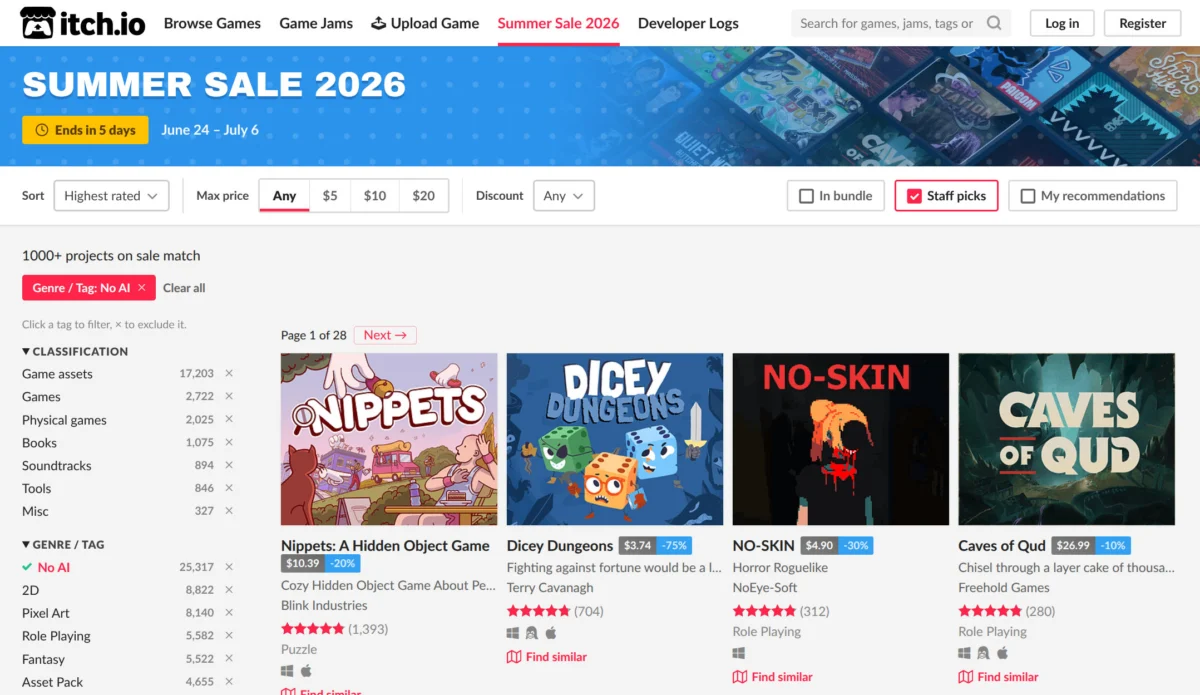
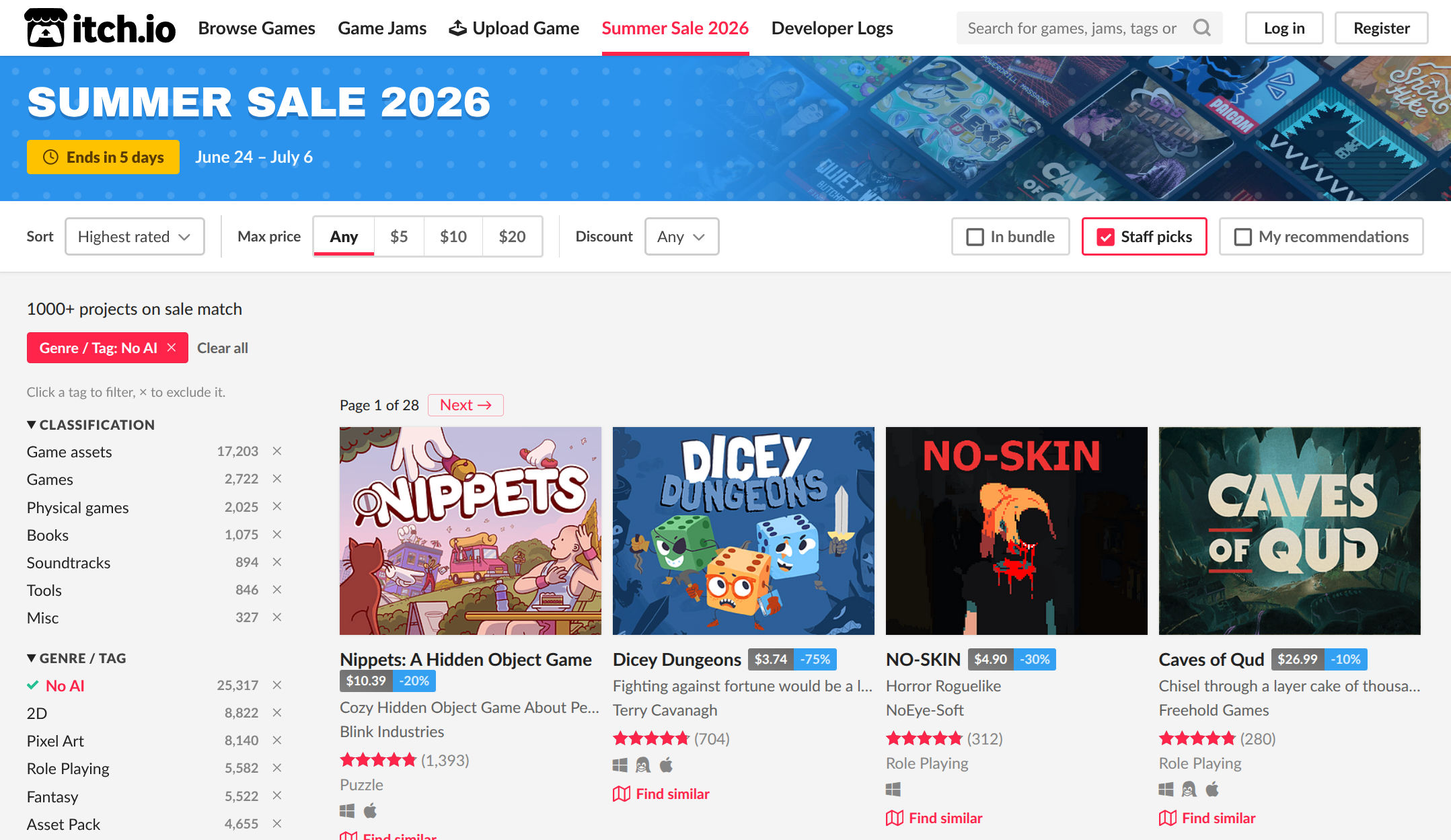
The most immediately visible update for many users arrived with the recent itch.io Summer Sale 2026, which concluded on July 6th. To coincide with this event, which featured over 30,000 discounted projects, the platform launched the Sale Explorer. This innovative browsing experience is meticulously designed to empower users to delve into massive sales events with unprecedented precision, moving beyond the traditional, often overwhelming, linear browsing methods.
Prior to the Sale Explorer, navigating itch.io’s large-scale sales could be a daunting task for users. While basic filters existed, the sheer volume of discounted titles often meant that niche interests or specific preferences were difficult to uncover. The new Sale Explorer addresses this challenge head-on by integrating a suite of advanced filtering and discovery tools. Users can now apply granular filters based on genres, tags, platforms (including Windows, macOS, Linux, and Web, with community discussions indicating potential future expansion to platforms like Android), price ranges, and even exclude specific keywords or characteristics, such as projects featuring AI-assisted content, a point of significant discussion within the creator community.
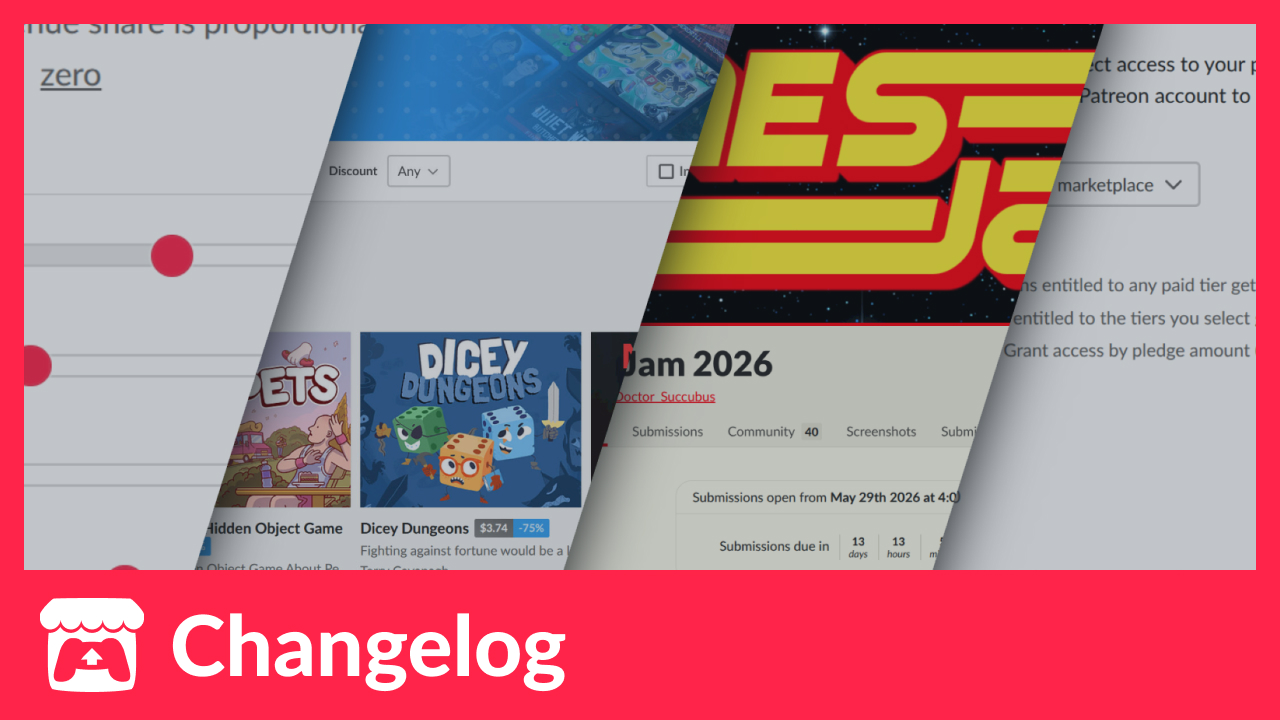
Furthermore, the Sale Explorer introduces "find similar" recommendations, an algorithmic enhancement that leverages user browsing history and project metadata to suggest titles that align with previously expressed interests. This not only aids in personalized discovery but also significantly boosts the visibility of lesser-known or emerging indie titles that might otherwise be lost in the vast digital storefront. The initial feedback from the community has been overwhelmingly positive, with users praising the improved manageability of browsing large sales. Developers, in turn, stand to benefit from increased exposure for their projects, as targeted discovery mechanisms connect them with genuinely interested audiences. itch.io has indicated that many of these enhancements, currently exclusive to the Sale Explorer during site-wide seasonal sales, are being considered for integration into the platform’s standard browse pages, promising a more refined and intuitive browsing experience across the entire marketplace in the future.
Revolutionizing Collaboration: The Revamped Bundle Hosting System
For over a decade, itch.io’s bundle system has been a cornerstone of its community, facilitating countless collaborative projects, charity drives, and curated collections of games and assets. However, as the platform grew and the complexity of these bundles increased, the underlying hosting infrastructure, largely unchanged since its inception, began to show its age. Organizing large collaborative bundles, particularly those involving dozens or even hundreds of creators, often entailed significant administrative overhead and communication challenges.
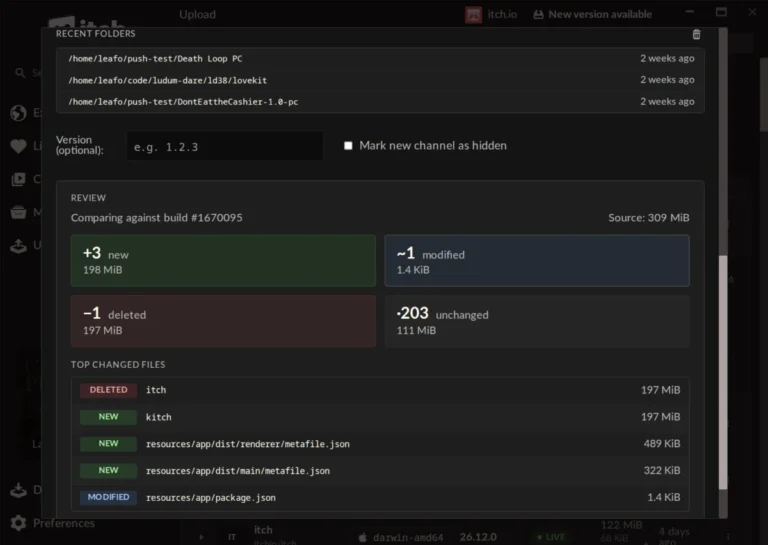
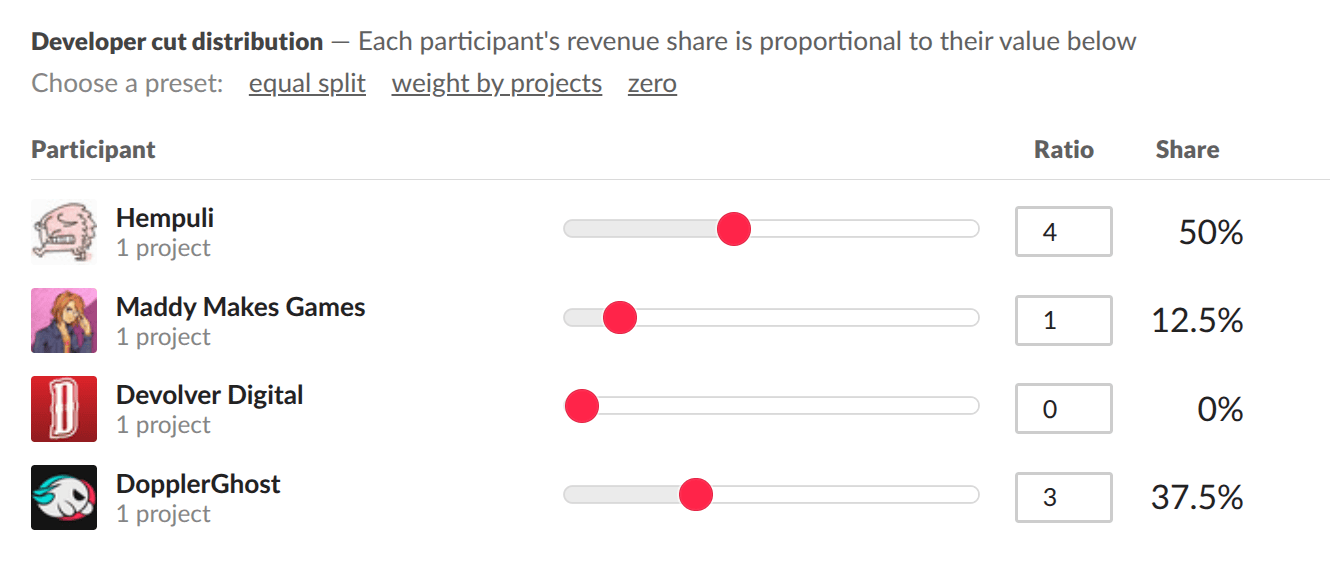
Recognizing these pain points, itch.io has undertaken a complete overhaul of its bundle hosting system. This comprehensive revamp, which was widely anticipated by the developer community, introduces a suite of features designed to dramatically streamline the creation and management of large-scale bundles. Key among these improvements is an enhanced participant management interface, allowing bundle organizers to invite, track, and manage contributions from numerous creators with greater ease. The new system also introduces automated revenue splitting capabilities, a feature that developers have long sought. This addresses the logistical complexities of distributing funds among multiple participants, reducing the need for manual calculations and external payment processing.
The updated bundle hosting also provides a more robust project submission workflow, making it easier for creators to contribute their titles to a bundle and for organizers to review and approve submissions. This improved transparency and control are crucial for maintaining the quality and thematic cohesion of curated bundles. Existing pending bundles can leverage these new functionalities by resetting participation, allowing ongoing projects to immediately benefit from the modernized system. The implications of this revamp are far-reaching: it not only simplifies the administrative burden for bundle organizers but also encourages the creation of more ambitious and diverse collaborative projects, further strengthening itch.io’s reputation as a community-centric platform for indie development. The ability to manage complex revenue splits internally is particularly significant, fostering fairer and more efficient financial arrangements within collaborative efforts.
Empowering Jam Organizers: The Modernized Jam Theme Editor
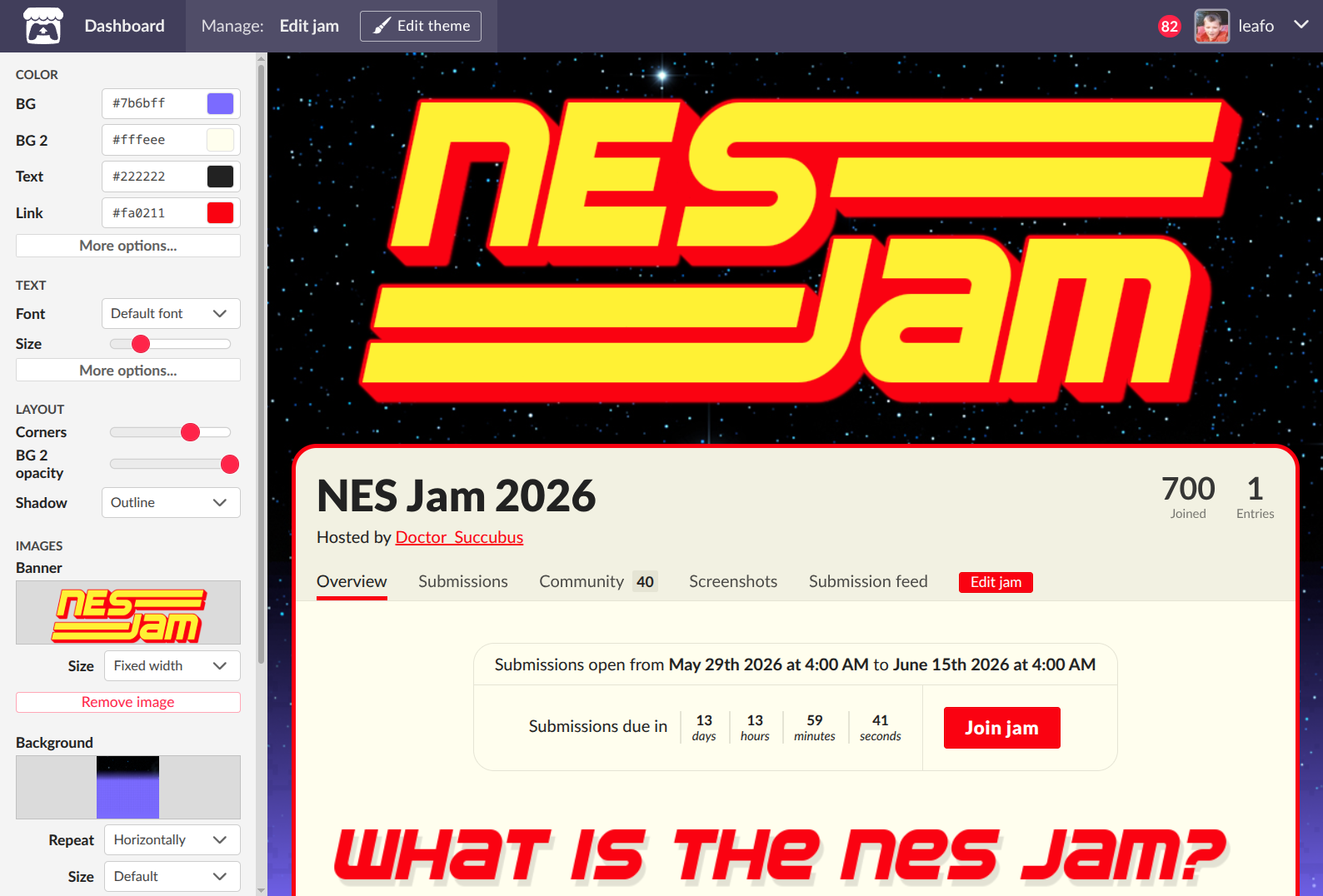
Game jams are a vibrant and integral part of the indie game development ecosystem, and itch.io has long served as a primary hub for hosting and participating in these creative sprints. The platform’s commitment to supporting game jams is further solidified by the recent modernization of its jam theme editor. Previously, the jam theme editor operated on an older UI framework, which, while functional, offered limited customization options and could be less intuitive for hosts seeking to brand their events effectively.
The revamp sees the jam theme editor migrated to the same unified theme editor UI utilized elsewhere on the itch.io site. This standardization ensures a consistent and familiar user experience for hosts already accustomed to customizing other aspects of their profile or project pages. More importantly, this migration brings a wealth of new customization options to jam hosts. These include expanded control over typography, color schemes, background elements, and layout configurations, allowing organizers to create visually distinct and professionally branded jam pages that reflect the unique identity of their event.
Crucially, itch.io took care to preserve existing custom CSS on older jam pages, ensuring a smooth transition for long-standing events and preventing disruption for hosts who had invested time in bespoke designs. For those who utilize custom CSS, a detailed announcement post provides comprehensive information about the markup changes implemented, facilitating a seamless adaptation to the new system. The impact of this update extends beyond mere aesthetics; a well-designed and easily navigable jam page can significantly enhance the participant experience, attracting more developers and fostering a stronger sense of community around the event. By providing powerful yet accessible customization tools, itch.io empowers jam organizers to elevate the presentation of their events, making them more appealing and professional.
Strengthening Creator Monetization: Enhanced Patreon Integration
In an era where diverse monetization strategies are crucial for independent creators, the integration of third-party platforms like Patreon has become increasingly vital. itch.io has long offered Patreon integration, allowing creators to grant access to their projects based on patron pledges. However, the original integration, built on an older Patreon API, presented several limitations, particularly concerning currency conversions and the rigid reliance on pledge amounts. These issues could lead to inconsistencies in access grants, creating friction for both creators and their patrons.
Addressing these challenges, itch.io has rebuilt its Patreon integration from the ground up, utilizing Patreon’s more robust and flexible V2 API. This fundamental overhaul introduces significant improvements, most notably the ability to grant access based on membership tiers rather than just pledge amounts. This crucial change resolves long-standing issues with granting access to patrons who paid in different currencies, ensuring that access rights are consistently applied regardless of geographical location or payment method.
Creators now have three distinct and flexible ways to grant access to their projects:
- Tier-based access: Granting access to all patrons within specific tiers.
- Pledge amount-based access: Granting access to patrons pledging above a certain amount (maintaining a familiar option).
- Combination of both: Offering nuanced control by combining tier and pledge requirements.
The new system is also designed to handle edge cases that the old integration struggled with, such as patrons changing their pledge amounts, updating their payment information, or canceling their memberships. While a patron, once granted access to a project, retains that access indefinitely (a core principle of itch.io’s creator-friendly policies), the membership check at the time of the initial grant is now far more accurate and reliable. This enhanced Patreon integration provides creators with greater flexibility and reliability in managing their patron-exclusive content, strengthening the bond between creators and their most dedicated fans. It streamlines the process of rewarding patrons, reduces administrative complexities, and ensures that creators can confidently leverage Patreon as a stable revenue stream integrated seamlessly with their itch.io presence.
Broader Implications and Strategic Vision
These recent updates collectively paint a picture of itch.io as a platform in continuous evolution, deeply attuned to the needs of its unique community. By enhancing discoverability through the Sale Explorer, simplifying collaborative efforts with the revamped bundle system, empowering event organizers via the modernized jam editor, and solidifying creator monetization with the improved Patreon integration, itch.io reinforces its position as a vital and resilient ecosystem for independent digital creation.
In an increasingly competitive digital marketplace, where larger platforms often dictate terms, itch.io’s iterative development philosophy, driven by direct community feedback, distinguishes it. The platform’s commitment to robust tools and user-centric design not only benefits individual creators by providing better pathways for creation, distribution, and monetization but also fosters a healthier overall indie development landscape. These improvements are not merely feature additions but strategic enhancements that empower creators, improve user experience, and ultimately contribute to the sustainable growth of independent game development and digital art.
The iterative nature of these changelog updates, frequently communicated through developer forums and now consolidated into regular blog posts, demonstrates a transparent and engaged approach to platform development. As the digital landscape continues to evolve, itch.io’s focus on providing powerful, flexible, and community-driven tools ensures it remains a crucial hub for innovation and creativity within the independent scene. Users encountering any issues or having further feedback on these new features are encouraged to utilize the itch.io community forums or reach out to the dedicated support team, maintaining the open dialogue that has long been a hallmark of the platform.
About the Author