Lenovo has initiated a significant restructuring of its Extended Reality (XR) operations, resulting in the dissolution of its business-oriented XR unit in the United States and the layoff of staff members associated with the division. This move signals a definitive strategic departure from the company’s previous focus on enterprise-grade Augmented Reality (AR) and Virtual Reality (VR) hardware, moving instead toward a consumer-centric model integrated with artificial intelligence (AI) under the Motorola brand. While a small number of employees were reportedly reassigned to different departments within the global technology firm, the majority of the US-based XR business unit has been let go, marking a sharp pivot for a company that was once considered a primary pillar of the industrial XR ecosystem.
The Shift from Enterprise ThinkReality to Consumer Wearables
For several years, Lenovo’s XR strategy was anchored by its ThinkReality brand, which targeted the commercial and industrial sectors. The ThinkReality A3 and A6 glasses were positioned as essential tools for remote assistance, 3D visualization, and workflow optimization in manufacturing and healthcare. However, the company has confirmed that it is now transitioning away from this business-first approach.
According to an official statement from a Lenovo spokesperson, the company is reallocating its resources to capitalize on the "stronger momentum and broader consumer adoption around AI-enabled wearables." This transition involves moving XR development into a more centralized organization within Motorola, a Lenovo subsidiary. The objective is to create a unified ecosystem where AI-native consumer wearables work in tandem with Lenovo’s existing portfolio of AI-enabled PCs, tablets, and smartphones. This strategy, internal sources suggest, is designed to deliver a "unified Personal AI experience," moving the focus from immersive, closed-loop VR environments to assistive, everyday AI interactions.
Chronology of Lenovo’s XR Evolution and Market Challenges
Lenovo’s history in the XR space is characterized by high-profile partnerships and diverse hardware releases. To understand the current layoffs, one must look at the timeline of the company’s involvement in the sector:

- 2017–2019: Lenovo entered the consumer VR market with the Mirage Solo, the first standalone Daydream headset, and collaborated with Disney on the Star Wars: Jedi Challenges AR kit. It also manufactured the Rift S for Meta (then Oculus).
- 2019–2021: The launch of the ThinkReality platform marked Lenovo’s shift toward the enterprise. The ThinkReality A3 smart glasses became a flagship product, tethering to Motorola phones and PCs to provide virtual monitors for professionals.
- 2022–2023: Lenovo became a lead partner for Qualcomm’s Snapdragon Spaces, an open XR developer platform intended to standardize AR development across different hardware manufacturers.
- April 2024: Meta announced that Lenovo would be one of the first third-party manufacturers to build a headset running on Meta Horizon OS. This device was teased as a high-end productivity and entertainment headset.
- Late 2024–Present: Following the lukewarm market reception of Snapdragon Spaces and the reported cancellation or indefinite delay of the Horizon OS headset project, Lenovo began the internal restructuring that led to the recent US layoffs.
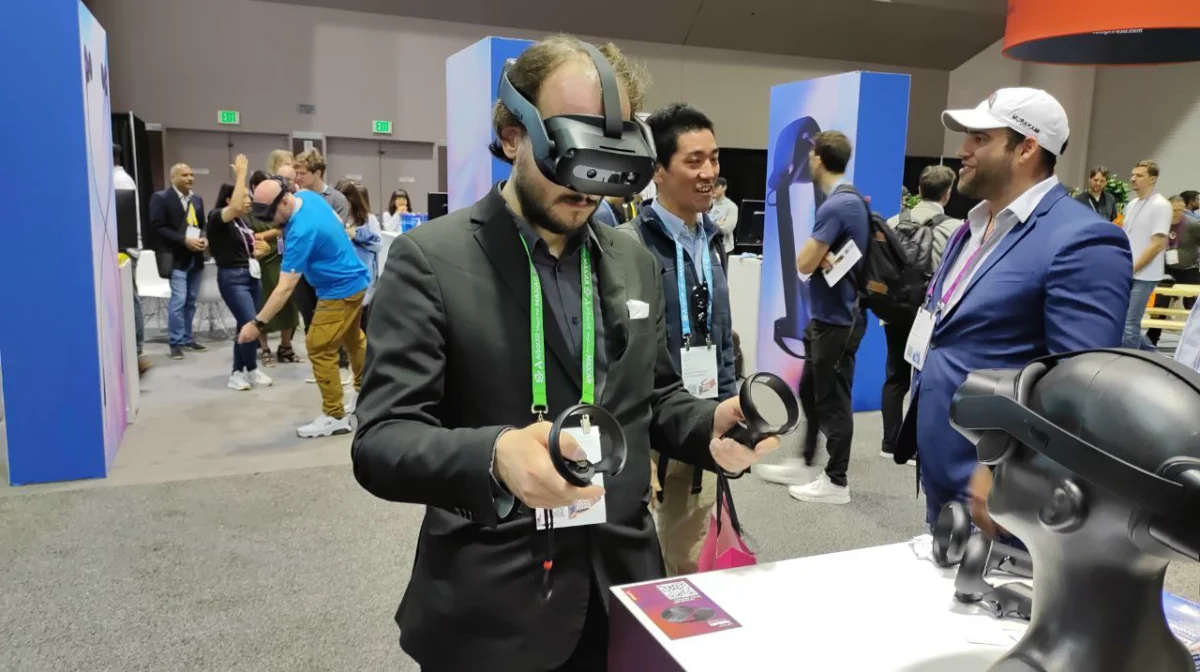
Industry analysts suggest that the cancellation of the Horizon OS project was a turning point. Lenovo had committed significant research and development resources to a high-end mixed reality headset that was intended to compete with the Apple Vision Pro. When the project failed to move toward commercialization, the return on investment for the dedicated XR unit became difficult to justify in the face of a broader industry downturn often referred to as the "VR Winter."
Market Data and the Rise of the AI Wearable Trend
The restructuring at Lenovo mirrors a broader trend across the technology sector. According to data from market research firms such as IDC, global shipments of AR and VR headsets saw a significant decline throughout 2023 and the first half of 2024. While the enterprise sector initially showed resilience, the high cost of deployment and the lack of "killer apps" for industrial AR have slowed adoption.
In contrast, the "smart glasses" category—devices that prioritize AI assistance, audio, and light photography over full immersion—has seen a surge in interest. The success of the Ray-Ban Meta smart glasses demonstrated that consumers are more willing to adopt wearable technology that looks like traditional eyewear and provides immediate utility through voice-activated AI.
Lenovo’s pivot toward "Smarter AI for All" aligns with this data. By moving XR under the Motorola umbrella, Lenovo is betting that the future of the medium lies in lightweight, smartphone-tethered devices rather than bulky, standalone VR headsets. This allows the company to leverage Motorola’s existing retail channels and consumer brand recognition, which far exceed the reach of the enterprise-focused ThinkReality brand.
The AI Glasses Concept: A Glimpse into the Future
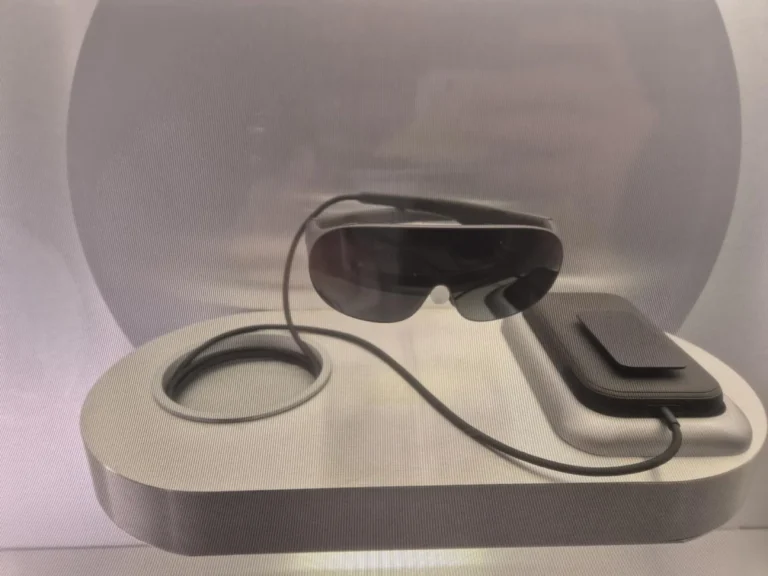
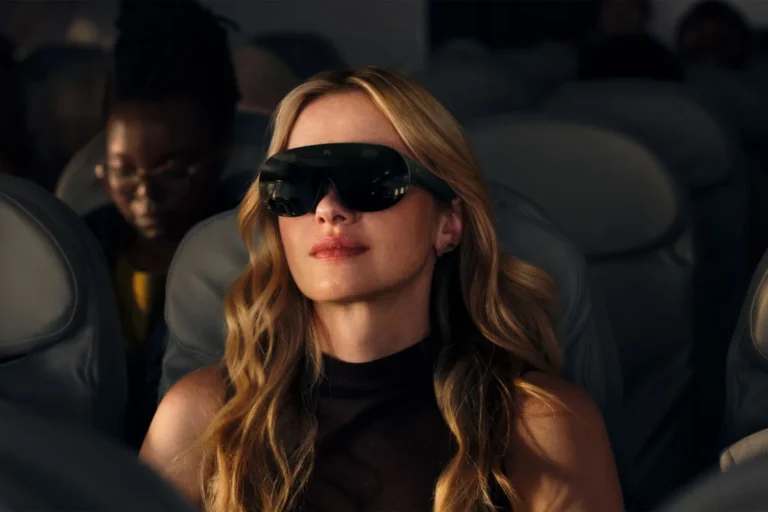
The roadmap for Lenovo’s new direction was teased at CES 2026, where the company unveiled its "AI Glasses Concept." Unlike the ThinkReality headsets of the past, these glasses are designed for all-day wear, weighing only 45 grams. The technical specifications and features of the concept device highlight the company’s new priorities:

- AI Integration: Powered by "Lenovo Qira," the glasses utilize the processing power of a paired smartphone or PC to provide sub-millisecond live translation and intelligent image recognition.
- Productivity Features: The device includes a teleprompter for presentations and a "Catch Me Up" feature that summarizes notifications from multiple devices into a visual or audio briefing.
- Battery and Design: The glasses claim an eight-hour battery life for productivity and entertainment, achieved by offloading heavy computational tasks to a tethered device.
- Hardware Synergy: The glasses are designed to be "wirelessly tethered," functioning as a peripheral for the broader Lenovo ecosystem rather than a standalone platform.
The official move to Motorola suggests that these concept glasses may soon transition into a commercial product line. This would place Lenovo in direct competition with Meta, Xreal, and potentially Apple in the burgeoning smart glasses market.
Broader Implications for the XR Industry
Lenovo’s withdrawal from the dedicated B2B XR space is a significant blow to the enterprise ecosystem. As one of the few major PC manufacturers with a robust industrial AR offering, their departure leaves a void in the market for workplace-specific AR solutions. It reinforces the reality that even large-scale tech firms are struggling to find a sustainable business model for high-end XR hardware in a climate where generative AI has captured the majority of venture capital and corporate focus.
Furthermore, the layoffs indicate a consolidation of the XR market. Smaller, specialized firms may continue to serve niche industrial needs, but the "Big Tech" players are increasingly viewing XR not as a standalone category, but as a feature of the broader AI wearable landscape. For professionals in the XR field, Lenovo’s shift is a clear signal that the industry’s center of gravity has moved. The focus is no longer on creating "virtual worlds," but on enhancing the physical world with AI-driven data overlays.
As Lenovo integrates its XR talent into Motorola and focuses on AI-native devices, the success of this pivot will depend on whether consumers are ready to embrace smart glasses as a daily accessory. While the "VR Winter" has claimed another dedicated business unit, the birth of the "AI Wearable Summer" may be just beginning, with Lenovo positioning itself to be a primary architect of this new era.
About the Author