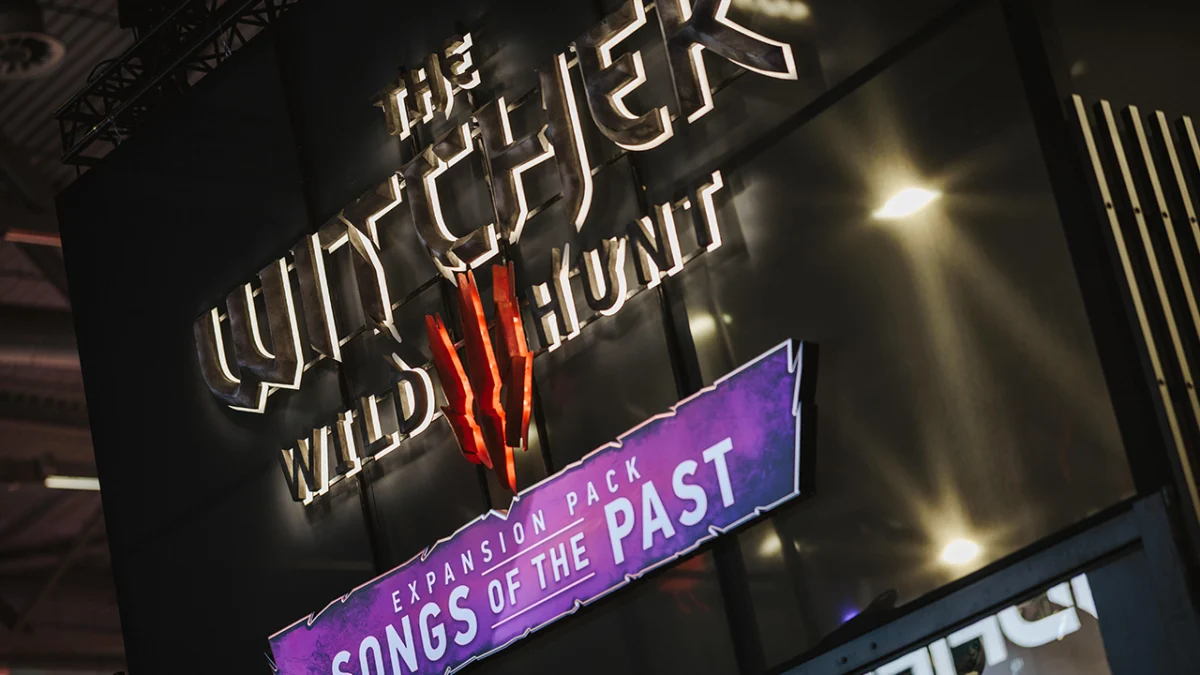
Warsaw-based video game developer CD Projekt Red (CDPR), the acclaimed studio behind blockbuster titles such as The Witcher 4 and Cyberpunk 2077, has affirmed its unwavering commitment to physical game releases, even as the broader industry pivots decisively towards digital distribution. Despite acknowledging the accelerating shift and the impending decision by platform giants like Sony to cease physical media production, CDPR leadership has expressed a strong "affinity" for boxed products and a determination to find innovative ways to continue offering tangible editions to their player base. This stance positions CDPR as a notable outlier in an increasingly digital-first market, promising a unique approach for consumers who value physical collections.
CD Projekt Red’s Stance at Gamescom 2026
During an exclusive conversation with Game Developer at Gamescom 2026, Michal Nowakowski, joint-CEO of CD Projekt Red, articulated the company’s long-standing dedication to physical products. Nowakowski emphasized that CDPR would always strive to "put out a box" that justifies its purchase price, reflecting a core philosophy deeply ingrained in the studio’s approach to game releases. This commitment is particularly significant given the backdrop of recent industry announcements that signal a definitive end to an era for physical media.
Nowakowski’s comments arrive shortly after PlayStation maker Sony Interactive Entertainment revealed its plans to discontinue the production of physical software entirely by January 2028. This move by Sony is not entirely unexpected, as digital purchases have steadily grown to constitute the vast majority of software sales on the PlayStation platform, mirroring a broader trend observed across the gaming industry. Data from various market research firms consistently indicates that digital downloads now account for over 80% of all game sales on consoles and nearly 100% on PC, underscoring the commercial rationale behind platform holders’ decisions.
The CDPR boss acknowledged the necessity of adapting to the evolving landscape dictated by platform owners. "First of all, it’s not our decision," Nowakowski stated, highlighting the inherent limitations faced by developers when platform holders control the manufacturing and distribution channels for physical media. "What is true is that Xbox, PlayStation, and Nintendo as well control the manufacturing of physical media. It’s not like we can go against [them] and secretly press discs in the cellar and then put them out. If there’s no disc drive that’s obviously [another factor]." This candid admission underscores the practical challenges that developers face when their distribution preferences diverge from the strategic decisions of console manufacturers. However, Nowakowski remained optimistic, asserting that the studio believes there are viable pathways to continue serving consumers who maintain a preference for physical artifacts.
The Industry’s Digital Pivot: A Broader Context
The gaming industry’s migration from physical to digital distribution has been a gradual but relentless process, accelerating dramatically over the past decade. For PC gaming, the shift is virtually complete, with platforms like Steam, Epic Games Store, and GOG.com dominating distribution, rendering physical PC game boxes largely obsolete save for collector’s editions. Console gaming, while retaining a stronger physical presence for longer, has steadily followed suit.
Sony’s announcement regarding the cessation of physical media production for PlayStation by 2028 marks a critical juncture in this transition. This decision is driven by several factors:
- Economic Efficiency: Digital distribution eliminates manufacturing, packaging, shipping, and retail shelf-space costs, significantly boosting profit margins for publishers and platform holders.
- Consumer Preference: A growing segment of players prioritizes convenience, instant access, and the ability to preload games, all facilitated by digital storefronts.
- Environmental Concerns: Reducing the production of plastic discs and packaging aligns with increasing corporate sustainability goals, though the energy consumption of data centers for digital distribution also presents its own environmental footprint.
- Supply Chain Simplification: Digital sales bypass the complexities of physical inventory management, returns, and logistics, streamlining the entire distribution process.
Microsoft’s Xbox ecosystem has also shown a clear lean towards digital, with its disc-less Xbox Series S console and the increasing prevalence of Game Pass subscriptions, which heavily rely on digital downloads. Nintendo, while still robust in its physical cartridge sales, particularly for its handheld-hybrid Switch, also maintains a thriving eShop. The collective movement of these industry titans creates an undeniable current that even staunch proponents of physical media find challenging to resist.
CDPR’s Legacy of Physical Value
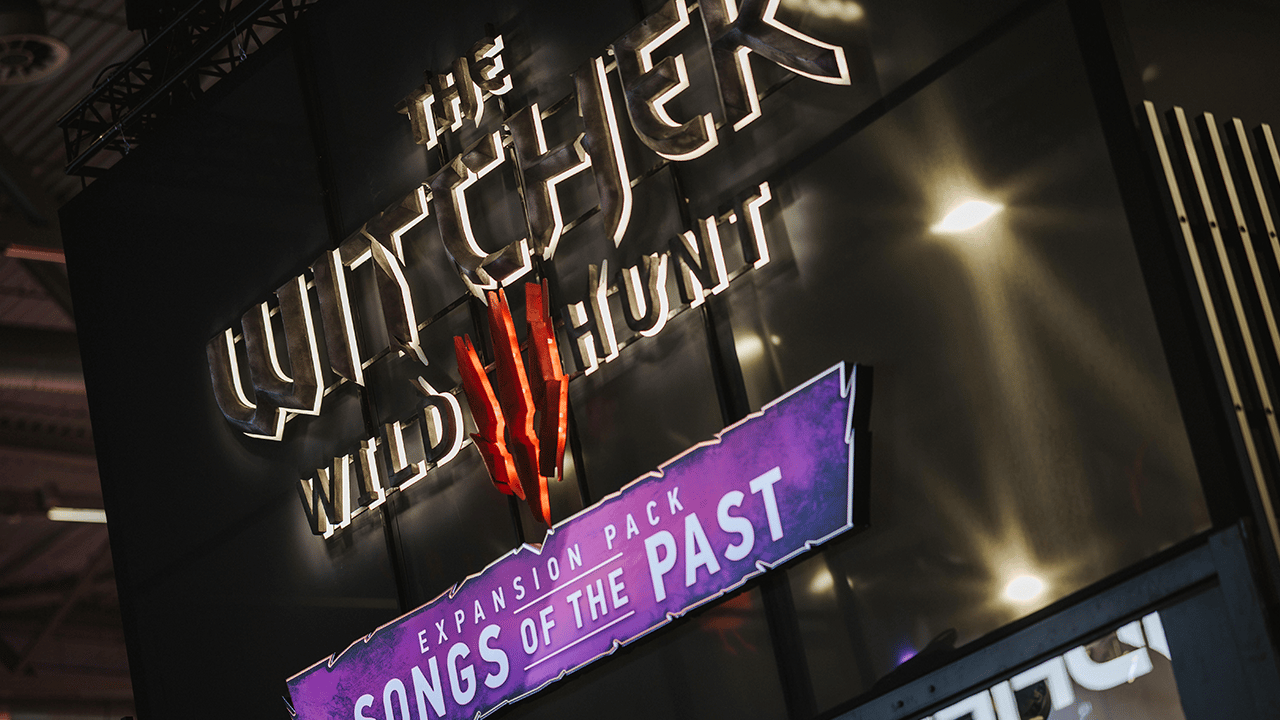
CD Projekt Red’s commitment to physical releases is deeply rooted in its corporate philosophy and history. The studio has long been celebrated by fans for its tradition of bundling substantial extra content into even the standard physical editions of its games. A prime example is The Witcher 3: Wild Hunt, whose standard physical release included not just the game disc and a manual, but also a comprehensive physical game map, a set of stickers, a CD soundtrack, and a detailed lore compendium. This approach created a tangible sense of value and appreciation for customers, transforming a mere game purchase into an experience of acquiring a cherished collectible.
This philosophy stands in stark contrast to many other publishers who, even for physical releases, often provide little more than a disc in a case, sometimes not even including a manual. CDPR’s dedication to providing a "box that’s going to make it worth your while" has cultivated a loyal following among collectors and enthusiasts who appreciate the tactile experience and the perceived added value.
Navigating Platform Holder Decisions and Future Strategies
Nowakowski reiterated CDPR’s intent to remain accessible to players "with whatever means we have to reach them." He acknowledged that while the company’s choice might be "broader" if they had full control, limitations imposed by platform holders could narrow these options. However, he stressed that when it comes to physical products, CDPR’s "affinity" remains strong, suggesting that the studio is actively exploring innovative avenues to maintain its presence in this segment.
One potential strategy, already being adopted by some major publishers, is to offer physical packaging that contains a digital download code rather than a physical disc. This hybrid model allows for the continued creation of elaborate collector’s editions and premium physical bundles, catering to the aesthetic and collection desires of consumers, while conforming to the digital-only distribution model of the game itself. Reports indicate that Grand Theft Auto VI, set for release later this year, is expected to employ a similar strategy for some of its physical offerings, signifying a pragmatic compromise between physical appeal and digital delivery.
For CDPR, this could mean even more lavish and content-rich physical editions. Imagine a Witcher 4 collector’s box containing a premium steelbook, an extensive art book, a high-quality statue, a cloth map, a full soundtrack on vinyl or CD, unique in-game digital items, and a beautifully designed card with a digital download code. Such an offering would continue CDPR’s tradition of value while adapting to the disc-less future. This approach shifts the value proposition from the media itself (the disc) to the supplementary, collectible items that enhance the overall fan experience.
Broader Implications for Gamers and Preservation
The accelerating decline of physical media carries significant implications for various stakeholders:
- Collectors: For many, the joy of gaming extends beyond playing to collecting physical artifacts. The sight of a neatly arranged shelf of game boxes represents a personal history with the medium. The shift to digital-only threatens this aspect of the hobby, potentially limiting the availability of future collectibles. CDPR’s commitment offers a glimmer of hope for this community.
- Game Preservation: Physical media has historically played a crucial role in game preservation. Discs and cartridges, while not infallible, offer a more stable and direct means of archiving games compared to digital files reliant on server maintenance, storefront availability, and licensing agreements. The complete eradication of physical releases raises serious concerns about the long-term accessibility and preservation of video game history, especially for titles that may be delisted or become incompatible with future hardware. CDPR’s continued efforts, even in a hybrid form, could contribute to a physical record of their games’ existence.
- Consumers in Developing Regions or with Limited Connectivity: For players in areas with unreliable or slow internet access, or those with data caps, downloading multi-gigabyte games can be a significant hurdle. Physical discs offer a straightforward installation method without extensive download requirements. The digital-only future could exacerbate the digital divide for these communities.
- Ownership vs. Licensing: Purchasing a physical game traditionally implied a stronger sense of ownership, allowing resale or lending. Digital purchases are typically licenses, often tied to a specific account and platform, with terms of service that can change. While CDPR cannot alter the fundamental nature of digital licensing, their focus on tangible extras could imbue a sense of "ownership" through the physical bundle itself.
The Evolving Retail Landscape
The move away from physical media also has profound effects on the retail sector. Specialty game stores and electronics retailers that rely heavily on physical game sales face a shrinking market. This forces them to adapt by focusing more on hardware, accessories, merchandise, and potentially pre-owned digital codes (if such a market can be established and legally navigated). The shift could accelerate the closure of brick-and-mortar game stores, further centralizing game distribution in the hands of platform holders and digital storefronts.
For CDPR, maintaining a physical presence, even in a modified form, could also serve as a unique marketing channel, allowing their products to stand out on shelves even if they only contain a download code. This visibility in a diminishing physical retail space could paradoxically enhance their brand’s appeal to a niche yet dedicated audience.
Conclusion: A Balancing Act in a Digital World
CD Projekt Red’s declaration at Gamescom 2026 underscores a fascinating tension within the modern gaming industry: the inexorable march of digital convenience versus the enduring appeal of tangible ownership and collectible value. While platform holders like Sony are making strategic decisions based on overwhelming market trends and economic efficiencies, CDPR is attempting to carve out a space where both aspects can coexist.
Michal Nowakowski’s promise that CDPR will be there for players "with whatever means we have" and their commitment to creating a "box that’s going to make it worth your while" signals a creative adaptation rather than a capitulation. As the gaming landscape continues its rapid evolution, CD Projekt Red’s approach to physical releases will be closely watched, potentially setting a precedent for how other developers and publishers might navigate the complexities of a disc-less future while still honoring the sentimental and cultural significance of physical game collections. The battle for the future of game distribution is far from over, but its contours are becoming increasingly clear, with CDPR determined to champion a hybrid path.
About the Author