Riot Games, the global entertainment giant, officially announced "League of Legends: New Dawn," a comprehensive evolution of its seminal online multiplayer online battle arena (MOBA) title, during the climactic moments of the 2026 League of Legends World Championship. The reveal, delivered via a compelling cinematic and a direct address from key studio leadership, signals the most significant strategic shift for the game since its launch in 2009, promising a "new era" beginning with a full unveiling in January 2027. This ambitious undertaking, which includes the development of an entirely new game client, aims to reinvigorate the seventeen-year-old title and solidify its position at the forefront of competitive gaming for years to come.
A Legacy Reimagined: The Genesis of New Dawn
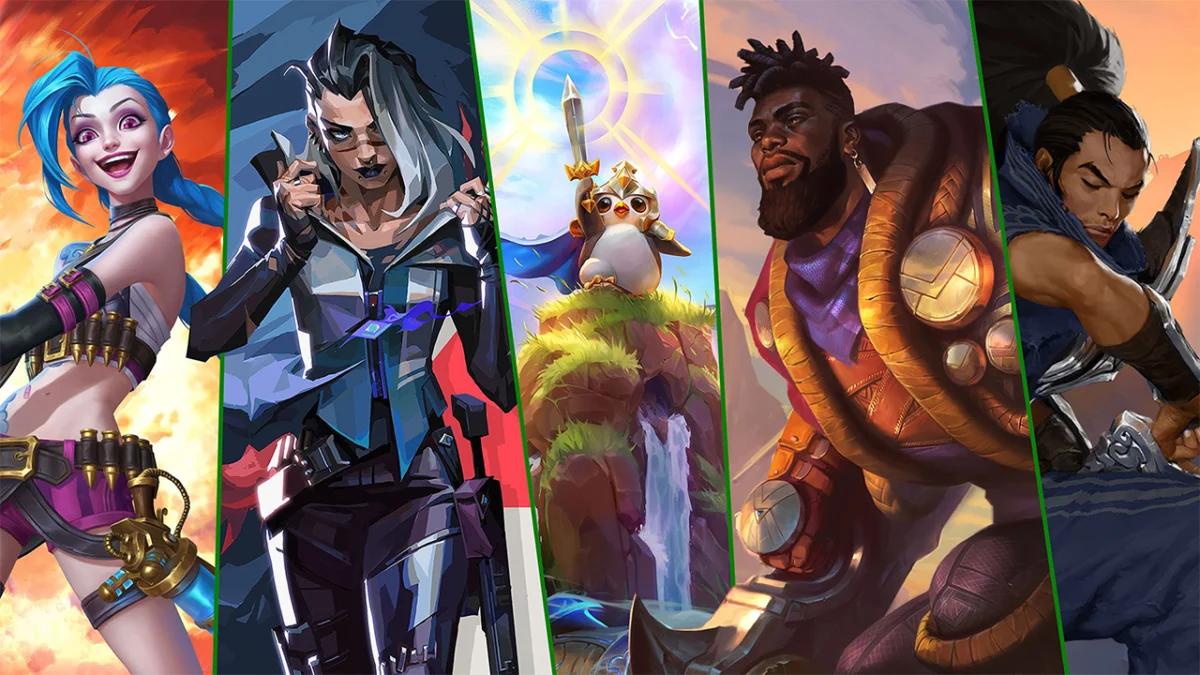
The announcement came from Andrei van Roon, Head of League Studio, and Paul Belleza, Executive Producer, in a pre-recorded video segment broadcast to millions of viewers worldwide during the 2026 Worlds broadcast. The cinematic accompanying their statement showcased a pantheon of iconic League of Legends champions silhouetted against a rising sun, culminating in the bold "League of Legends: New Dawn" logo and the January 2027 reveal date. This presentation was not merely a marketing ploy but a clear declaration of intent: Riot Games is committing substantial resources to overhaul its most successful and enduring product.
For nearly two decades, League of Legends has been a titan in the gaming industry, pioneering the free-to-play MOBA model and cultivating one of the largest and most passionate player bases globally. Launched in October 2009, it quickly ascended to prominence, eclipsing competitors and establishing itself as a cultural phenomenon. Its sustained success, however, has often come with the acknowledgment of inherent technical limitations stemming from its foundational architecture. As the game matured, so too did the complexity of its underlying code, leading to challenges in implementing modern features, optimizing performance, and providing a seamless user experience. The current game client, in particular, has been a frequent subject of community feedback, with its last major overhaul dating back nearly a decade to 2016. The promise of a "new client" after ten years is, therefore, not just a technical upgrade but a direct response to years of player anticipation and an admission of the need for a foundational refresh.
The Road to "New Dawn": A Chronology of Anticipation
The path to "New Dawn" has been paved with subtle hints and industry speculation, building a narrative of an impending overhaul long before the official announcement.
- October 2009: League of Legends officially launches, rapidly gaining traction and defining the modern MOBA genre.
- 2010-2015: The game establishes itself as a global esports powerhouse, with its annual World Championship becoming one of the most-watched competitive gaming events worldwide.
- 2016: Riot Games rolls out a significant update to the League of Legends client, aiming to streamline the user interface and improve performance. While an improvement, it still left room for future enhancements and did not fundamentally alter the game’s core engine.
- December 2025: Bloomberg News publishes an investigative report, citing anonymous sources within Riot Games, detailing a clandestine internal project to "overhaul League of Legends" in an effort to "reinvigorate its flagship game." This report ignited widespread discussion within the community and among industry analysts, setting the stage for an official confirmation.
- November 16, 2026: At the League of Legends World Championship, Riot Games officially unveils "League of Legends: New Dawn," confirming the long-rumored overhaul and announcing a January 2027 full reveal. The cinematic and executive statements emphasize a move towards the game’s "next evolution" and the development of a new client.
- January 2027: The eagerly anticipated full reveal for "League of Legends: New Dawn" is scheduled, expected to detail the scope of changes, new features, and the vision for the game’s future.
This chronology underscores a deliberate, long-term strategy by Riot Games to ensure the longevity and continued relevance of its flagship title. The period between the Bloomberg report and the official announcement allowed for speculation to simmer, creating a sense of anticipation that culminated in the impactful reveal at the pinnacle of the League of Legends competitive calendar.
Technical Underpinnings and Player Experience: Beyond the Client
While the announcement of a new client is a significant technical undertaking, the executives’ remarks about "evolved gameplay" suggest changes that delve far deeper than mere interface improvements. The current League of Legends client, despite its 2016 update, has faced persistent criticism for its stability, resource consumption, and sometimes clunky user experience. A completely new client promises a foundation built with modern technology stacks, potentially leading to:
- Improved Performance: Faster load times, smoother transitions, and reduced bugs, enhancing the overall player experience from game launch to match end.
- Enhanced User Interface (UI) and User Experience (UX): A more intuitive, customizable, and visually appealing interface that can better integrate new features and services.
- Future-Proofing: A new architecture that is more adaptable to future technological advancements, allowing for easier implementation of new game modes, social features, and accessibility options.
- Streamlined Development: For Riot’s internal teams, a modern client could mean more efficient development cycles, faster iteration on features, and reduced technical debt.
However, "evolved gameplay" is the more enigmatic promise. This could encompass a wide range of changes, from subtle balance adjustments to fundamental overhauls of core mechanics. Industry observers speculate that it might involve:
- Map Reworks: Significant alterations to Summoner’s Rift, the iconic battleground, to introduce new strategic elements, environmental interactions, or visual themes.
- Champion Rebalances/Reworks: A systemic review of the game’s vast roster of over 160 champions, potentially involving significant reworks for older champions to align them with modern design philosophies and power curves.
- Item System Overhaul: Revisiting the in-game item shop and its progression, which has a profound impact on gameplay strategies and champion builds.
- New Game Modes or Core Rule Changes: Introducing permanent new game modes that offer different strategic challenges, or even altering fundamental rules like jungle pathing, objective mechanics, or minion wave dynamics.
- Visual Enhancements: While not explicitly mentioned, a new client could pave the way for updated graphics, champion models, and environmental details that push the game’s aesthetic boundaries without alienating its established art style.
The balance between innovation and preserving the core essence of a beloved game is a delicate act. For a game with such a deeply ingrained meta and a highly competitive scene, any significant "evolved gameplay" changes will be scrutinized intensely by its dedicated player base.
Market and Esports Implications: Securing a Dynasty
League of Legends has consistently been one of the highest-grossing PC games globally, generating billions in revenue through its free-to-play model, cosmetic sales, and battle passes. Its esports ecosystem, headlined by the annual World Championship, boasts viewership numbers that rival traditional sports events, with the 2026 Worlds finals likely attracting tens of millions of concurrent viewers across various platforms. The "New Dawn" initiative is a strategic imperative to protect and expand this formidable market presence.
- Re-engagement of Lapsed Players: Many players have cycled in and out of League of Legends over its long lifespan. A major overhaul like "New Dawn" could serve as a powerful catalyst to bring back former players eager to experience a refreshed version of the game.
- Attracting New Audiences: While LoL’s core audience is massive, attracting completely new players to a complex, long-running MOBA can be challenging. A "New Dawn" could introduce redesigned tutorials, simplified onboarding processes, or more accessible game modes to lower the barrier to entry.
- Competitive Landscape: The MOBA genre, while still dominated by LoL and Dota 2, sees periodic new entrants and shifts in player preferences. Projects like "New Dawn" ensure League of Legends remains competitive against newer titles and keeps its technological edge sharp.
- Esports Longevity: For professional play, "evolved gameplay" will necessitate new strategies, champion pools, and a dynamic meta, keeping the competitive scene fresh and exciting for viewers. It ensures that the game doesn’t become stale from a spectator perspective, which is crucial for maintaining sponsorship and broadcast deals.
However, such a significant change also carries risks. An ill-conceived overhaul could alienate the existing player base, disrupt the established competitive scene, or suffer from technical issues upon launch. Riot Games will need to carefully manage expectations and execute flawlessly to harness the potential benefits of "New Dawn."
Riot’s Evolving Strategy: Beyond a Single Game
The "New Dawn" announcement also fits within Riot Games’ broader corporate strategy to expand its intellectual property (IP) beyond its flagship title. Over the past few years, Riot has transformed from a single-game studio into a multi-game, multi-media entertainment company. This expansion includes:
- Valorant: A highly successful tactical shooter that has carved out a significant niche in the esports landscape.
- Legends of Runeterra: A critically acclaimed digital collectible card game set in the League of Legends universe.
- League of Legends: Wild Rift: A mobile-optimized version of League of Legends, successfully bringing the MOBA experience to a new platform and audience.
- Arcane: An Emmy Award-winning animated series on Netflix that expanded the lore and characters of League of Legends to a mainstream audience, garnering critical acclaim and driving renewed interest in the game.
The original article briefly mentioned Riot’s attempts to "expand the property to a broader audience" through initiatives like the fighting game 2XKO, which ultimately "did not work out as intended" and was wound down in December 2026. This indicates that while Riot is ambitious, it is also pragmatic about its ventures. Similarly, while the company has "toyed with the idea of making premium titles," it’s understood that League of Legends, at its core, will remain a free-to-play live-service game.
Against this backdrop, "New Dawn" represents a renewed commitment to the core League of Legends experience, rather than an attempt to diversify it into another genre. It’s an investment in the foundational pillar of Riot’s empire, ensuring that the source material for all these expansions remains vibrant and relevant. By modernizing League of Legends, Riot is not only securing its future as a game but also enhancing the value of the entire Runeterra universe for its other ventures.
Anticipation Builds: The Dawn of a New Era
As the gaming community processes the implications of "League of Legends: New Dawn," the anticipation for the January 2027 reveal is palpable. Developers, players, and esports enthusiasts alike are poised to discover the full scope of Riot’s vision for the game’s next chapter. The challenge for Riot Games will be to deliver an evolution that honors the game’s rich legacy while boldly charting a course for its future, proving that even a seventeen-year-old titan can still embrace a truly "new dawn." The success of this endeavor will not only redefine League of Legends but also set a precedent for how long-running live-service games can sustain relevance and innovation in an ever-evolving industry.
About the Author