Larian Studios’ Baldur’s Gate 3 has redefined expectations for role-playing games by offering an unparalleled degree of player agency and narrative depth, diverging sharply from titles that constrain players to a single protagonist’s predetermined path. The critically acclaimed adventure is characterized by its wildly divergent storylines, meticulously shaped by player choices, companion selections, and even the unpredictable outcomes of dice rolls. This expansive design is underscored by a staggering collective dialogue count of approximately 1,365,000 words, a figure that significantly surpasses many major literary works, including the entire Lord of the Rings trilogy. Despite this immense volume, the game maintains a consistent standard of quality, delivering a wealth of quotable moments and ensuring that nearly every character, from central companions to minor NPCs, possesses a distinct and memorable personality articulated through their every line. The compelling narrative keeps players invested, whether through crucial plot revelations, contextual insights, or simply the sheer memorability of its verbal exchanges, making its many possible stories and their dialogues well worth revisiting.
The Narrative Foundation: A Struggle for Survival and Identity
The overarching narrative of Baldur’s Gate 3 commences with a dire predicament: the player character and several unwitting companions are infected with mind flayer tadpoles, parasites implanted in their skulls that threaten to transform them into horrific aberrations. This initial premise sets a ticking clock of body horror, compelling the party to embark on an urgent quest for a cure. What begins as a seemingly straightforward struggle for survival against an impending metamorphosis rapidly unfolds into a much broader and more intricate tapestry of personal motivations and grander conflicts. Each companion, and indeed many significant non-player characters, is driven by their own complex circumstances, ranging from escaping abusive enslavers, recovering stolen artifacts, and bearing magical afflictions, to proving loyalty, breaking ancient pacts, or even repairing a mechanical heart.
Larian Studios masterfully imbues every decision with palpable weight, ensuring that player choices have far-reaching consequences across character relationships, questlines, and even the ultimate fates of those encountered. This freedom extends to moral alignment, allowing players to choose their path as either an agent of malevolence or a force for good, navigating a world rife with danger and deceit. The narrative meticulously uncovers themes of betrayal, fellowship, sacrifice, and survival, all of which are profoundly illuminated and driven forward by the game’s exceptional dialogue system.
Larian Studios’ Legacy and the D&D Connection
The success of Baldur’s Gate 3 is deeply rooted in Larian Studios’ development philosophy and its respectful yet innovative adaptation of the Dungeons & Dragons 5th Edition ruleset. Prior to BG3, Larian garnered widespread acclaim for their Divinity: Original Sin series, which established their reputation for crafting intricate, reactive worlds where player creativity and emergent gameplay were paramount. These games showcased a commitment to systemic design, allowing players to combine environmental elements and spell effects in imaginative ways, a philosophy that seamlessly transitioned into Baldur’s Gate 3.
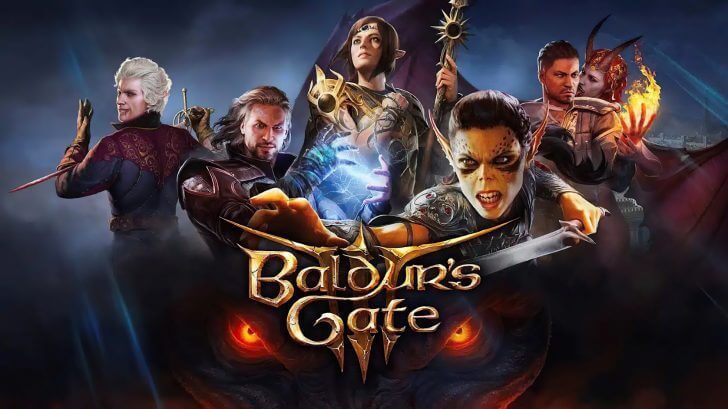
Developing Baldur’s Gate 3, however, presented a unique challenge: honoring the legacy of the original Baldur’s Gate titles, which are foundational pillars of the CRPG genre, while simultaneously modernizing the experience for a contemporary audience. The original games, developed by BioWare, set benchmarks for character interaction and narrative choice in the late 1990s and early 2000s. Larian’s approach involved embracing the core tenets of D&D 5th Edition, including its combat mechanics, skill checks, and most importantly, its emphasis on player freedom and role-playing. The transition from tabletop to video game required translating the Dungeon Master’s adaptability and the players’ limitless imagination into a digital framework, a feat largely accomplished through the game’s expansive dialogue and branching narrative structures.
A Monumental Undertaking: The Dialogue System’s Scope
The sheer scale of Baldur’s Gate 3’s dialogue is a testament to Larian’s ambition and dedication. With approximately 1,365,000 words, the game’s script dwarfs many notable literary works and video game narratives. For context, the Lord of the Rings trilogy, mentioned in the original article, contains around 450,000 words. This vast script translates into over 170 hours of recorded dialogue, performed by a diverse cast of over 250 actors. This enormous undertaking necessitated a meticulous approach to voice acting direction and localization, ensuring that the emotional nuances and distinct personalities of each character were faithfully conveyed across multiple languages.
The integration of D&D’s dice roll mechanics into dialogue checks further enhances player agency and unpredictability. Critical conversations often hinge on skill checks (e.g., Persuasion, Deception, Intimidation), where the outcome of a virtual dice roll can dramatically alter the flow of dialogue, the success of an interaction, or even the immediate consequences of a decision. This system injects a layer of tabletop authenticity, making each playthrough feel genuinely unique and encouraging players to consider the risks and rewards of their conversational choices.
Portraying Personality: Companions and Their Voices
Baldur’s Gate 3 excels in crafting companions who feel like living, breathing individuals, each with a complex past, evolving motivations, and a distinct voice that resonates through their dialogue.
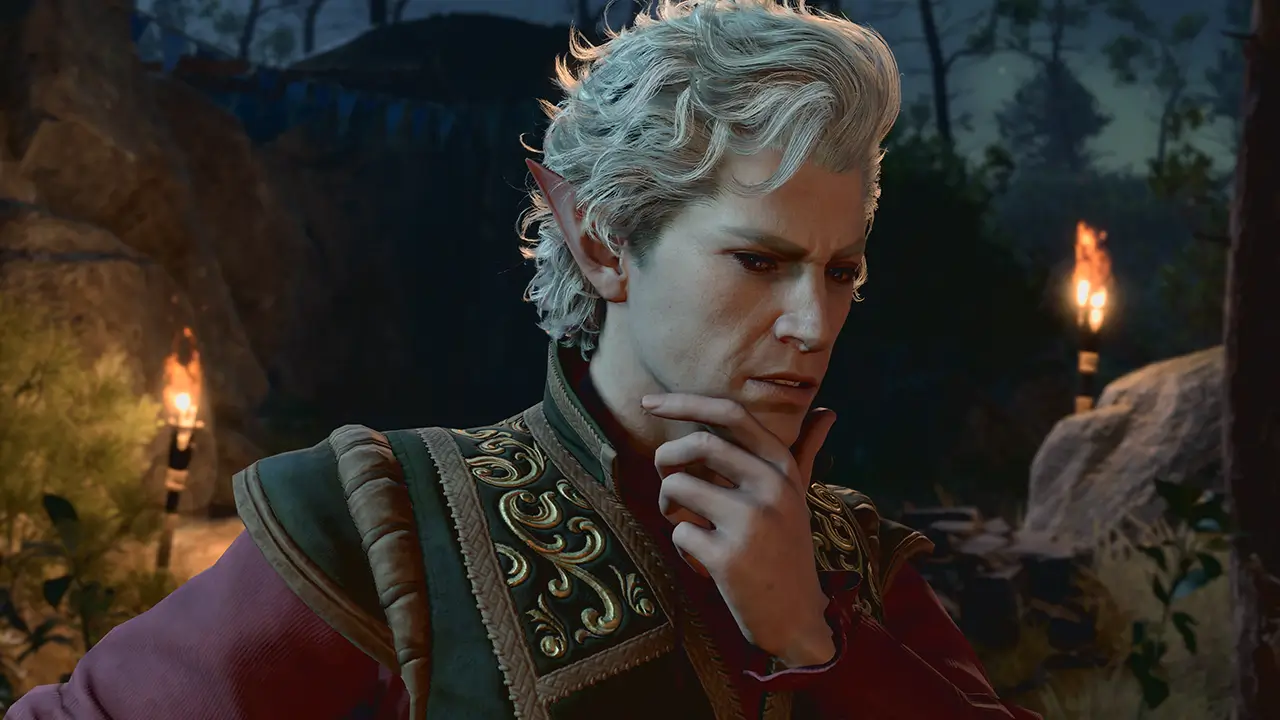
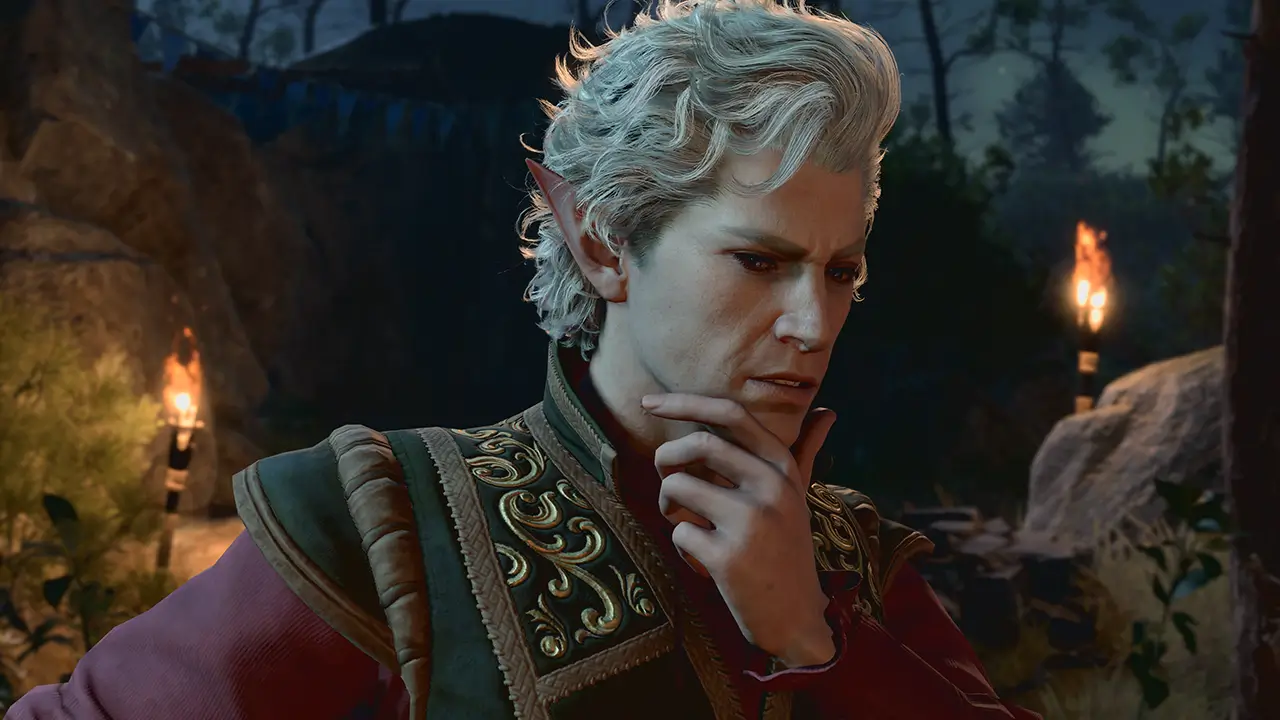
Astarion: The elven vampire spawn Astarion embodies sardonic wit, vanity, and a predatory charm. His dialogue often oscillates between flippant remarks and cutting sarcasm, masking centuries of trauma and servitude under the sadistic vampire lord Cazador. His lines frequently reveal his cunning and self-preservation instincts, yet also hint at a deep-seated vulnerability and a yearning for freedom and control over his own destiny. Player interactions can either reinforce his cynical outlook or slowly chip away at his hardened exterior, revealing a more nuanced character beneath the theatrical façade. His status as the game’s "most talkative companion" underscores his central role in many narrative branches and his constant engagement with the player’s choices.
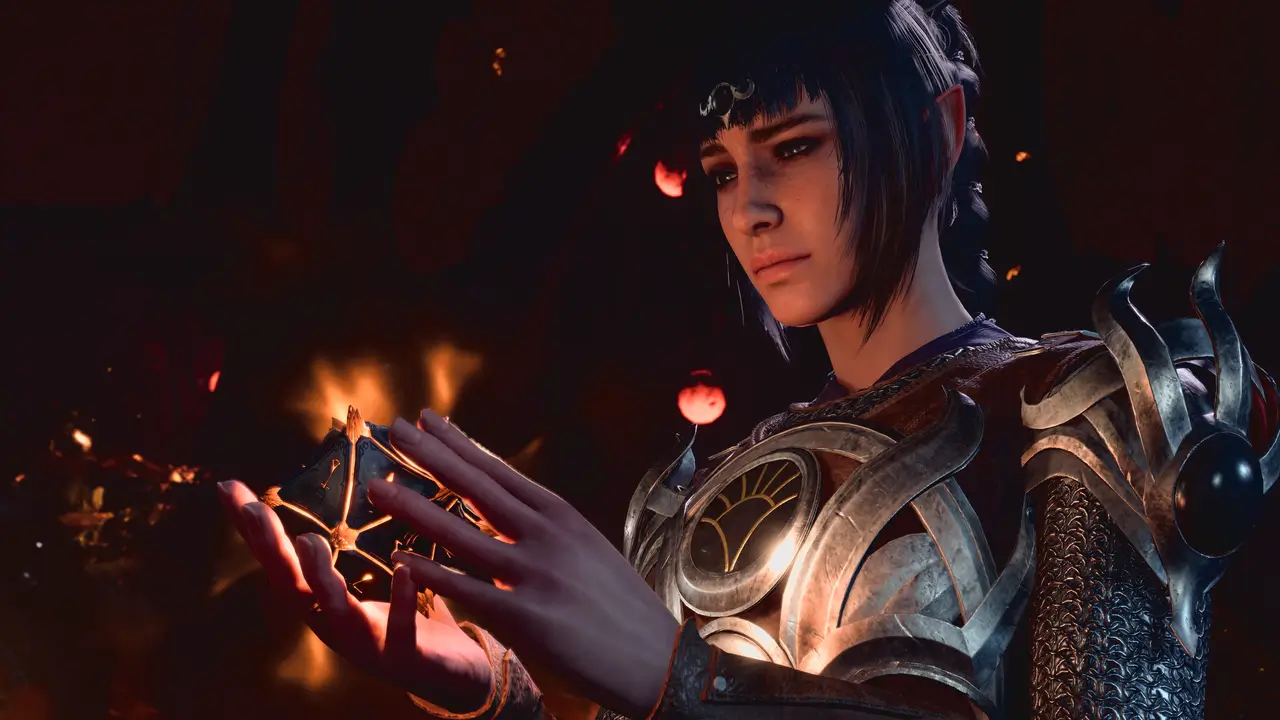
Shadowheart: The half-elf cleric Shadowheart is defined by her guarded nature and secrecy, a loyal servant of the goddess Shar who grapples with fragmented memories and a painful magical condition. Her dialogue is often terse, evasive, and laced with skepticism, reflecting her inherent distrust and the weight of her forgotten past. As players build trust, her lines gradually unveil glimpses of her true self, her internal conflicts regarding her faith, and the profound loneliness of her journey. Her journey of self-discovery, heavily influenced by player choices, makes her dialogue a critical component of uncovering the truth behind her mysterious past.
Gale: The human wizard Gale, once an archmage of Waterdeep, exudes intelligence and confidence, yet carries the heavy burden of past hubris. His dialogue is rich with arcane knowledge, philosophical musings, and a poignant awareness of the catastrophic consequences of his ambition. He frequently offers insights into the magical workings of the world and his own perilous condition, stemming from a dangerous pact with a goddess. His struggle for redemption and control over a destructive magical affliction forms a significant part of his narrative, expressed through his articulate and often self-deprecating lines.
The Ensemble Cast and Beyond:
Larian Studios extends this meticulous character development to the entire ensemble of companions, each adding a unique flavour to the party dynamics and narrative.
- Lae’zel: The Githyanki warrior, fiercely loyal to her people’s traditions, expresses her conviction and disdain for "soft" races through blunt, often aggressive dialogue. Her arc involves questioning deeply ingrained beliefs.
- Karlach: The Tiefling barbarian, a former soldier escaped from Avernus, radiates fiery passion and a zest for life, despite her infernal engine heart. Her lines are often full of exclamations, humor, and a yearning for simple pleasures.
- Wyll: The human warlock, the "Blade of Frontiers," is a noble hero burdened by a demonic pact. His dialogue reflects his chivalrous ideals and his internal struggle with the morally ambiguous choices forced upon him.
- Minthara: The Drow paladin, a devout follower of the Absolute, offers a darker path for players. Her dialogue is cold, calculating, and driven by unwavering faith in her cruel deity.
- Halsin: The Wood Elf Archdruid, a wise and protective figure, speaks with calm authority and a deep connection to nature. His lines often provide guidance and advocate for ecological balance.
- Jaheira and Minsc: Beloved characters from previous Baldur’s Gate titles, their return is handled with reverence, their dialogue echoing their established personalities and providing nostalgic connections for long-time fans. Jaheira’s pragmatic wisdom and Minsc’s endearing eccentricity, often featuring his miniature giant space hamster Boo, are perfectly captured.
Beyond the main companions, Baldur’s Gate 3 populates its world with a host of memorable NPCs, from the quirky shopkeepers and conflicted cultists to the powerful deities and ancient evils. Even seemingly minor interactions are often imbued with bespoke dialogue that enriches the lore, provides context, or simply adds a touch of humor or pathos, ensuring that the world feels consistently alive and reactive.
Lighter Moments and the Art of Brevity:
While the overarching narrative deals with grave threats, Baldur’s Gate 3 is also adept at weaving in moments of levity and unexpected humor. These lighter exchanges often serve as crucial breathers, highlighting the camaraderie (or animosity) within the party, and further fleshing out character personalities. A dry comment from Astarion, an exasperated sigh from Shadowheart, or a profound observation from Gale can break the tension, making the heavier moments more impactful by contrast. The game’s capacity to deliver memorable lines extends to these fleeting, often humorous, exchanges, demonstrating the depth of its script beyond its dramatic core.
Timeline of Development and Release:
The journey of Baldur’s Gate 3 to critical acclaim was a protracted one, reflecting the complexity of its development:
- June 2019: Announced at Google Stadia’s first Stadia Connect event.
- October 2020: Launched into Early Access on PC and Google Stadia, allowing Larian to gather extensive player feedback and iterate on core systems.
- August 2023: Full release on PC, following nearly three years of Early Access development.
- September 2023: Released on PlayStation 5.
- December 2023: Released on Xbox Series X/S, completing its major platform rollout.
- Post-Launch: Numerous patches and hotfixes, including significant additions like an extended epilogue, continued to refine the game and respond to player feedback, demonstrating Larian’s ongoing commitment.
Implications and Broader Impact on the RPG Landscape:
Baldur’s Gate 3’s monumental success, culminating in numerous Game of the Year awards in 2023, has set a new benchmark for the RPG genre. Its commercial performance, with millions of copies sold across platforms, underscores a clear player demand for deep, player-driven narratives and richly developed characters.
Raising Industry Standards: The game’s emphasis on comprehensive choice and consequence, coupled with its unparalleled dialogue volume and quality, challenges other developers to rethink their approaches to narrative design. It demonstrates that players are willing to engage with complex, branching storylines that require significant investment in writing and voice acting.
Player Expectations: Baldur’s Gate 3 has likely recalibrated player expectations for future RPGs, particularly regarding the depth of companion interactions, the reactivity of the world, and the true impact of player decisions.
Validation of Early Access: Larian’s transparent and iterative Early Access process for BG3 serves as a powerful case study for how community involvement can significantly shape and improve a game’s final product.
The Future of D&D in Video Games: Its success also highlights the enduring appeal and adaptability of the Dungeons & Dragons ruleset in a digital format, potentially paving the way for more ambitious adaptations.
In conclusion, Baldur’s Gate 3 is not merely a game but a narrative phenomenon. Its ability to create a world where every choice matters, every character feels alive, and every line of dialogue contributes to an immersive, personal experience is a masterclass in game design. The sheer scale and quality of its script, combined with its innovative gameplay systems, ensure that players’ experiences will be profoundly unique, cementing its place as one of the greatest storytellers in interactive entertainment.
About the Author