Nearly six years ago, CD Projekt RED’s highly anticipated open-world RPG, Cyberpunk 2077, launched to widespread criticism, plagued by a litany of bugs, crashes, and missing features that severely marred the player experience. The initial rollout was so troubled it led to unprecedented refunds and the game’s temporary removal from the PlayStation Store. Yet, beneath the technical turmoil and widespread disappointment, a fundamental element of the game consistently drew praise and, over time, emerged as its undeniable strength: the profound and meticulously crafted narrative, underscored by an exceptionally dynamic dialogue system. This narrative prowess was recognized with a nomination for Best Narrative at the BAFTA Games Awards in 2021, a testament to its intrinsic quality even amidst the surrounding chaos.
The game’s dialogue system, often considered underrated, offers a rich tapestry of timed choices, character-driven freedom, and intimate conversations that deeply impact the player’s journey. Each line of dialogue is meticulously crafted, constantly revealing the characters’ core beliefs, their deepest fears, and the sacrifices they are willing to make in the dystopian sprawl of Night City. This intricate verbal architecture provides a window into the souls of its inhabitants, enriching the player’s understanding of the world and their place within it.
The Troubled Genesis and Eventual Redemption of Night City
The journey of Cyberpunk 2077 from its initial vision to its current state is a significant chapter in recent gaming history. Announced in 2012, the game garnered immense hype, particularly after the critical and commercial success of CD Projekt RED’s previous title, The Witcher 3: Wild Hunt. Promises of an expansive, reactive open-world RPG with unparalleled player choice and deep customization fueled anticipation to a fever pitch. Early gameplay demonstrations showcased stunning visuals, complex character interactions, and a gritty, mature cyberpunk setting that captivated audiences globally. The game’s setting, based on Mike Pondsmith’s tabletop RPG Cyberpunk 2020, promised a dark future where technology and humanity blurred, and corporate power reigned supreme.
However, the December 10, 2020, launch proved catastrophic. Technical issues, particularly on the PlayStation 4 and Xbox One base consoles, rendered the game nearly unplayable for many. Even on powerful PCs, bugs and performance inconsistencies were rampant. Beyond the technical woes, players noted the absence of certain features teased pre-release, such as a more robust police system, deeper customization options, and more impactful choices in some quests. The backlash was swift and severe, leading to a rare public apology from CD Projekt RED, a refund program, and Sony’s decision to delist the game from its digital storefront for nearly six months. The stock market reacted negatively, and the company’s reputation suffered a significant blow.
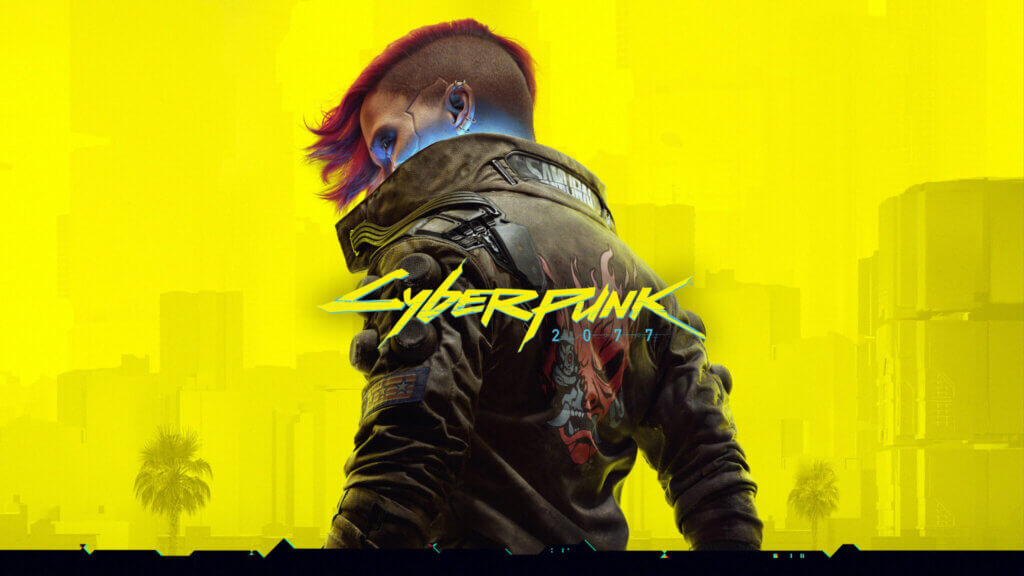
Despite this turbulent beginning, CD Projekt RED committed to an ambitious redemption arc. Over the next two years, the development team released numerous patches and updates aimed at stabilizing the game, fixing bugs, improving performance, and enhancing quality-of-life features. Major updates like Patch 1.5 in February 2022 and Patch 1.6 in September 2022 significantly improved the game’s stability and added new content, gradually turning the tide of public opinion. By early 2023, the game had sold over 20 million copies, indicating a growing, if still cautious, player base.
The true turning point arrived in September 2023 with the release of the Phantom Liberty expansion alongside the monumental Update 2.0. Phantom Liberty introduced a new spy-thriller storyline featuring Idris Elba and Keanu Reeves, set in the previously inaccessible Dogtown district. Update 2.0, a free overhaul for all players, revamped core gameplay systems, including skill trees, combat AI, police behavior, and vehicle combat, transforming the overall experience. This combination of a compelling new narrative and fundamental gameplay improvements solidified Cyberpunk 2077’s redemption, with many critics and players re-evaluating the game as a truly excellent title that finally delivered on much of its original promise.
The Heart of Night City: V’s Existential Journey
At its core, Cyberpunk 2077 centers on the journey of V (Valerie or Vincent), a mercenary in the sprawling, neon-drenched metropolis of Night City. V’s initial quest, a high-stakes heist to steal an experimental immortality implant known as the Relic, goes catastrophically awry. The biochip, intended to house the digital consciousness of legendary rockerboy terrorist Johnny Silverhand, inadvertently gets uploaded into V’s own skull, slowly overwriting their mind and threatening their very existence. This catastrophic event propels V into a desperate fight for survival, a race against time to remove the Relic while simultaneously attempting to carve out a legacy in a city that constantly consumes and discards its inhabitants.
While the game’s opening sequence initially delivers on the ultimate open-world crime fantasy—guns, fast cars, cutting-edge cyberware, and a city bathed in the glow of corporate advertisements—the real hook of Cyberpunk 2077 lies deeper. The narrative quickly transcends its initial action-packed premise, evolving into a profound exploration of identity, memory, transhumanism, and the intrinsic value of the limited time one has left. Players are consistently confronted with existential questions: What defines an individual? Can consciousness be truly preserved? What are the boundaries of humanity in an era of advanced cybernetics? Ultimately, V’s journey forces players to grapple with the haunting question, "What am I willing to trade away for more time?"
The game’s narrative power is amplified by the freedom afforded to the player. Choices regarding where to go, when to go, and how to approach situations are not merely cosmetic; they significantly influence the unfolding story, the relationships forged, and the ultimate fate of V and their companions. This player agency creates a deeply personal and meaningful experience, leading to countless memorable interactions and, critically, unforgettable dialogue.
Character-Driven Dialogue: A Window into the Soul of Night City
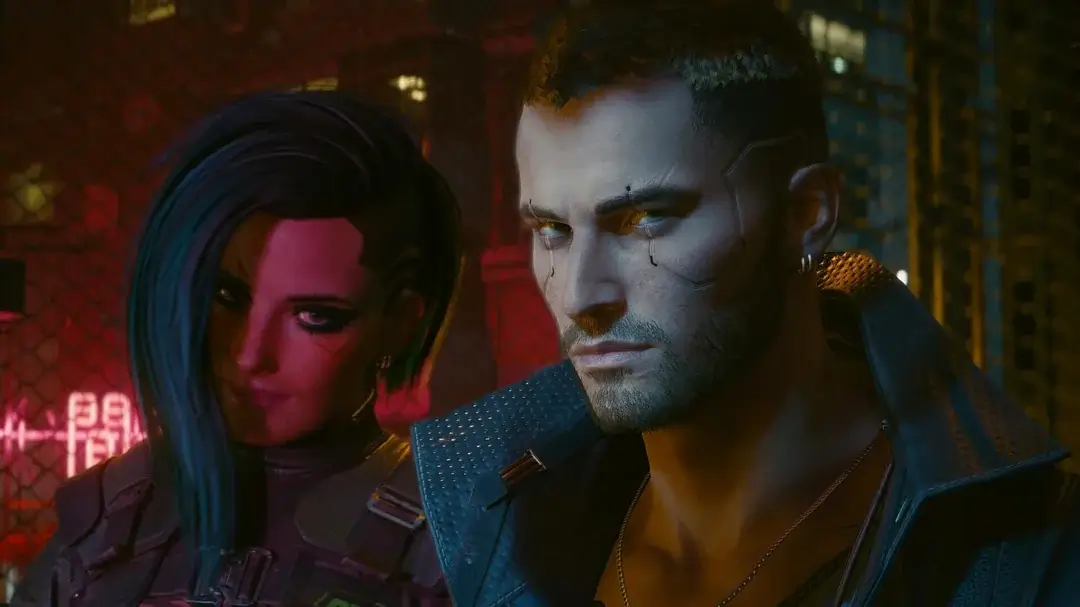
Cyberpunk 2077’s cast of characters is as diverse and complex as Night City itself, and their personalities are vividly brought to life through exceptionally written dialogue. The conversational exchanges are not merely plot devices; they are character-defining moments, imbued with personality and purpose.
V (Valerie/Vincent): The Player’s Avatar
As the playable protagonist, V’s personality is shaped by the player’s choices and chosen lifepath—Corpo, Street Kid, or Nomad. Each lifepath provides V with unique dialogue options, contextual understanding, and initial relationships within Night City, allowing players to embody distinct perspectives. A Corpo V might understand corporate machinations, a Street Kid V navigates gang politics with ease, and a Nomad V brings an outsider’s skepticism to the city’s corrupt systems. This fundamental design choice ensures that V’s responses and internal monologues reflect a nuanced and evolving character, making the player’s connection to the narrative more profound. V’s dialogue often reflects their ambition, desperation, and growing cynicism, but also moments of unexpected empathy or sharp wit.
Johnny Silverhand: The Digital Ghost
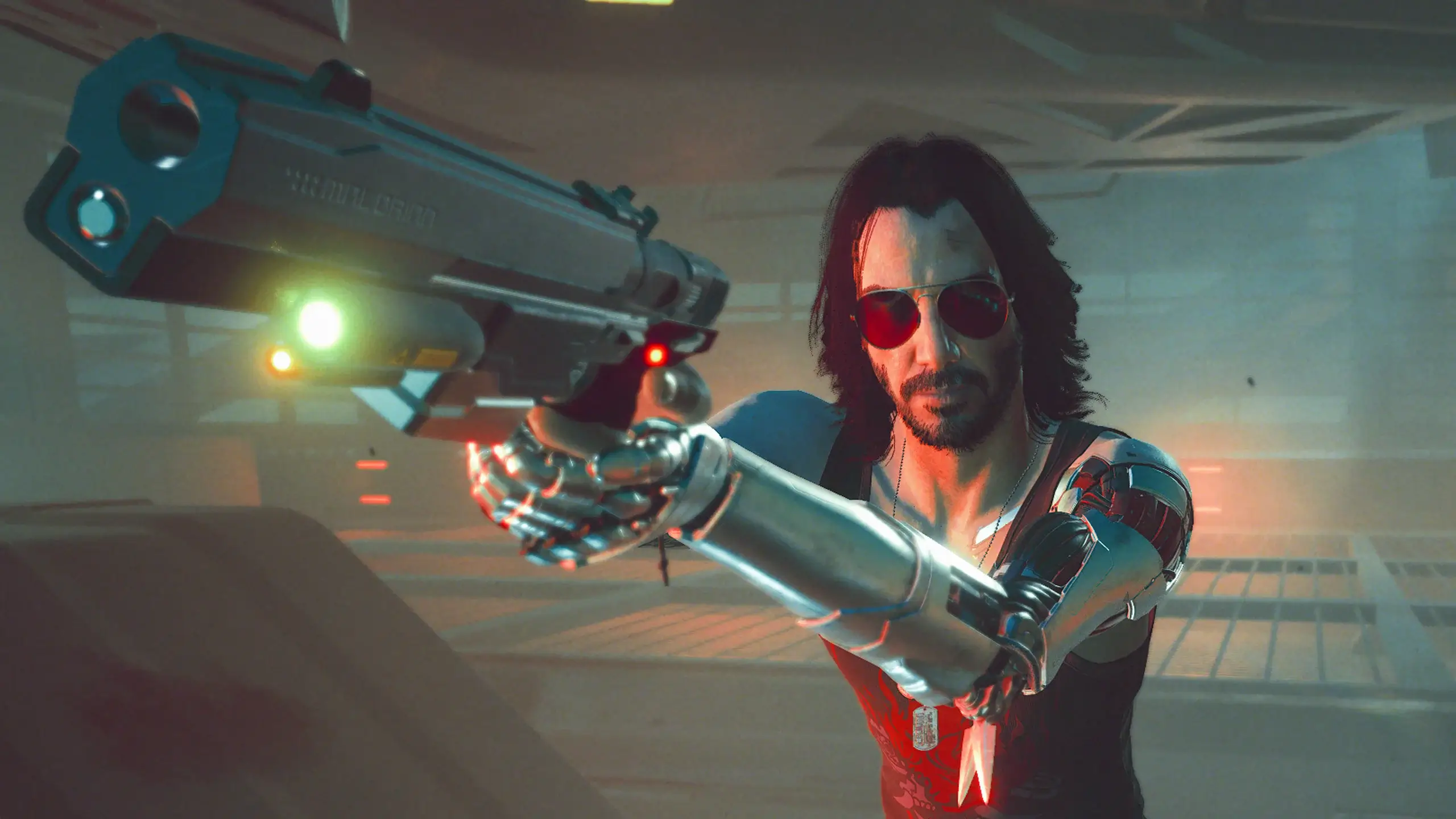
Voiced by Keanu Reeves, Johnny Silverhand is far more than a digital entity; he is a constant, often antagonistic, presence in V’s mind. A legendary rockerboy and anti-corporate terrorist, Johnny is hot-headed, rebellious, and deeply cynical. His dialogue frequently challenges V’s decisions, offers cutting commentary on Night City’s pervasive corruption, and reveals glimpses of his own tumultuous past. The dynamic between V and Johnny, primarily conveyed through their often-acerbic conversations, evolves from mutual animosity to a complex partnership, and potentially, a form of understanding or even respect. Johnny’s lines are often filled with rebellious rhetoric, a disdain for authority, and a profound sense of loss for a world he tried to change.
Panam Palmer: The Independent Nomad
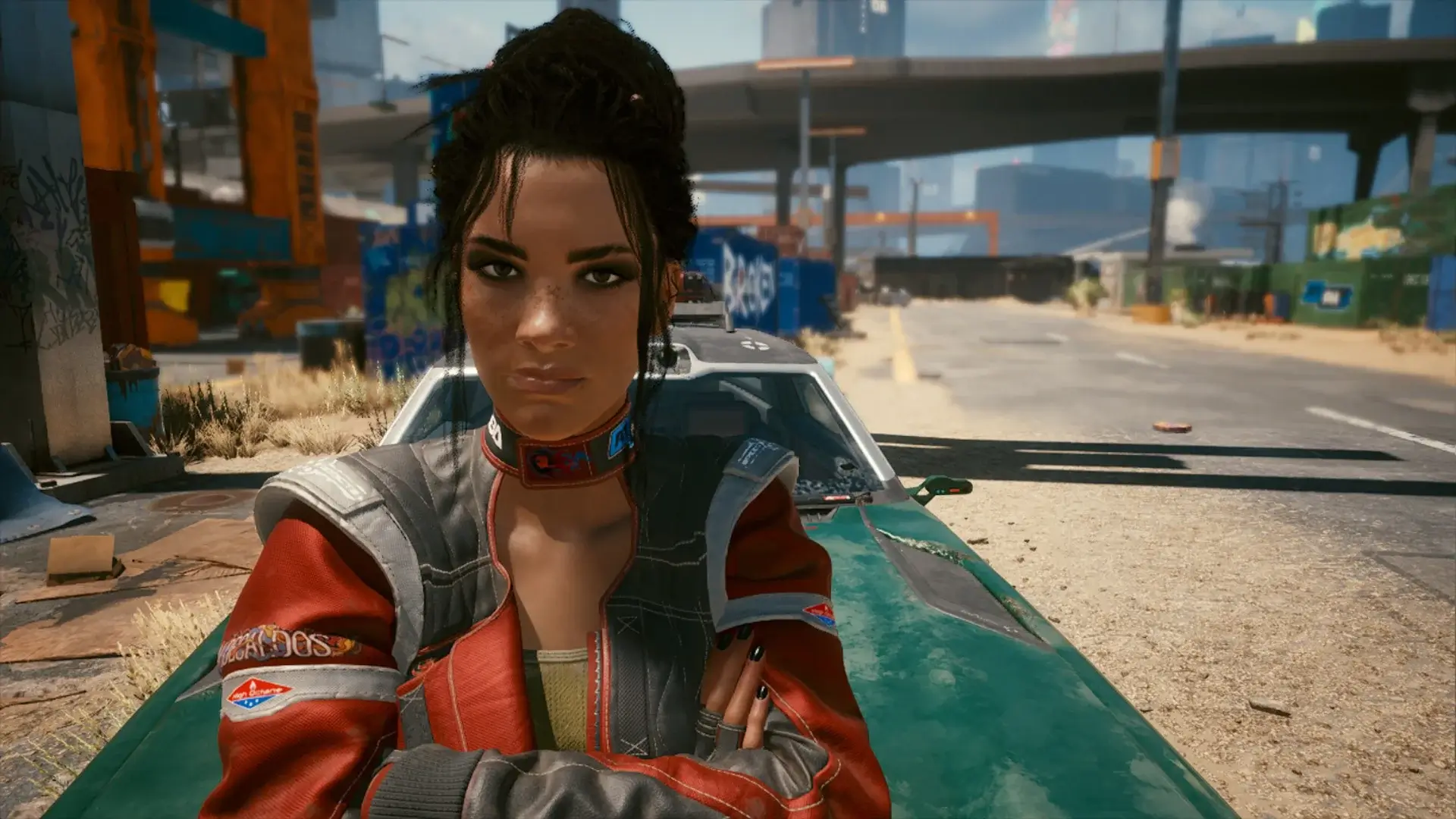
Panam, a former member of the Aldecaldos nomad clan turned mercenary, embodies fierce independence and unwavering loyalty to her chosen family. Her dialogue reflects her impatience with bureaucracy, her distrust of corporate structures, and her deep-seated desire for freedom on her own terms. Through interactions with Panam, players gain insight into the nomad lifestyle, contrasting sharply with the enclosed, vertical society of Night City. Her conversations often revolve around themes of belonging, the struggle for survival in the Badlands, and the complexities of familial bonds.
Judy Alvarez: The Idealistic Braindance Technician
Judy is a highly skilled braindance technician with a passionate, yet often disillusioned, idealism. Her dialogue provides a critical perspective on Night City’s exploitation of its citizens, particularly through the braindance industry. She dreams of a better world for the downtrodden, and her conversations often reveal her vulnerability, her artistic sensibilities, and her deep desire to protect those she cares about. Her interactions with V can be incredibly intimate, touching upon themes of hope, despair, and the possibility of genuine connection in a brutal world.
Vik Vektor: The Moral Compass
Viktor "Vik" Vektor, V’s trusted ripperdoc, serves as a grounded and often philosophical presence. His dialogue is typically calm, pragmatic, and filled with a weary wisdom earned from years of operating on Night City’s underbelly. He often offers V advice, both medical and existential, acting as a surrogate father figure or a moral compass in a world devoid of ethics. His simple yet profound statements often cut through the noise, reminding V of the fundamental human cost of their choices.
Broader Impact and Implications for Narrative Design
The evolution of Cyberpunk 2077’s reception offers invaluable lessons for the gaming industry. It underscored the critical importance of a polished launch, the dangers of over-hyping a product, and the immense value of transparent, sustained post-launch support. CD Projekt RED’s dedication to fixing the game, culminating in the transformative Update 2.0 and Phantom Liberty, demonstrated that a developer can recover from a disastrous launch through persistent effort and a commitment to quality.
Beyond its redemption story, Cyberpunk 2077’s narrative and dialogue system have left a significant mark on the landscape of RPGs. Its intricate branching narratives, the impact of player choice on character arcs and world states, and the depth achieved through its conversational mechanics set a high bar for future open-world games. The game’s success in weaving philosophical themes of identity, mortality, and transhumanism into a compelling action-RPG framework proves that mainstream titles can explore complex ideas without sacrificing engagement. The dynamic between V and Johnny Silverhand, in particular, stands as a masterclass in character interaction, demonstrating how an internal, conversational relationship can drive both plot and thematic exploration.
In conclusion, while Cyberpunk 2077’s initial release was undeniably a low point for CD Projekt RED, the game’s inherent strengths—its richly detailed world, its complex characters, and especially its masterful narrative and dialogue system—have allowed it to transcend its troubled beginnings. What started as a cautionary tale of development woes has evolved into a testament to the enduring power of compelling storytelling and the profound impact of well-crafted character interactions, solidifying Cyberpunk 2077’s place as a seminal title in the modern RPG landscape. The conversations about friendship, death, freedom, and the deeper concerns of existence, woven into the adrenaline-fueled chaos of Night City, are what ultimately resonate, proving that even in a world of chrome and neon, the human story remains paramount.
About the Author