When discussing the hallmarks of a successful video game, the metric often extends beyond mere initial sales or launch-day hype. True success, particularly in the realm of expansive role-playing games, is measured by enduring relevance and staying power. Few titles exemplify this principle as profoundly as Bethesda Game Studios’ The Elder Scrolls V: Skyrim. Released over a decade ago, Skyrim has not only maintained a fervent player base but has also cemented its place as a perennial titan in the gaming landscape, a feat its creators largely attribute to its masterful storytelling, meticulously crafted sprawling world, and a cast of characters that resonate deeply with players. The game’s monumental impact is underscored by its reception of over 200 Game of the Year awards, a testament to its critical acclaim and widespread appeal. Its influence extends into popular culture, evidenced by universally recognized phrases such as "I used to be an adventurer like you, then I took an arrow in the knee," which, alongside numerous other memorable lines, persists in the collective gamer consciousness more than a decade post-release.
The enduring fascination with Skyrim is not solely rooted in its grand narrative but also in the intricate web of interactions and dialogue that populate its world. These verbal exchanges, whether revealing profound lore or becoming iconic through sheer repetition, contribute significantly to the game’s immersive quality and lasting legacy. This article delves into the core elements that define Skyrim‘s enduring appeal, exploring its narrative foundations, chronological evolution, supporting data on its success, insights from its creators, and its broader implications for the gaming industry, culminating in a revisit of some of its most iconic quotes.
The Genesis of a Legend: Background and Development
The Elder Scrolls V: Skyrim was developed by Bethesda Game Studios and published by Bethesda Softworks, launching worldwide on November 11, 2011, for Microsoft Windows, PlayStation 3, and Xbox 360. As the fifth main installment in The Elder Scrolls series, it followed the critically acclaimed The Elder Scrolls IV: Oblivion (2006). The development team, led by game director Todd Howard, embarked on an ambitious project to create a world of unprecedented scale and interactivity, building upon the established lore and gameplay mechanics of its predecessors while introducing significant innovations.
A key design philosophy underpinning Skyrim was the emphasis on player freedom and emergent storytelling. Bethesda sought to create a vast, living world where players could forge their own paths, rather than adhering strictly to a linear narrative. This vision necessitated a robust game engine capable of rendering expansive landscapes, dynamic weather systems, and a myriad of non-player characters (NPCs) with their own routines and interactions. The Creation Engine, a proprietary game engine developed by Bethesda, was a cornerstone of this ambition, enabling the detailed rendering of Skyrim’s diverse environments, from snowy mountain peaks to lush forests and ancient Nordic ruins. The integration of dragons, a central theme of the game, was also a significant technical and design challenge, requiring sophisticated AI and animation systems to make these mythical creatures feel like a natural, terrifying part of the world. Howard and his team frequently articulated their desire to create a game that offered both epic adventure and intimate, personal experiences, a balance that would ultimately become a hallmark of Skyrim‘s success.
A Decade of Dominance: A Chronology of Releases and Milestones
Skyrim‘s journey from a highly anticipated release to a multi-generational phenomenon is marked by a series of strategic expansions and re-releases, demonstrating Bethesda’s commitment to the title and its community.
- November 11, 2011: Original release for Windows, PlayStation 3, and Xbox 360. This launch was met with widespread critical acclaim, praising its open world, gameplay, and storytelling.
- 2012: Three major downloadable content (DLC) expansions were released, significantly extending the game’s narrative and gameplay:
- Dawnguard (June 2012): Introduced a conflict between the Dawnguard vampire hunters and a faction of vampires led by Lord Harkon.
- Hearthfire (September 2012): Allowed players to purchase land and build their own homes, adding a deeper layer of role-playing and customization.
- Dragonborn (December 2012): Transported players to the island of Solstheim, revisiting themes and characters from The Elder Scrolls III: Morrowind and introducing Miraak, the first Dragonborn.
- June 2013: The Elder Scrolls V: Skyrim – Legendary Edition was released, bundling the base game with all three DLCs, offering a comprehensive package for new players and collectors.
- October 28, 2016: The Elder Scrolls V: Skyrim – Special Edition launched for Windows, PlayStation 4, and Xbox One. This remastered version featured updated graphics, volumetric god rays, dynamic depth of field, screen-space reflections, and new snow and water shaders, alongside full mod support for consoles, significantly expanding the game’s accessibility and longevity on newer hardware.
- November 17, 2017: Skyrim VR was released for PlayStation VR and subsequently for PC-based VR headsets, offering a fully immersive first-person experience. The same year, Skyrim also made its debut on the Nintendo Switch, further expanding its reach to a portable audience.
- November 11, 2021: To commemorate its tenth anniversary, The Elder Scrolls V: Skyrim – Anniversary Edition was released for Windows, PlayStation 4, PlayStation 5, Xbox One, and Xbox Series X/S. This edition included the Special Edition, all Creation Club content (which adds new quests, items, and gameplay features), and further enhancements, solidifying its presence across four generations of gaming consoles.
This consistent re-release strategy has allowed Skyrim to remain perpetually relevant, introducing it to new generations of players and ensuring its continued commercial success and cultural impact.
Underlying Pillars of Success: Gameplay, World-Building, and Storytelling
Skyrim‘s enduring appeal is fundamentally rooted in its expertly crafted core elements:
Masterful Storytelling and Narrative Freedom
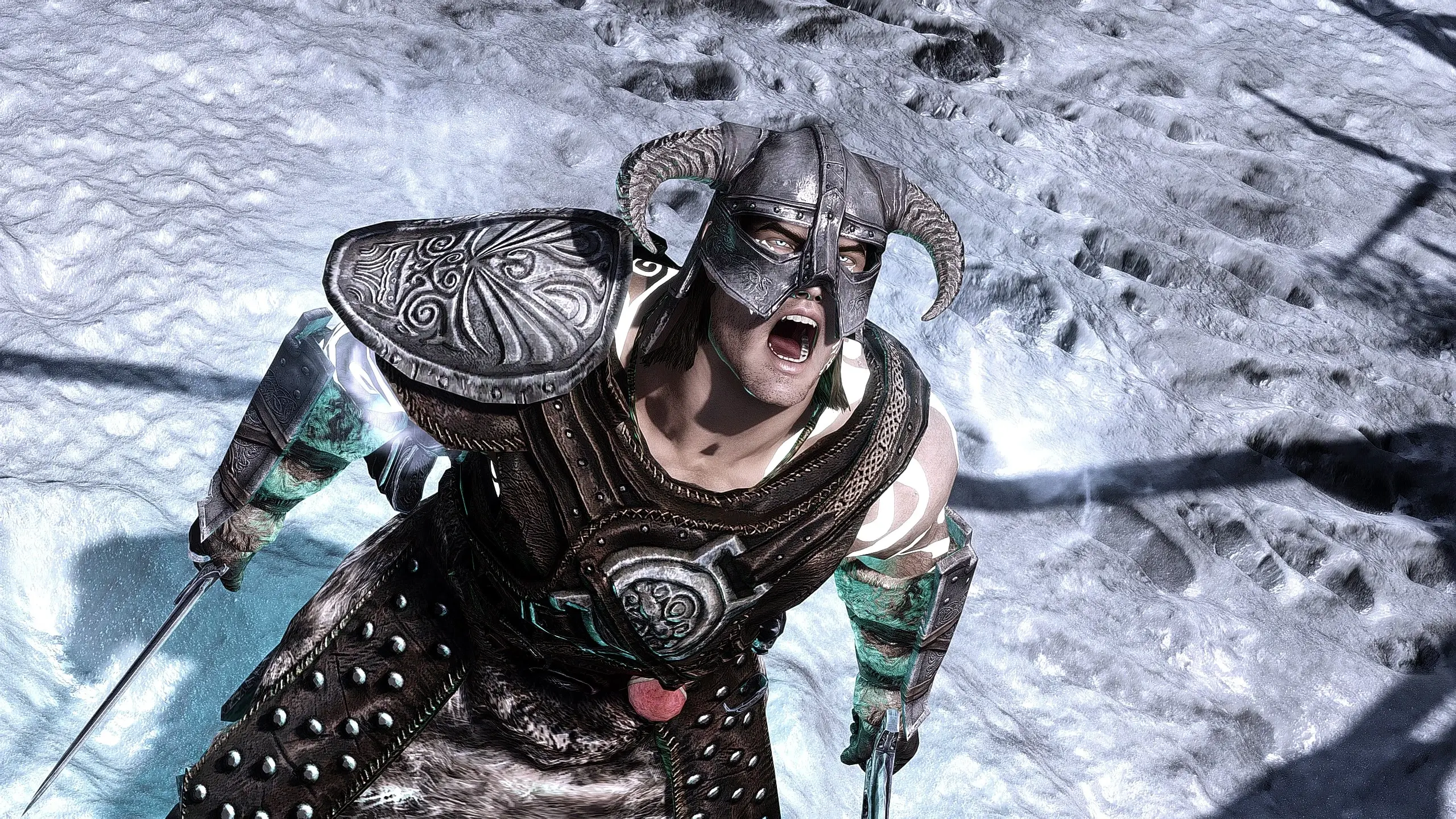
The central narrative of Skyrim commences with the protagonist’s dramatic escape from execution in Helgen, an event interrupted by the cataclysmic return of Alduin, the World-Eater. This sets the stage for the discovery of the player character’s true identity as the Dragonborn, a mortal imbued with the soul and power of a dragon, destined to confront Alduin and prevent the prophesied end of the world. Intertwined with this epic struggle is a simmering civil war between the Imperial Legion and the Stormcloaks, adding layers of political intrigue and moral ambiguity to the player’s choices.
What distinguishes Skyrim‘s storytelling is not merely its mythological scale but Bethesda’s commitment to player agency. Unlike many RPGs that guide players through a predetermined heroic arc, Skyrim empowers individuals to define their own hero. Players are given the liberty to craft their character’s appearance, choose their race, and develop a unique skill set, allowing for diverse playstyles—from stealthy assassins to powerful mages or valiant warriors. This profound customization extends beyond combat, influencing how players interact with the world and its inhabitants. The primary questline, while grand, is not mandatory. Players can choose to immerse themselves in countless side quests, explore the vast wilderness, join various guilds, or simply live a mundane life within the world. This approach ensures that each player’s journey feels intensely personal, making "Your hero’s story is yours to tell" a literal truth rather than a mere tagline. This personal connection significantly amplifies the impact of the game’s dialogue, as interactions feel meaningful within the context of the player’s unique narrative.
Sprawling Open World and Environmental Design
The province of Skyrim itself is a character, a breathtakingly diverse land that ranges from the snow-capped peaks of the Throat of the World to the autumnal forests of the Rift, the volcanic ashlands of the Eastmarch, and the bustling cities of Whiterun, Solitude, and Markarth. The world design encourages exploration and discovery, with countless dungeons, caves, ancient ruins, and hidden secrets awaiting intrepid adventurers. The dynamic weather system and day-night cycle further enhance immersion, making the world feel alive and responsive. This sense of boundless exploration is a powerful draw, offering a consistent reward for curiosity and fostering countless hours of gameplay outside of the main storyline.
Unforgettable Characters and Factions
Beyond the Dragonborn and Alduin, Skyrim is populated by a rich tapestry of characters, each contributing to the game’s vibrant world. From the stern yet just Jarl Balgruuf the Greater of Whiterun to the wise and enigmatic Greybeards atop High Hrothgar, the ruthless members of the Dark Brotherhood, or the honorable Companions, NPCs are imbued with distinct personalities and motivations. These characters, through their dialogue and actions, provide depth, humor, and moral dilemmas, making the world feel populated by living beings rather than mere quest-givers. The game’s factions offer further opportunities for role-playing, allowing players to align with different ideologies and experience varied narratives.
Beyond the Base Game: The Power of Modding and Community
A critical factor in Skyrim‘s unprecedented longevity is its robust and dedicated modding community. From its initial release, Bethesda has fostered a culture of mod support, first through the Creation Kit for the original PC version and later by integrating mod support directly into console versions with the Special Edition. This empowerment of players to modify, enhance, and expand the game has transformed Skyrim into a living platform for user-generated content.
Websites like Nexus Mods host hundreds of thousands of modifications, ranging from graphical overhauls that make the decade-old game look contemporary, to new quests, weapons, spells, and even entirely new landmasses and narratives. These mods allow players to tailor their Skyrim experience precisely to their preferences, addressing perceived shortcomings, introducing fresh content, or simply indulging in whimsical alterations. This continuous influx of community-created content ensures that even veteran players can find novel ways to experience the game, effectively making Skyrim a game that never truly ends. The modding community not only extends the game’s life but also acts as a vibrant ecosystem, fostering creativity and collaboration among players, further solidifying Skyrim‘s unique position in gaming history.
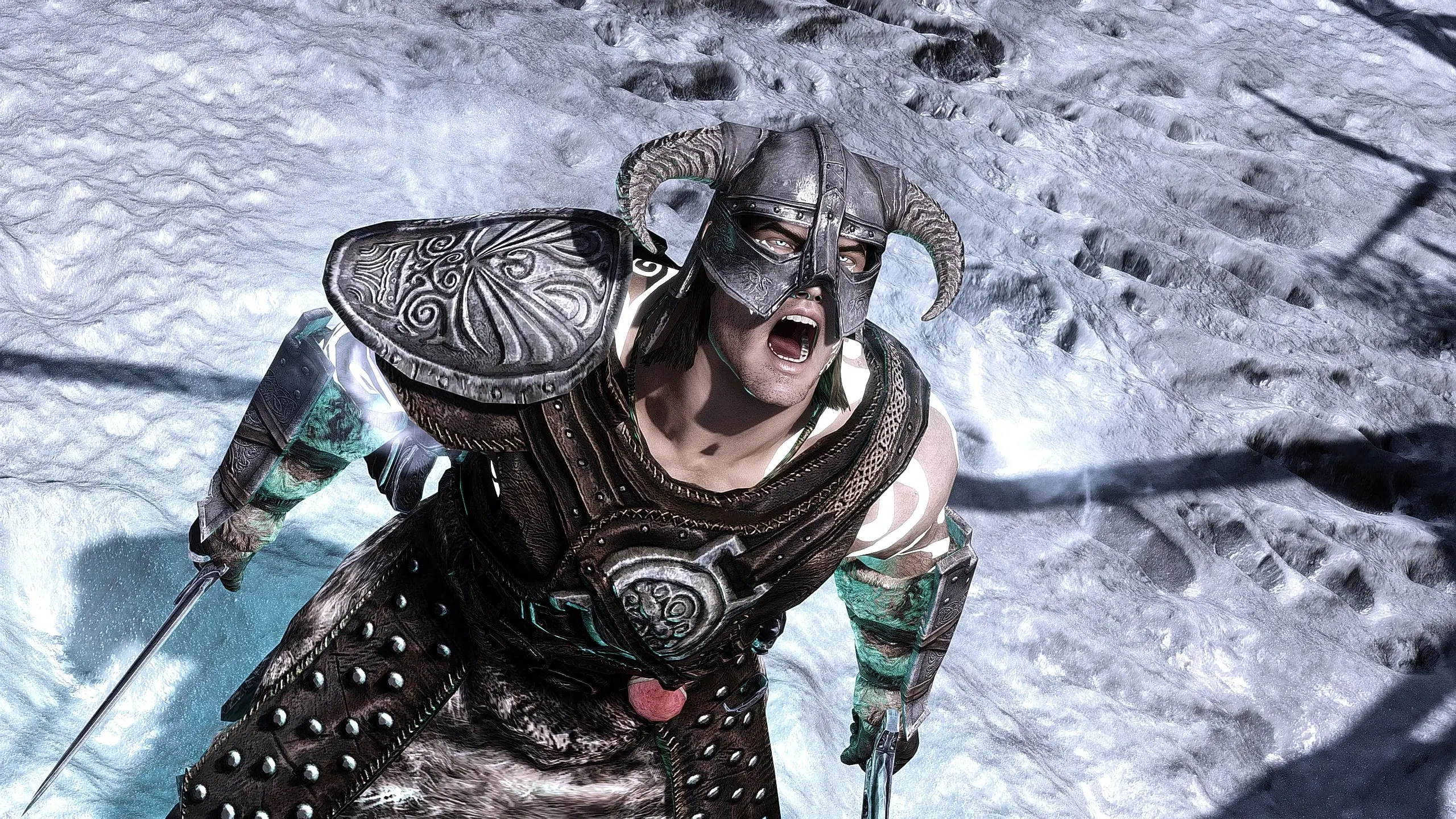
The Cultural Footprint: Memes and Iconic Dialogue
Skyrim‘s dialogue has transcended the confines of the game, weaving itself into the broader fabric of internet culture and gaming memes. The most prominent example, "I used to be an adventurer like you, then I took an arrow in the knee," uttered by numerous guards, became an instant classic, symbolizing the game’s pervasive influence and its often-mundane-yet-charming NPC interactions. This line, initially a simple piece of flavor text, evolved into a cultural shorthand for unexpected life changes or thwarted ambitions.
But the "arrow in the knee" is merely one example of how Skyrim‘s dialogue makes the world feel alive and memorable. The repetition of certain phrases by NPCs, the often-comical banter, or the profound wisdom shared by key characters all contribute to a sense of familiarity and immersion. These quotes act as cultural touchstones, instantly recognizable to millions of players and a testament to the game’s deep penetration into popular consciousness. They imbue the vast world with personality, making random encounters or routine visits to towns feel distinct and engaging.
Key Figures and Their Voices: Developer Insights
Bethesda Game Studios leadership, particularly Todd Howard, has consistently articulated the design philosophies that contributed to Skyrim‘s enduring success. Howard has frequently highlighted the team’s commitment to creating a sense of "fantasy fulfillment" for the player, emphasizing player choice and the ability to explore a rich, reactive world. Developers often speak of the game’s "emergent narrative," where the story is not just told but created by the player’s interactions with the world and its systems.
The focus on crafting a world that felt believable and lived-in, where NPCs had daily routines and reacted to player actions, was a deliberate design choice. The Radiant AI system, while sometimes quirky, aimed to generate dynamic interactions and quests, ensuring that each playthrough offered unique moments. The developers understood that while an epic main quest was crucial, the true magic of The Elder Scrolls lay in the countless smaller stories and personal adventures players would forge on their own. This foundational understanding, prioritizing player freedom and environmental storytelling, is what Bethesda credits for Skyrim‘s sustained appeal.
Analysis: Implications for the Gaming Industry
The Elder Scrolls V: Skyrim has left an indelible mark on the gaming industry, influencing subsequent titles and shaping player expectations for open-world RPGs. Its implications are manifold:
- Benchmark for Open-World Design: Skyrim set a new standard for the scale, detail, and interactivity of open worlds. Its success demonstrated the commercial viability and player demand for games that prioritize exploration and emergent gameplay, influencing countless developers to adopt similar design philosophies.
- Value of Longevity and Re-releases: The game’s continuous success across multiple console generations and its numerous re-releases have proven the immense value of supporting and re-packaging successful titles. This strategy not only generates continued revenue but also introduces beloved games to new audiences, extending their cultural relevance.
- Power of Community and Modding: Skyrim is a prime example of how a robust modding community can significantly extend a game’s lifespan and enhance its appeal. It underscored the importance of providing tools and support for user-generated content, fostering a symbiotic relationship between developers and players.
- Transcending Hardware Generations: Skyrim‘s presence on PC, PlayStation 3, Xbox 360, PlayStation 4, Xbox One, Nintendo Switch, PlayStation 5, and Xbox Series X/S illustrates that exceptional game design can transcend technological limitations and remain captivating regardless of the underlying hardware.
A Deep Dive into Memorable Dialogue
The dialogue in The Elder Scrolls V: Skyrim is a crucial component of its identity, contributing to its rich lore, character development, and unforgettable moments. These quotes range from the profound to the repetitive, each playing a role in the game’s enduring legacy.
The Dragonborn
The playable protagonist, the Dragonborn, is largely a silent character, their personality and characteristics shaped by the player’s choices in race, appearance, and skills. This allows for a deeply personal role-playing experience, with the player projecting their own hero onto the world. While not overtly vocal, their actions and the reactions they elicit from others speak volumes.
Alduin, the World-Eater
Alduin, the primary antagonist, is depicted as an ancient, arrogant dragon of immense power, responsible for consuming souls and threatening the very existence of Nirn. His dialogue often reflects his disdain for mortals and his perceived divine right to rule.
- "My teeth are the stars, my scales the mountains, my breath the winter wind. I am Alduin, firstborn of Akatosh!" This quote exemplifies Alduin’s grandiose self-perception and his connection to the very fabric of the world, positioning him as a cosmic threat.
- "You are but a mortal, Dragonborn. Your pathetic attempts to defy me are… amusing." This line showcases his condescending view of mortals and his supreme confidence in his power, highlighting the immense challenge the Dragonborn faces.
- "Foolish mortals. Your reign of terror ends now." Alduin’s declaration often precedes his devastating attacks, reinforcing his role as the ultimate bringer of destruction and the end of eras.
Paarthurnax
Paarthurnax, leader of the Greybeards and Alduin’s estranged brother, is a character of immense wisdom and moral complexity. Once a tyrannical dragon, he chose a path of meditation and mastery over his primal urges, becoming a crucial mentor to the Dragonborn.
- "What is better – to be born good, or to overcome your evil nature through great effort?" This philosophical question posed by Paarthurnax is central to his character arc and offers a profound reflection on free will, redemption, and the nature of good and evil, resonating deeply with players.
- "Dovahkiin, you have a long road ahead of you. But do not forget the lessons of the past. Fen krosis, old friend." (Fen krosis means "Thank you" in Dragon tongue). This quote emphasizes his role as a guide and his respect for the Dragonborn, hinting at the shared struggle against their dragon heritage.
- "A gift, in a sense. The gift of a new perspective. To see the world as a dovah, to feel the pull of the Thu’um, to know the hunger for power… and to choose to resist it." Paarthurnax explains the unique burden and potential of the Dragonborn, offering insight into his own struggles and triumphs.
- "There is no shame in doubt, my friend. Only in failing to act." This counsel provides encouragement and wisdom, guiding the Dragonborn through moments of uncertainty.
The Rest of the Characters in The Elder Scrolls V: Skyrim
Beyond the central figures, Skyrim is replete with memorable lines from its vast array of NPCs:
- "Let me guess, someone stole your sweetroll." (Guard) A humorous and often-heard line that highlights the mundane concerns of the guards amidst epic dragon battles.
- "Do you get to the Cloud District very often? Oh, what am I saying, of course you don’t." (Nazeem, Whiterun) Nazeem’s elitist and condescending tone made him one of the most infamously annoying yet memorable NPCs in the game, often becoming the target of player frustrations and memes.
- "A new hand touches the beacon!" (Meridia’s Beacon) The sudden, booming voice of Meridia when discovering her artifact is infamous for startling players, making it a recognizable and often-parodied moment.
- "Hail, Dragonborn! Your presence honors us." (Various Guards/Citizens) A common greeting that serves to remind the player of their heroic status and the impact of their deeds.
- "My ancestors are smiling upon me, Imperials. Can you say the same?" (Ulfric Stormcloak) This defiant declaration before his almost-execution encapsulates Ulfric’s unwavering resolve and his conviction in his cause, setting the tone for the civil war.
- "Heard they’re reforming the Dawnguard. Vampire hunters or something. Might consider joining up myself." (Various NPCs) This piece of ambient dialogue served as an early hint and marketing for the Dawnguard DLC, ingeniously integrating new content into the existing world.
- "I am sworn to carry your burdens." (Lydia) Lydia’s ever-present, sometimes exasperated, commitment to her role as the Dragonborn’s housecarl became a beloved and often-quoted line, embodying her loyalty and the common trope of the overburdened companion.
- "M’aiq knows much, tells some. M’aiq knows many things others do not." (M’aiq the Liar) The enigmatic Khajiit traveler provides whimsical, fourth-wall-breaking commentary on game mechanics and development choices, adding a layer of meta-humor.
Lighter Moments in The Elder Scrolls V: Skyrim Involving the Guards
The guards of Skyrim are perhaps the most prolific source of memorable, often humorous, dialogue that grounds the epic fantasy in everyday absurdity.
- "I used to be an adventurer like you, then I took an arrow in the knee." As mentioned, this is the quintessential Skyrim quote, representing the transition from a life of adventure to one of mundane duty, and becoming a widespread internet meme.
- "No lollygaggin’." A stern but common command from guards, urging players to move along and refrain from idling, contributing to the feeling of a world with rules and authority.
- "Stop right there, criminal scum!" A classic Elder Scrolls line, often delivered after minor transgressions, underscoring the immediate consequences of player actions.
- "Wait, I know you." This phrase, sometimes followed by a recognition of the Dragonborn’s deeds or infamy, adds a personal touch to interactions, showing that the player’s reputation precedes them.
- "My cousin’s out fighting dragons, and what do I get? Guard duty." This line perfectly encapsulates the contrast between the Dragonborn’s epic quest and the often-unremarkable lives of the common folk, adding a touch of relatable humor.
The Elder Scrolls V: Skyrim‘s masterful blend of epic fantasy and moments of mundane reality, infused with profound philosophical questions and witty banter, makes its dialogue truly unforgettable. These quotes not only make the game instantly recognizable but also breathe life into its expansive world, ensuring that every interaction, no matter how brief, contributes to the player’s immersive and personal journey.
In conclusion, The Elder Scrolls V: Skyrim stands as a monumental achievement in video game design, its unprecedented longevity a testament to Bethesda’s vision and the enduring power of its narrative, world-building, and character interactions. From its initial critical acclaim and hundreds of awards to its continuous re-releases across multiple platforms and the vibrant, ever-evolving modding community, Skyrim has proven to be far more than just a game; it is a cultural phenomenon that has redefined expectations for open-world RPGs. Its iconic dialogue, memorable characters, and boundless freedom continue to captivate millions, solidifying its place as a benchmark in gaming history and ensuring its legacy will endure for generations to come.
About the Author