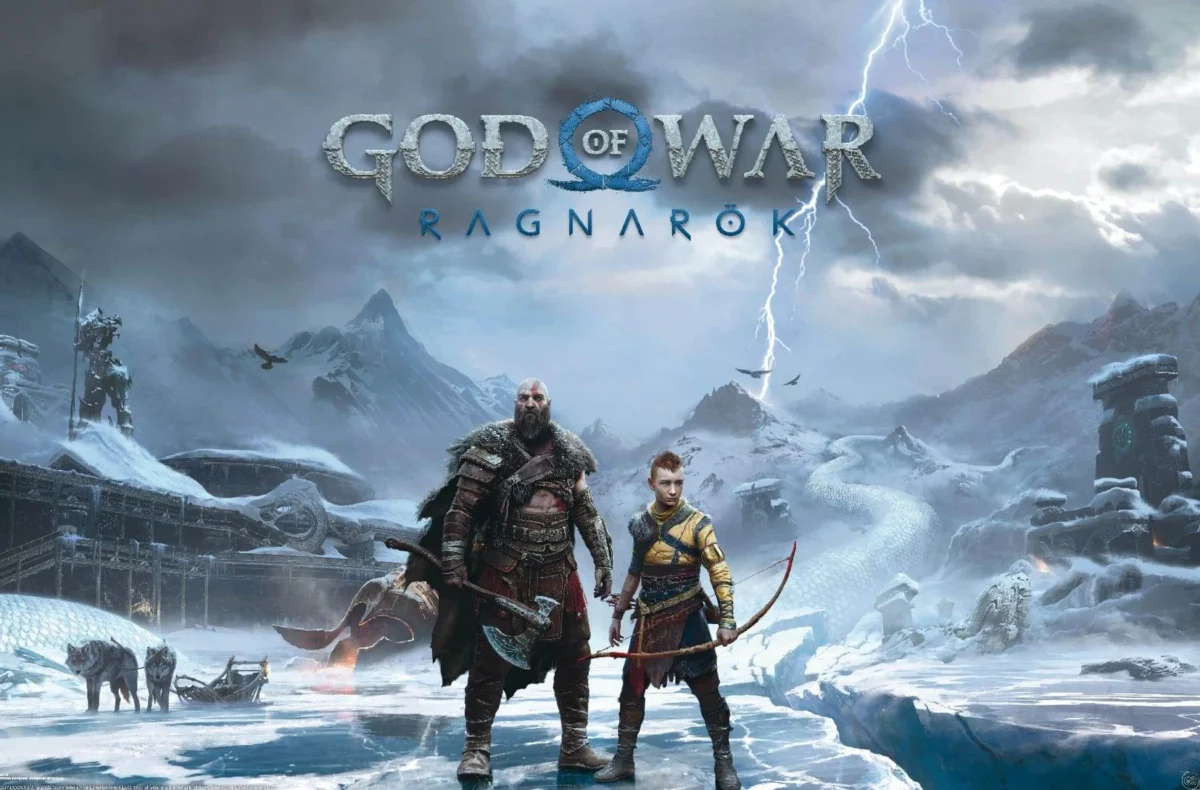
Santa Monica Studio’s critically acclaimed title, God of War Ragnarök, earned the prestigious Best Narrative award at The Game Awards 2022, a testament to its exceptional storytelling that deftly intertwines gods, monsters, prophecies, and apocalyptic threats with deeply grounded, human emotion. Despite its expansive Norse mythological backdrop and the monumental stakes of Fimbulwinter and the prophesied Ragnarök, the game manages to make its epic saga resonate on a personal level, largely owing to its meticulously crafted story and remarkably authentic dialogue. This achievement underscores a development philosophy that prioritizes character depth and relational dynamics, making the interactions between its larger-than-life figures feel profoundly relatable.
The Evolution of a Saga: From Vengeance to Redemption
The God of War series, traditionally known for its brutal combat and Kratos’s path of vengeance in Greek mythology, underwent a significant narrative transformation with the 2018 reboot. That installment re-introduced Kratos as a grizzled, older father attempting to atone for his past while raising his son, Atreus, in the harsh Norse lands. This pivot established a new narrative bedrock centered on fatherhood, grief, and the struggle to escape a cycle of violence. God of War Ragnarök directly continues this trajectory, building upon the emotional complexities and character arcs laid out in its predecessor.
Development for Ragnarök commenced shortly after the 2018 game’s success, with Santa Monica Studio aiming to conclude the Norse saga with an even more ambitious and emotionally resonant narrative. Lead writers Matt Sophos and Richard Gaubert, under the direction of Eric Williams, faced the challenge of resolving sprawling mythological prophecies while ensuring the core father-son relationship remained at the heart of the experience. This involved navigating the delicate balance between delivering the high-stakes action expected of a God of War title and deepening the introspective journey of its protagonists. The studio’s commitment to this dual focus was evident throughout the development process, with a strong emphasis placed on character writing and dialogue that could convey profound emotional weight without sacrificing the epic scale.
A Narrative Timeline of Acclaim
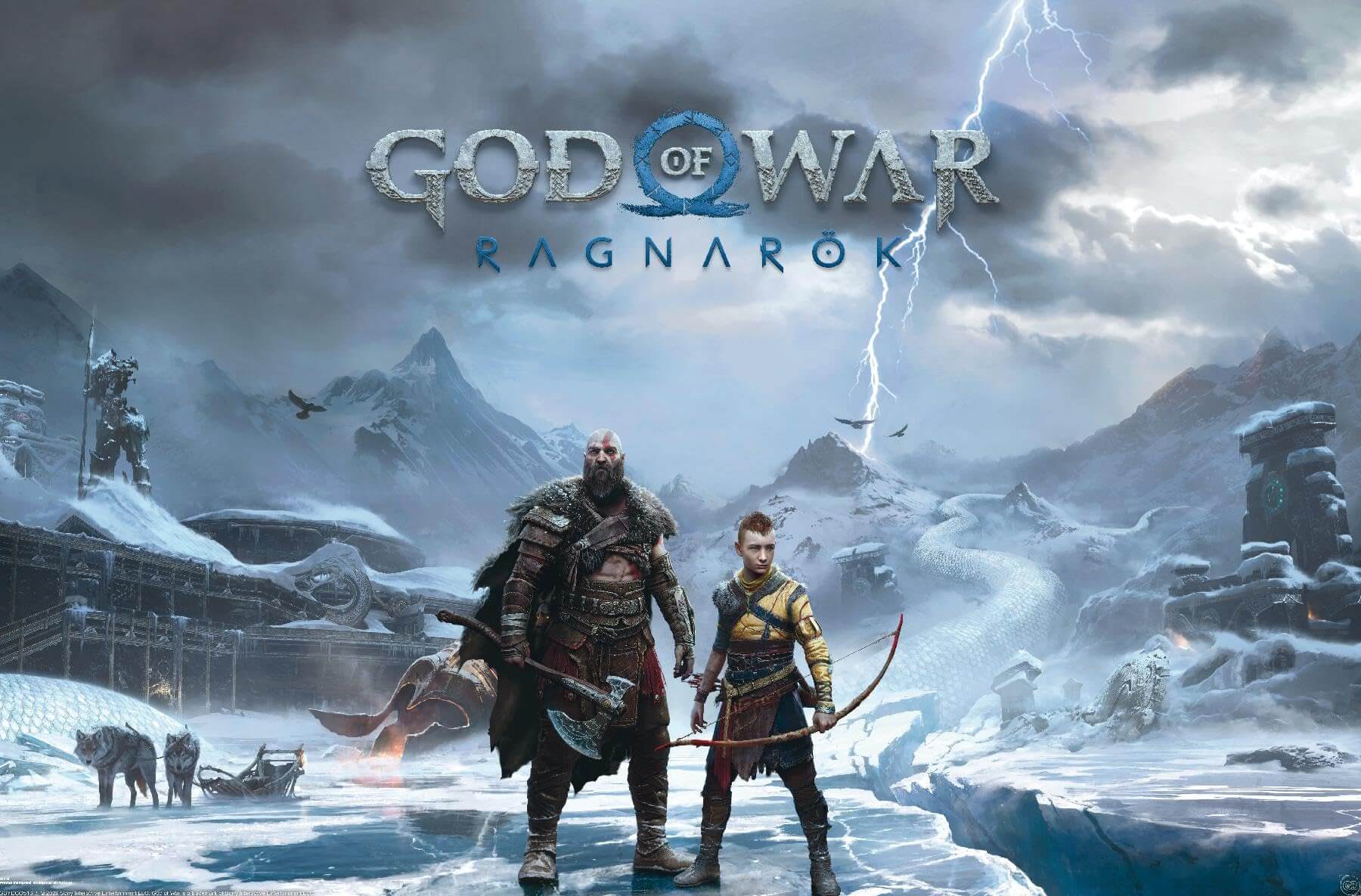
God of War Ragnarök was released globally on November 9, 2022, for PlayStation 4 and PlayStation 5, following extensive anticipation from fans and critics alike. Upon its launch, the game received widespread critical acclaim, with numerous reviews highlighting its compelling story, character development, and narrative ambition.
The pinnacle of its narrative recognition arrived on December 8, 2022, at The Game Awards. Competing against other strong contenders in the "Best Narrative" category, God of War Ragnarök emerged victorious, solidifying its place as a benchmark for storytelling in the video game industry. This was one of several accolades the game received at the event, including Best Action/Adventure Game, Best Performance (Christopher Judge as Kratos), and Innovation in Accessibility, among others. Beyond The Game Awards, Ragnarök‘s narrative prowess was further acknowledged by organizations like the British Academy Games Awards (BAFTA), where it also garnered nominations and wins for its storytelling and character work, and the D.I.C.E. Awards. This consistent recognition across various prestigious awards bodies underscores the universal appreciation for the game’s narrative quality.
The Grounding of Gods: Themes and Character Arcs
At its core, God of War Ragnarök is not merely about stopping the end of the world; it is a profound exploration of personal transformation, the nature of fate, and the bonds that define humanity, even among gods. The game picks up with Fimbulwinter enveloping Midgard, heralding the advent of Ragnarök. Kratos and Atreus embark on a perilous quest across the Nine Realms, seeking answers, allies, and the elusive god Týr, all while navigating their complex relationship and the looming prophecy that threatens to tear them apart.
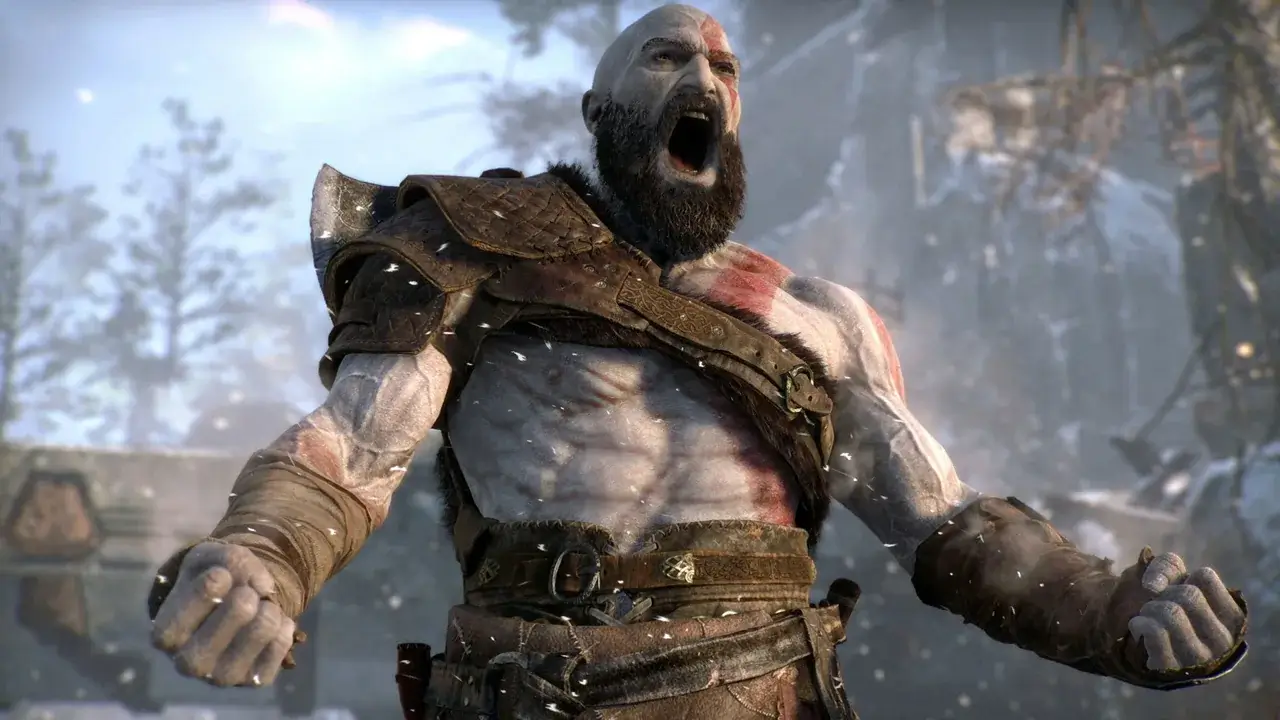
The central thematic conflict revolves around the choice between safety and responsibility – "choosing between your safety and the safety of the realms." Kratos, haunted by his past and desperate to prevent his son from repeating his destructive cycle, grapples with the weight of his legacy and the possibility of change. His journey is one of continued redemption, learning to trust, to lead with wisdom rather than just might, and to embrace the vulnerable aspects of fatherhood. Atreus, meanwhile, is on a path of self-discovery, grappling with his identity as Loki, his prophetic destiny, and his desire to forge his own path, often clashing with Kratos’s protective instincts.
Other characters significantly contribute to these themes. Freya’s arc, transitioning from a vengeful enemy consumed by grief over her son Baldur’s death to a vital ally, illustrates the arduous journey of healing and forgiveness. The dwarven brothers Brok and Sindri, while offering comic relief and essential services, also embody themes of brotherhood, loss, and the devastating impact of war. Even antagonists like Thor and Odin are presented with layers of complexity, showcasing how power corrupts and the deep-seated flaws that drive their actions. The narrative effectively humanizes these mythological figures, allowing players to empathize with their struggles and motivations, irrespective of their divine status.
The Art of Dialogue: Making Gods Speak Like People
A cornerstone of God of War Ragnarök‘s narrative success is its masterful dialogue. Studio representatives and lead writers have often articulated their vision for creating conversations that sound authentic and emotionally resonant, rather than grandiloquent pronouncements typically associated with deities. This approach makes even the most intense and pivotal scenes feel grounded, enabling players to connect deeply with the characters’ internal struggles and relationships.
The dialogue achieves this grounding effect through several key elements:
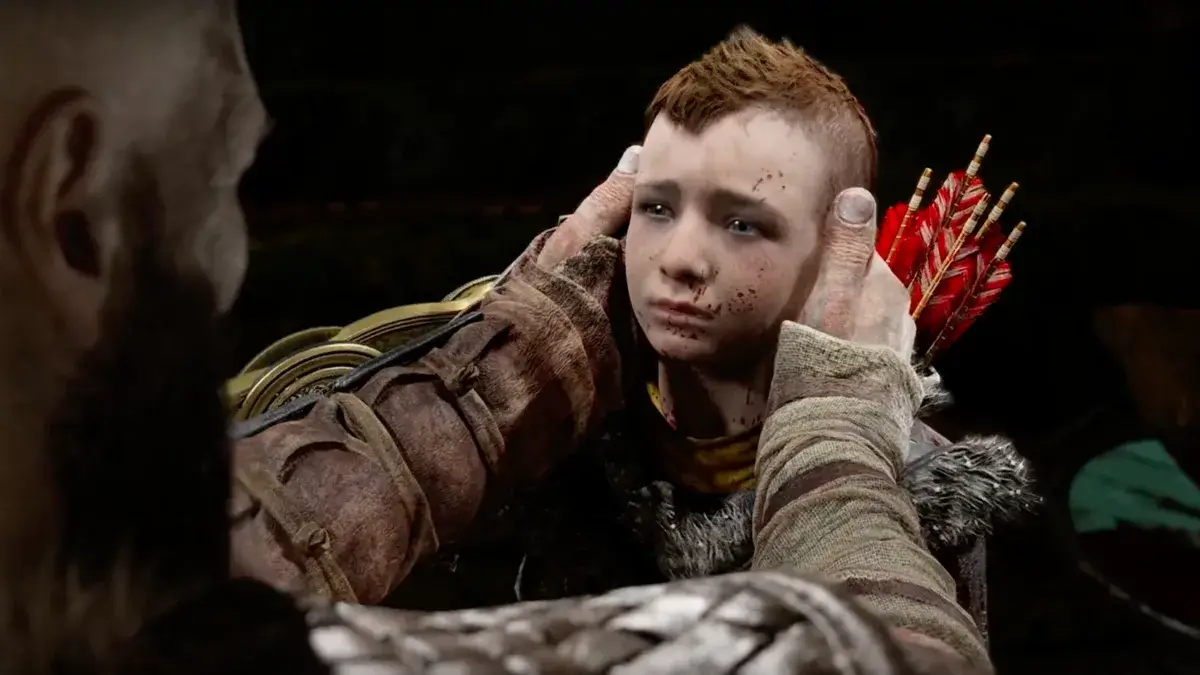
- Authenticity: Conversations often unfold with natural pauses, hesitations, and interruptions, mimicking real human interaction. This lends a raw, unscripted quality to exchanges, even when discussing world-ending events.
- Subtext and Nuance: Much is conveyed not just by what is said, but how it is said. Kratos’s signature bluntness often masks deeper emotions and paternal anxieties, while Atreus’s youthful impulsiveness is tempered by moments of surprising insight.
- Emotional Resonance: The writing consistently delves into the emotional core of each character. Whether it’s Kratos’s quiet affirmations, Atreus’s passionate arguments, Freya’s expressions of sorrow and defiance, or Mimir’s sagely advice, the dialogue effectively communicates a wide spectrum of feelings.
- Character Voice: Each character possesses a distinct voice that reflects their personality, experiences, and cultural background within the Nine Realms. This consistency helps players quickly identify and understand character motivations.
- World-Building and Lore: Beyond character interactions, the dialogue is also a powerful tool for world-building, with Mimir’s endless stories, Freya’s explanations of Vanir magic, and conversations about the history of the realms seamlessly integrating lore into the narrative flow.
The exceptional performances by the voice cast are indispensable to this achievement. Christopher Judge’s portrayal of Kratos imbues the character with a gruff tenderness, his deep voice conveying both immense power and profound vulnerability. Sunny Suljic as Atreus captures the spirit of a curious, headstrong teenager grappling with an extraordinary destiny. Danielle Bisutti as Freya delivers a performance rich with pain, fury, and eventual grace. The synergy between the writing and the voice acting elevates the dialogue from mere exposition to a powerful vehicle for emotional storytelling.
Broader Impact and Implications for Gaming Narrative
God of War Ragnarök‘s narrative success has significant implications for the broader video game industry. It reinforces the idea that compelling storytelling, intricate character development, and expertly crafted dialogue are not just secondary elements but can be central pillars of a blockbuster AAA title. The game demonstrates that players seek experiences that offer not only thrilling gameplay but also emotional depth and thematic richness.
Its critical and commercial success sets a high bar for future narrative design in action-adventure games, particularly those that draw upon established mythologies or expansive lore. It suggests a growing demand for narratives that explore complex human conditions within fantastical settings, moving beyond simplistic good-vs-evil dichotomies to embrace moral ambiguities and personal growth. The game’s approach to dialogue, prioritizing naturalism over grandiosity, could influence how future developers craft character interactions, encouraging more authentic and relatable exchanges.
Ultimately, God of War Ragnarök stands as a masterclass in video game storytelling. Its ability to weave a sprawling mythological epic with an intimate, human drama through nuanced characters and exceptional dialogue has not only garnered numerous accolades but has also left a lasting impression on players, proving that even gods can feel incredibly real when their words resonate with the universal truths of the human experience. As the industry continues to evolve, Ragnarök‘s narrative achievements will undoubtedly serve as a guiding light for developers striving to create truly unforgettable and deeply moving interactive stories.
About the Author