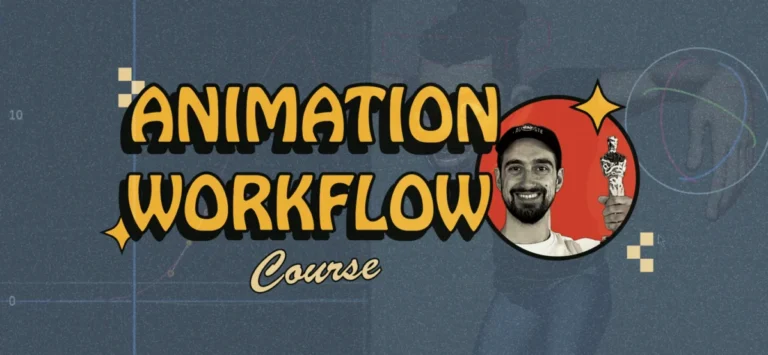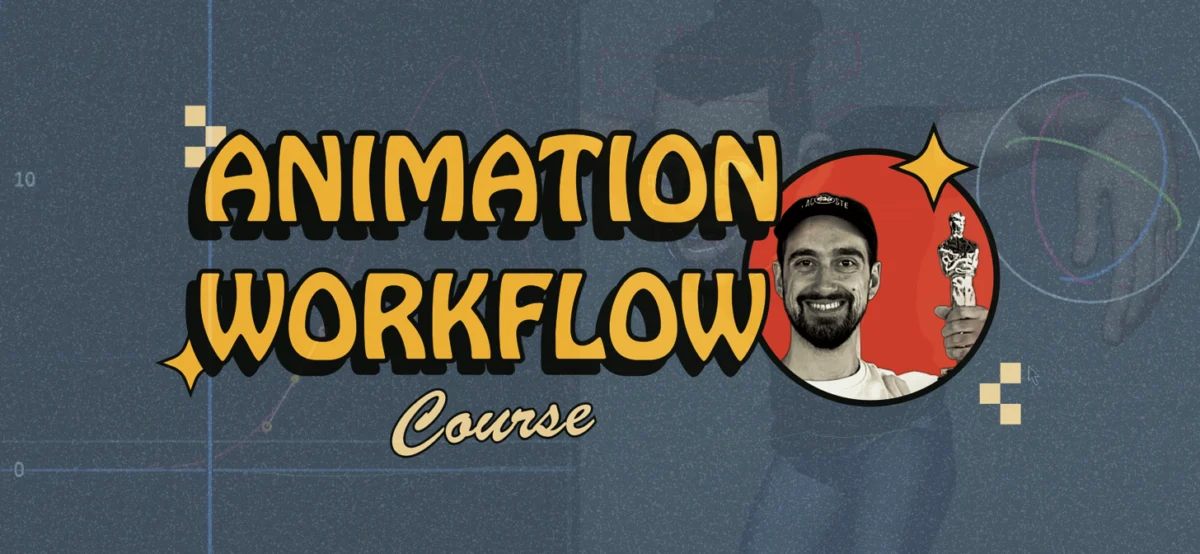
Vallen Koscheev, a distinguished Animation Supervisor with a portfolio boasting Oscar-nominated and Oscar-winning feature films, has officially launched a comprehensive animation workflow course. This in-depth educational program aims to demystify the complete production pipeline that Koscheev has honed and consistently applied throughout his illustrious career, which includes contributions to major Hollywood productions such as Hotel Transylvania 4, Spider-Man: Across the Spider-Verse, and the Academy Award-winning K-Pop Demon Hunters. The course is specifically designed for seasoned animators, freelancers, and professionals seeking to significantly enhance their speed, creative decision-making, and overall control of their animation process.
The announcement marks a significant moment for the Blender community, as Koscheev’s journey began over a decade ago within the open-source 3D creation suite. His early work, shared as short films created in his spare time, laid the foundation for a career that has seen him ascend to one of the most respected roles in animation supervision. This personal connection to Blender and its community forms the emotional and motivational core of his decision to share his proprietary workflow.
A Journey Rooted in Community and Passion
Koscheev’s narrative is a testament to the power of dedication and community support in the digital art landscape. His early explorations in Blender, exemplified by notable short films like "Fred" (2013), "Cup of Coffee" (2016), and "I Sculpt…" (2020), served as a proving ground for his developing skills. These projects, initially shared with the BlenderNation audience, garnered attention and feedback that, according to Koscheev, played a crucial role in his growth.
"Over a decade ago, I started my animation journey right here in Blender, creating short films in my spare time as a hobby and sharing them with this community," Koscheev stated in his announcement. "I never imagined where that passion would lead." This sentiment underscores a recurring theme in the digital arts and open-source movements: the transformative potential of accessible tools coupled with dedicated user engagement.
The transition from a hobbyist animator to a leading professional in the film industry is a trajectory that few achieve. Koscheev’s career progression highlights the increasing viability of Blender as a professional tool, capable of contributing to projects of the highest caliber. While he acknowledges that much of his professional work has been executed using industry-standard software like Maya, he has meticulously adapted his workflow principles to be universally applicable within Blender.
The "Koscheev Workflow": A Blueprint for Professional Animation
The core of Koscheev’s new course is the complete animation workflow he has developed and refined. This methodology, he asserts, is the consistent thread that has guided him through every shot he has animated on major film projects. The program promises to guide participants from the initial stages of conceptualization and planning through blocking, character performance, and the final stages of polishing.
A key feature of the course is its dual-application approach, offering custom hotkeys and animation demonstrations in both Blender and Maya. This strategy aims to bridge the gap between different software ecosystems and ensure that the underlying principles of animation are transferable, regardless of the user’s preferred software. The lectures themselves are designed to be universally applicable, focusing on the fundamental art and science of animation rather than software-specific tricks.
The course is explicitly positioned for experienced animators, not beginners. Koscheev’s rationale is that the content delves into advanced strategies and efficiencies that can only be fully appreciated and implemented by those already possessing a foundational understanding of animation principles. The target audience includes professional animators working in studios, independent freelancers looking to streamline their output, and serious students of animation aiming to elevate their craft to an industry-standard level.
Supporting Data and Industry Context
The demand for skilled animators remains robust, driven by the ever-growing global animation and visual effects (VFX) industry. Market research consistently indicates a steady upward trend in this sector. For instance, reports from firms like Grand View Research have projected the global animation and VFX market to reach substantial figures, with a compound annual growth rate (CAGR) that underscores continued expansion. This growth is fueled by increased demand from film, television, gaming, and advertising sectors, all of which require sophisticated character animation and visual storytelling.
The emphasis on workflow efficiency and speed, as highlighted by Koscheev, is a critical factor in this competitive landscape. Studios are constantly seeking ways to optimize production pipelines to meet tight deadlines and budgetary constraints while maintaining high artistic quality. Animators who can demonstrate a clear, efficient, and adaptable workflow are highly sought after. Koscheev’s course directly addresses this need by providing a proven system that can potentially reduce production time and improve the quality of animated output.
Furthermore, the increasing capabilities of open-source software like Blender have democratized access to professional-grade tools. Once considered primarily for hobbyists and independent creators, Blender has seen significant adoption in professional pipelines, including those of major studios. This evolution has created a demand for training that bridges the gap between Blender’s capabilities and industry-standard workflows, a niche that Koscheev’s course appears poised to fill.
Chronology of Koscheev’s Animation Journey and Course Development
The timeline of Vallen Koscheev’s career provides a compelling backdrop to his new course:
- Early 2010s: Koscheev begins his animation journey in Blender, creating short films and sharing them with the Blender community. Projects like "Fred" (2013) emerge during this period, showcasing early talent and passion.
- Mid-2010s: Continued exploration and refinement of animation skills. "Cup of Coffee" (2016) represents a step forward in his short film portfolio. During this time, he likely began to transition from hobbyist to more serious pursuits, possibly freelancing or working on smaller projects.
- Late 2010s – Early 2020s: Koscheev achieves significant professional milestones, contributing to major Hollywood productions. His involvement in films like Hotel Transylvania 4 and Spider-Man: Across the Spider-Verse solidifies his position as a high-caliber animator. The Academy Award win for K-Pop Demon Hunters marks a peak in his professional achievements.
- Early 2020s: As Koscheev ascends to the role of Animation Supervisor, he begins to consolidate his extensive experience into a teachable methodology. The idea of sharing his workflow, rooted in his early Blender days, takes shape.
- Present Day: Vallen Koscheev launches his comprehensive animation workflow course, making his decade-honed expertise accessible to a wider audience of professional and aspiring animators. The course is available on platforms that cater to digital art education, leveraging the extensive reach of online learning.
Expert Perspectives and Industry Implications
While specific statements from other industry professionals regarding Koscheev’s course are not yet publicly available, the general sentiment within the animation community regarding such educational initiatives is overwhelmingly positive. The sharing of knowledge, particularly from highly experienced individuals, is crucial for the advancement of the art form and the professional development of its practitioners.
The implications of Koscheev’s course extend beyond individual skill enhancement. By providing a detailed and practical workflow, he is contributing to the ongoing professionalization of Blender users. This can lead to:
- Increased Blender Adoption in Professional Pipelines: As more animators master industry-standard workflows within Blender, its viability as a primary tool for feature film and high-end animation production is likely to increase.
- Democratization of High-Quality Animation Education: Koscheev’s approach makes advanced techniques and strategies accessible, potentially lowering the barrier to entry for ambitious animators who may not have had access to traditional, expensive animation schools.
- Innovation and Efficiency: The sharing of proven methodologies can inspire new approaches and foster a culture of continuous improvement within the animation industry. Animators equipped with robust workflows are better positioned to experiment and innovate.
- Economic Empowerment for Freelancers: For freelance animators, a more efficient and controlled workflow can translate directly into increased productivity, higher earning potential, and greater client satisfaction.
Koscheev’s decision to share his "complete workflow" is not merely an act of education but a strategic contribution to the evolution of digital animation practices. It underscores a commitment to nurturing talent and fostering growth within the very community that supported his early endeavors. As the animation industry continues its rapid expansion and technological evolution, such initiatives play a vital role in shaping its future.
About the Author