The recent conclusion of Ludum Dare 56 on October 7th, 2024, marked another significant milestone in the global game development community, challenging participants to conceptualize and execute playable games within the tight constraints of a 48-hour Compo or a 72-hour Jam, all centered around the evocative theme of "Tiny Creatures." This biannual event consistently draws thousands of developers from around the world, fostering an environment of rapid prototyping, creative problem-solving, and community collaboration. With over 800 distinct titles tagged "Ludum Dare 56" having emerged on the itch.io platform in the two weeks following the jam, the sheer volume and diversity of submissions underscore the enduring appeal and productive output of this venerated competition. Following an initial review, itch.io has unveiled a second curated selection of recommended games, offering further insight into the innovative ways developers interpreted the core theme.
The Phenomenon of Ludum Dare: A Crucible for Creativity

Ludum Dare, Latin for "to give a game," is one of the longest-running and most influential game jam events globally, having commenced in 2002. Held twice a year, it serves as a critical incubator for aspiring and established game developers alike, pushing them to transform abstract concepts into interactive experiences under intense time pressure. The event is structured into two main tracks: the Compo, a solo 48-hour challenge where all assets must be created during the jam, and the Jam, a 72-hour track allowing teams and pre-existing assets. This dual structure caters to different participation styles while maintaining the core ethos of rapid development. Over its two-decade history, Ludum Dare has been responsible for the genesis of countless game ideas, many of which have evolved into commercially successful titles or served as foundational prototypes for larger projects. The event’s impact extends beyond individual games, significantly contributing to skill development, portfolio building, and the fostering of a vibrant, supportive indie game development ecosystem.
The "Tiny Creatures" theme for Ludum Dare 56 proved to be particularly fertile ground for imaginative interpretations. From microscopic organisms influencing grand cosmic narratives to diminutive characters navigating oversized worlds, developers explored the theme through diverse genres and mechanics. This elasticity in interpretation is a hallmark of successful game jam themes, allowing for both literal and abstract applications, thereby ensuring a wide array of creative outcomes. The impressive submission count on itch.io, a platform renowned for its support of independent game creators and game jams, highlights its central role as a repository and discovery engine for these rapid-fire creations.
Itch.io’s Role in Showcasing Indie Innovation

As a premier digital storefront and community for independent games, itch.io plays a pivotal role in the Ludum Dare ecosystem. Its robust tagging system and developer-friendly publishing tools make it an ideal platform for participants to upload, share, and gather feedback on their jam entries. The platform’s commitment to highlighting emerging talent is evident in its regular curated lists and blog posts, such as this one, which serve to elevate visibility for innovative projects that might otherwise get lost in the deluge of new content. A spokesperson for itch.io, commenting on the recent event, stated, "We are consistently inspired by the creativity and technical prowess demonstrated by developers participating in Ludum Dare. The ‘Tiny Creatures’ theme for LD56 yielded an exceptional collection of games, showcasing incredible ingenuity under pressure. Our recommendations aim to provide a spotlight for these remarkable achievements, connecting players with unique and experimental experiences." This statement underscores itch.io’s dedication to nurturing the indie game scene and facilitating discovery.
A Deeper Look at Ludum Dare 56’s Standout Titles (Part 2)
Following an initial round of recommendations, itch.io has compiled a second list of games that stood out for their innovative mechanics, thematic interpretation, or polished execution within the demanding timeframe. These selections represent a fraction of the over 800 games submitted, yet collectively illustrate the breadth of creativity spurred by Ludum Dare 56.

-
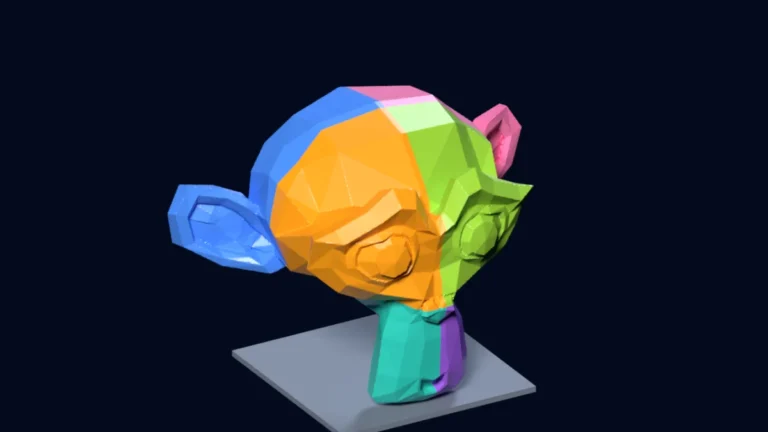
Creature Packets: Developed with a distinct PS1-era aesthetic, Creature Packets offers a darkly whimsical take on the "Tiny Creatures" theme through a cooking simulation lens. Players are tasked with bringing various creatures to life from packets using a microwave, then experimenting with a blender to discover new "substance packages" that unlock even more creature varieties. This unique blend of retro visuals, experimental gameplay, and a slightly unsettling premise creates a memorable and engaging experience. The game is currently available for Windows, demonstrating its accessibility to a broad PC gaming audience.
-
Build The Sun: This captivating pixel-art god game invites players to embark on a cosmic journey of exploration, settlement, and expansion. Beginning with a humble fire, players must nurture their tiny world by gathering resources, establishing settlements, and progressively upgrading their elemental flame until it ascends to the status of a celestial body – the Sun itself. Build The Sun cleverly interprets the theme by starting small and scaling up to astronomical proportions, offering a sense of growth and progression that belies its jam origins. Its availability across Windows, macOS, and Linux platforms ensures wide accessibility.
-
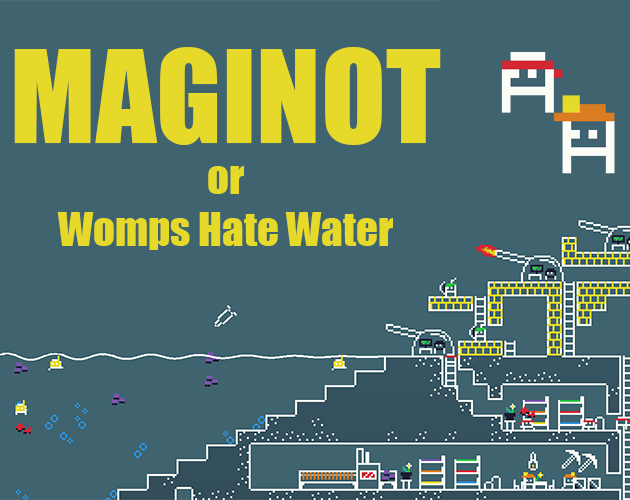
Maginot: An incremental colony builder with a unique premise, Maginot challenges players to establish and expand a subterranean colony while simultaneously battling the relentless encroachment of the sea. Players must dig deep into the earth to extract precious minerals, construct infrastructure, and attract new "Womps" to their burgeoning settlement. The ultimate objective is to "obliterate the sea," a grand and ambitious goal for a game born from a jam. Its browser-based accessibility makes it instantly playable for anyone with an internet connection, highlighting the versatility of web-based game development.
-
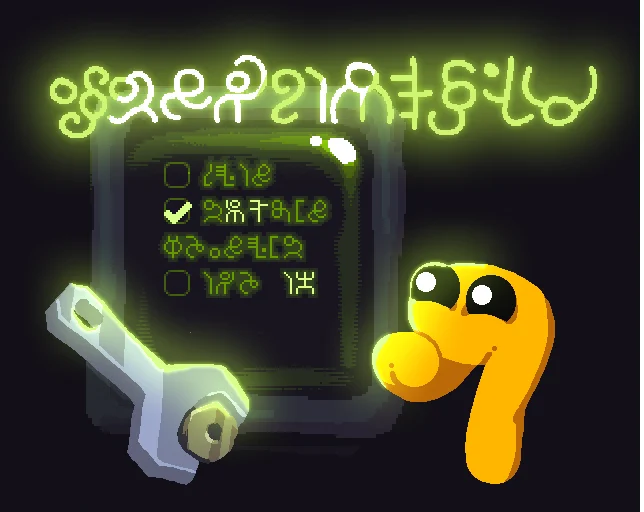
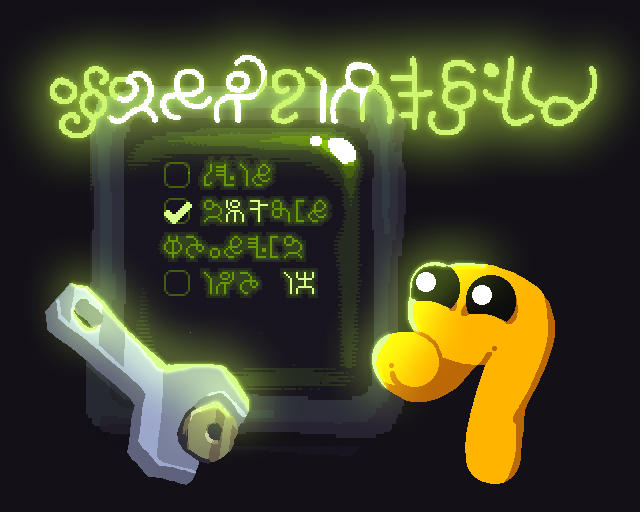
Headquarters: This mysterious point-and-click simulation game plunges players into the intricate task of deciphering an alien alphabet. Headquarters stands out for its intellectual challenge and enigmatic atmosphere, requiring keen observation and deductive reasoning. The game’s abstract interpretation of "tiny creatures" could refer to the minute elements of language or the subtle, emergent intelligence within the simulation itself. Available for browser play, Windows, Linux, and macOS, it reaches a diverse audience across multiple operating systems.
-
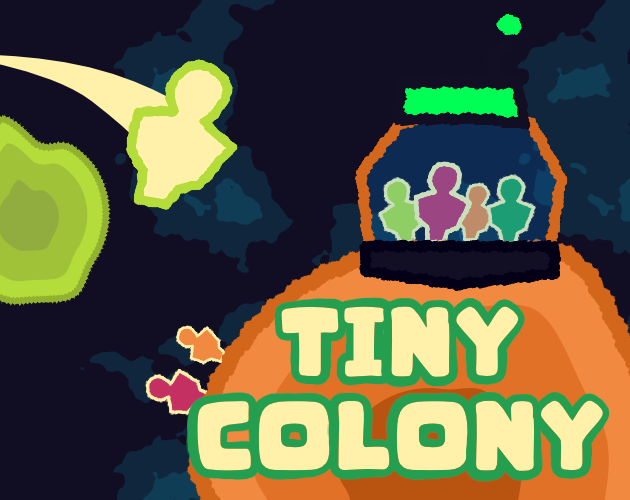
Tiny Colony: Embracing the literal interpretation of the theme, Tiny Colony is a physics-based colonization game that employs an "interplanetary slingshot system™." Players launch their diminutive creatures across the void of space, utilizing planetary gravity to their advantage while carefully navigating around obstacles and the endless vacuum. The game’s blend of strategic planning and arcade-like physics makes for a compelling experience. Its broad availability on browser, Windows, Linux, and Android platforms speaks to its widespread appeal and technical versatility.
-
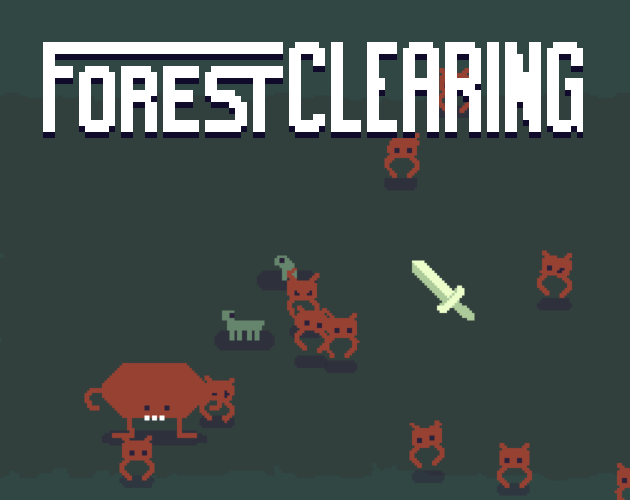
FOREST CLEARING: Presenting a darkly humorous take on resource management and survival, FOREST CLEARING puts players in a moral quandary: protect their small forest friends, or harvest them for meat. Wielding a sword, players must defend their tiny companions, but their inevitable demise yields resources that can be used to purchase upgrades, creating a cyclical gameplay loop. This game pushes the boundaries of player agency and ethical choice within a constrained environment. Playable in browsers and on Windows, it offers immediate engagement.
-
Please Find Them: A classic hidden object game with a narrative twist, Please Find Them tasks players with embodying an exterminator hired to locate small creatures that have mysteriously shrunk within people’s homes. The game leverages the "Tiny Creatures" theme by making the objects of search literally diminutive and challenging to spot, requiring meticulous scanning of detailed environments. This straightforward yet engaging puzzle experience is accessible via web browsers, allowing for quick, casual play sessions.
-
Fear of the Ungnome: This first-person exploration and puzzle game embarks players on a whimsical quest to find a Great Aunt’s elusive gnome. Fear of the Ungnome incorporates procedurally generated elements, ensuring a fresh experience with each playthrough. The procedural generation adds significant replayability and depth, a remarkable feat for a game developed within a jam timeframe. Its availability on both browser and Windows platforms expands its reach.
-
Mini Beasts: A colorful and engaging puzzle game, Mini Beasts challenges players to rearrange various critters to match their colors. This title offers a straightforward yet addictive gameplay loop, appealing to fans of classic tile-matching or block-shifting puzzles. The vibrant art style and intuitive mechanics make it an approachable and enjoyable interpretation of the "Tiny Creatures" theme. As a browser-based game, it offers instant access and broad compatibility.
-
Vox Regis: A unique medieval strategy game, Vox Regis casts players as a king whose primary task is to maintain power by creating chaos and keeping rebellious groups small. The innovative mechanic here is the use of voice control to "lay blame" on various factions, manipulating the populace to prevent any single group from growing too powerful. This creative use of voice input offers a fresh perspective on strategy gameplay and directly engages the player in the role-playing aspect. Available on browser, Windows, macOS, and Linux, Vox Regis showcases innovative input methods in jam development.
Broader Impact and Implications for Indie Game Development
The continuous output from events like Ludum Dare, and platforms like itch.io that champion them, has profound implications for the broader independent game development landscape. Firstly, game jams serve as vital proving grounds for new mechanics and artistic styles. The time constraints necessitate ingenuity and often lead to unconventional solutions that might not emerge in longer development cycles. Many jam games act as minimal viable products, demonstrating core concepts that can be expanded upon later.
Secondly, these events democratize game development. With accessible tools and supportive communities, individuals from diverse backgrounds can participate, learn, and contribute. The barrier to entry is significantly lowered, fostering a more inclusive and innovative environment. The sheer volume of games created in Ludum Dare 56, for instance, means a vast pool of fresh ideas and emerging talent.
Thirdly, the community aspect is invaluable. Developers collaborate, share feedback, and build networks, which are crucial for long-term career growth in the industry. The post-jam period, where games are played, rated, and discussed, is as important as the development phase itself, providing critical insights and encouragement.
Finally, the visibility provided by platforms like itch.io for these jam games is critical. It ensures that innovative projects do not remain obscure but are discovered by players and potentially by publishers or investors. This ecosystem of rapid creation, community feedback, and platform support is a powerful engine for innovation in the indie game sector.

The conclusion of Ludum Dare 56 and the subsequent outpouring of creative interpretations of the "Tiny Creatures" theme underscore the vibrant health and boundless ingenuity of the global game development community. From quirky cooking simulators to strategic cosmic endeavors and voice-controlled medieval politics, the games highlighted by itch.io represent just a fraction of the talent on display. These events continue to be fundamental in shaping the future of interactive entertainment, fostering new talent, and pushing the boundaries of what is possible in game design. Developers and players alike are encouraged to explore the full range of Ludum Dare 56 entries on itch.io, engage with the creators, and discover their own hidden gems among the hundreds of innovative titles. The next Ludum Dare is already anticipated, promising yet another wave of ingenious creations from the world’s most dedicated game developers.
About the Author