The digital storefront itch.io has unveiled a comprehensive suite of platform enhancements, rolling out significant updates across its core functionalities. These improvements, detailed in the latest changelog, include a sophisticated Sale Explorer, a complete overhaul of its bundle hosting system, a modernized jam theme editor, and a rebuilt Patreon integration. These strategic upgrades are poised to significantly impact user experience, developer tools, and overall community engagement, reinforcing itch.io’s position as a vital hub for independent game development and distribution. The updates aim to address long-standing community feedback, streamline creator workflows, and enhance discoverability on the platform, which has become a crucial marketplace for a diverse array of digital projects.
Enhancing Discoverability: The Introduction of the Sale Explorer
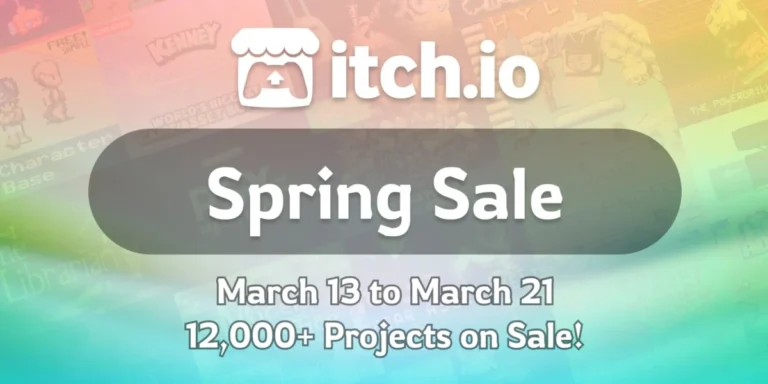
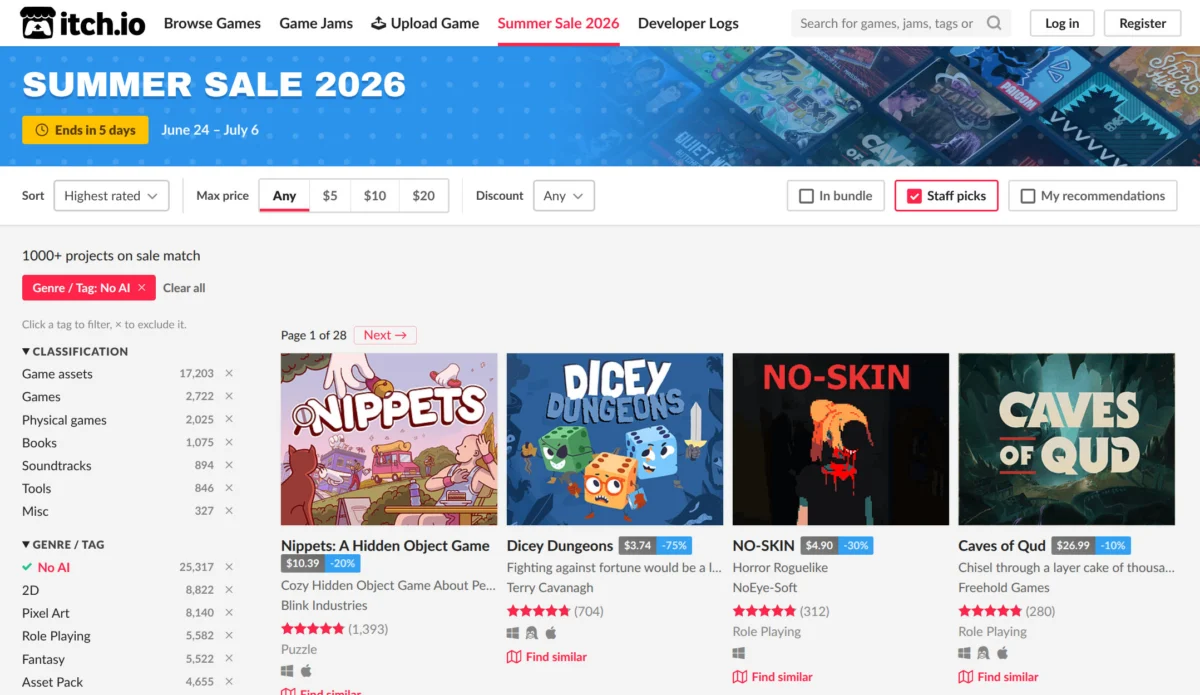
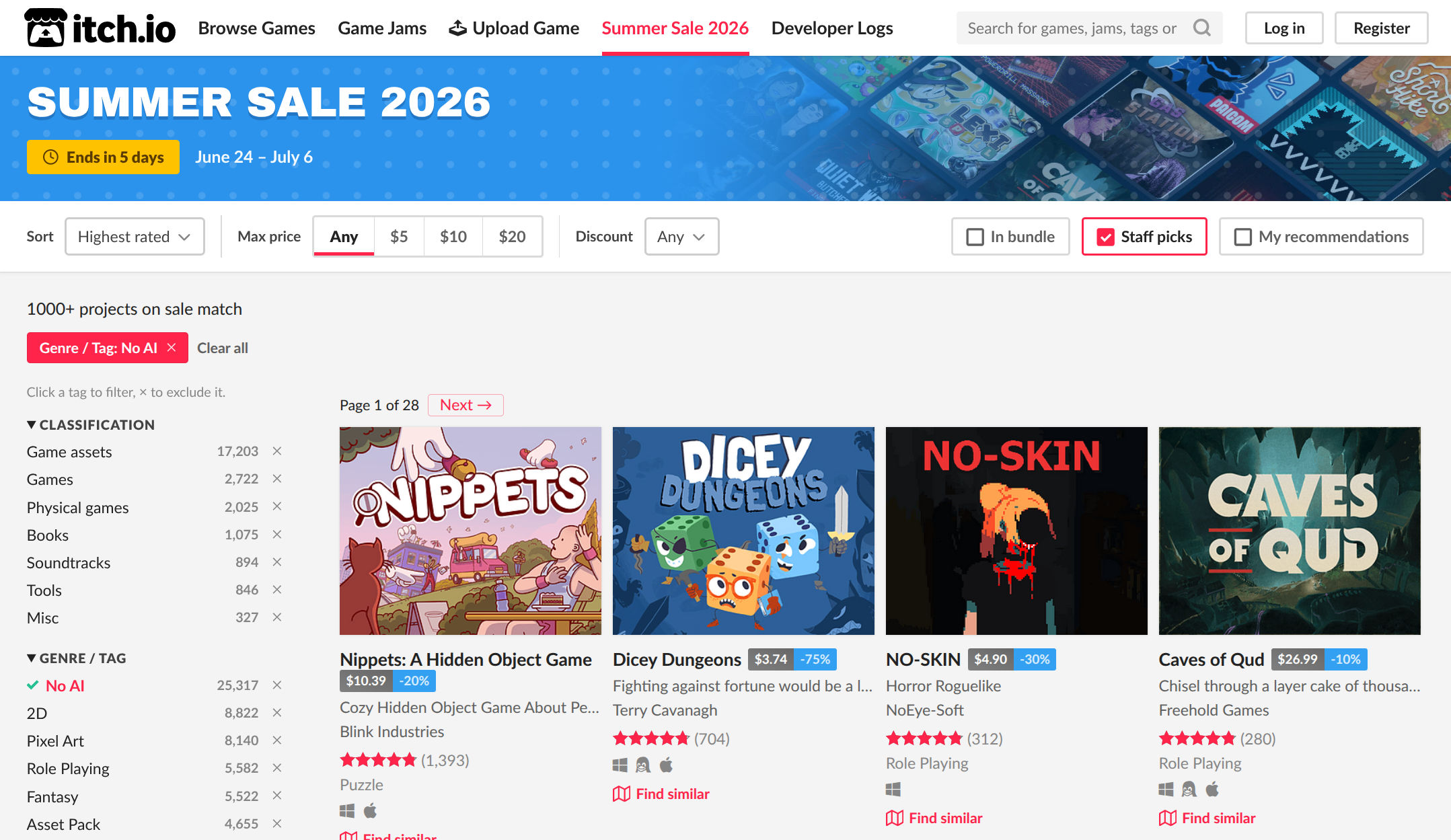
One of the most notable additions is the Sale Explorer, a new browsing interface specifically designed to navigate the often-overwhelming scale of site-wide sales. Launched concurrently with the ongoing Summer Sale, which features over 30,000 discounted projects and runs until July 6th, the Sale Explorer addresses a critical challenge faced by users on large digital marketplaces: finding relevant content amidst a vast catalog.
Historically, browsing massive sales on any platform can be a daunting task, with users often relying on basic filtering or manual sifting through countless pages. itch.io’s new Sale Explorer provides a more robust and intuitive solution. While specific filter options were not exhaustively listed in the initial announcement, the accompanying imagery and subsequent community discussions suggest a sophisticated array of tools. These likely include enhanced genre and tag filtering, platform compatibility selections (such as Windows, Mac, Linux, and Web, with community queries noting the potential future inclusion of Android), price range sliders, and potentially "find similar" recommendation features that allow users to discover titles analogous to those they already enjoy. The ability to exclude certain genres or tags, as hinted by user feedback, would be particularly valuable for consumers seeking to refine their preferences or avoid specific content types, such as projects utilizing AI-assisted generation.
The implications of the Sale Explorer are multifaceted. For consumers, it translates into a significantly improved browsing experience, enabling more efficient discovery of games, tools, and assets tailored to their specific interests. This enhanced discoverability can reduce purchase fatigue and increase user satisfaction. For developers, particularly those participating in large sales, the Sale Explorer offers increased visibility. By allowing users to pinpoint their interests more precisely, niche titles that might otherwise be buried in a generic list now have a higher chance of being discovered by their target audience. This democratizes exposure beyond just the most popular or heavily promoted titles. Furthermore, itch.io has indicated plans to integrate many of these advanced browsing functionalities into its standard browse pages, suggesting a long-term commitment to improving overall content navigation across the platform, not just during sale events. This move aligns with broader industry trends focusing on personalized discovery algorithms and user-centric search interfaces.
Revolutionizing Collaborative Projects: The Bundle Hosting Revamp
The platform’s bundle hosting system, a feature that has been a cornerstone of itch.io for over a decade, has undergone a complete overhaul. This significant update is particularly beneficial for organizers of large, collaborative bundles, which often involve dozens or even hundreds of independent creators. Bundles on itch.io have historically served various purposes, from curated collections of themed games to massive charity initiatives, such as the Bundle for Racial Justice and Equality or the Bundle for Ukraine, which raised millions for humanitarian causes.
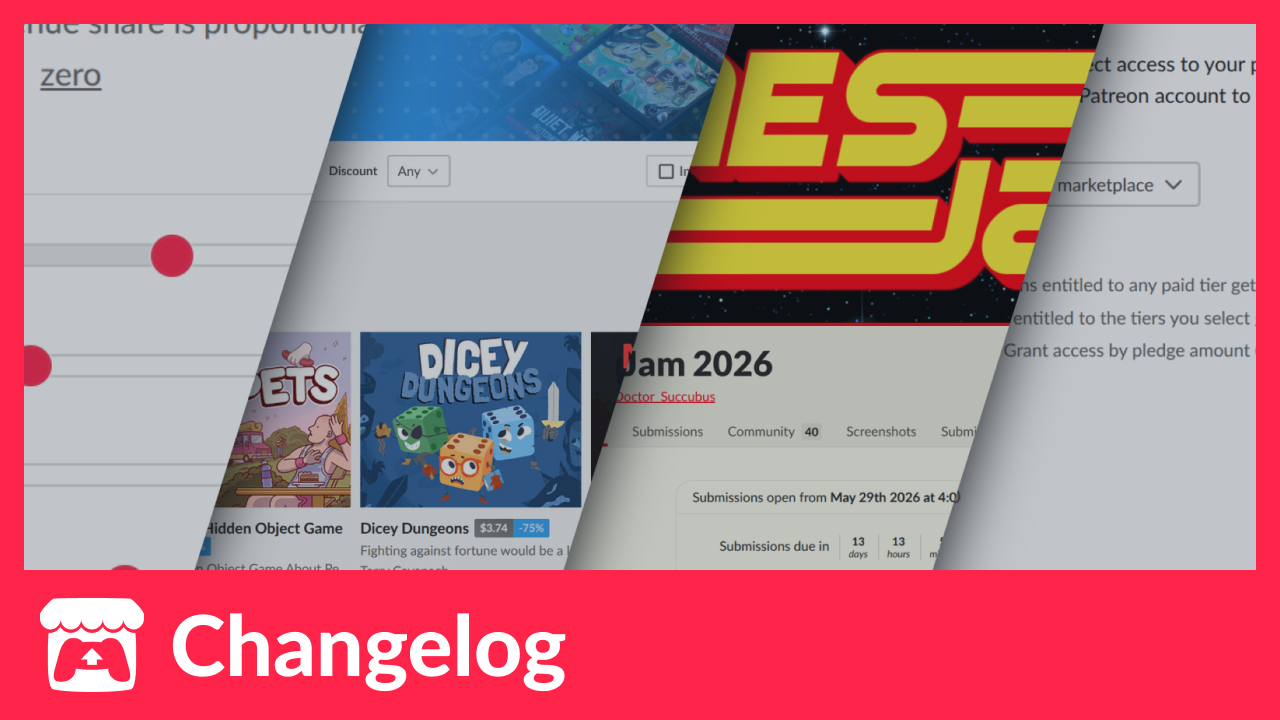
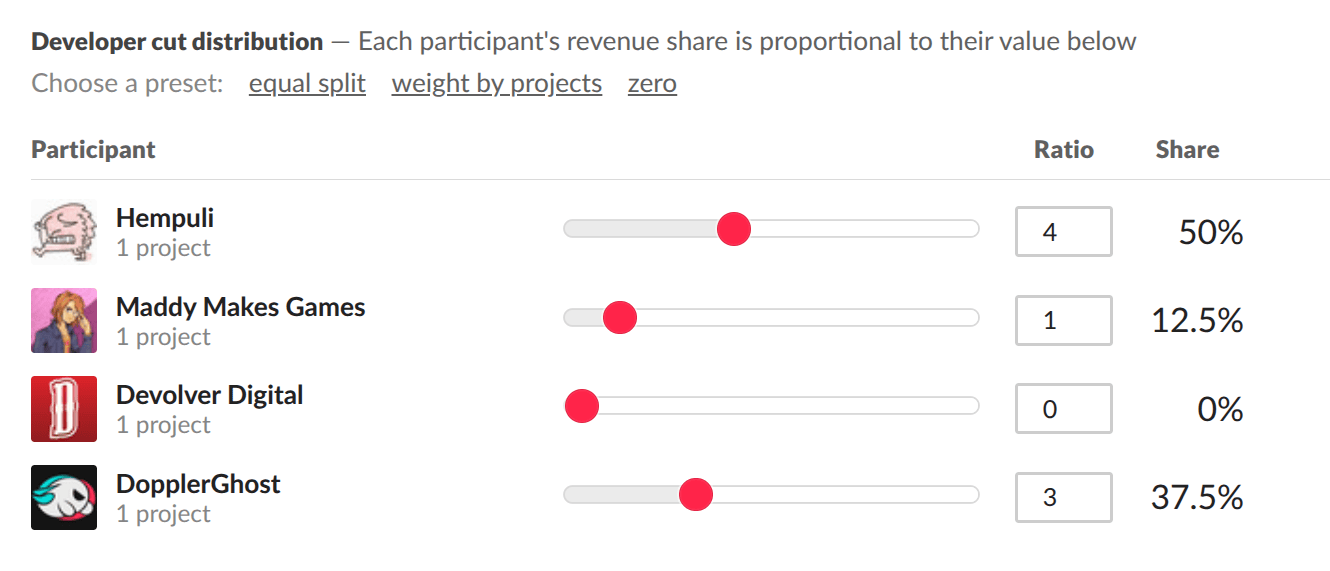
The previous bundle system, while functional, presented administrative challenges, especially as bundles grew in size and complexity. The revamp addresses these pain points by streamlining critical processes. Although the precise new features were not exhaustively detailed, the announcement and accompanying visual cues (like an interface showing "Participants," "Assets," "Revenue Split," and "Messages") strongly suggest improvements in several key areas:
- Participant Management: A more intuitive system for inviting, tracking, and managing contributions from multiple developers. This would likely include clearer workflows for accepting or declining participation and monitoring the status of submitted projects.
- Asset Management: Enhanced tools for collecting, organizing, and verifying the various digital assets provided by participants for inclusion in the bundle.
- Revenue Split and Payouts: A more flexible and transparent mechanism for defining and distributing revenue shares among participants. This is a critical feature for collaborative projects, ensuring fair compensation and reducing the administrative burden of manual calculations. Inferred demand for a per-project revenue split feature, as highlighted by community comments, indicates a clear need for more granular financial control for creators.
- Communication Tools: Improved internal messaging or notification systems to facilitate smoother coordination between the bundle organizer and contributing developers.
The overhaul aims to significantly reduce the administrative overhead for bundle organizers, allowing them to focus more on curation and promotion rather than logistical complexities. For participating developers, it promises a smoother submission process and greater transparency regarding their contributions and potential earnings. The ability for existing pending bundles to leverage these new features by "resetting participation" indicates a forward-compatible design, ensuring that ongoing projects can also benefit from the improvements. This revamp is a testament to itch.io’s commitment to supporting large-scale, community-driven initiatives, which have historically been a significant source of both revenue and exposure for independent creators on the platform.
Modernizing Community Engagement: The Jam Theme Editor Revamp
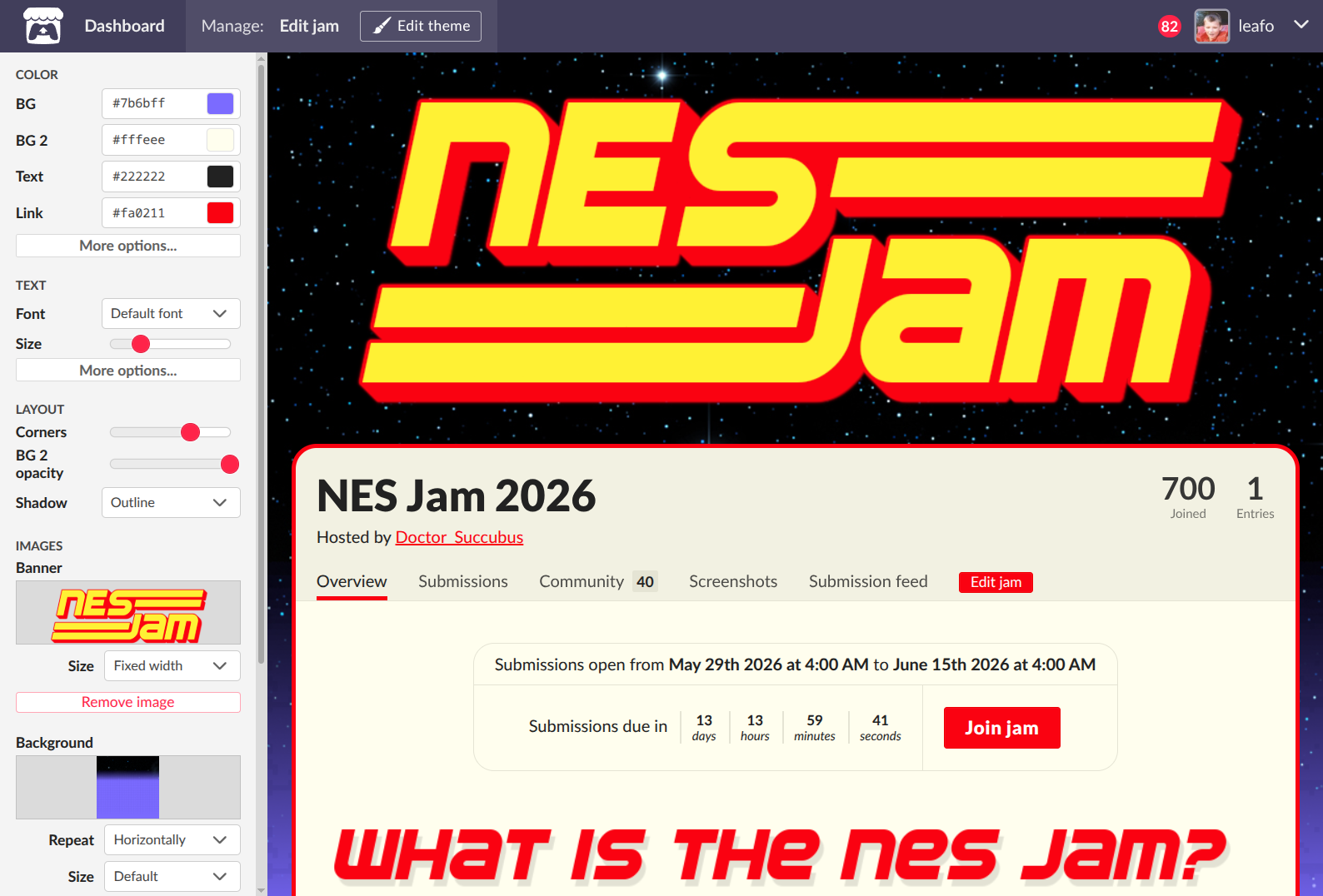
Game jams are a vibrant and integral part of the itch.io ecosystem, fostering creativity, community building, and rapid prototyping within the independent game development scene. To further empower jam hosts and enhance the aesthetic appeal of these events, itch.io has introduced a modernized jam theme editor. This update migrates the jam page customization tools to the same contemporary UI framework used across other parts of the site, ensuring a consistent and user-friendly experience.
The previous jam theme editor, while functional, likely predated some of itch.io’s more recent UI/UX improvements, potentially offering a less intuitive or visually appealing customization experience. The revamp brings a host of new options for hosts to personalize their jam pages, creating a more distinctive and engaging presence for their events. These customization options, inferred from typical theme editor functionalities and the accompanying image, likely include:
- Color Palettes: Extensive controls over primary, secondary, and accent colors to match jam branding.
- Font Selection: Options to choose from a range of fonts for headings and body text, allowing for better typographic expression.
- Background Customization: The ability to upload custom background images or select from predefined patterns and colors.
- Layout Adjustments: Potentially more control over the arrangement and visibility of certain page elements.
A crucial aspect of this revamp is the care taken to preserve existing custom CSS on jam pages. This ensures that hosts who have invested time in bespoke styling for their events will not have their designs disrupted by the update. For those who utilize custom CSS, itch.io has provided detailed information about the underlying markup changes in the announcement post, allowing developers to adapt their stylesheets as needed.
The benefits of this modernization are substantial. Visually appealing and well-branded jam pages can attract more participants, enhance the overall professionalism of the event, and create a more immersive experience for both hosts and participants. It allows jam organizers to inject more personality and thematic consistency into their events, which can be particularly important for fostering a strong sense of community and purpose during intense development periods. This update underscores itch.io’s dedication to supporting its thriving community of creators and event organizers, providing them with the tools needed to host successful and memorable game jams.
Empowering Creators with Enhanced Patreon Integration
Recognizing the growing importance of recurring revenue models for independent creators, itch.io has significantly upgraded its Patreon integration, rebuilding it on Patreon’s more robust V2 API. This enhancement directly addresses several long-standing issues and offers creators more flexible and reliable ways to grant access to their projects based on patron membership.
The previous integration had limitations, primarily granting access based on a flat pledge amount. This system struggled with complexities such as patrons paying in different currencies, leading to discrepancies and administrative headaches for creators trying to ensure equitable access. The new integration resolves these issues by shifting to membership tier-based access, a more logical and robust method aligning with Patreon’s core functionality.
Creators now have three distinct methods to grant access to their projects through Patreon:
- Free for Patrons, Paid for Others: Patrons within specified tiers receive the project for free, while non-patrons can purchase it directly from itch.io.
- Free with Tier-Based Access Only: The project is exclusively available to patrons of specific tiers, with no public purchase option on itch.io. This is ideal for exclusive content.
- Paid with Tier-Based Discounts: Patrons of certain tiers receive a discount on the project’s purchase price, while non-patrons pay the full price. This offers a flexible way to reward patrons without making the content fully exclusive.
Beyond tier-based grants, the new system also boasts improved handling of edge cases that the old integration couldn’t manage. This likely includes more reliable synchronization of patron data, better management of cancelled pledges, and clearer reporting for creators. A key feature retained from the old system is that once a patron claims access to a project, they keep it indefinitely, regardless of their ongoing pledge status. Membership is checked only at the initial grant time, providing a sense of permanence for patrons who have supported a creator.
The implications of this enhanced integration are profound for independent developers relying on crowdfunding and direct patron support. It simplifies the management of digital rewards, reduces potential friction points for patrons, and provides creators with more versatile monetization strategies. By making the Patreon integration more reliable and feature-rich, itch.io further solidifies its appeal to creators seeking sustainable revenue streams outside of traditional publishing models. This update reflects a deep understanding of the creator economy and itch.io’s role in facilitating direct creator-to-consumer relationships, which is a hallmark of the platform’s ethos.
Broader Impact and itch.io’s Strategic Direction
These recent updates collectively underscore itch.io’s ongoing commitment to evolving its platform to meet the dynamic needs of the independent game development community. Unlike larger, more corporate digital storefronts, itch.io has consistently positioned itself as a developer-first platform, known for its flexible terms, low revenue share (often allowing developers to set their own cut), and strong community focus.
The Sale Explorer is not just a browsing tool; it represents an investment in discoverability, a perennial challenge for indie developers on crowded marketplaces. By making it easier for users to find what they want, itch.io indirectly boosts the potential for sales for a wider array of creators, moving beyond the ‘top sellers’ bias. The Bundle Hosting Revamp strengthens the platform’s capacity for collaborative and charitable initiatives, areas where itch.io has historically excelled and demonstrated significant community impact. These bundles often serve as vital funding mechanisms for small teams and important social causes. The Jam Theme Editor enhances the platform’s vibrant game jam culture, a critical entry point for new developers and a continuous source of innovative projects. Finally, the Enhanced Patreon Integration directly supports creator sustainability, acknowledging that recurring revenue is often essential for independent developers to continue their work.
These updates are not isolated features but interconnected parts of a broader strategy to refine the user experience while empowering creators. By continually improving its infrastructure and tools, itch.io reinforces its value proposition: a highly customizable, community-driven ecosystem where independent creators can thrive with greater autonomy and support. The platform’s iterative development approach, often informed by direct community feedback shared through forums and support channels, demonstrates a responsive and engaged development team.
In an increasingly competitive digital distribution landscape, itch.io differentiates itself through its dedication to the unique needs of indie creators and players who value curated, diverse, and often experimental content. The latest changelog illustrates a robust development pipeline focused on practical, impactful improvements that resonate deeply with its core audience. As the platform continues to grow, these enhancements will play a crucial role in maintaining its appeal and fostering an even more dynamic and supportive environment for independent game development. Users and creators are encouraged to engage with the new features and provide feedback through the community forums or support channels, ensuring continued evolution of the platform.
About the Author