The landscape of digital content creation is undergoing a profound transformation, driven by the rapid advancements in artificial intelligence. Amidst this dynamic evolution, LimeWire, a name once synonymous with peer-to-peer file sharing, has re-emerged as a formidable force in the realm of AI-powered content generation and monetization. This revitalized platform offers a unique ecosystem for creators to not only produce AI-generated art, music, and video but also to share, own, and profit from their digital creations through the integration of blockchain technology.
From File Sharing to AI Innovation: A Transformative Journey
The original LimeWire, launched in 2000, became a household name for its controversial role in the widespread distribution of digital media. However, its legacy took a significant turn when the company ceased operations in 2010 due to legal challenges. Fast forward to the present, and the LimeWire brand has been resurrected with an entirely new mission: to democratize AI content creation. This reinvention is not merely a rebranding; it represents a fundamental shift in purpose, aligning with the burgeoning potential of artificial intelligence and the decentralized nature of Web3.
The new LimeWire platform officially launched its AI Studio in 2022, focusing initially on AI image generation. This strategic move positioned the company at the forefront of a rapidly expanding market, where tools capable of generating novel visual content from simple text prompts are gaining significant traction. Industry analysts estimate the generative AI market to reach hundreds of billions of dollars in the coming years, with image generation being a primary driver of this growth. LimeWire’s entry into this space, offering a free tier and competitive pricing for its premium services, aims to capture a significant share of this burgeoning market.
Empowering Creators with Advanced AI Tools
LimeWire AI Studio provides users with a sophisticated suite of tools for creating and editing AI-generated images. The platform supports advanced AI models, including Stable Diffusion 2.1, Stable Diffusion XL, and DALL-E 2, offering a robust foundation for creative expression. Users can leverage these models by inputting text prompts, ranging from simple keywords to highly detailed descriptions, to guide the AI in generating unique visual outputs.
A key differentiator for LimeWire is its seamless integration of various AI models and design styles. This allows creators to effortlessly switch between different AI engines and apply a wide array of aesthetic styles, such as cinematic, digital art, pixel art, anime, and analog film. This flexibility empowers users to explore a vast spectrum of creative possibilities and tailor their creations to specific artistic visions. Beyond prompt-based generation, LimeWire also incorporates features like samplers for fine-tuning image quality and detail, along with customization options and prompt guidance, making the platform accessible to both novice users and experienced digital artists.
The company has also signaled its commitment to continuous innovation by developing its proprietary AI model. This in-house development is expected to further enhance the platform’s capabilities, offering users even more refined and unique image generation features, solidifying LimeWire’s position as a dynamic and evolving player in the AI art space.
The Blockchain Integration: NFTs and Decentralized Ownership
What truly sets LimeWire apart from many other AI content generation platforms is its deep integration with blockchain technology, specifically through the automatic minting of creations as Non-Fungible Tokens (NFTs). Upon completing a creative work, users have the option to publish it, and LimeWire facilitates the seamless minting of that creation as an NFT on either the Polygon or Algorand blockchain. This process imbues the digital artwork with a unique digital signature, verifying its authenticity and establishing verifiable ownership in a decentralized digital realm.
This NFT integration offers creators several significant benefits. Firstly, it provides a clear and immutable record of ownership, crucial in the digital age where content can be easily copied. Secondly, it unlocks new avenues for monetization and community engagement. Creators can choose to make their NFT creations public, allowing them to be discovered and traded within the LimeWire ecosystem and potentially beyond. This opens up opportunities for collectors and fans to acquire unique digital assets.
Furthermore, LimeWire empowers creators with granular control over the accessibility of their NFT content. They can opt for a public release, fostering wider engagement and the potential for secondary market sales, or they can choose to share their work exclusively with their premium subscribers. This tiered access model allows creators to build more intimate relationships with their most dedicated fans while still offering broader content to the wider community.
Monetization Models: Earning Revenue in the Digital Economy
LimeWire has implemented a multi-faceted monetization strategy designed to empower creators and foster a sustainable ecosystem. Beyond the potential revenue generated from NFT sales, creators can also earn ad revenue from their published content. When users view images, music, or videos on the LimeWire platform, the creator receives a significant portion of the ad revenue generated from those views. This model is particularly beneficial for artists who are experimenting with AI content generation tools, allowing them to earn a passive income while sharing their creations.
The revenue earned by creators is distributed in the form of LMWR tokens, LimeWire’s native cryptocurrency. These tokens are designed to be liquid and tradable on major cryptocurrency exchanges such as Kraken, ByBit, and UniSwap, providing creators with flexibility in how they manage their earnings. Additionally, LMWR tokens can be used to pay for prompts when utilizing LimeWire’s generative AI tools, creating a circular economy within the platform. This token-based reward system incentivizes creation and engagement, fostering a vibrant community of artists and collectors.
Moreover, LimeWire’s NFT model includes a creator royalty mechanism. Creators earn a 2.5% royalty on every subsequent trade of their content, ensuring they benefit from the long-term value appreciation of their digital assets. This feature is a significant advantage for artists, as it provides a continuous stream of income beyond the initial sale of their work, a model that has been challenging to implement effectively in traditional digital art markets.
Pricing and Accessibility: A Freemium Model for Broad Appeal
LimeWire adopts a freemium pricing model, making its AI tools accessible to a wide audience. Users can sign up for free and receive an initial allocation of credits, allowing them to generate a limited number of AI images daily. The free tier also includes a 50% ad revenue share, providing a basic entry point for aspiring creators.
For users seeking more advanced features and higher usage limits, LimeWire offers several premium subscription plans. These plans provide a tiered increase in monthly credits, image generation capacity, early access to new AI models, and a higher ad revenue share percentage. For instance, a $9.99 per month plan offers 1,000 credits, early access to new models, and a 50% ad revenue share. Higher tiers, such as the $49 per month plan, offer 5,000 credits and a 70% ad revenue share. All premium plans include additional benefits like a Pro profile badge, access to full creation history, faster image generation, and an ad-free experience.
This tiered approach caters to a diverse user base, from casual experimenters to professional artists looking to integrate AI tools into their workflow. The availability of a free tier significantly lowers the barrier to entry, encouraging widespread adoption and exploration of AI-generated art.
The Future of Content Creation: Music, Video, and Beyond
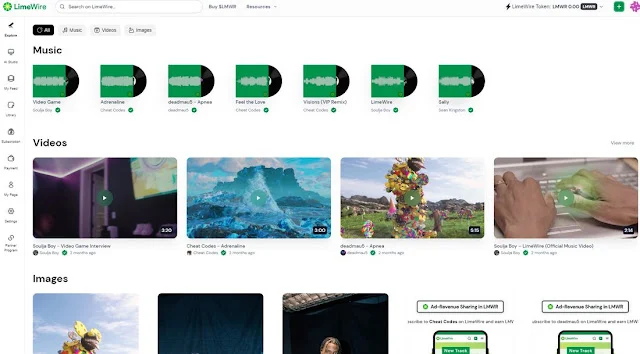
LimeWire’s vision extends beyond AI image generation. The platform has ambitious plans to expand its offerings to include AI music and video generation tools in the near future. This strategic expansion is poised to transform LimeWire into a comprehensive AI content creation hub, providing artists with an even broader canvas for their creativity.
The introduction of AI music generation tools could democratize music production, enabling aspiring musicians to create original tracks and soundscapes without requiring extensive technical expertise or expensive equipment. Similarly, AI video generation could empower filmmakers and content creators to produce dynamic visual narratives with unprecedented ease. This expansion aligns with the growing trend of AI assisting in complex creative processes, making sophisticated tools accessible to a wider range of individuals.
The implications of this expansion are far-reaching. It suggests a future where the lines between human and artificial intelligence in creative endeavors become increasingly blurred. LimeWire’s commitment to building an integrated platform for image, music, and video creation, all underpinned by blockchain for ownership and monetization, positions it as a significant innovator in the evolving digital content landscape. As the platform continues to develop and introduce these new capabilities, it is likely to attract a diverse array of creators eager to explore the cutting edge of AI-powered artistic expression and to build sustainable careers within the decentralized digital economy.
About the Author