The extended reality (XR) industry reached a significant milestone this week with the commercial debut of the Valve Steam Frame, the first standalone hardware offering from Valve Corporation since the 2019 release of the Valve Index. The launch coincides with a surge of activity across the sector, including Snap Inc.’s detailed unveiling of its fifth-generation AR Spectacles and leaked reports regarding Meta’s upcoming hardware roadmap. These developments signal a diversifying market where high-end enterprise solutions and enthusiast-grade standalone devices are attempting to challenge the dominance of established consumer platforms.
The Launch of Valve Steam Frame: Pricing and Market Positioning
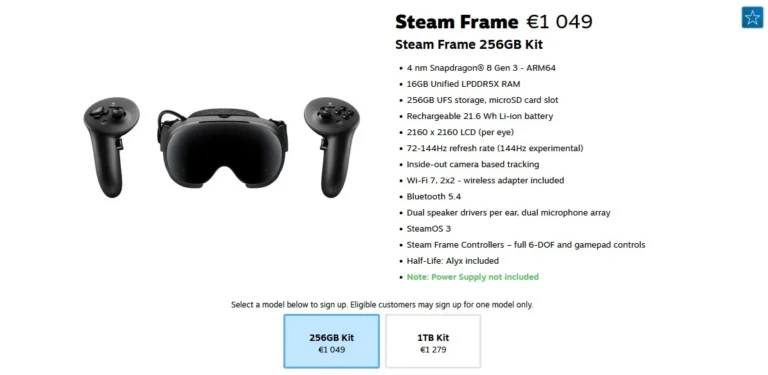
Valve has officially transitioned the Steam Frame from a long-rumored prototype to a retail product, offering the device in two primary configurations. The base model, equipped with 256GB of internal storage, is priced at $1,059 (€1,049), while the premium 1TB variant retails for $1,299 (€1,279). In a strategic move to bolster its content library, Valve includes a complimentary copy of Half-Life: Alyx with every purchase. Notably, the flagship title has been ported from its original PC VR architecture to a standalone ARM-based version specifically optimized for the Steam Frame’s internal processing unit.
Early technical evaluations indicate that while the standalone version of Half-Life: Alyx represents a graphical downgrade from the high-fidelity PC original, it remains a benchmark for mobile VR performance. To complement the headset, Valve has introduced three official accessories, with plans for an advanced head strap featuring hot-swappable batteries and integrated over-the-ear speakers—a design choice carried over from the critically acclaimed Valve Index audio system.
The distribution of the Steam Frame has utilized a reservation-based waitlist system. Due to high demand and limited initial production runs, Valve implemented a randomized selection process to determine which waitlisted individuals could complete their purchases. This scarcity has already triggered a secondary market, with reports of scalpers attempting to resell confirmed reservations at significant markups.

Comparative Analysis: Steam Frame vs. Meta Quest 3
Industry analysts have noted a discrepancy between the Steam Frame’s launch timing and its technical specifications. Despite arriving in late 2026, the device’s performance metrics have drawn frequent comparisons to the Meta Quest 3, a headset released three years prior. While the Steam Frame offers a more open ecosystem and superior privacy standards—avoiding the aggressive data harvesting practices often associated with Meta—its price point is nearly double that of its primary competitor.
Market data suggests that the announcement of the Steam Frame led to a surprising secondary effect: a localized sales spike for the Bigscreen Beyond, a tethered PC VR headset. This suggests that a segment of the enthusiast market, underwhelmed by Valve’s standalone performance-to-price ratio, may be returning to dedicated PC-driven hardware for higher fidelity. Internal reports suggest that Valve originally explored a high-bulk, ultra-high-resolution PC VR headset (similar in form factor to Pimax devices) three to four years ago before pivoting to the current standalone "Frame" architecture, a shift that likely contributed to the product’s extended development cycle.
Snap SPECS: An Enterprise-First Augmented Reality Strategy
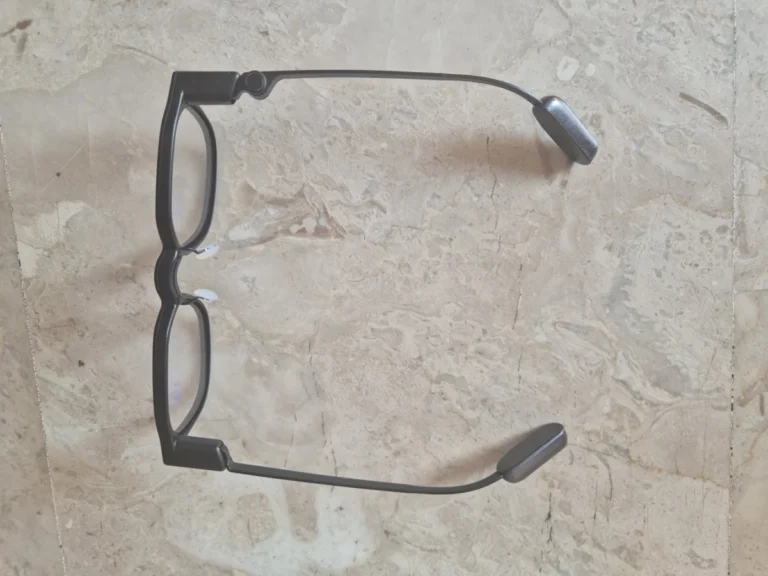
Simultaneous with the Valve launch, Snap Inc. provided a comprehensive look at its new AR glasses, simply branded as SPECS. Following a lukewarm reception at the Augmented World Expo (AWE), where the device was shown but not demonstrated, Snap hosted a dedicated launch event to showcase live functionality and developer partnerships.
The SPECS are positioned as a high-end development and enterprise tool with a retail price of approximately $2,200. Key features of the new hardware include:
- Operating System: Powered by SnapOS, designed specifically for spatial computing.
- Productivity Integration: A flagship partnership with Google brings Gemini AI and Google Docs functionality to the glasses, allowing users to view and edit documents in a spatial environment.
- Developer Support: Snap announced a partnership with OpenAI to provide developers with advanced multimodal AI tools for AR application building.
- Content Ecosystem: New applications include an interactive NBA basketball training module and various spatial gaming experiences.
Despite the technical achievements, hands-on reviews highlight persistent challenges in AR hardware. Critics noted that holograms still exhibit transparency issues in bright environments and the "thick-arm" frame design can cause physical discomfort during extended use. By pricing the device at $2,200 and focusing on enterprise utility, Snap appears to be distancing itself from the volatile consumer AR market in favor of a specialized professional niche.

Meta’s Strategic Pivot: Camera-Free Hardware and Project Phoenix
As the industry prepares for the annual Meta Connect conference, reports have emerged regarding "Project Luna," a rumored pair of smart glasses from Meta that deliberately omit integrated cameras. This strategic shift is reportedly a response to mounting privacy concerns and social friction regarding "always-on" recording devices in public spaces.
By removing the camera, Meta aims to offer a device focused purely on audio AI and basic heads-up display functionality, potentially bypassing the "glasshole" stigma that has plagued camera-equipped wearables. However, industry skeptics argue that a camera-free design severely limits the potential for "World AI"—the ability for an assistant to see and interpret the user’s environment—which is considered the primary value proposition of smart eyewear.
Furthermore, leaks ahead of Meta Connect suggest the company will showcase "Project Phoenix," a high-end research prototype. This device is expected to demonstrate the latest iterations of Meta’s Codec Avatars, which utilize advanced sensors to create photorealistic digital representations of users in real-time. These avatars represent Meta’s long-term bet on the "Metaverse," focusing on social presence and high-fidelity telecommunication.
Software Evolution: Apple visionOS 27
While hardware dominated the headlines, Apple released visionOS 27, the latest runtime update for the Apple Vision Pro. This update fulfills several promises made during the Worldwide Developers Conference (WWDC) earlier this year. Significant enhancements include:
- Siri AI Integration: Bringing Apple’s revamped generative AI assistant into the spatial computing environment.
- Reality Composer Pro Updates: Providing developers with more robust tools for object tracking and environmental interaction.
- IR LED Accessory Support: Allowing the headset to track and interact with specialized third-party hardware peripherals via infrared sensors.
These updates aim to increase the utility of the existing Vision Pro hardware as Apple reportedly explores more affordable versions of the headset to address its current high-price barrier to entry.

Broader Industry Implications and Chronology
The events of this week illustrate a significant divergence in the XR market. In 2023-2024, the industry was focused on the "pass-through VR" trend led by the Quest 3 and Vision Pro. By late 2026, the focus has split into three distinct tiers:
- The Enthusiast Standalone Tier: Represented by the Steam Frame, targeting users who prioritize an open software architecture over aggressive pricing.
- The Enterprise AR Tier: Represented by Snap SPECS, focusing on high-cost, specialized productivity and AI development.
- The Privacy-First Wearable Tier: Represented by Meta’s rumored camera-free glasses, prioritizing social acceptance and battery life over raw functionality.
The competitive landscape remains fluid. While Valve’s entry provides a much-needed alternative to the Meta-dominated standalone market, the high entry price and aging specification profile suggest that hardware manufacturers are still struggling to balance performance, thermal management, and cost. As Meta Connect approaches, the industry’s eyes turn toward whether the market leader can provide a more compelling middle ground between Valve’s enthusiast hardware and Snap’s enterprise-priced optics.
About the Author