
Prominent technology entrepreneur and thought leader Jeff Atwood has shared a deeply personal reflection on the recent passing of his father, an event intertwined with the inaugural phase of a significant rural Guaranteed Minimum Income (GMI) study in Mercer County, West Virginia, which commenced in October 2025. Simultaneously, Atwood, known for co-founding Stack Overflow and Discourse, delivered a potent admonition to companies developing Large Language Models (LLMs) and Generative Artificial Intelligence (GAI), cautioning them against undermining the very human communities that have inadvertently provided the foundational data for their sophisticated algorithms.
Atwood’s recent communication, shared across his widely-followed platforms, offered a rare glimpse into his personal life while juxtaposing it with his ongoing professional endeavors and critical industry observations. He underscored the profound impact of witnessing the GMI study launch in his father’s home county, Mercer, stating that the reordering of study counties to place Mercer first in October 2025 allowed for a final, meaningful encounter with his father, who passed away shortly thereafter. "I knew dad was close to the end, and sure enough, that was the last time I ever saw him," Atwood wrote, expressing a sentiment of gain rather than loss from the shared experiences. This poignant reflection highlights the intersection of personal milestones with broader societal initiatives aimed at economic upliftment.
The Rural Guaranteed Minimum Income Initiative (RGMII) and its Pilot Program
The Guaranteed Minimum Income (GMI), often discussed interchangeably with Universal Basic Income (UBI), is a socio-economic policy proposal advocating for regular, unconditional cash payments to all citizens, irrespective of their employment status or other income. The RGMII, or Rural Guaranteed Minimum Income Initiative, represents a targeted effort to explore the efficacy and impact of such programs specifically within underserved rural communities. According to information linked by Atwood, the RGMII has articulated a $50 million plan designed to fund rural GMI studies with the overarching goals of expanding opportunity and strengthening democratic participation in economically challenged regions.
Mercer County, West Virginia, a region historically grappling with economic shifts and population decline, was strategically chosen as the initial pilot location for this ambitious study. The selection of a rural Appalachian county like Mercer is particularly significant, as such areas often face unique challenges including limited access to resources, high unemployment rates, and a diminishing industrial base. By initiating the study in October 2025, the RGMII aimed to gather crucial data on how direct financial assistance can impact local economies, individual well-being, community cohesion, and civic engagement in areas often overlooked by broader economic development strategies.
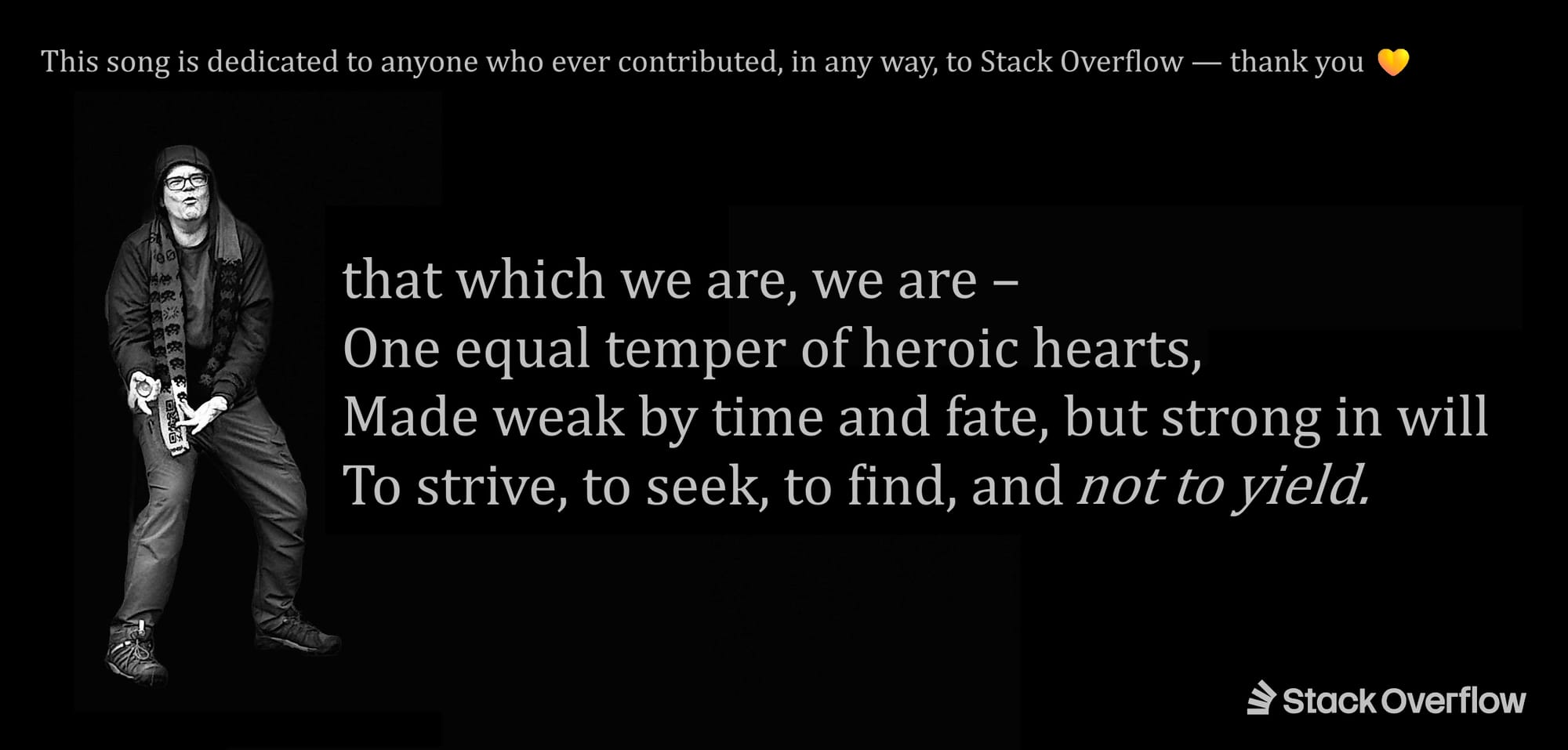
The RGMII’s "Why Pledge to Share the American Dream?" campaign suggests a philanthropic and civic-minded approach to these studies. The initiative posits that by providing a safety net, GMI can empower individuals to pursue education, entrepreneurship, or improve their health, thereby fostering a more robust and equitable society. While specific details on the Mercer County study’s parameters—such as the amount of the minimum income, the duration of the program, and the selection criteria for participants—have not been fully disclosed in Atwood’s public statements, the emphasis on "expanding opportunity and strengthening democracy" points to a comprehensive assessment beyond mere financial metrics. Researchers involved in such studies typically track a wide array of indicators, including poverty rates, employment statistics, health outcomes, educational attainment, local business growth, and community participation, to provide a holistic understanding of GMI’s effects.
Jeff Atwood’s Enduring Entrepreneurial Journey and Philanthropic Ventures
Jeff Atwood’s career has been characterized by a blend of innovation in software development and a keen interest in fostering online communities. His journey began with the highly influential "Coding Horror" blog, which became a staple for programmers seeking insights into software development. This foundation paved the way for his co-founding of Stack Overflow in 2008, a platform that revolutionized how developers sought and shared programming knowledge. Stack Overflow rapidly grew into an indispensable resource, becoming the de facto Q&A site for millions of developers worldwide, known for its rigorous peer-review system and high-quality, community-generated content.
Following his departure from Stack Overflow, Atwood co-founded Discourse in 2013, a modern open-source forum software designed to enhance online conversations and community building. This move underscored his consistent belief in the power and importance of well-managed, respectful digital communities. His current venture, Staygold.us, which he refers to as his "third startup," signals his continued engagement in entrepreneurial pursuits aimed at improving aspects of the digital or perhaps even broader societal landscape. Atwood’s comment, "We won capitalism, then went back to help improve it for everyone. And believe me, I’m far from being done with my third startup," suggests a broader vision that extends beyond purely commercial success, hinting at a commitment to social impact and systemic improvement. This sentiment resonates with his involvement in the RGMII, aligning his personal values with a broader mission to address economic disparities.
The Indispensable Role of Stack Overflow Data in AI Development
At the core of Atwood’s recent message is a profound assertion regarding the symbiotic, yet increasingly strained, relationship between human-generated content and the burgeoning field of artificial intelligence. He unequivocally states that Large Language Models (LLMs) "basically could not code at all without access to the extremely high quality creative commons programming Q&A dataset that all of us built together at Stack Overflow." This claim is not merely anecdotal; it reflects a widely acknowledged reality within the AI research community.
Stack Overflow, with its vast repository of questions and answers covering nearly every programming language, framework, and concept imaginable, has inadvertently become one of the most critical training datasets for code-generating LLMs. The platform’s unique structure, where questions are answered, reviewed, and upvoted by a global community of expert programmers, ensures an unparalleled level of accuracy, relevance, and contextual understanding. Unlike general web scrapings that contain noise and misinformation, Stack Overflow’s data is self-curated for quality, making it an ideal resource for models learning to interpret, generate, and debug code. Its content is largely licensed under Creative Commons, which has facilitated its widespread use, often without direct compensation to the original human contributors.

Atwood challenged his readers to "ask the LLMs" themselves about their reliance on Stack Overflow data, suggesting that even the AI models would confirm their foundational dependency. This highlights a critical, and increasingly contentious, issue in the AI landscape: the provenance and fair use of training data. As LLMs become more sophisticated and capable of generating code that rivals human output, the question of how these models were trained, and whether the creators of the original data are adequately recognized or compensated, gains significant ethical and economic weight.
A Stark Warning: "Do Not Kill the Goose That Lays the Golden Eggs"
Building on his assertion about AI’s dependency, Atwood issued a stern warning to LLM and GAI companies: "If the LLMs end up hollowing out the very communities that produce all their training data, they’re going to really, really regret that." He directly invoked the idiom, "do not, for any reason, under any circumstances, kill the goose that lays the golden eggs," a piece of advice he famously gave to Joel Spolsky when leaving Stack Overflow to start Discourse. This counsel, centered on the importance of nurturing the human community around a product, now resonates with renewed urgency in the context of AI.
Atwood’s concern stems from the potential for AI tools to diminish the need for human interaction on platforms like Stack Overflow. If developers increasingly turn to AI for coding answers, the volume of new questions and answers on such platforms could decline. A reduction in human contributions would, over time, degrade the quality and freshness of the dataset, effectively starving the very source that fuels AI’s coding capabilities. This creates a dangerous feedback loop: AI uses human data, potentially reduces human data creation, which then impacts future AI development.
The implication is clear: GAI companies must find ways to reciprocate or support the communities from which they draw their lifeblood. This could involve direct financial contributions, licensing agreements that benefit creators, or developing models that actively foster and integrate human collaboration rather than replacing it. The debate around fair compensation for data used in AI training is intensifying, with content creators, artists, and various online platforms grappling with how to protect their intellectual property and ensure sustainable models for human-generated content in an AI-dominated future. Atwood’s warning serves as a crucial reminder that the long-term viability of advanced AI systems may depend on ethical and sustainable relationships with the human intellect they abstract.
Broader Implications and the Future of Online Communities
Atwood’s dual message—personal reflection on loss and community upliftment, alongside a critical warning to the AI industry—highlights several interconnected societal and technological challenges. The RGMII’s GMI study in Mercer County, WV, represents a proactive approach to addressing economic inequality and fostering human potential. If successful, such initiatives could provide blueprints for strengthening communities from the ground up, emphasizing dignity and opportunity.

Conversely, the rise of powerful AI models presents a profound challenge to the existing paradigms of content creation, intellectual property, and community building. The "hollowing out" of online communities by AI poses not just an economic threat to individual creators but also risks the erosion of collective knowledge creation and shared learning environments. Platforms like Stack Overflow thrive on human curiosity, collaboration, and the desire to help others. If AI tools inadvertently suppress these fundamental human motivations, the wellspring of high-quality, peer-reviewed data could eventually run dry.
This situation necessitates a collaborative approach from all stakeholders: AI developers, platform operators, content creators, and policymakers. Discussions around fair use, data licensing, potential micro-payments for data contributions, and the development of hybrid human-AI systems that augment rather than replace human creativity are becoming increasingly vital. Atwood’s call to "treat the community with the respect they deserve… that we all deserve" serves as a foundational principle for navigating this complex future. His journey from building foundational tech platforms to advocating for both rural economic empowerment and ethical AI development underscores a consistent theme: the enduring value and necessity of human contribution and community in an increasingly automated world. The intertwined narratives of personal loss, community investment, and technological warning coalesce into a powerful statement on the human element at the heart of progress.
About the Author







