
After years of consistent performance, prominent tech blogger Jeff Atwood of Coding Horror has undertaken a significant PC upgrade, observing that the primary innovation in personal computing has shifted from raw speed increases to the meticulous engineering of high-power components within increasingly compact form factors. Atwood’s latest build, detailed on his widely-read blog, highlights a strategic move towards small form factor (SFF) systems, opting for the Streacom DA2 case to house a powerful, modern configuration, underscoring a broader trend in the enthusiast PC market.
The Paradigm Shift in PC Upgrades
Atwood, known for his insightful commentary on software development and computer hardware, noted that his previous PC case had served him since 2011, with the last major component upgrade occurring in 2015. This extended upgrade cycle, he suggests, is indicative of a maturing PC market where incremental speed improvements have become less compelling, leading to what he describes as "really boring" upgrade cycles. For many years, the quest for faster processors and graphics cards drove PC innovation, but with diminishing returns on single-core performance and sufficient power for most everyday tasks, the focus for enthusiasts has migrated.
The new frontier, according to Atwood, is not merely more speed but smarter builds – specifically, the challenge of packing maximum computational power into minimum physical size. This burgeoning interest in SFF PCs represents a significant evolution, transforming the desktop computer from a bulky, often utilitarian box into a sleek, powerful, and aesthetically integrated component of a modern living or workspace. The shift reflects a desire for unobtrusive yet uncompromised performance, mirroring the advancements seen in consumer electronics where miniaturization is often synonymous with sophistication.

Key Players in the Compact PC Arena
Atwood’s exploration into the SFF segment led him to evaluate several prominent cases renowned for their ability to house high-end components within surprisingly small footprints. These cases represent the vanguard of SFF design, each offering a unique balance of size, compatibility, and cooling potential.
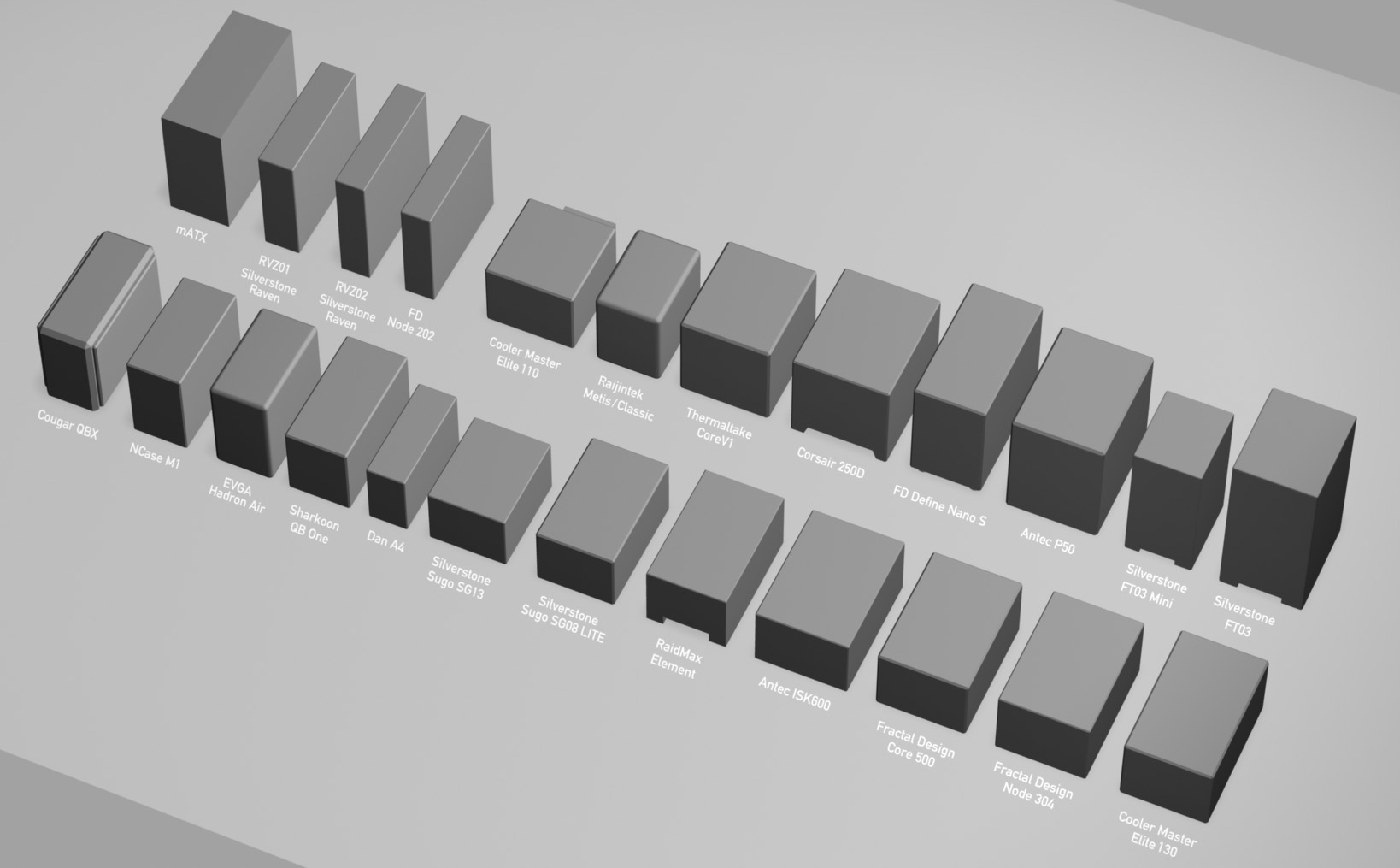
The Dan A4 SFX, a highly regarded ultra-compact Mini-ITX case, measures a mere 200mm × 115mm × 317mm, translating to an astonishingly small 7.3 liters of volume. This design pushes the boundaries of what is physically possible without resorting to custom parts, making it a favorite among those prioritizing absolute minimalism. Its ingenious internal layout maximizes space utilization, allowing for full-sized graphics cards and powerful CPUs, albeit with specific constraints on cooling solutions.

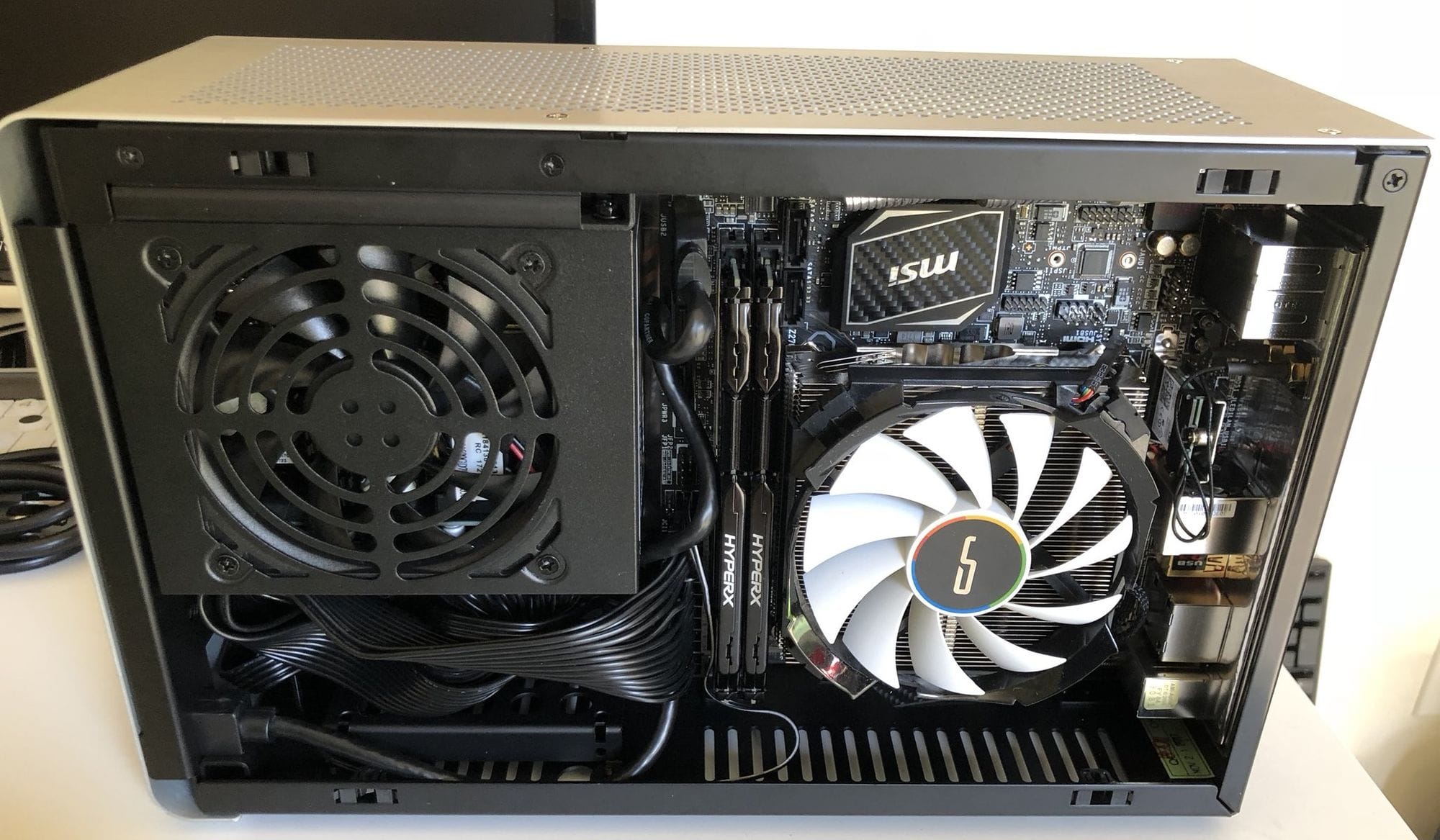
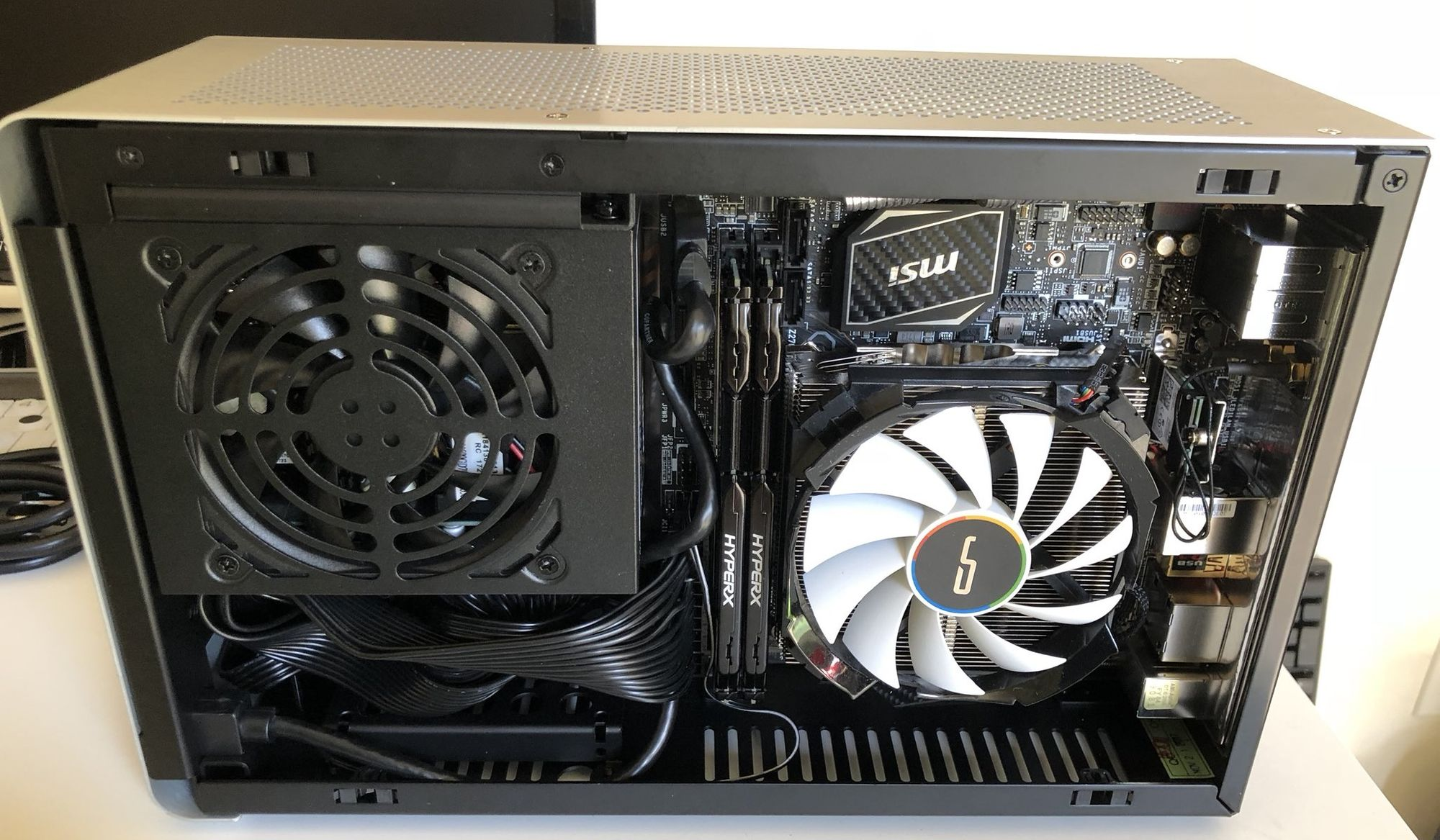
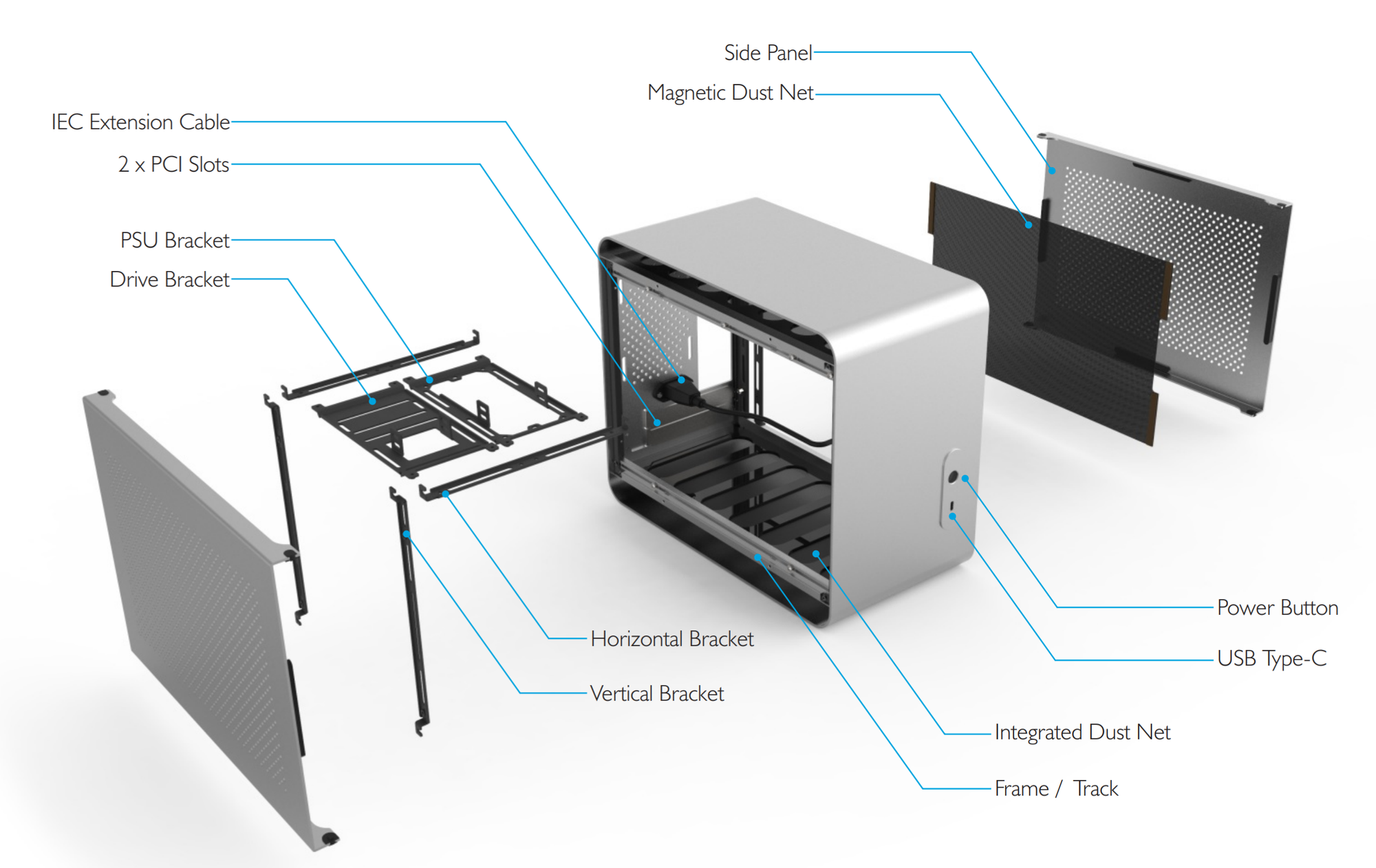
Another contender, the Streacom DA2, which Atwood ultimately selected for his personal build, offers a slightly larger, yet still highly compact, 180mm × 286mm × 340mm footprint, totaling 17.5 liters. While larger than the Dan A4 SFX, the DA2 distinguishes itself with a more versatile internal bracket system and greater flexibility for advanced cooling solutions, a crucial factor when dealing with high-performance components.
Other notable SFF cases mentioned include the Silverstone RVZ02 / ML08, which measures 380mm × 87mm × 370mm (12.2 liters), and the iconic nCase M1, a long-standing favorite in the SFF community, at 240mm × 160mm × 328mm (12.6 liters). These cases collectively demonstrate the innovative engineering being applied to redefine the desktop PC’s physical presence without sacrificing its performance capabilities.
To put these volumes into perspective, modern gaming consoles like the PS4 Pro (5.3 liters) and Xbox One S (4.3 liters) occupy even less space. However, the SFF PCs discussed offer significantly more than double the raw processing power, often for only about 50% more volume, presenting a compelling value proposition for enthusiasts seeking console-like aesthetics with workstation-grade performance. This comparison highlights the efficiency gains in component design and thermal management within the PC ecosystem.
Atwood’s Personal Journey: The Streacom DA2 Build
Jeff Atwood’s decision to build his new primary system in the Streacom DA2 case was a deliberate one, driven by practical considerations regarding thermal management for powerful hardware. While he admired the extreme compactness of the Dan A4 SFX, his experience indicated that for "extremely powerful CPUs and GPUs," a bit more internal volume was necessary to ensure adequate cooling and stability.
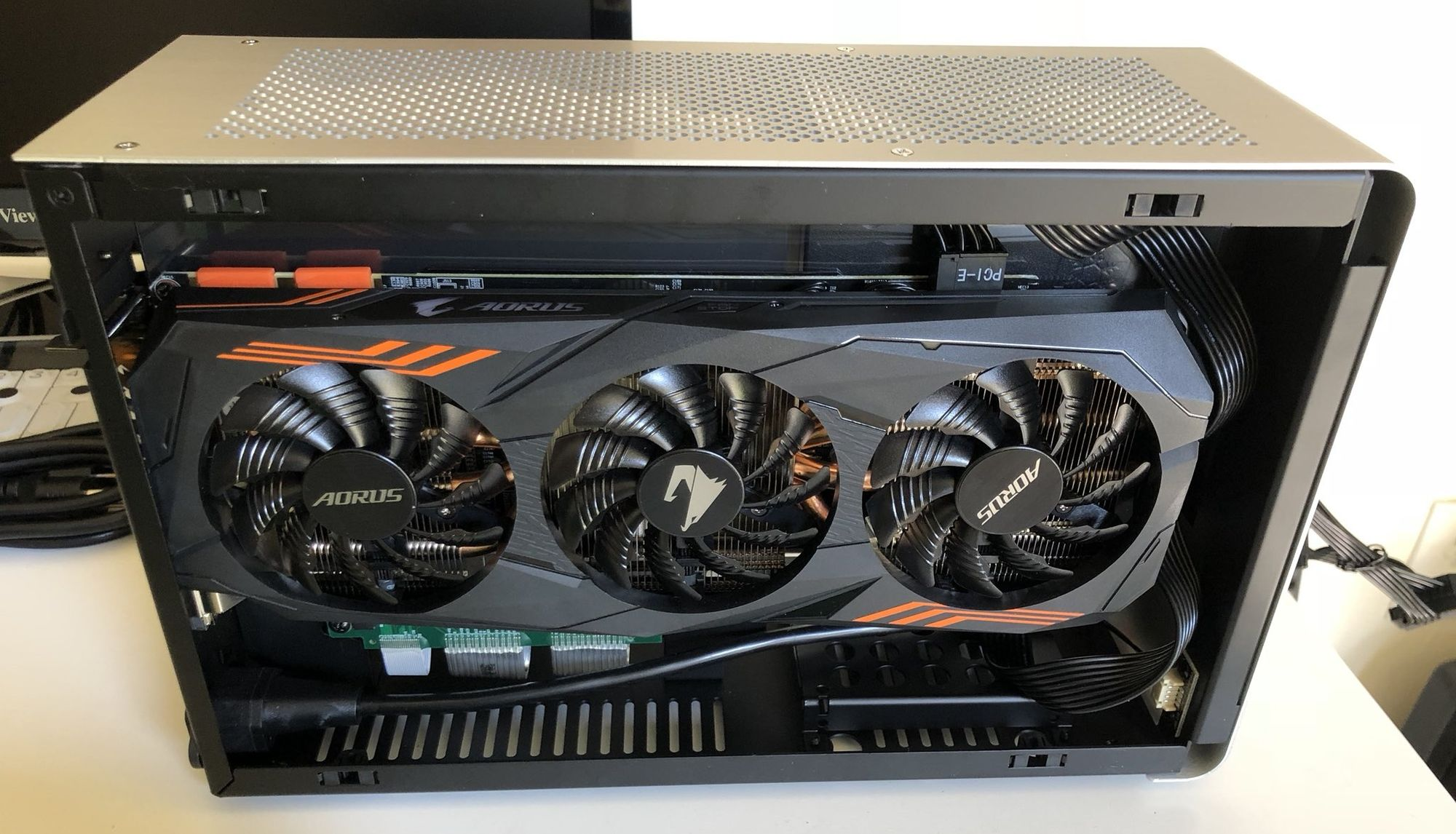
His new system represents a substantial leap from his previous 2015-2017 setup, which featured a slightly overclocked Intel i7-7700K processor. The new configuration boasts:
- Doubled Core Count: Offering significant improvements in multi-threaded workloads, crucial for modern applications, content creation, and high-fidelity gaming.
- Faster Cores: Enhanced clock rates and improved Instructions Per Cycle (IPC) contribute to a noticeable performance uplift across all tasks.
- Doubled Memory Capacity: From an unspecified amount in the older system to a likely substantial increase, enabling smoother multitasking and handling of memory-intensive applications.
- Doubled M.2 Slots: Expanding storage potential from one to two M.2 NVMe SSDs, providing faster storage access and greater flexibility for system and game installations.
This upgrade strategy is not just about raw power but also about future-proofing the system within a small footprint, ensuring it can handle demanding tasks for years to come. The Streacom DA2, with its intelligent design, provides the necessary canvas for such a robust build.
Engineering for Efficiency: Airflow and Cooling Challenges
Building a high-performance PC in a small form factor presents unique engineering challenges, particularly concerning thermal management. Components like high-end CPUs and GPUs generate substantial heat, and dissipating this heat effectively within a confined space is paramount to system stability and longevity.
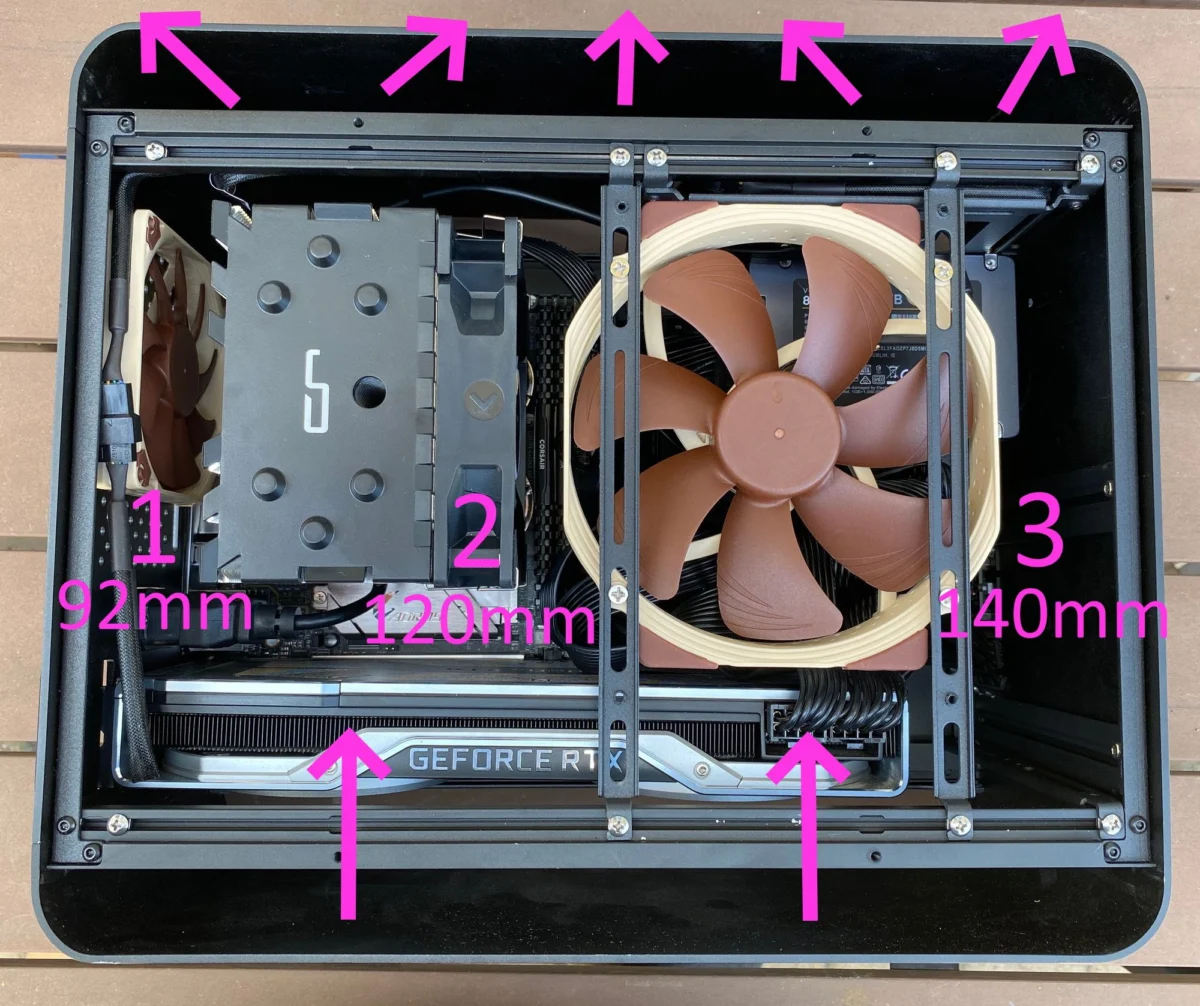
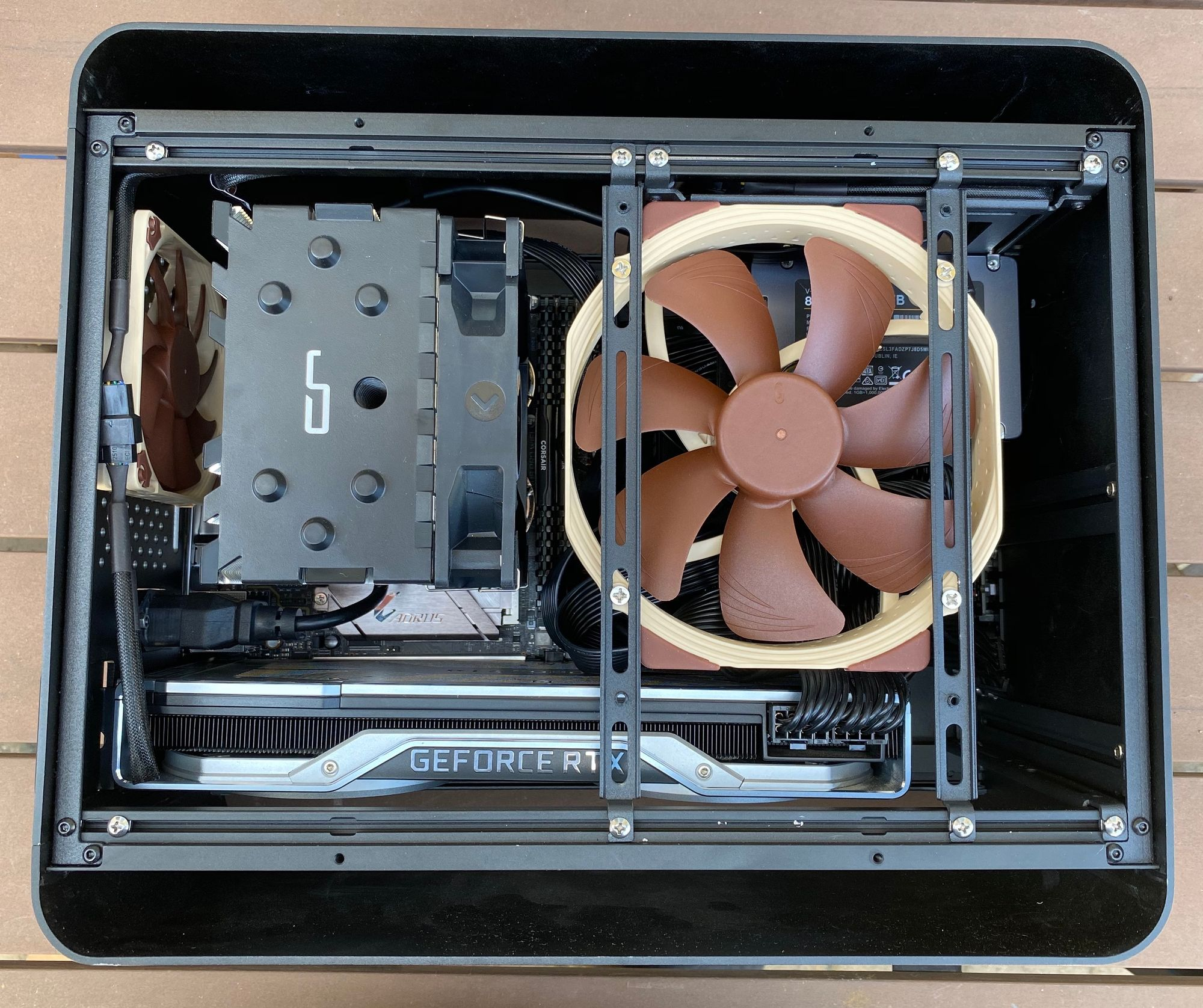
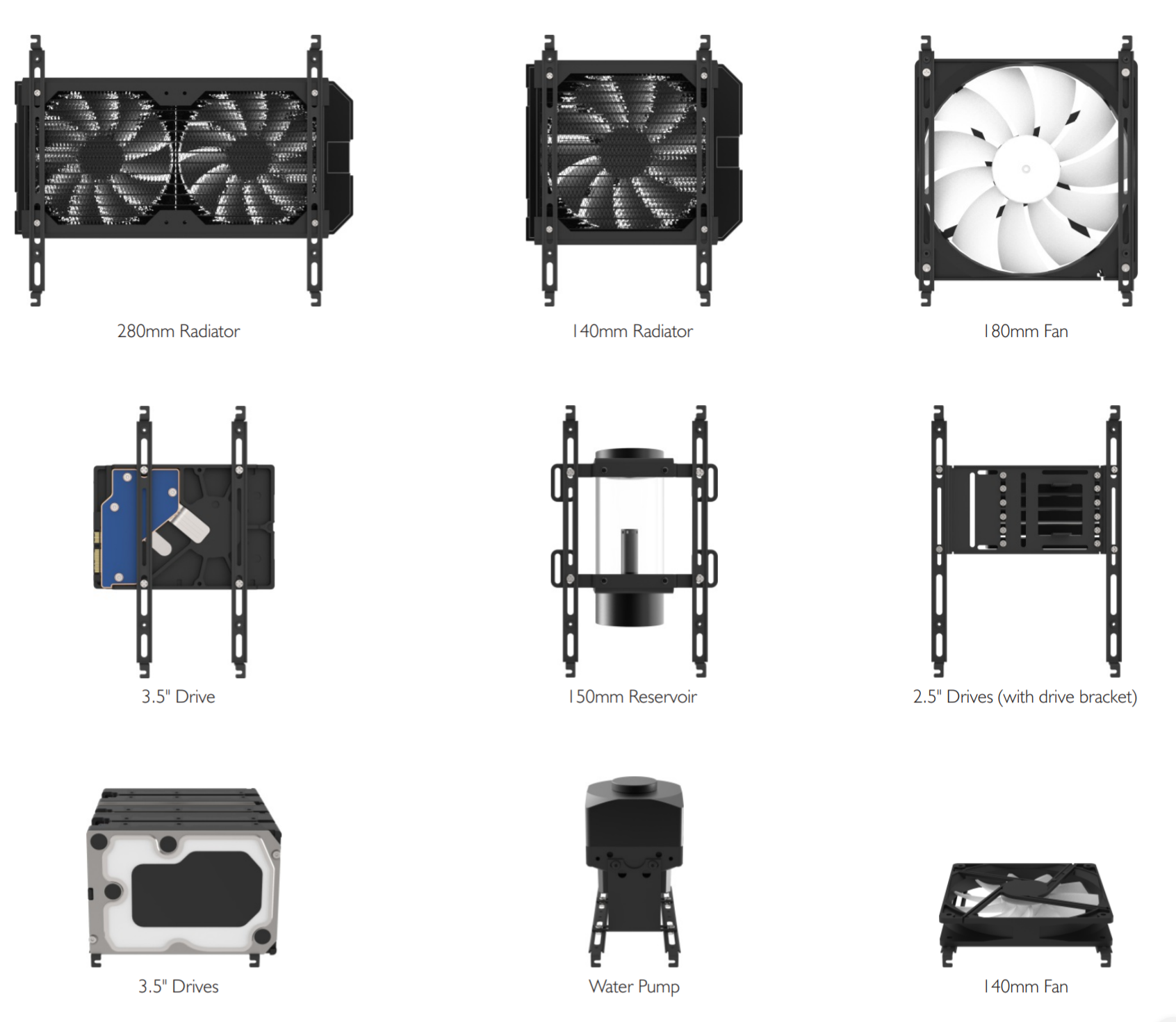
The Streacom DA2 addresses these challenges through a "hybrid open-air design" that allows for crucial airflow from the top and bottom panels. Its most innovative feature is the highly versatile horizontal and vertical bracket system within the chassis. This system allows builders to precisely position components, fans, and radiators, optimizing the internal layout for efficient airflow and cooling. The captured nut and bolt design further simplifies the assembly process, making it easier to adjust and secure components.
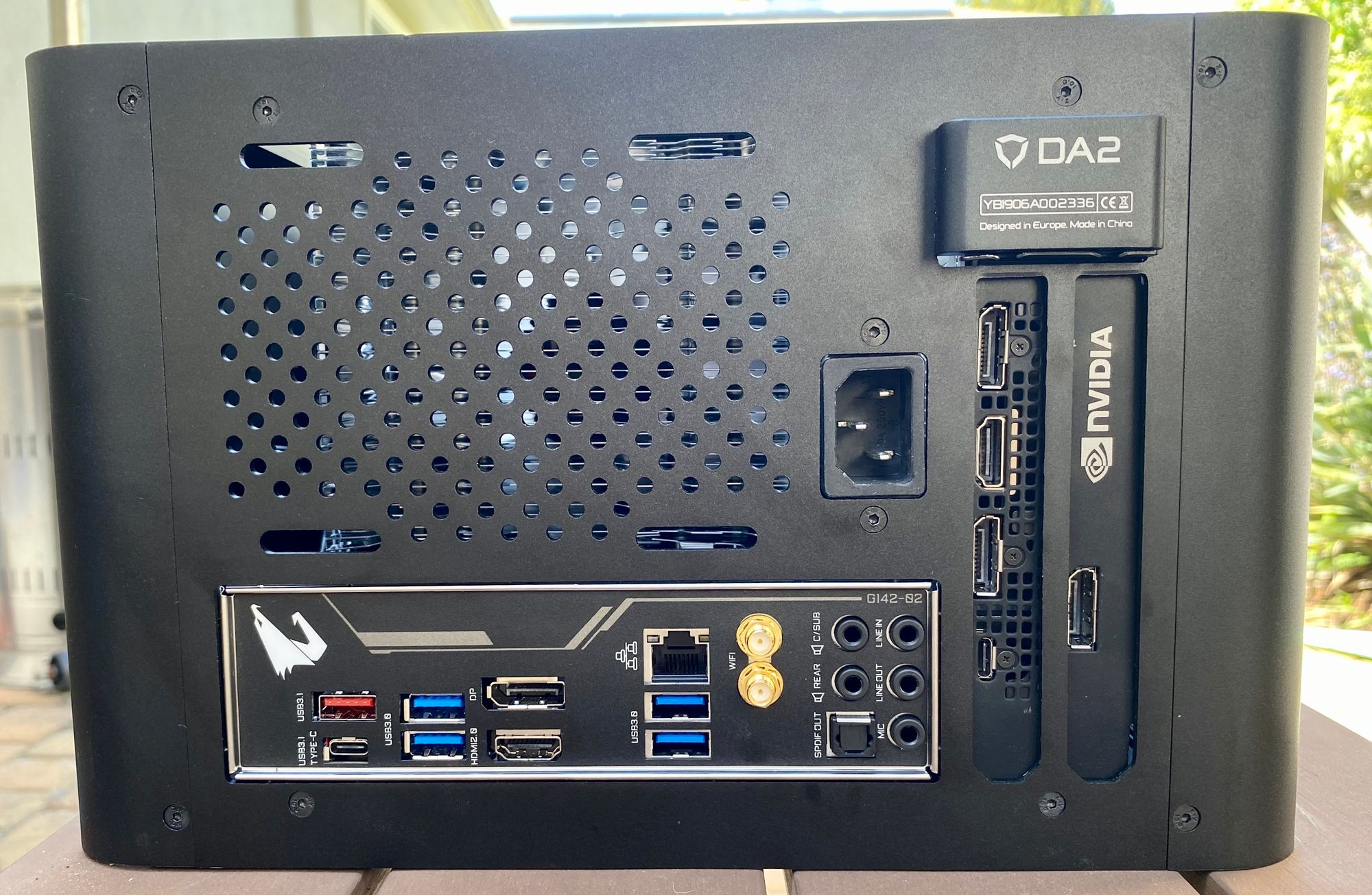
Atwood specifically highlighted a critical optimization: removing the top and bottom acrylic pieces, which are typically equipped with mesh dust filters. He observed "dramatically better temperatures" after this modification, enabling the case to "fully breathe" through its primary intake and exhaust points. Given that the front panel of the DA2 is solid, maximizing airflow through the top and bottom is essential for effective cooling.
His recommended configuration for optimal airflow in the DA2 involves three fans: an exhaust fan positioned at the top, and two intake fans at the bottom, creating a positive pressure setup that helps push hot air out and draw cooler air in. For users who prefer water cooling – a solution Atwood personally avoids due to past "traumatic cooling fluid leaks" – the 140mm fan space can be repurposed for a radiator, further enhancing thermal dissipation capabilities for extremely demanding loads.
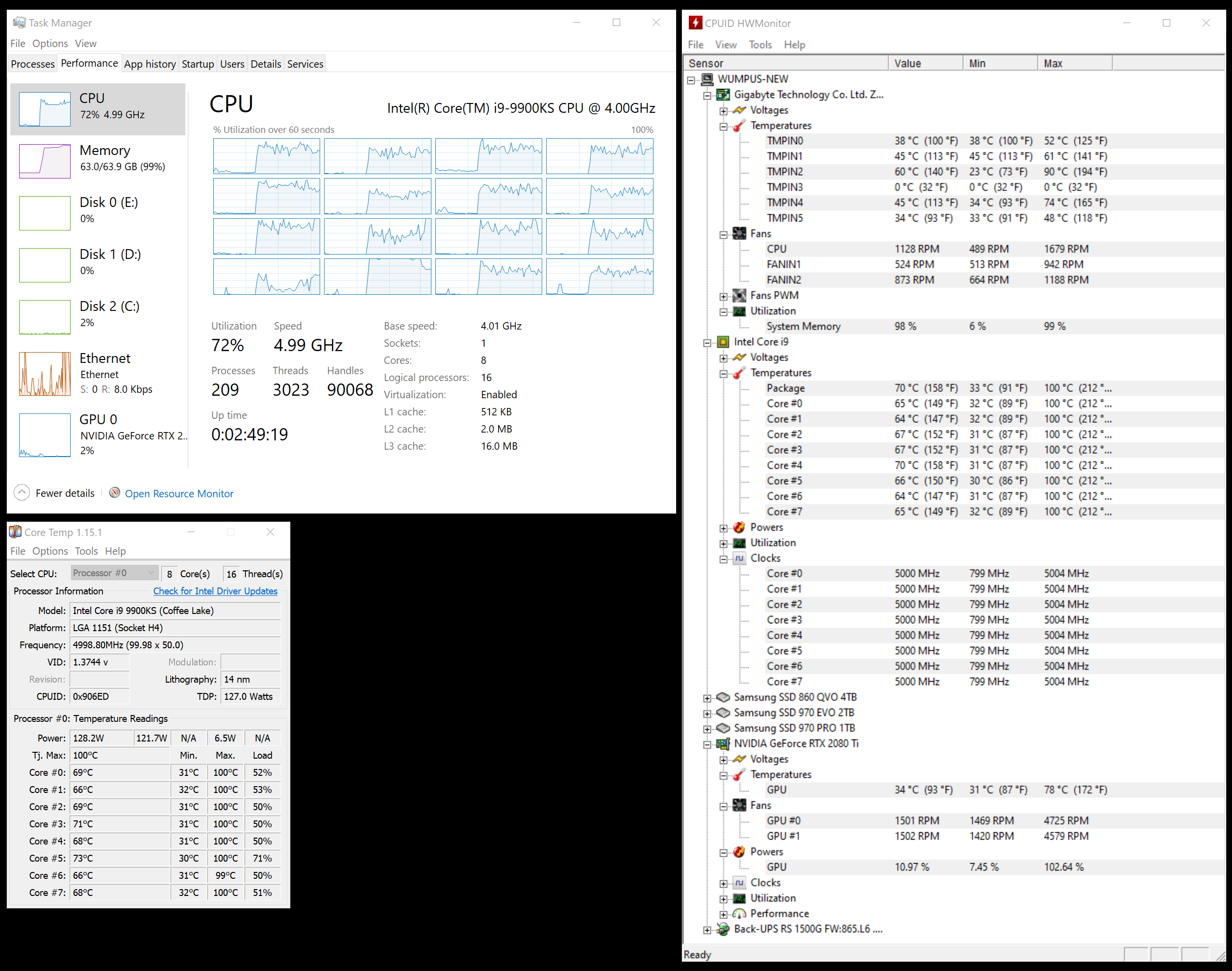
While Atwood successfully burn-in tested his machine to ensure stability under heavy use, he candidly advises that users expecting sustained full CPU and GPU loads might still need to consider water cooling or select slightly less powerful components to maintain optimal temperatures within the DA2’s space constraints. This underscores the delicate balance between performance and thermal management inherent in SFF builds.
Historical Context and Future Outlook
Atwood’s recent upgrade is part of a 13-year long series of PC build blog entries, offering a unique chronological perspective on the evolution of personal computing hardware. From the days of larger, more accessible cases, the journey now points towards refined, compact designs. This long-term perspective enriches his current observations, placing the SFF trend within a broader historical context of technological progression.
The process of building a PC, once considered a niche hobby for tech-savvy individuals, has become significantly more streamlined over the years. Atwood notes that modern components are so highly integrated that a substantial portion of the build is completed simply by installing the M.2 drives, memory, CPU, and cooler onto the motherboard. This ease of assembly lowers the barrier to entry for new builders and makes sophisticated SFF builds more approachable.
The increasing availability and popularity of "compact mini-ITX builds," exemplified by innovative designs from companies like Yuel Beast Designs (e.g., their Motif Monument case), signal a vibrant future for this segment. These designs are not just about smaller footprints but also about a reimagining of PC aesthetics and functionality.
Broader Implications: The Future of Personal Computing
The embrace of small form factor PCs by prominent figures like Jeff Atwood is more than just a personal preference; it reflects a significant inflection point in the personal computing industry. This trend suggests that for a considerable segment of users, raw size and unlimited expandability are being deprioritized in favor of a sleek, efficient, and powerful computing experience that fits seamlessly into modern minimalist lifestyles.
The implications are multifaceted:
- Design and Aesthetics: SFF PCs push hardware manufacturers to innovate in component design, power efficiency, and thermal solutions. The focus shifts to creating visually appealing and unobtrusive systems that can be proudly displayed rather than hidden away.
- Market Segmentation: The SFF market is becoming increasingly sophisticated, offering specialized solutions for gamers, content creators, and professionals who demand high performance without the bulk of traditional tower PCs. This caters to a growing desire for powerful, yet discreet, computing devices.
- Technological Innovation: The constraints of SFF design drive innovation in power supplies (e.g., SFX, Flex ATX), cooling technologies (low-profile coolers, compact AIO liquid coolers), and motherboard layouts (Mini-ITX with advanced features).
- User Experience: For many, a compact, powerful PC offers a better overall user experience – less desk clutter, easier portability (for LAN parties or moving between workstations), and often quieter operation due to optimized airflow and component selection.
In conclusion, Jeff Atwood’s latest PC build serves as a testament to the ongoing evolution of personal computing. While the era of dramatic leaps in raw processing speed may have settled into a steady rhythm of incremental improvements, the ingenuity applied to packing immense power into less than 20 liters of space represents a thrilling new frontier for PC builders and enthusiasts alike. This pursuit of "maximum power in minimum size" is likely to define the next wave of innovation in desktop computing, making high-performance PCs more integrated, aesthetically pleasing, and efficient than ever before.
About the Author







