
Veteran tech blogger Jeff Atwood, founder of Coding Horror and co-founder of Stack Overflow, recently unveiled details of his latest personal computer build, marking a significant departure from traditional PC upgrade cycles. After maintaining the same PC case since 2011 and a major system overhaul in 2015, Atwood’s newest endeavor, completed in what he describes as a lengthy "slog," highlights a prevailing trend in the personal computing landscape: the pursuit of maximum power within minimal physical dimensions. His observations suggest that the era of simply seeking "more speed" has given way to an innovation focus on miniaturization, transforming the definition of a cutting-edge desktop PC.

The Shifting Sands of PC Innovation
For many years, the personal computer market was characterized by a relentless drive for raw processing power and graphical fidelity, with each generation of components offering substantial performance leaps. However, as Atwood notes, "PC upgrades have gotten really boring." This sentiment resonates with a broader industry observation that incremental performance gains in recent years, particularly for mainstream users, have made compelling upgrade cycles less frequent. The focus for consumers has shifted, with many finding adequate performance for daily tasks in older systems or turning to increasingly powerful mobile devices and cloud-based solutions. This plateau in perceived innovation has led enthusiasts and manufacturers alike to seek new frontiers for development.

The "boring" narrative, while provocative, underscores a genuine trend. From the late 1990s through the mid-2000s, CPU clock speeds, GPU rendering capabilities, and memory capacities saw exponential growth year-over-year. This period fostered a culture of frequent upgrades, where a two-year-old system could feel significantly outdated. However, architectural efficiencies, multi-core processing, and advanced caching have largely replaced brute-force clock speed increases. For the average user, the difference between a high-end CPU from 2015 and one from 2020 might be substantial on benchmarks, but less noticeable in everyday tasks like web browsing, office work, or even moderately demanding games. This diminishing return on investment for traditional upgrades has opened the door for other forms of innovation to take center stage.
A Personal Upgrade Chronology
Atwood’s own upgrade history serves as a microcosm of these broader industry shifts. His last significant system upgrade in 2015 built upon a PC case that had served him since 2011. This eight-year lifespan for a core component like a case, and a five-year gap for a major component refresh, is indicative of the extended relevance modern hardware can achieve. His blog series chronicling his PC builds spans 13 years, providing a unique, long-term perspective on the evolution of personal computing. The decision to undertake a new build after such a prolonged period reflects a re-evaluation of what constitutes a valuable upgrade in the contemporary tech environment.
The current build, initiated after a five-year hiatus from a "serious upgrade," signifies a renewed interest, not in raw, uncontained power, but in intelligently packaged performance. This transition from a mindset of simply accumulating more powerful components to one of optimizing their integration within a constrained space represents a maturity in PC hardware design and a response to evolving user preferences.
The Ascendancy of Small Form Factor (SFF) PCs
The central theme of Atwood’s latest build is the concept of Small Form Factor (SFF) PCs. Rather than prioritizing sheer speed, the future of PCs, he argues, lies in "smaller builds." SFF systems aim to pack high-performance components into cases significantly smaller than traditional desktop towers, often approaching the volume of modern gaming consoles. This trend is driven by a desire for systems that are aesthetically pleasing, take up less desk space, and are more portable, without compromising on the computing power required for demanding applications like high-end gaming, content creation, or scientific computing.
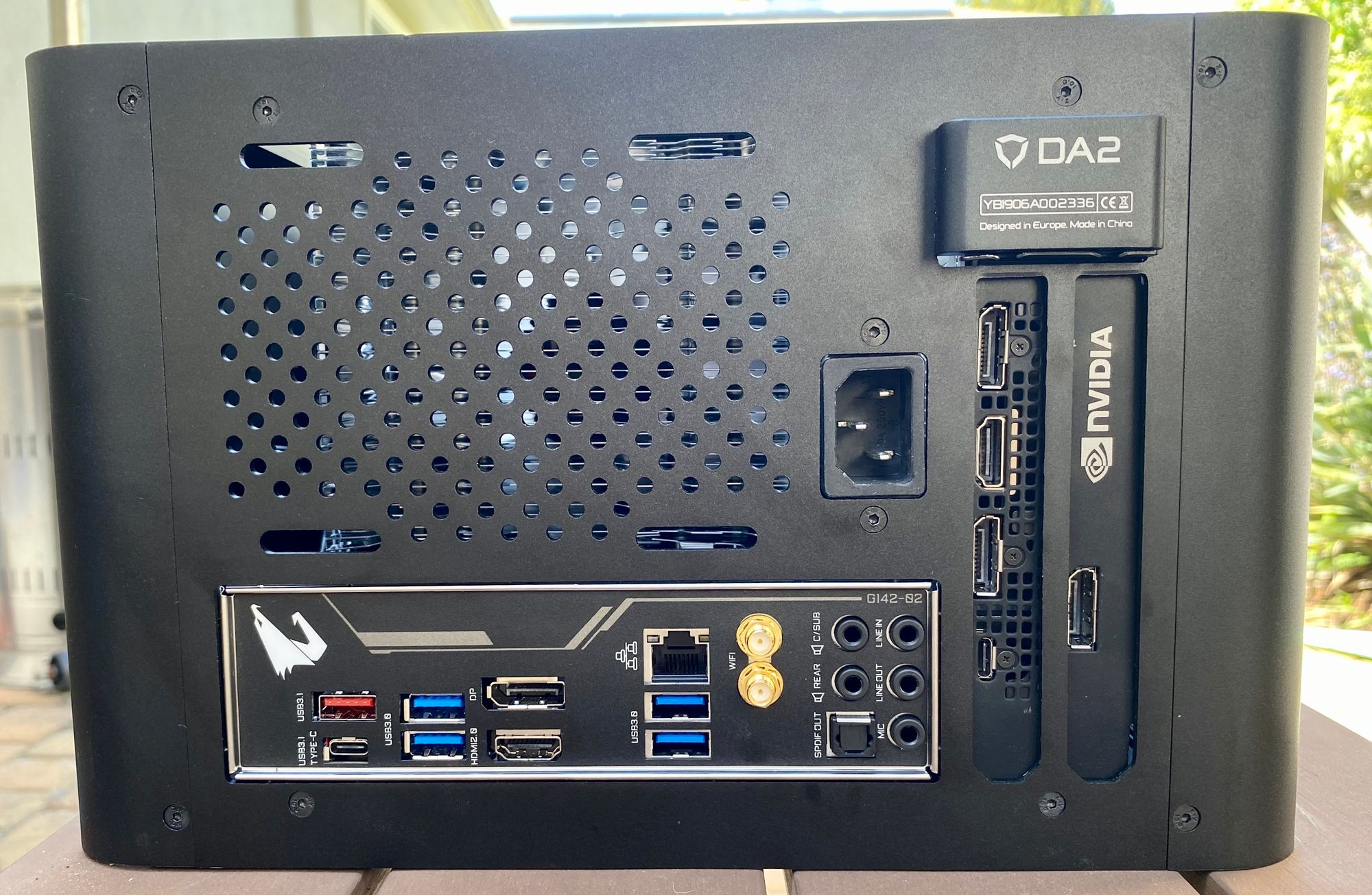
The allure of SFF lies in achieving "maximum power in minimum size." This engineering challenge involves meticulous component selection, efficient thermal management solutions, and innovative case designs. The market for SFF components and cases has grown substantially, catering to a niche of enthusiasts and professionals who value discretion and space efficiency as much as raw performance.
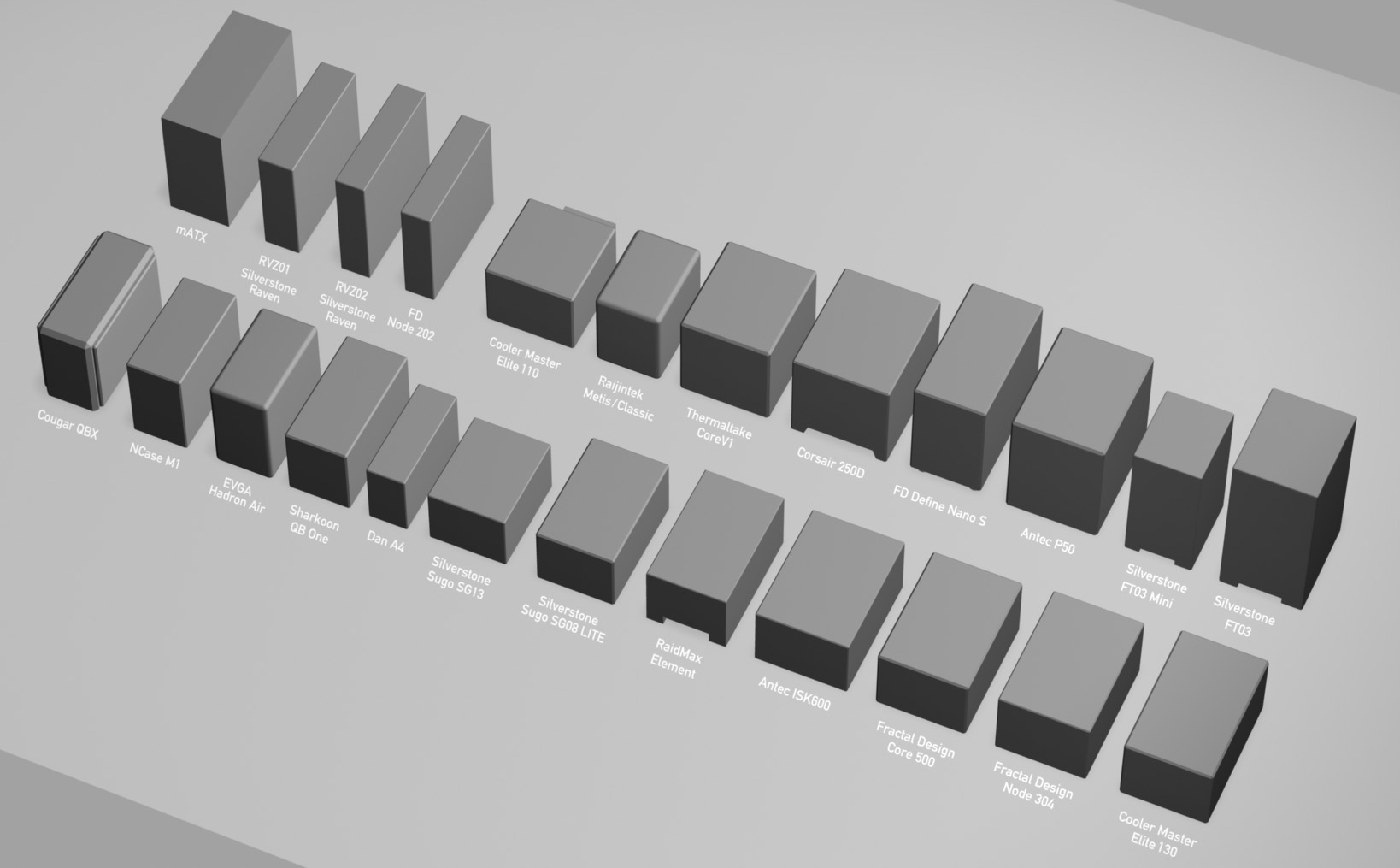
Atwood’s exploration included several prominent SFF cases:
- Dan A4 SFX: A highly regarded ultra-compact Mini-ITX case, measuring 200mm × 115mm × 317mm, resulting in an incredibly small 7.3 liters of volume. This case is often cited as a benchmark for how small a standard Mini-ITX system can be built without resorting to custom parts.
- Streacom DA2: A slightly larger, more versatile option at 180mm × 286mm × 340mm, totaling 17.5 liters. Its design emphasizes flexible component mounting and enhanced cooling capabilities.
- Silverstone RVZ02 / ML08: These cases represent a console-like form factor, with dimensions of 380mm × 87mm × 370mm, yielding 12.2 liters. They often feature a slim, horizontal design, ideal for living room setups.
- nCase M1: Another popular SFF choice, measuring 240mm × 160mm × 328mm, for a volume of 12.6 liters. Known for its robust build quality and thoughtful layout.
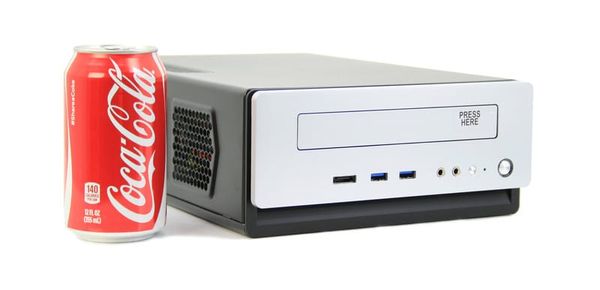
To put these volumes into perspective, Atwood draws a comparison to modern gaming consoles: a PlayStation 4 Pro occupies approximately 5.3 liters, and an Xbox One S comes in at 4.3 liters. His new system, even at 17.5 liters, represents a volume only about 50% larger than these consoles, yet delivers "considerably more than 2x the power." This volume-to-performance ratio underscores the engineering marvels achieved in the SFF segment, demonstrating that high-end PC performance is no longer synonymous with bulky towers.
The Streacom DA2: A Masterclass in Compact Engineering
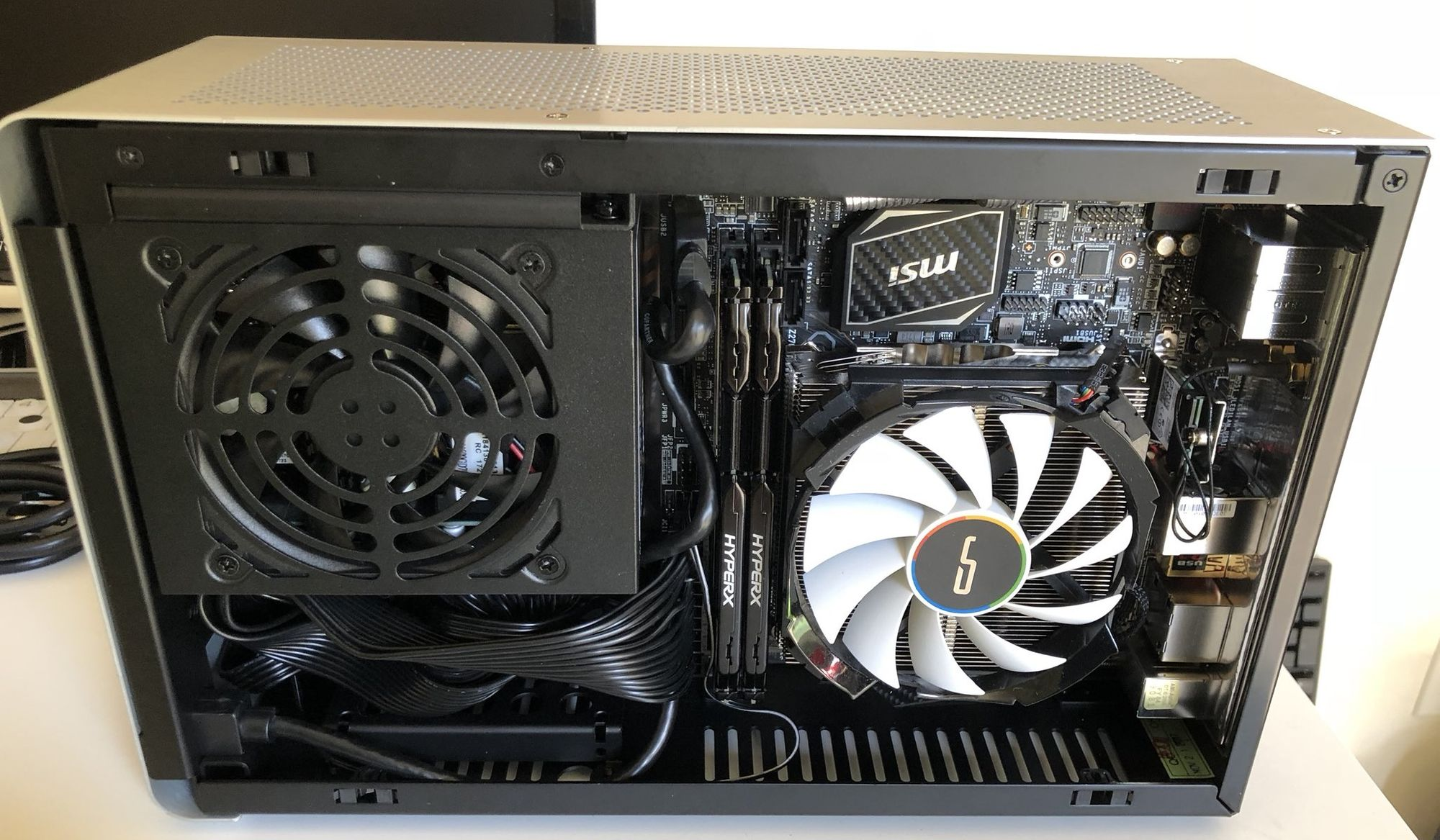
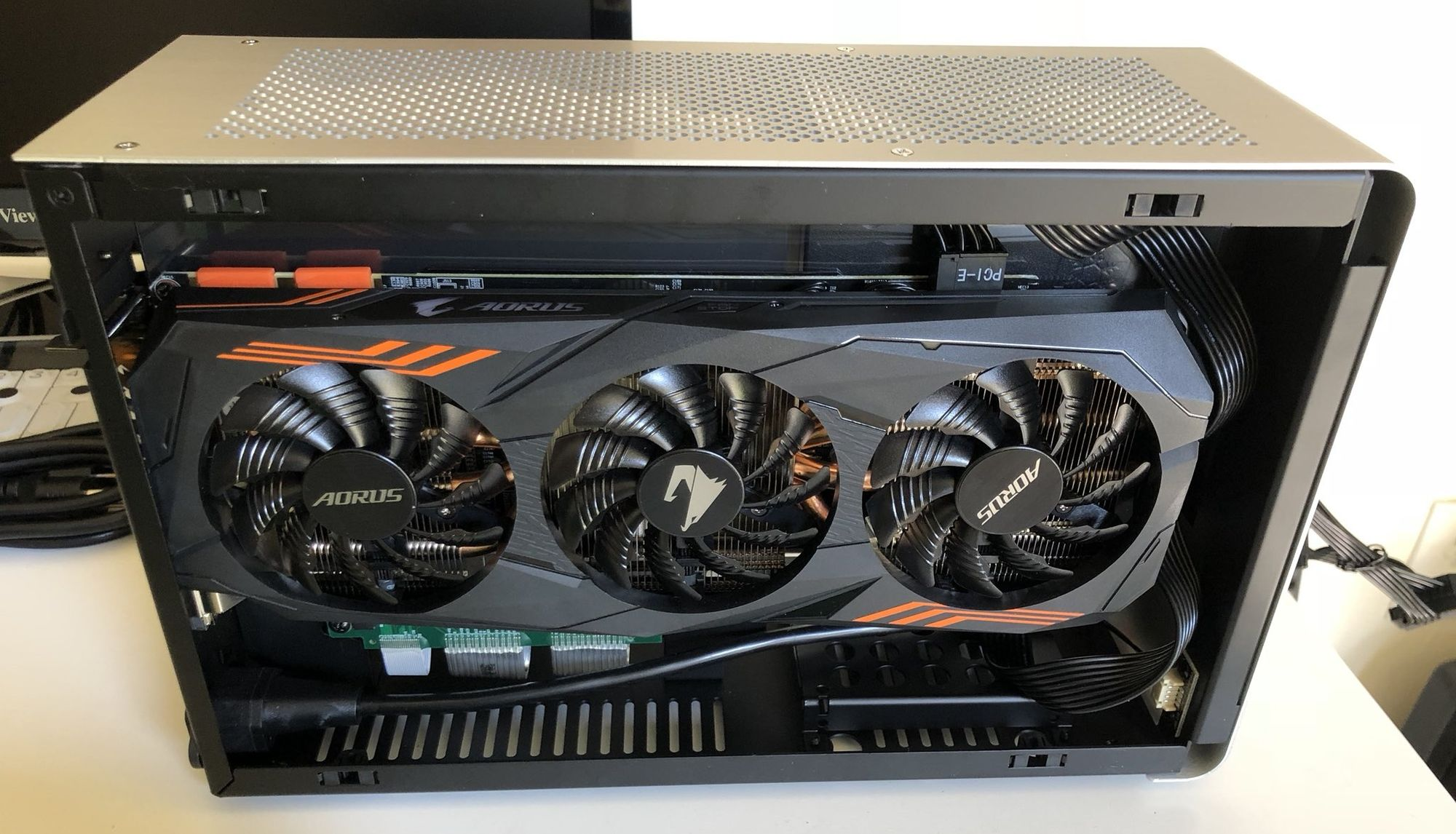
For his personal build, Atwood ultimately selected the Streacom DA2, a choice driven by the practicalities of housing extremely powerful components within a small footprint. While the Dan A4 SFX represents the pinnacle of miniaturization, the DA2 offers crucial additional space for robust cooling solutions and larger fans, essential for maintaining optimal temperatures for high-performance CPUs and GPUs under load.
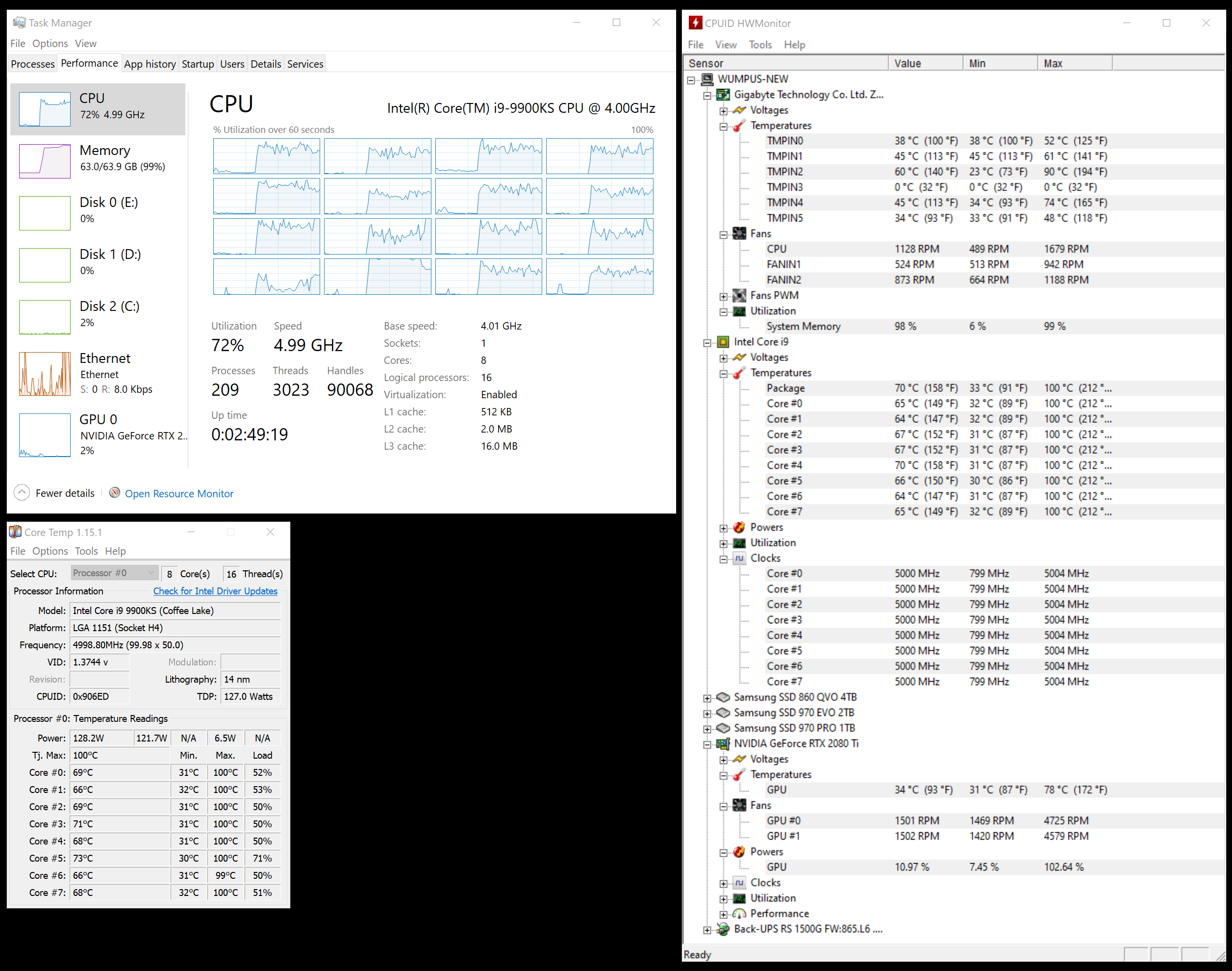
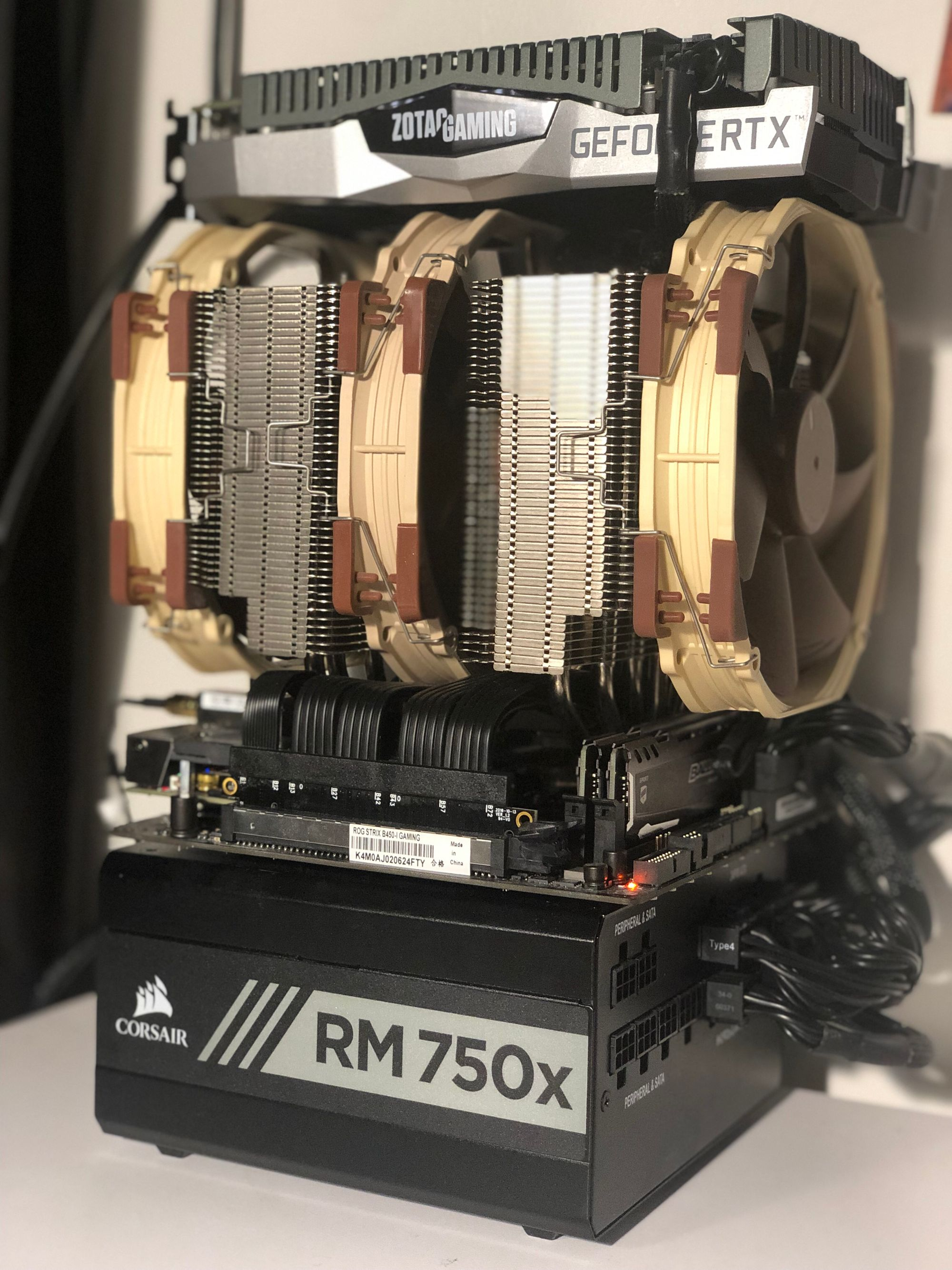
Compared to his previous 2015-2017 system, which featured a slightly overclocked Intel i7-7700K processor, the new DA2 build offers significant upgrades across key metrics. Although specific component details for the new build are not explicitly listed in the original text, Atwood’s description of achieving "2x the cores (and faster cores, both in clock rate and IPC), 2x the memory, and 2x the M.2 slots (two versus one)" points to a truly high-end, contemporary configuration.
- Processor (CPU): To achieve "2x the cores" and faster performance than an i7-7700K (a 4-core/8-thread CPU), the new system likely features a top-tier processor such as an AMD Ryzen 9 series (e.g., 7950X or 7950X3D with 16 cores/32 threads) or an Intel Core i9 series (e.g., 14900K with 24 cores/32 threads, including efficiency cores). These modern CPUs offer significantly higher core counts, improved Instructions Per Cycle (IPC), and higher clock speeds, leading to substantial gains in multi-threaded applications, gaming, and professional workloads.
- Memory (RAM): Doubling the memory from a typical 16GB or 32GB in a 2015 system, the new build likely boasts 64GB of high-speed DDR5 RAM. This is crucial for memory-intensive tasks like video editing, 3D rendering, large dataset analysis, and running multiple virtual machines.
- Storage (M.2 Slots): The shift from one to two M.2 slots signifies increased storage capacity and flexibility. Modern NVMe M.2 SSDs offer vastly superior read/write speeds compared to traditional SATA SSDs, let alone HDDs. Two slots allow for a primary boot drive and a secondary, high-speed storage drive for games, projects, or scratch disks, greatly enhancing overall system responsiveness.
- Graphics Card (GPU): While not explicitly mentioned, a "truly powerful system" in an SFF context would invariably include a high-end graphics card. Given the need for substantial cooling and the compact nature, a modern NVIDIA GeForce RTX 4080 or AMD Radeon RX 7900 XT/XTX would be plausible, offering significant performance gains over any GPU from 2015, particularly for 4K gaming and GPU-accelerated professional applications.
This comprehensive upgrade represents a generational leap, enabling the system to handle the most demanding applications and games at high resolutions and frame rates, while also being poised for future computational challenges, including AI and machine learning workloads.
Optimizing the Streacom DA2: Airflow and Design Nuances
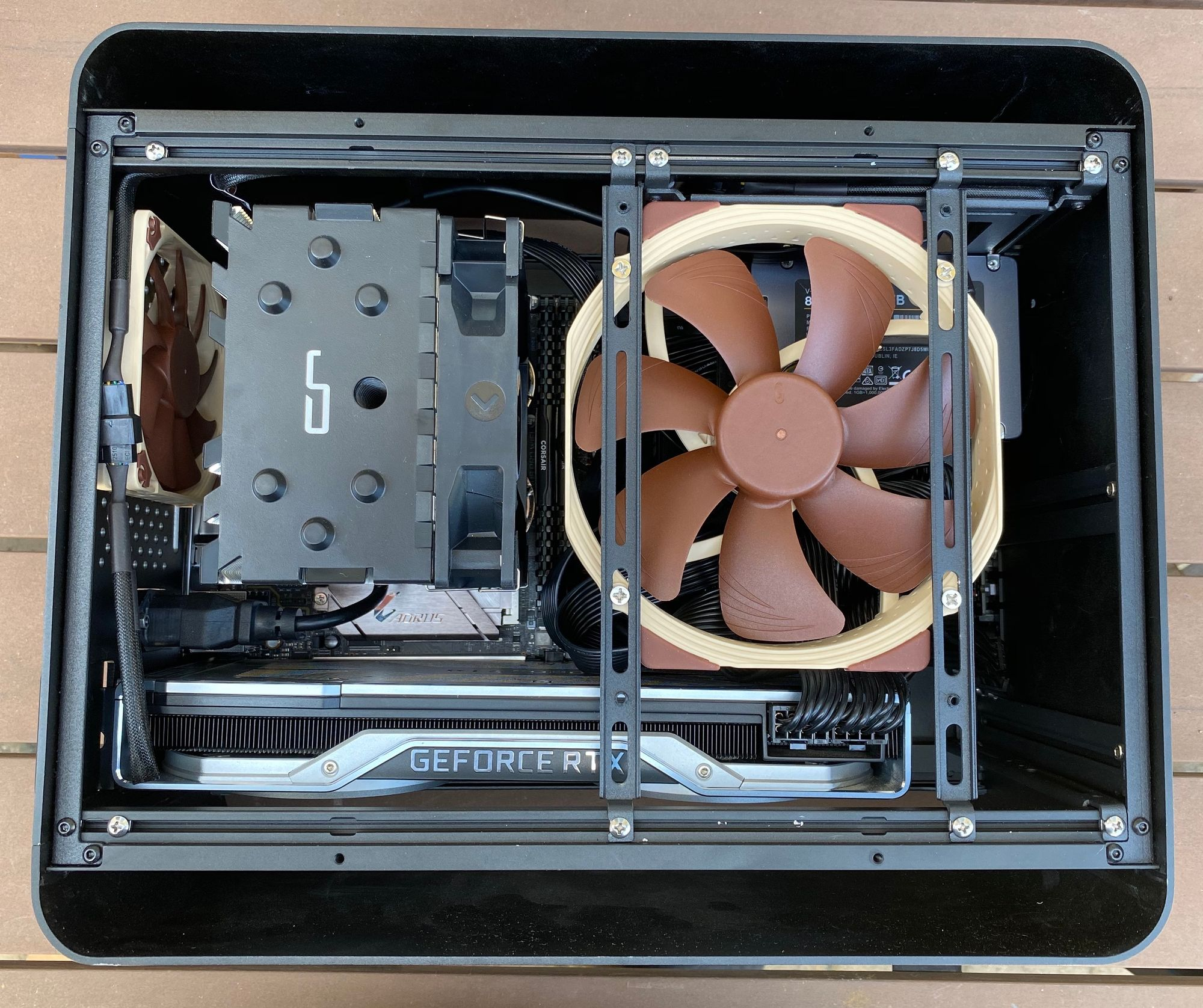
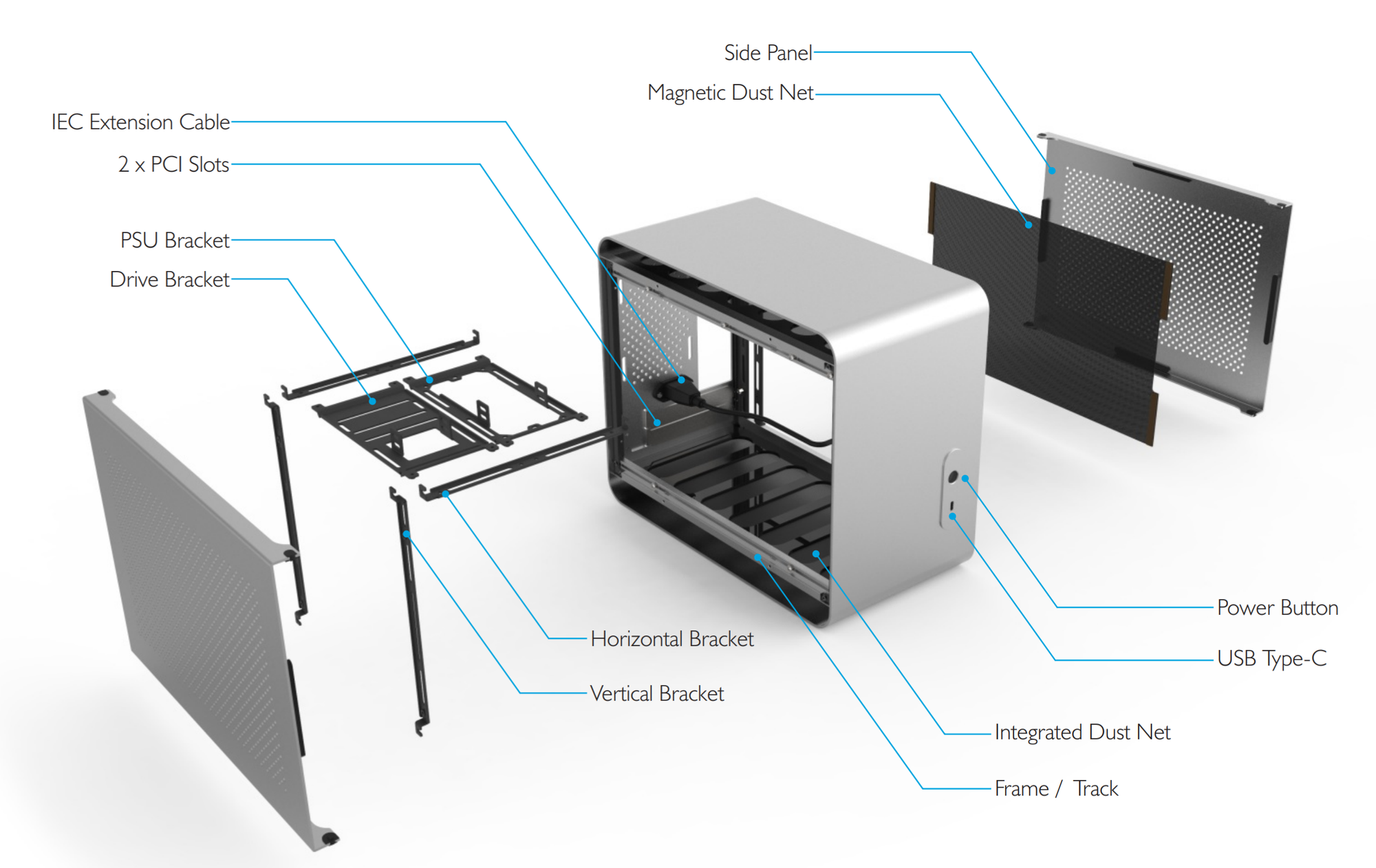
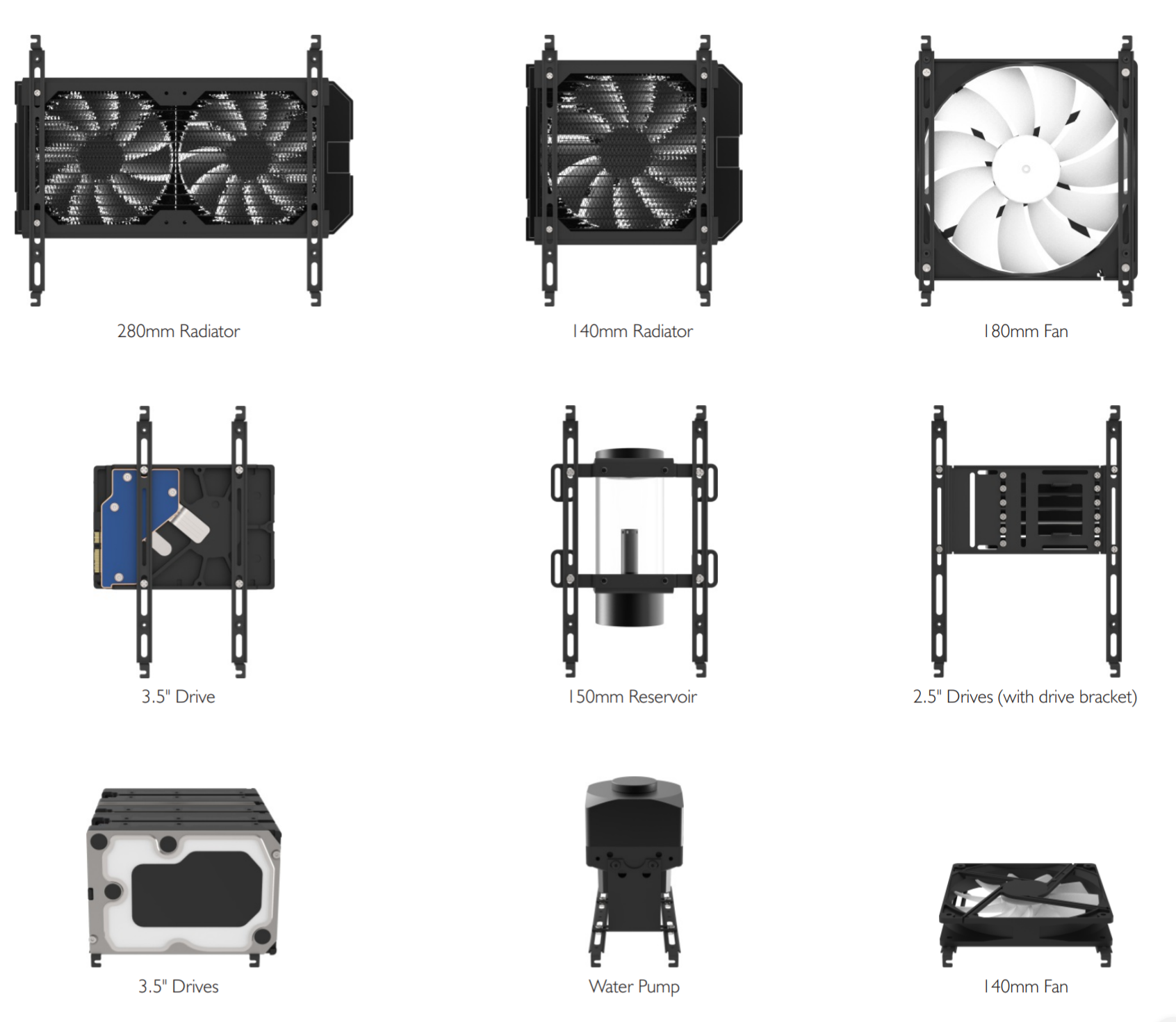
The Streacom DA2 case itself is lauded for its intelligent design, featuring a hybrid open-air approach on the top and bottom, complemented by a versatile internal bracket system. This bracket system, detailed in the case’s manual, allows for highly customizable mounting options for components, enabling users to fine-tune layouts for optimal thermal performance and component compatibility. The "captured nut and bolt design" simplifies assembly and modification, a welcome feature in the often-cramped world of SFF building.
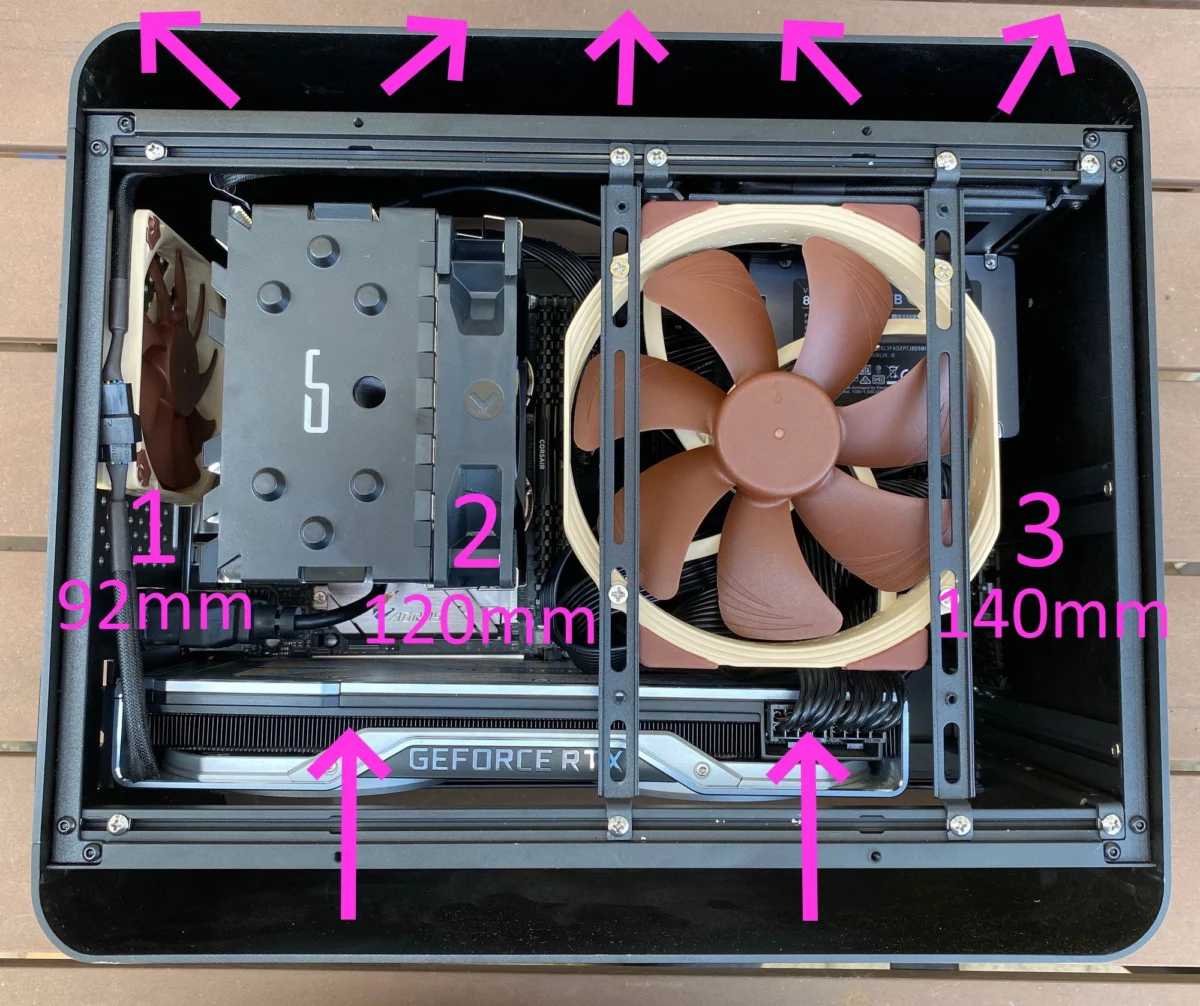
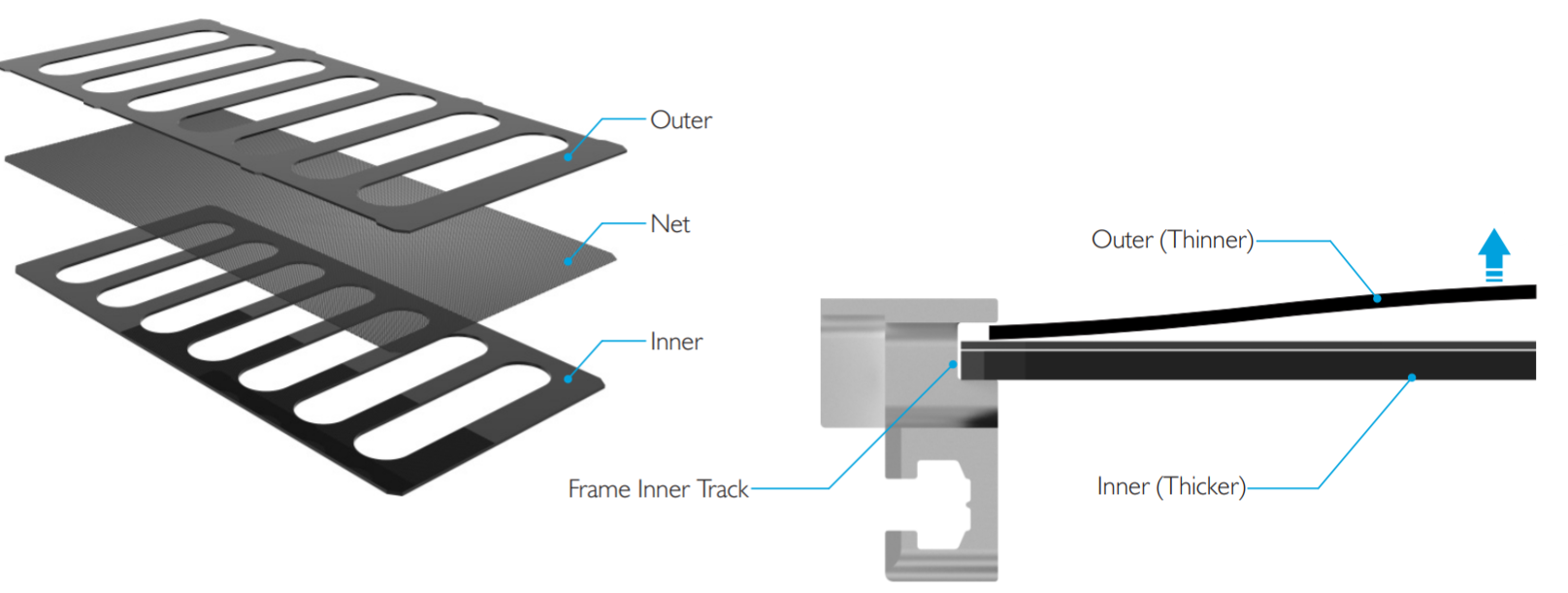
Atwood’s practical experience with the DA2 led to a crucial recommendation: removing the top and bottom acrylic pieces, which are fitted with mesh dust nets. He reported "dramatically better temperatures" after doing so, as it allowed the case to "fully breathe" through its primary intake and exhaust points. This observation highlights the critical role of unrestricted airflow in high-performance SFF systems, especially considering the DA2’s solid front panel which limits direct front-to-back airflow.
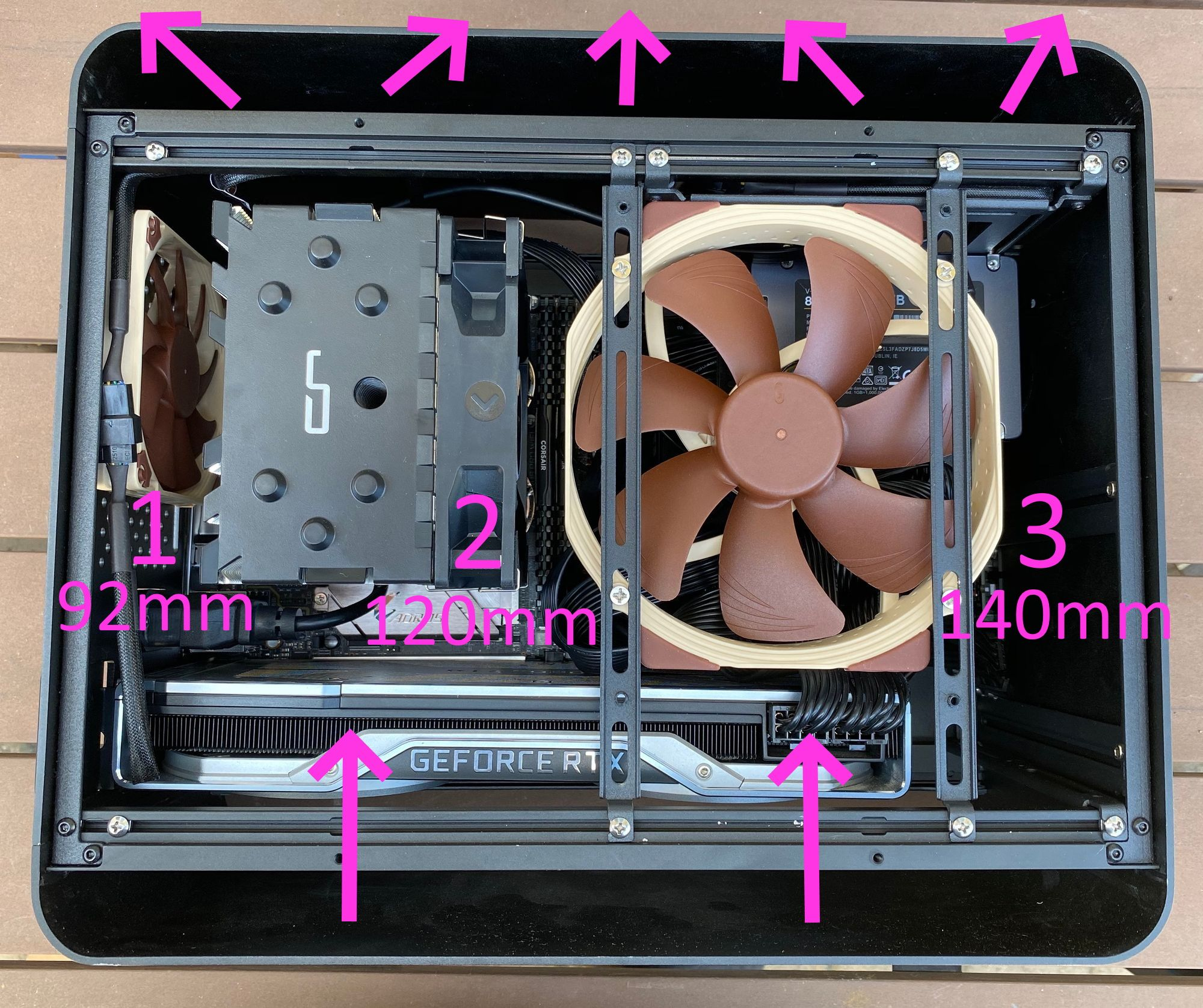
His recommended fan configuration for the DA2, prioritizing maximum airflow, includes three fans:
- An intake fan positioned at the bottom, drawing cool air directly into the GPU.
- An exhaust fan at the top, expelling hot air from the CPU area.
- A third fan, possibly placed at the rear or side depending on component layout, to further aid in heat dissipation.
While Atwood acknowledges that water cooling (specifically, an All-in-One liquid cooler for the CPU, utilizing the 140mm space) might be necessary for those who anticipate sustained, heavy CPU and GPU loads, his personal preference remains with air cooling, citing past "traumatic cooling fluid leaks." His successful "burn-in testing" of the air-cooled system demonstrates that with careful component selection and optimized airflow, robust air cooling is viable even for powerful SFF builds. However, he prudently advises that users expecting continuous maximum loads might need to consider liquid cooling or select slightly less powerful components to manage heat effectively within the compact chassis.
The Simplified Art of PC Building
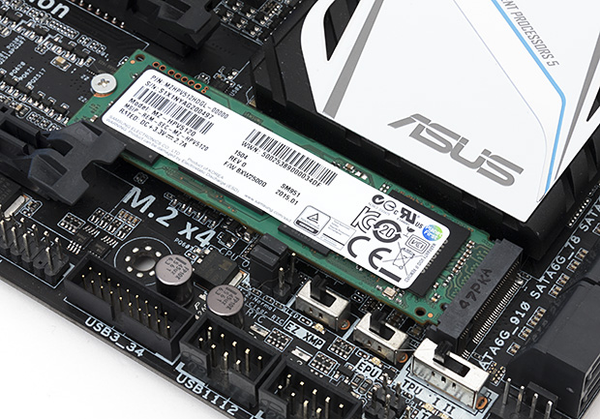
Another significant takeaway from Atwood’s experience is the increasing ease of building a PC. He notes that modern components are highly integrated, streamlining the assembly process. "Heck by the time you install the M.2 drives, memory, CPU, and cooler on the motherboard you’re almost done, these days!" This simplification is a testament to advancements in component design and standardization, making PC building more accessible to a wider audience. Motherboards now often feature integrated I/O shields, pre-mounted standoffs, and tool-less drive installation, reducing potential points of error and speeding up assembly.
This ease of assembly, combined with the aesthetic appeal and performance density of SFF systems, further fuels their growing popularity. The barrier to entry for custom PC building is lower than ever, inviting more users to explore personalized, high-performance computing solutions.

Broader Impact and Future Outlook
The trend towards compact, powerful systems, exemplified by Atwood’s DA2 build, signals a mature phase in personal computing where efficiency and form factor are as critical as raw performance. This shift has implications for various user segments:

- Gamers: Can enjoy high-fidelity gaming experiences in a discrete, living-room-friendly package.
- Creative Professionals: Gain powerful workstations that fit seamlessly into modern workspaces without being intrusive.
- Home Theater PC (HTPC) Enthusiasts: Can integrate powerful media servers and gaming systems into their entertainment centers without large footprints.
The innovation is no longer solely about fabricating faster chips, but about the ingenious packaging and thermal management of these powerful components. Companies like Yuel Beast Designs, mentioned by Atwood, are pushing the boundaries of SFF aesthetics and functionality, demonstrating the creative energy in this segment.

The ability to pack significant computational power into "less than 20 liters of space" represents a substantial engineering achievement and a new benchmark for personal computing. It challenges the traditional notion that performance requires bulk and heralds a future where powerful desktop computing can be discreet, portable, and aesthetically integrated into any environment. As component efficiency continues to improve, it is likely that SFF PCs will become an increasingly dominant segment of the enthusiast and professional markets, redefining what a high-performance computer looks like.
About the Author







