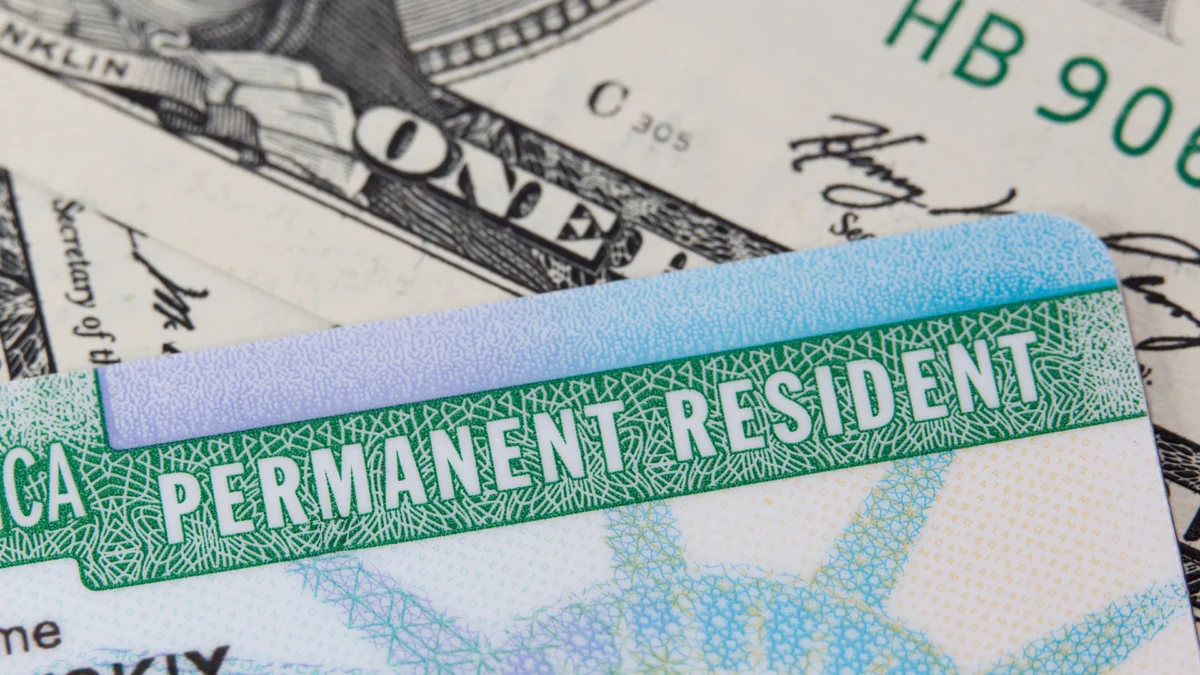
United States President Donald Trump today enacted a significant escalation in his administration’s ongoing efforts to reshape U.S. immigration policy, specifically targeting the H1-B visa program, by suspending Microsoft’s ability to apply for new H1-B visas for foreign workers. This unprecedented move, confirmed by Vice President J.D. Vance, casts a long shadow over the Redmond-based tech giant, impacting all its divisions, including the prominent Xbox video games unit, and severely curtailing its capacity to recruit specialized talent from outside the United States. The decision has immediately ignited a fierce debate regarding corporate hiring practices, the integrity of the H1-B program, and the future of skilled immigration in the U.S. tech industry.
The Executive Order and Its Immediate Impact on Microsoft
The suspension, effective immediately, marks a critical turning point in the Trump administration’s "America First" agenda, directly challenging the hiring strategies of one of the world’s most influential technology companies. By barring Microsoft from sponsoring new H1-B visas, the administration aims to compel the company to prioritize American workers for its open positions. This directive applies broadly across Microsoft’s vast operations, from its cloud computing infrastructure and enterprise software development to its artificial intelligence research and, notably, its gaming division, Xbox, which relies on a diverse global talent pool for development, engineering, and creative roles. While the immediate impact on existing H1-B visa holders at Microsoft remains unclear, the inability to apply for new visas will undoubtedly disrupt future hiring plans, potentially delaying projects and limiting access to niche expertise not readily available in the domestic workforce.
Allegations of Fraud: Vice President Vance’s Stance
The rationale behind this drastic measure was articulated by Vice President J.D. Vance during a Thursday speech, where he confirmed the administration’s action was predicated on suspicions of fraud within Microsoft’s H1-B visa applications. Vance launched a scathing critique, accusing Microsoft of systematically replacing American workers with foreign H1-B visa holders. He specifically cited figures alleging that Microsoft had laid off approximately 6,000 American employees in recent years, only to concurrently bring in 6,100 H1-B visa workers. The Vice President did not mince words, labeling these H1-B recipients as "foreign indentured servants," a provocative term intended to highlight perceived exploitation and a circumvention of fair labor practices for American citizens. This rhetoric aligns with a long-standing critique from some political factions and labor groups who argue that the H1-B program is misused by corporations to depress wages and offshore jobs.
Understanding the H1-B Visa Program: Purpose and Perceived Abuses
The H1-B visa program is a non-immigrant visa that allows U.S. employers to temporarily employ foreign workers in specialty occupations. These occupations generally require a bachelor’s degree or higher in a specific field, encompassing roles in information technology, engineering, mathematics, science, and medicine. The program is capped annually, typically at 65,000 visas, with an additional 20,000 visas reserved for those with a U.S. master’s degree or higher. It was designed to help U.S. companies fill critical skill gaps and remain competitive in a globalized economy, attracting highly skilled professionals when domestic talent is scarce.
However, the program has been a perennial subject of controversy. Critics argue that it has been exploited by some companies to reduce labor costs by hiring foreign workers at lower wages than their American counterparts, or to replace American workers outright. Concerns have also been raised about "visa mills" that primarily exist to supply H1-B workers to larger corporations, often undercutting prevailing wages. Proponents, conversely, assert that the program is vital for American innovation, especially in the rapidly evolving tech sector, and that it helps retain and attract the brightest minds globally, preventing U.S. companies from relocating jobs and research abroad. They also highlight that many H1-B workers eventually become permanent residents and contribute significantly to the U.S. economy.
Microsoft’s Role in the H1-B Landscape: A Data-Driven Perspective
Microsoft has long been one of the most significant users of the H1-B visa program within the U.S. tech industry. According to data compiled by the United States Citizenship and Immigration Services (USCIS) via its H-1B Employer Data Hub, Microsoft consistently ranks among the top employers petitioning for H1-B visas. While the exact position can fluctuate year-to-year, the company typically falls within the top five, alongside other tech behemoths such as Amazon, Apple, Google, and Meta (formerly Facebook). For instance, recent USCIS data indicates that companies like Amazon, with tens of thousands of H1-B petitions, often lead the pack, followed closely by other major players. This highlights Microsoft’s reliance on international talent to sustain its expansive global operations and drive innovation. The specific percentage of Xbox employees on H1-B visas is not publicly disclosed, but given the highly specialized nature of game development, it is reasonable to infer a significant number of engineers, programmers, and technical artists may hold such visas.
Microsoft’s Official Rebuttal: Clarifying Visa Usage
In response to the administration’s allegations and the subsequent visa suspension, Microsoft quickly issued an official statement via its corporate blog, challenging the premise of the accusations and providing crucial contextual data. The company firmly argued that the suspension was "misaimed and based on incorrect information," seeking to clarify its H1-B application practices.
Microsoft’s statement provided a detailed breakdown of its visa usage for the last fiscal year, directly addressing the figures cited by Vice President Vance. The company stated: "For example, of the approximately 6,000 H-1B visa applications we submitted in the last fiscal year, 80% percent were to extend or change the status of existing Microsoft employees. These were not to hire new people." This clarification is critical, as a significant portion of H1-B applications are indeed for extensions or transfers of existing employees already legally working in the U.S., rather than for new hires from abroad. The company further elaborated on the remaining applications: "The remaining filings for new employees were for individuals already legally in the United States who decided to come work for us, and they equal only 1% of our U.S. workforce. They are not new arrivals to our country."
This defense suggests that the administration’s claim of Microsoft actively replacing American workers with foreign talent flown in from overseas may be misconstrued or exaggerated, at least based on Microsoft’s self-reported data. The company emphasizes its commitment to the U.S. workforce and highlights that its new H1-B hires are often individuals already contributing to the American economy in various capacities. The discrepancy between the administration’s narrative and Microsoft’s data underscores the complexity of H1-B visa statistics and the differing interpretations of what constitutes "new foreign workers."
A Ceremony of Contrasts: Nadella at the White House
Adding a layer of profound irony and political intrigue to the unfolding drama, Microsoft CEO Satya Nadella is slated to arrive at the White House later today. His visit is not for an urgent meeting about the visa suspension, but rather to be awarded a prestigious National Medal of Technology and Innovation by President Trump. This honor, recognizing Nadella’s leadership and Microsoft’s technological advancements, will be conferred at the same event where Elon Musk and Michael Dell are also receiving awards. Both Musk and Dell are widely recognized as close political allies of the President, making Nadella’s presence amidst the H1-B controversy particularly conspicuous.
The timing of this award, bestowed upon the leader of a company simultaneously being penalized by the same administration, creates a stark juxtaposition. It highlights a potential disconnect between the administration’s recognition of technological achievement and its policy decisions affecting the very companies driving that innovation. The optics of Nadella accepting a presidential medal while his company battles a critical immigration restriction imposed by the same office are undeniably complex, inviting questions about political maneuvering, corporate influence, and the administration’s broader agenda.
Broader Context: The Administration’s Immigration Stance
This suspension targeting Microsoft is not an isolated incident but rather a significant maneuver within the Trump administration’s long-standing and often aggressive stance on immigration. Since taking office, President Trump has consistently advocated for policies under the banner of "America First" and "Buy American, Hire American," aiming to reduce both legal and illegal immigration, and to prioritize American workers.
Previous actions by the administration have included:
- Executive Orders: Implementing executive orders like "Buy American, Hire American" which specifically called for a review of the H1-B program to ensure it was used to hire the "best and brightest" and not to displace American workers.
- Increased Scrutiny and Denials: A general increase in scrutiny for H1-B visa applications, leading to higher rates of requests for evidence (RFEs) and denials, making it more challenging for companies to secure these visas.
- Targeting Other Visa Categories: Vice President Vance’s speech also explicitly "chided universities for the use of J-1 visas for international students," indicating a broader skepticism towards various temporary visa programs that facilitate foreign presence in the U.S. workforce or educational institutions. The J-1 visa program allows foreign nationals to participate in work-and-study-based exchange visitor programs in the U.S., including students, scholars, and interns. This broader targeting suggests a systemic effort to limit avenues for non-citizens to work or study in the country, aligning with a more restrictive immigration philosophy.
This latest action against Microsoft can be seen as an intensification of these efforts, moving from general scrutiny to a direct suspension of a major employer, signaling a willingness to take concrete, punitive measures against companies deemed non-compliant with the administration’s vision for the American workforce.
Industry Reactions and Potential Legal Challenges
The suspension of Microsoft’s H1-B visa eligibility is expected to send ripples throughout the tech industry. Industry trade groups, such as TechNet and CompTIA, which advocate for the technology sector, are likely to express concern. They have historically argued that restricting access to skilled foreign talent stifles innovation and forces companies to consider moving research and development activities overseas. Other major tech companies, many of whom also heavily utilize H1-B visas, will be closely watching Microsoft’s situation, concerned that similar actions could be taken against them. This move could create a "chilling effect," prompting companies to re-evaluate their global talent strategies and potentially accelerate plans to open or expand R&D centers in other countries with more favorable immigration policies.
From a legal perspective, Microsoft may explore avenues to challenge the administration’s decision. Companies have previously litigated against immigration policy changes, arguing that certain directives exceed presidential authority or are based on arbitrary and capricious decision-making. The company’s detailed rebuttal, citing specific data about extensions and existing U.S.-based hires, could form the basis of a legal challenge, arguing that the suspension is based on a misinterpretation of facts or a flawed understanding of the H1-B program’s application process. Such a legal battle would likely be protracted and could set a significant precedent for the relationship between the U.S. government and the tech industry regarding immigration policies.
Long-Term Implications for Tech and Innovation
The implications of this action for Microsoft, the broader tech industry, and U.S. innovation are substantial. For Microsoft, the inability to easily recruit specialized talent from abroad could lead to:
- Innovation Slowdown: Critical projects, especially in cutting-edge fields like AI, quantum computing, and advanced software development, often require highly specialized skills that may not be abundant domestically. Restricting access to this global talent pool could slow down research and development, potentially putting Microsoft at a disadvantage against international competitors.
- Talent Drain: If the U.S. becomes perceived as less welcoming to skilled foreign talent, top minds might choose to pursue opportunities in other countries like Canada, the UK, or Germany, which actively recruit tech professionals.
- Operational Shifts: Microsoft might be compelled to expand its international R&D centers and relocate jobs outside the U.S. to access the necessary talent, potentially leading to a net loss of high-value jobs within the United States in the long run.
For the U.S. tech sector as a whole, this aggressive stance on H1-B visas could signal a broader shift towards protectionist policies that prioritize domestic hiring above all else, even at the potential cost of innovation and global competitiveness. While the stated goal is to create more jobs for American workers, critics argue that such policies often have unintended consequences, including a reduction in overall economic growth and a weakening of the U.S.’s position as a global leader in technology. The debate over H1-B visas and skilled immigration is therefore not just about specific job numbers, but about the fundamental future trajectory of the American economy and its capacity for innovation.
Game Developer has reached out for further comment from Microsoft, but has not received additional information by the time of publication beyond the company’s official blog statement. The coming weeks and months will undoubtedly reveal the full scope of this policy change, its impact on Microsoft’s operations, and its broader ramifications for the intricate relationship between technology, immigration, and national policy in the United States.
About the Author