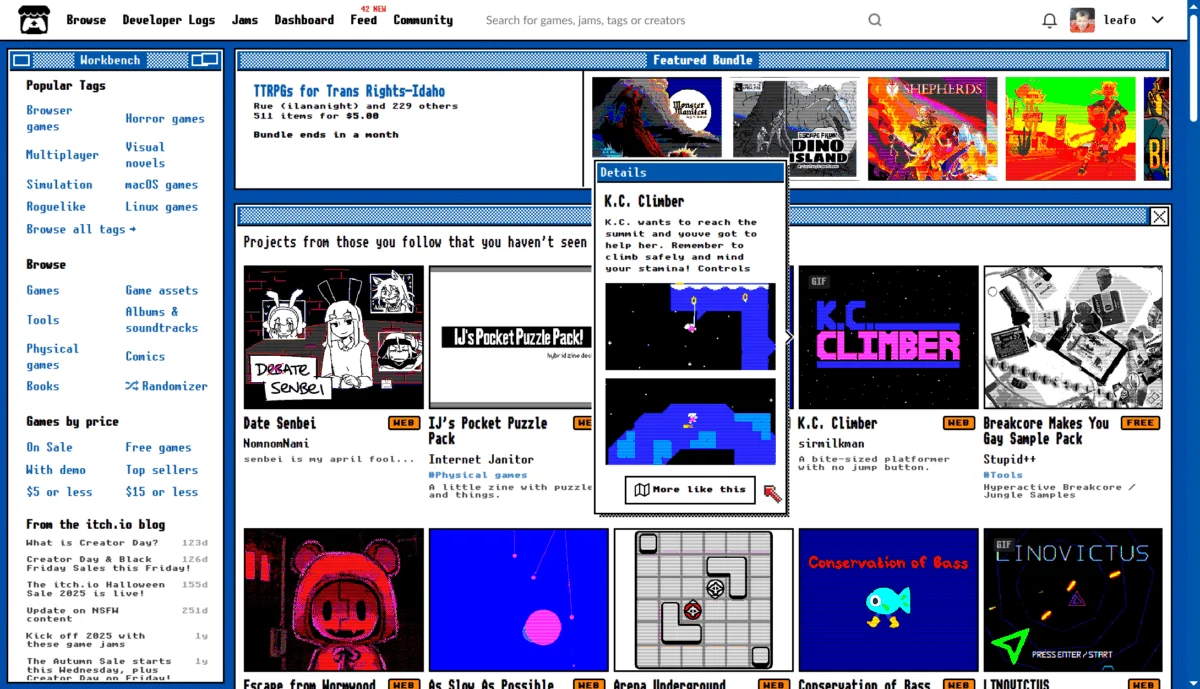
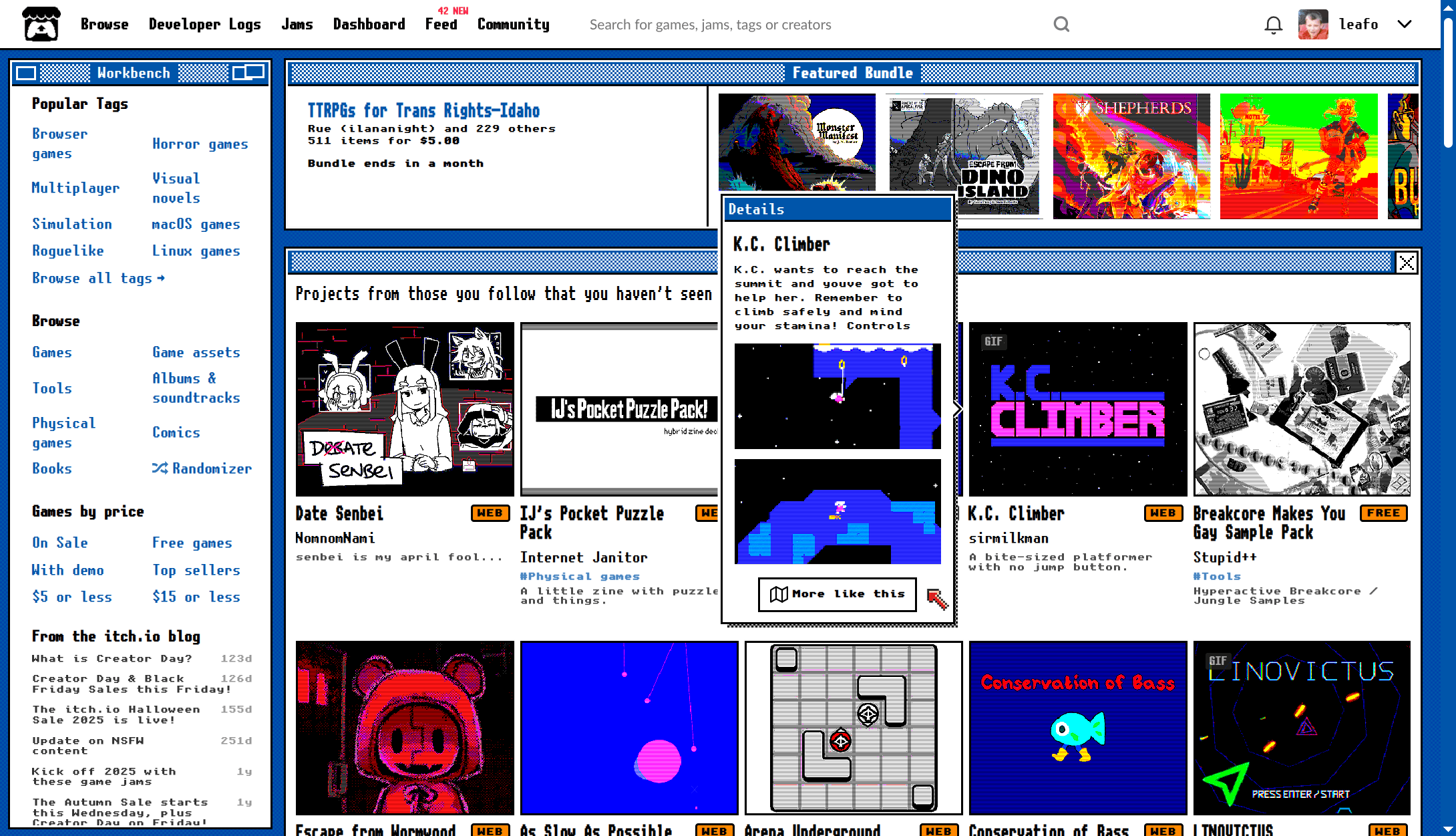
The experimental "Ameyega mode" on itch.io, a prominent digital storefront for independent games, has officially concluded, bringing to an end a unique April Fools’ Day initiative that transformed the platform’s homepage into a retro-inspired, ASCII art aesthetic. Initially launched on April 1st, the temporary visual overhaul was extended beyond its traditional one-day lifespan due to a "late" deployment, as stated by the itch.io team. While the primary event has ended, the platform has made the Ameyega mode accessible for logged-in users via a specific URL (https://itch.io/?ameyega), promising its availability until substantial changes are made to the homepage in the future. This move allows those who missed the experience or wish to revisit its distinctive look to do so at their leisure.
The Ameyega Experiment: A Nostalgic Digital Homage
Ameyega mode was a deliberate nod to the computing aesthetics of the late 20th century, specifically evoking the visual style of classic systems like the Amiga, Commodore 64, and DOS-era personal computers. The mode stripped away modern web design elements, replacing them with a stark, character-based interface composed entirely of ASCII art. This involved rendering text, images, and layout using a limited palette of alphanumeric characters and symbols, reminiscent of early graphical user interfaces. The visual transformation was particularly striking for regular users accustomed to itch.io’s contemporary design, presenting a stark contrast that immediately signaled a departure from the norm. The unique fonts employed for this retro presentation were credited to viznut.fi/unscii/, further cementing the project’s dedication to an authentic, old-school feel.
The initiative served as a playful homage to the roots of digital creativity and gaming, a theme deeply resonant with itch.io’s community of independent developers and players, many of whom harbor a strong appreciation for retro gaming culture. April Fools’ Day has long been a tradition in the tech and gaming industries for such creative, often humorous, temporary modifications, designed to engage communities, test boundaries, and inject a dose of levity into the digital landscape. Ameyega mode fit squarely within this tradition, aiming to elicit a sense of nostalgia while providing a novel browsing experience.
Chronology of the Ameyega Mode Rollout and Conclusion
The "Ameyega mode" was first activated on April 1st, aligning with the global tradition of April Fools’ Day pranks. However, the itch.io team acknowledged a delay in its launch, leading to an extension of its active period beyond the typical 24 hours. This extension allowed more users to experience the retro interface, effectively turning a brief joke into a slightly more prolonged interactive event. The official announcement of the mode’s conclusion was made shortly thereafter, with the team expressing gratitude to all participants.
Post-conclusion, itch.io demonstrated a commitment to user experience by providing a persistent access link for logged-in users. This decision underscores a recognition of the mode’s unique appeal, particularly to those who might appreciate its aesthetic beyond the confines of a temporary gag. The availability of the Ameyega mode through this dedicated URL ensures that its digital legacy is preserved, allowing for future revisits and showcasing itch.io’s responsiveness to community interest. This approach also mitigates potential disappointment from users who enjoyed the retro theme and wished for its continued existence as an optional feature.
Community Response: A Spectrum of Views and Technical Feedback
The introduction and subsequent conclusion of Ameyega mode elicited a diverse array of reactions from the itch.io community, as evidenced by the 43 comments posted on the official announcement. The feedback underscored the challenges and opportunities inherent in deploying such a widespread, temporary interface alteration on a platform with millions of users and a wide range of accessibility needs.
Positive Reception and Nostalgic Appreciation
A significant portion of the community embraced Ameyega mode with enthusiasm. Many users expressed delight at the nostalgic "throwback" and found the ASCII art homepage "charming." Comments highlighted the mode’s ability to make browsing feel genuinely "nostalgic," with some users describing it as a "delightful" and unique experience. For a segment of the audience, the retro aesthetic resonated deeply, evoking fond memories of early computing and gaming. There were even strong pleas for the mode to be made a permanent, optional theme, with users like "mauisland" stating, "I would like for itch.io to change to it permanently. I was sad to find out it was a joke." Another user, "katt-kirsch," lauded it for improved readability, stating, "Please please please make an option to keep this, it’s SO much easier to read for me wow I love love love it." This sentiment suggests that beyond its comedic value, the Ameyega mode unintentionally addressed certain accessibility or preference-based needs for some users, making the interface clearer or less fatiguing to view.
Critical Feedback and Technical Challenges
Despite the positive sentiment, Ameyega mode also faced considerable criticism, primarily stemming from usability and technical issues. The most frequently reported problem involved the incompatibility of Ameyega mode with the platform’s Dark Mode setting. Multiple users, including "raidenslayer" and "emanoelmelo," reported that Dark Mode ceased to function correctly on the homepage while Ameyega mode was active or immediately after its conclusion. This issue created a jarring visual experience for users who rely on Dark Mode for comfort or accessibility. User "clypsiphaya" initially reported the Dark Mode failure but later updated their comment, noting that the issue was resolved "four hours after posting this," indicating a swift response from the itch.io development team.
Beyond Dark Mode, some users found the retro interface genuinely difficult to navigate and visually taxing. Comments such as "omg please change it back this is so hard to navigate" from "boveedevin" and "it hurting my eyes" from "swummo" highlighted significant usability concerns. A particularly poignant comment from "ulysseandcharybde" raised accessibility issues: "Oh so cool, i’m disabled and I CAN’T WATCH THIS! How do you get this crap off?!" This feedback underscores the critical importance of considering diverse user needs, including those with visual impairments or other accessibility requirements, even for temporary, light-hearted initiatives. The stark, low-resolution nature of ASCII art, while nostalgic for some, proved to be an impediment for others.
Furthermore, one user, "dabbit-the-rabbit," used the comment section to highlight a seemingly unrelated, but persistent, technical issue affecting the broader community: "when are you guys going to fix the problem where a huge portion of the community cannot post anything on anyones game pages?" While not directly related to Ameyega mode, this comment indicates underlying technical concerns that affect user engagement and interaction across the platform, adding another layer to the community’s feedback.
Technical Implications and Rapid Response
The technical issues, particularly the Dark Mode malfunction, illustrate the complexities of implementing site-wide visual changes, even temporary ones. Modern web platforms are built with layers of CSS, JavaScript, and user preference settings that can conflict when core visual elements are drastically altered. The quick resolution of the Dark Mode issue, as noted by users, demonstrates itch.io’s proactive monitoring and responsive development team. This rapid fix was crucial in minimizing prolonged user frustration and maintaining the platform’s reputation for reliability.
The feedback regarding navigation difficulties and accessibility concerns also provides valuable data for itch.io’s UI/UX designers. While Ameyega mode was an April Fools’ prank, the intensity of some negative reactions, particularly concerning accessibility, serves as a vital reminder of the diverse user base and the need for inclusive design principles in all site developments, temporary or permanent. Even playful interventions can inadvertently create barriers for certain user groups.
Behind the Prank: Developer Insights and Creative Intent
While itch.io has not released a detailed post-mortem on the development of Ameyega mode, such an initiative typically involves significant planning and technical execution. The choice of ASCII art, crediting viznut.fi/unscii/ for the fonts, suggests a thoughtful approach to authenticity. The decision to extend the mode’s availability and provide a permanent access link points to an understanding of its niche appeal and a desire to cater to user preferences beyond the immediate prank.
April Fools’ Day pranks in the tech industry are not merely about humor; they are often strategic. They can generate significant buzz, increase website traffic, and foster a sense of community by inviting collective participation in a shared joke. For itch.io, a platform deeply embedded in the independent game development scene, such an event reinforces its identity as a creative, community-focused, and somewhat quirky entity. It provides an opportunity to showcase technical prowess in a fun context and gauge user reactions to experimental interfaces. The varied feedback, from fervent adoration to frustrated critique, offers a rich dataset for understanding user sentiment, technical resilience, and the ever-evolving landscape of digital aesthetics.
Broader Impact and Future Prospects for itch.io
The Ameyega mode event, despite its brief duration, offers several broader implications for itch.io and similar platforms. Firstly, it highlights the enduring appeal of retro aesthetics within the gaming and tech communities. The strong positive reactions indicate a significant demographic that appreciates and even prefers such classic interfaces, suggesting a potential market for optional themes or accessibility modes that cater to these preferences.
Secondly, the event served as an informal stress test for itch.io’s frontend architecture and its ability to handle radical visual changes while maintaining core functionality. The identified issues, such as the Dark Mode conflict, provide valuable insights for future development, ensuring that new features or temporary alterations are robust and compatible with existing user settings. The rapid resolution of the Dark Mode issue further solidifies itch.io’s reputation for attentive site maintenance and user support.
Finally, such community-engaging events contribute to brand personality and user loyalty. By participating in widespread internet traditions like April Fools’ Day, itch.io reinforces its image as an approachable, innovative, and user-centric platform. The conversations sparked by Ameyega mode, both positive and negative, demonstrate an active and passionate user base, a vital asset for any digital marketplace. The decision to keep Ameyega mode accessible for logged-in users indefinitely is a gesture that acknowledges this engagement, transforming a temporary gag into a lasting, albeit optional, feature. This could pave the way for future customizable themes or experimental interfaces, allowing users more control over their browsing experience.
In conclusion, Ameyega mode was more than just an April Fools’ Day prank; it was a digital experiment that resonated deeply with parts of the itch.io community while exposing critical usability and accessibility considerations. Its conclusion marks the end of a unique visual journey, but the feedback and technical lessons learned from this retro adventure will undoubtedly inform itch.io’s ongoing evolution as a leading platform for independent game creators and players. The continued availability of Ameyega mode serves as a testament to its memorable impact and itch.io’s commitment to its diverse user base.
About the Author