
A year after issuing a public challenge to Americans to "Share the American Dream," tech luminary Jeff Atwood, co-founder of Stack Overflow and creator of Coding Horror, has announced a substantial $71 million commitment towards poverty alleviation, with a significant $50 million dedicated to a new initiative focused on Guaranteed Minimum Income (GMI) in rural America. This pledge, representing half of his remaining personal wealth, marks a pivotal moment in Atwood’s philanthropic journey, shifting from immediate charitable giving to a long-term strategy addressing systemic economic inequality. The move underscores a growing trend among successful entrepreneurs to leverage their wealth for social impact, particularly in areas often overlooked by traditional philanthropy.
The Genesis of a Philanthropic Vision: From Tech Success to Social Impact
Jeff Atwood rose to prominence as a seminal figure in the tech world. His blog, Coding Horror, became a touchstone for developers, and his co-founding of Stack Overflow revolutionized how programmers share knowledge, eventually leading to its acquisition by Prosus for a reported $1.8 billion in 2021. This significant financial event prompted a profound personal introspection for Atwood and his family, encapsulated by the question, "When, exactly, is enough?" This query, voiced by his partner Betsy Atwood on a recent podcast, resonated deeply with the philosophy of Mary Gates: "From those to whom much is given, much is expected." It became the moral compass guiding their decision to commit substantial resources to societal betterment.
The concept of the "American Dream" – the belief that anyone, regardless of background, can achieve success and prosperity through hard work and determination – has been a cornerstone of national identity. However, in recent decades, many economists and social scientists argue that this dream has become increasingly elusive for a significant portion of the population, particularly those facing generational poverty, rising healthcare costs, and stagnant wages. Atwood’s initiative directly confronts this perceived erosion of opportunity, seeking to restore the fundamental conditions necessary for the dream to remain fair and attainable for all.
The "Share the American Dream" Pledge: A Two-Pronged Approach

In January 2025, Atwood launched his initial "Share the American Dream" pledge, inviting fellow Americans to join him in two distinct but complementary efforts. The first component called for immediate support for organizations effectively assisting those most in need across America. Demonstrating this commitment, the Atwood family initially donated $1 million to eight nonprofit charities. Recognizing the escalating urgency of immediate needs, they swiftly augmented this with an additional $13 million in donations within a few months, bringing the total for short-term relief to $21 million. These funds were directed towards various organizations likely involved in critical areas such as food security, emergency housing, healthcare access, and direct crisis intervention, providing a lifeline to vulnerable communities.
The second, and arguably more ambitious, component of the pledge focused on longer-term systemic change. It called for public dedications of time or funds within five years to address the root causes of economic disparity. This approach acknowledges that while immediate relief is crucial, it is insufficient to break cycles of poverty. As Atwood articulated, "You can’t take a completely short-term view and fight each individual fire reactively, as it comes. You’ll never stop firefighting. We also have to do fire abatement and deal with the root causes, improving conditions in this country such that there aren’t so many fires." It is this long-term vision that led to the significant $50 million commitment, earmarked for efforts designed to fundamentally alter the landscape of economic opportunity.
The Road Not Taken: Embracing Guaranteed Minimum Income (GMI)
After extensive research and deliberation, including exploring models inspired by organizations like the RAND Corporation and Lever for Change, the Atwood family arrived at a consensus by March 2025: the most effective path for their long-term investment was the implementation of a Guaranteed Minimum Income (GMI). This decision was formally announced in a blog post titled "The Road Not Taken is Guaranteed Minimum Income," signaling a significant strategic pivot.
GMI, while sometimes confused with Universal Basic Income (UBI), represents a refined approach to direct cash transfers. Unlike UBI, which provides a regular income to all citizens regardless of their means, GMI is specifically designed to target individuals and families who fall below a certain income threshold, ensuring they have the financial resources to meet their basic needs. This targeted approach aims to maximize the impact of every dollar by directing it to those most profoundly affected by poverty, particularly families experiencing generational cycles of economic hardship.
Proponents of GMI argue that it offers several advantages over traditional welfare programs. It reduces administrative overhead, eliminates the "poverty trap" where increased earnings lead to a disproportionate loss of benefits, and empowers recipients with agency over their financial decisions. Empirical studies and pilot programs globally have consistently demonstrated positive outcomes, including improved health metrics, reduced stress, increased educational attainment, and even a modest increase in employment rates as individuals gain the stability to pursue better opportunities. For instance, studies on similar programs have shown that direct cash transfers lead to better nutrition, improved mental health, and greater housing stability, contradicting common misconceptions about how recipients would utilize the funds.

Building on What Works: The Rural GMI Initiative (RGMII)
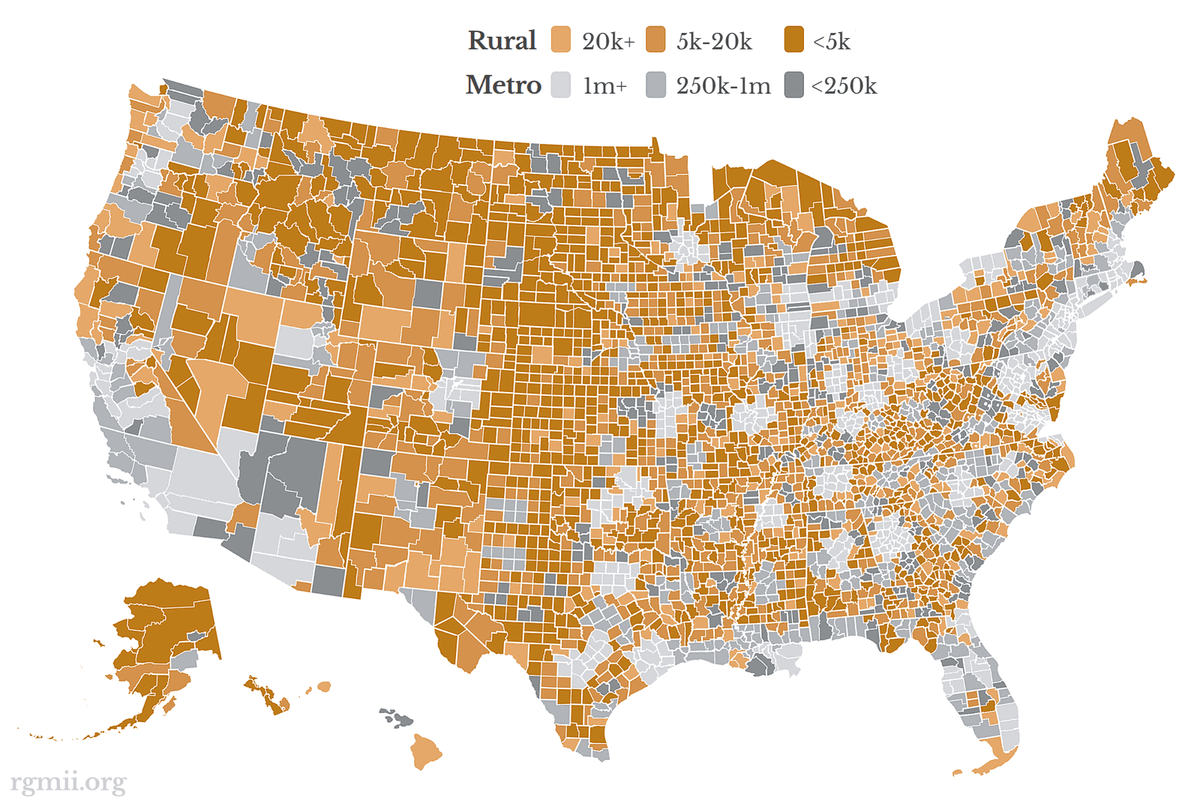
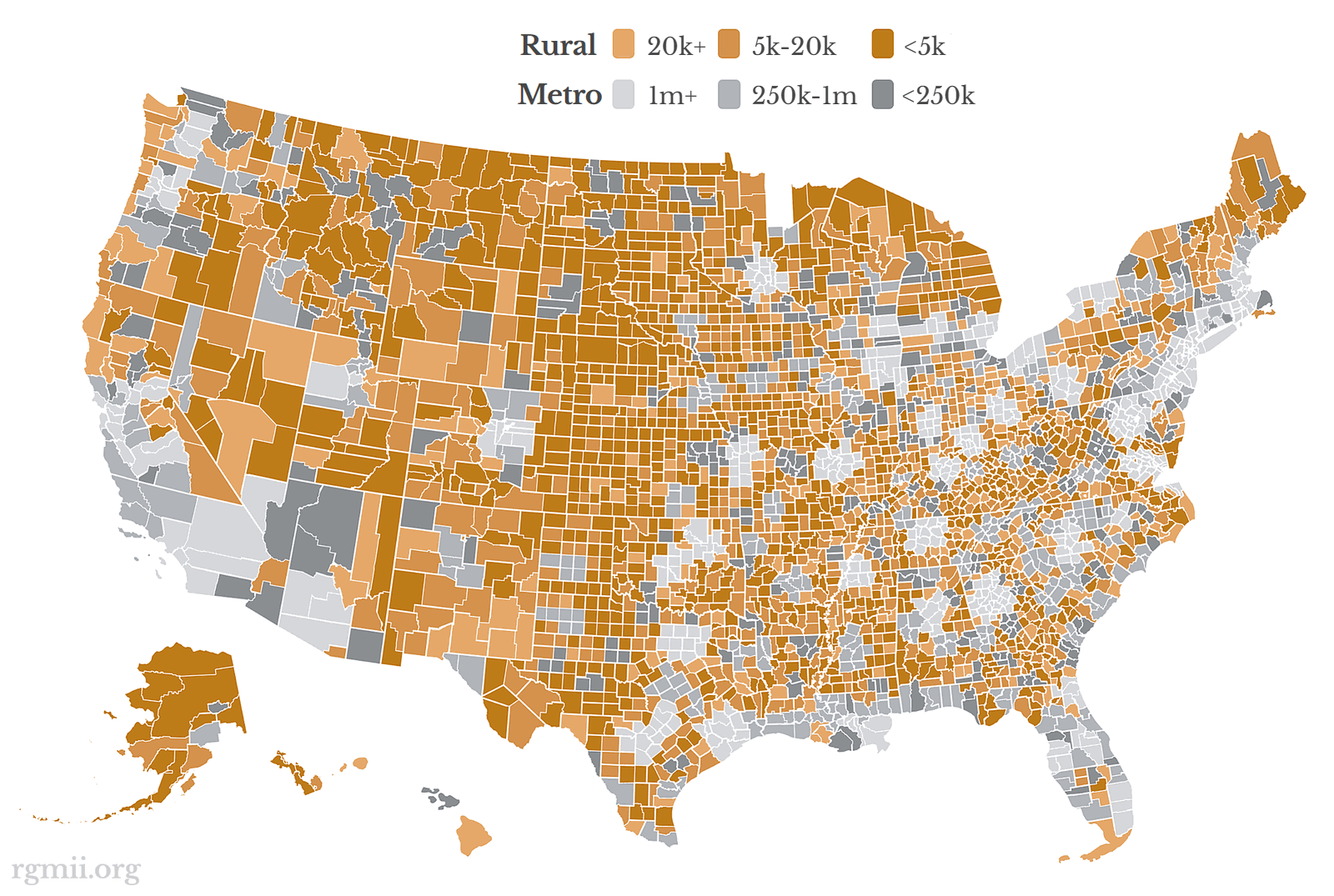
To implement their GMI vision, the Atwoods launched the Rural Guaranteed Minimum Income Initiative (RGMII), a targeted program designed for maximum impact and data collection. The strategic decision to focus on rural counties is multifaceted and deeply personal for Atwood, whose own family roots lie in these often-neglected areas.
Rural America faces unique and often exacerbated economic challenges. According to the U.S. Census Bureau, poverty rates in many rural areas consistently exceed national averages, with limited access to jobs, healthcare, education, and infrastructure. These communities are frequently overlooked by large-scale philanthropic efforts, which tend to concentrate on urban centers. The RGMII aims to address this disparity by leveraging several strategic advantages inherent to rural settings:

- Cost-Effectiveness: Dollars tend to stretch further in rural areas due to lower costs of living, allowing for greater impact per investment.
- Higher Prevalence of Poverty: The concentration of poverty in these regions means the intervention can reach a larger proportion of the local population in need.
- Smaller Populations for Tighter Studies: The more contained populations in rural counties offer ideal conditions for rigorous scientific studies, enabling precise data collection and analysis on the efficacy of GMI.
- Untapped Talent: Atwood believes these regions possess immense untapped human potential that can flourish with basic financial stability.
The RGMII has already commenced operations, funding three initial county-level programs in Mercer, West Virginia; Beaufort, North Carolina; and Warren, Mississippi. These counties represent diverse rural landscapes, each grappling with distinct socio-economic challenges. Mercer County, West Virginia, located in Appalachia, has contended with economic shifts from coal industry decline. Beaufort County, North Carolina, a coastal rural area, faces issues related to seasonal employment and environmental vulnerabilities. Warren County, Mississippi, situated in the Mississippi Delta, battles persistent historical poverty and lack of infrastructure.
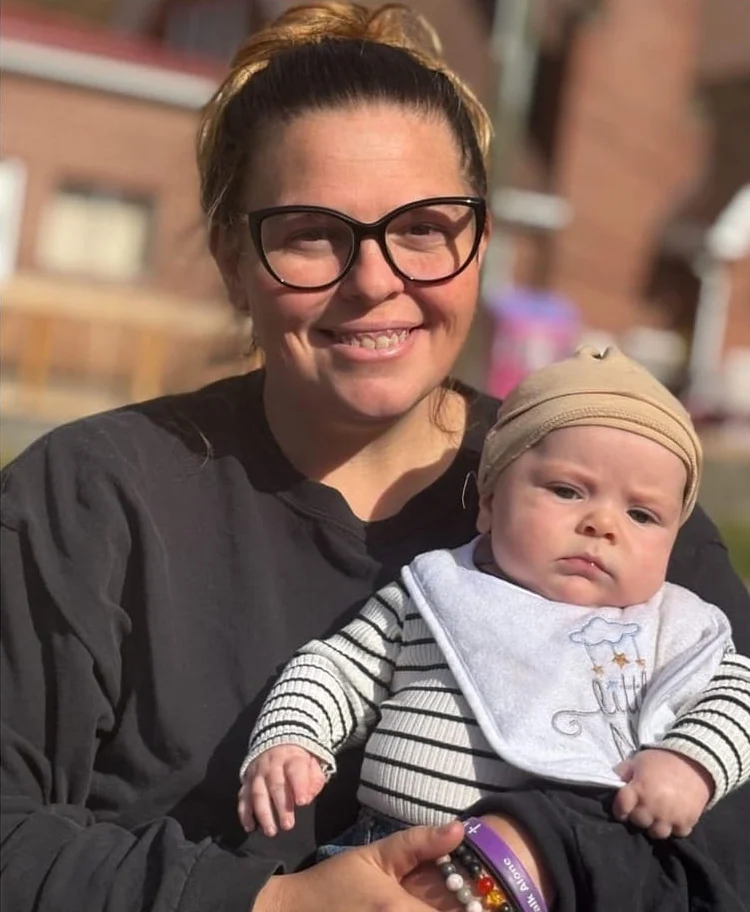
Each program will run for 16 months, providing financial support to thousands of individuals and families. The initiative emphasizes transparency and knowledge sharing, committing to publicizing all collected data and results. This open-source approach is critical for demonstrating the effectiveness of GMI, informing policy discussions, and encouraging broader adoption. As Stacy D., a recipient from Mercer County, WV, eloquently shared, the financial stability provided by GMI profoundly impacts daily life: "I was working full-time until I got pregnant… The day I got cleared to go back to work, my vehicle broke down. It was the only vehicle that we had that carried all the kids… This is gonna… it’s going to do a lot!" Her story highlights the precariousness of life for many, where a single unforeseen event can trigger a cascade of hardship, and how GMI can provide the necessary buffer.
Broader Implications and the Path Forward
The RGMII’s ambition extends far beyond these initial three counties. The ultimate goal is to expand the initiative to all 50 states, creating a comprehensive body of evidence for the transformative power of GMI in diverse rural contexts. This scalable model is designed to inspire and inform national policy, potentially leading to widespread adoption of similar direct cash transfer programs.
Economists and social policy experts are increasingly advocating for GMI and UBI models as effective tools for poverty reduction and economic stabilization. Dr. Evelyn Brooks, a researcher specializing in economic mobility, commented, "The targeted nature of GMI, as implemented by RGMII, is particularly promising. By focusing on those most in need, it addresses a core inequity while providing data that can effectively counter skepticism about direct cash transfers. The emphasis on rural areas also fills a critical gap in our understanding of how these programs perform outside of urban environments."
However, scaling such an initiative presents significant challenges. Public perception, often fueled by misconceptions about work incentives or fiscal responsibility, remains a hurdle. Political will is also crucial for legislative changes that could embed GMI into national or state social safety nets. The RGMII aims to address these by providing robust, transparent data that demonstrates tangible improvements in economic stability, health, and community well-being.
Jeff Atwood views this initiative not merely as philanthropy but as his "third and final startup," a venture dedicated to advancing the concept of direct cash transfer. He asserts that "simply giving money to those most in need is perhaps the most radical act of love we can take on." This commitment reflects a deeply held belief that societal progress hinges on empathy and collective action. The RGMII is not establishing an "Atwood Foundation" but rather a dedicated movement to prove and propagate a working solution to poverty.
The initiative also issues a call to action for others "to whom much is given." It invites individuals, foundations, and organizations to sponsor GMI studies in new rural counties, thereby accelerating the expansion to all 50 states. Beyond financial contributions, the RGMII encourages public engagement: sharing research results, learning about the history and mechanics of GMI, and advocating for these concepts with elected representatives. Understanding GMI, its nuances, and its proven efficacy is crucial to overcoming common misunderstandings and fostering a supportive environment for its growth.
In a nation grappling with persistent inequality, the Rural Guaranteed Minimum Income Initiative offers a tangible, data-driven pathway towards a more equitable future. It represents a significant investment not just in financial resources, but in the belief that shared prosperity and dignity are achievable for all Americans. As Atwood concludes, "Dreams, like happiness, are only real when shared. So let’s do that together." The RGMII stands as a testament to this philosophy, aiming to rekindle the promise of the American Dream for those who need it most.
About the Author







