
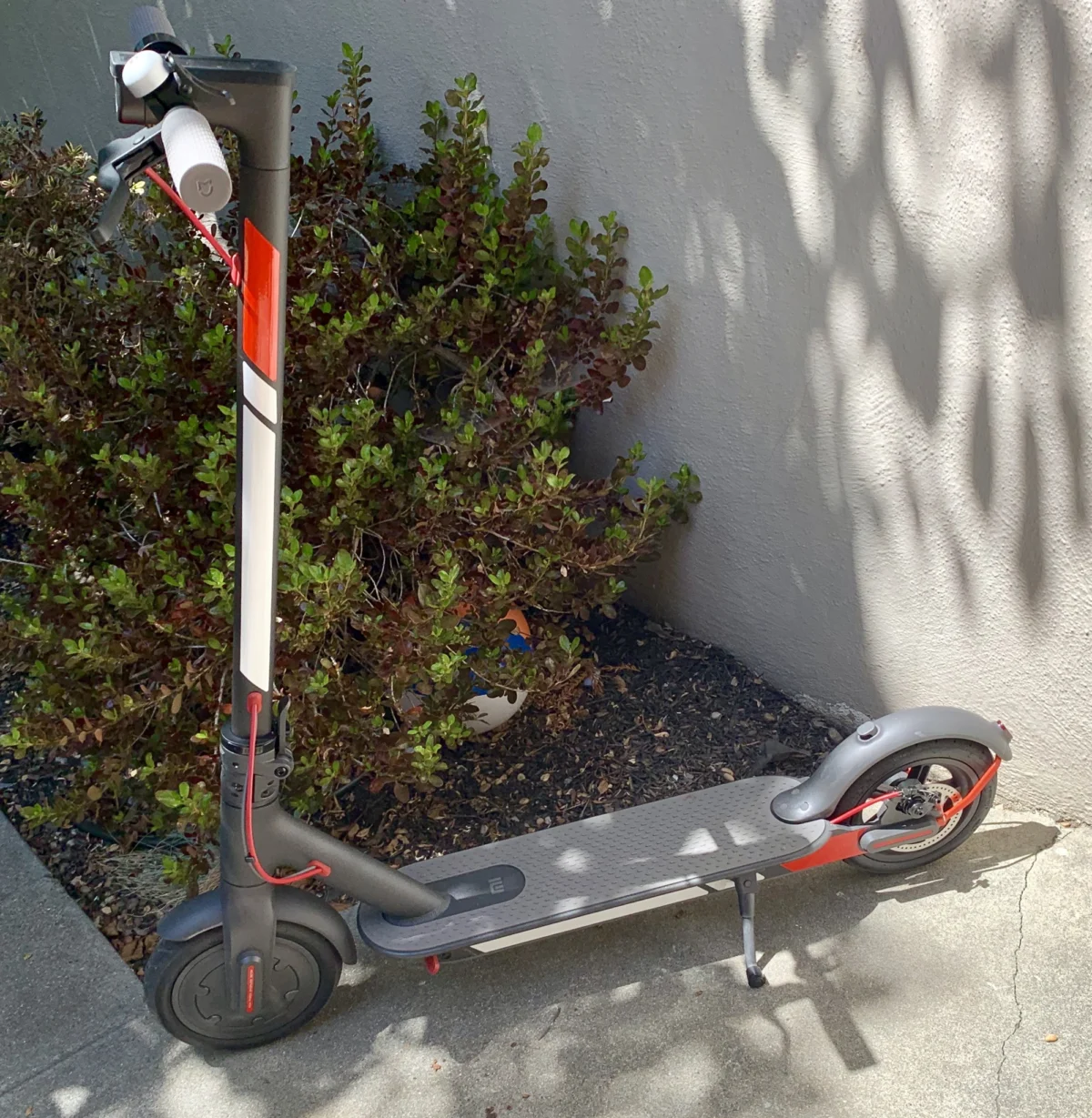
The dramatic reduction in electric vehicle battery costs has catalyzed a profound transformation in urban transportation, making compact, personal electric mobility solutions not just viable, but increasingly ubiquitous. While the impact on electric cars, where the battery constitutes a substantial portion of the overall price, has been significant, the effect on lightweight machines like electric scooters has been even more pronounced. The journey from nascent, often impractical electric vehicles of two decades ago to today’s affordable and high-performance models is intrinsically linked to advancements in energy storage technology.
The Battery Revolution: Fueling EV Affordability
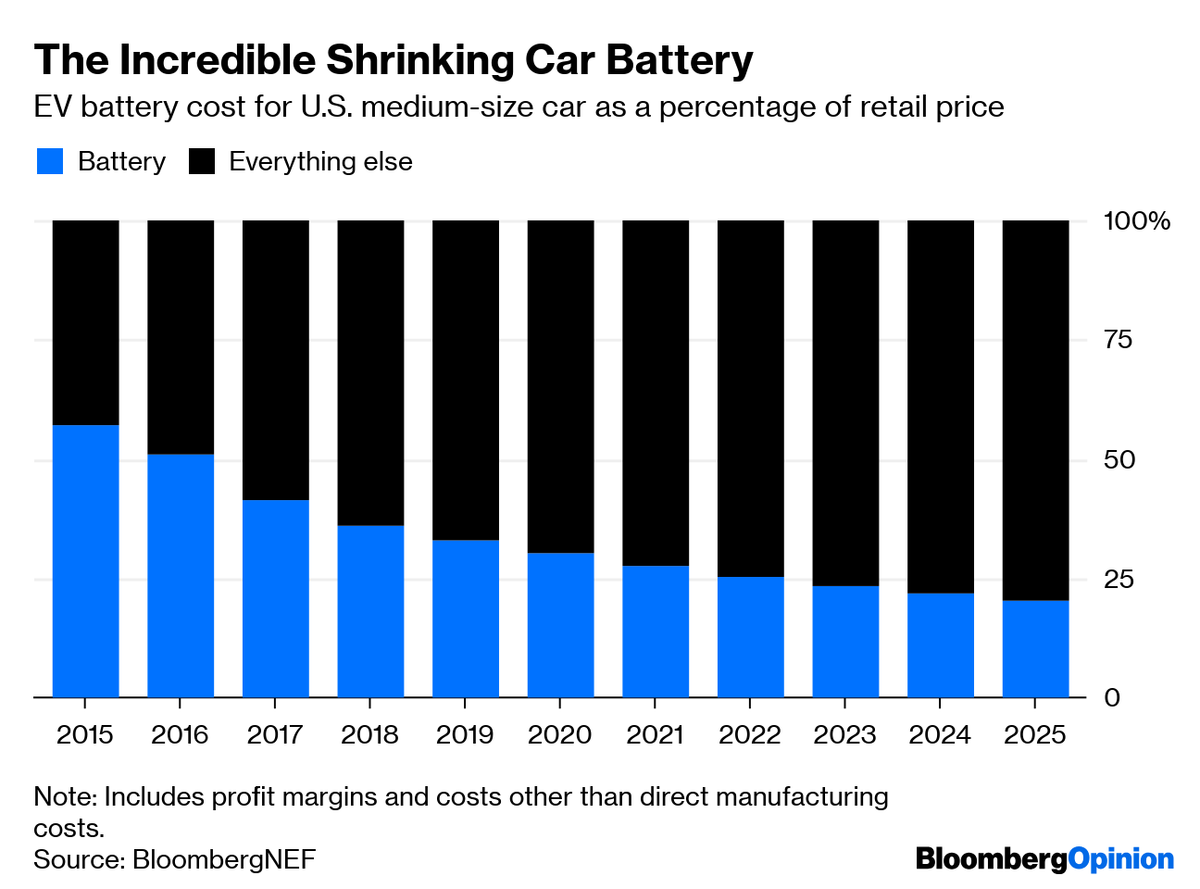
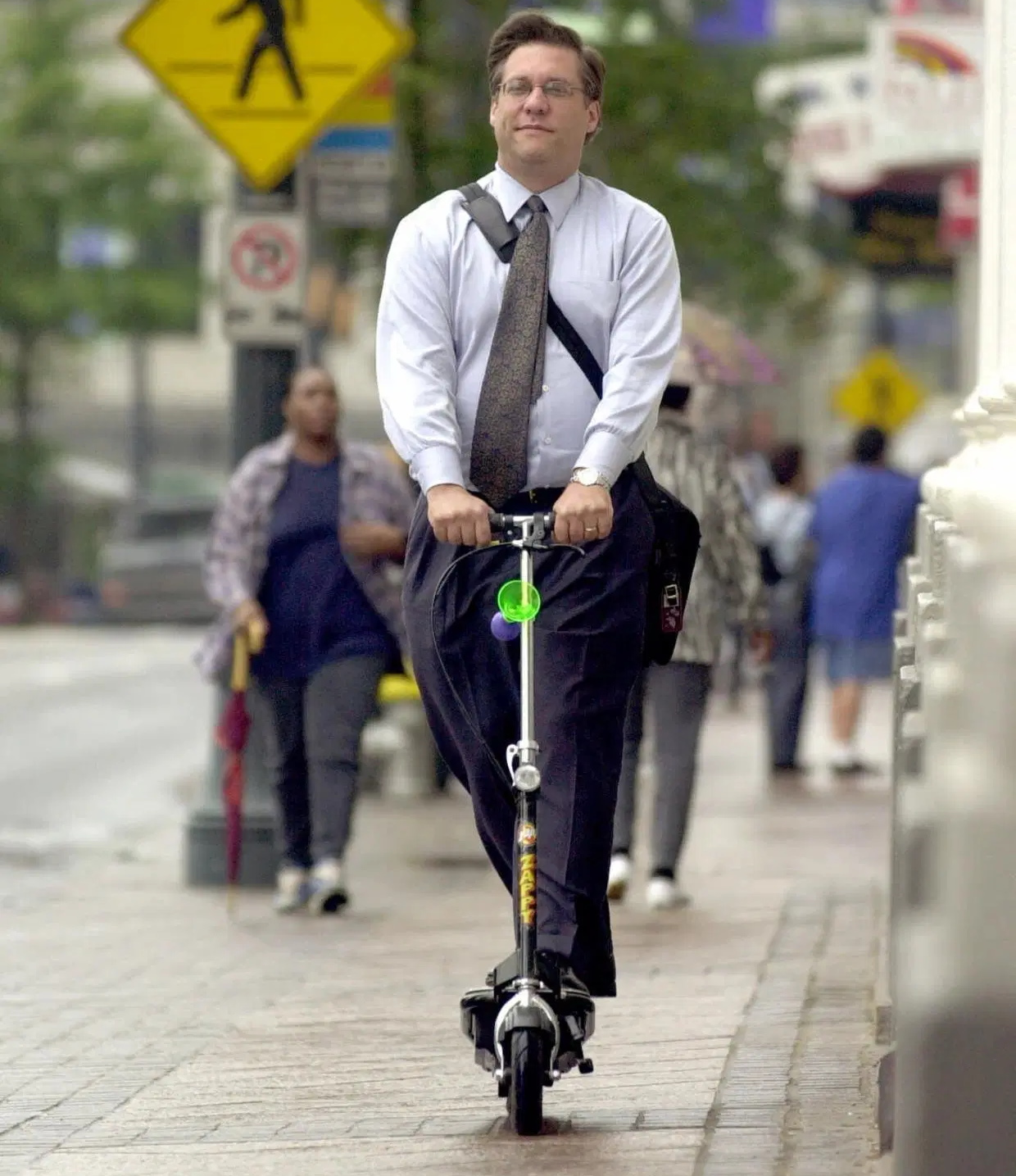
For years, the prohibitive cost and performance limitations of batteries were the primary roadblocks to widespread electric vehicle (EV) adoption. Early electric cars and devices, such as the Zappy electric scooter from the early 2000s, were severely hampered by bulky, heavy, and underperforming lead-acid battery technology. These older power sources suffered from critical deficiencies including limited range, excessively long charging times, and insufficient power output, rendering electric transportation largely impractical for daily use. This technological bottleneck effectively "killed" the initial wave of electric vehicles, confining them to niche applications or experimental projects.
The decisive turning point arrived with the maturation and subsequent mass production of Lithium-ion battery technology. Compared to their cumbersome lead-acid predecessors, Lithium-ion batteries offer a superior combination of attributes: significantly higher energy density, substantially lighter weight, much faster charging capabilities, and considerably longer operational lifespans. This technological leap has proven to be the single most critical factor in making electric vehicles – encompassing everything from passenger cars and commercial buses to personal scooters and bicycles – both economically viable and functionally competitive with traditional internal combustion engine (ICE) vehicles.
The plummeting cost of Lithium-ion batteries over the past decade serves as a stark testament to this ongoing revolution. Industry data consistently indicates that battery pack prices have fallen by over 85% since 2010, dropping from well over $1,100 per kilowatt-hour (kWh) to approximately $150 per kWh by 2019, with the downward trend continuing into subsequent years. This rapid deflation in what was historically the most expensive single component of an electric vehicle has directly translated into more affordable final products for consumers across the entire EV spectrum.

A compelling and highly visible illustration of this profound trend is the price trajectory of the Xiaomi Mi M365 electric scooter. When this popular model first entered the U.S. market in early 2017, its initial retail price was approximately $800. Within just three years, by late 2019, the market price for the M365 had effectively halved, with units frequently available for $300-$400. This dramatic reduction in cost, far exceeding what could be attributed to incremental improvements in the manufacturing of conventional components like rubber tires, aluminum frames, or steel parts, directly underscores the profound impact of declining Lithium-ion battery costs. This substantial price drop in a popular, high-volume electric scooter model provides clear and quantifiable evidence of a broader, independent trend of decreasing Lithium-ion battery expenses, benefiting the entire electric vehicle ecosystem and making personal electric mobility more accessible than ever before.
The Micro-mobility Phenomenon and Market Dynamics
The significant reduction in electric scooter prices directly coincided with, and largely fueled, the explosive global growth of the micro-mobility sharing economy. Starting around 2017-2018, innovative companies such as Bird, Lime, Skip, Spin, and Scoot rapidly deployed extensive fleets of electric scooters in urban centers worldwide. This deployment fundamentally altered patterns of short-distance commuting and recreational travel, introducing a novel layer to urban transport infrastructure. These pioneering companies initially capitalized on the newfound affordability and widespread availability of reliable consumer models like the Xiaomi M365, which formed the backbone of their early fleets, often requiring only minor modifications for rental operations.
The emergence of these app-based rental services played a pivotal role in introducing electric scooters to a massive consumer base, many of whom had never previously considered owning or even trying such a device. This widespread public exposure, coupled with the sheer convenience of on-demand access via a smartphone app, rapidly normalized electric scooters as a legitimate and practical mode of urban transport. The rapid expansion of these services, despite encountering numerous operational, logistical, and regulatory hurdles, unequivocally highlighted a clear and burgeoning consumer demand for flexible, environmentally friendly, and efficient alternatives to traditional cars for short-to-medium distance trips.
However, the initial "scooter-sharing gold rush" was not without its significant challenges. Early business models, primarily relying on per-minute rentals, often struggled with issues such as widespread vandalism, theft, disproportionately high maintenance costs, and intense competition within densely populated urban markets. These operational difficulties prompted many operators to rapidly refine and adapt their strategies. By late 2018 and throughout 2019, many companies began migrating from using modified off-the-shelf consumer models like the M365 to deploying custom-built, ruggedized scooters specifically engineered for the rigors of the rental market. These purpose-built units featured enhanced durability, improved security measures, and more robust construction designed to withstand heavy, public use. Furthermore, several companies began experimenting with alternative revenue models beyond simple per-ride fees. For instance, in April 2019, Bird introduced a program in San Francisco and Barcelona allowing users to rent a Xiaomi M365 for a fixed monthly fee of $25, signaling a strategic shift towards more stable, long-term rental relationships rather than purely transactional per-ride charges. These adaptations reflect the industry’s continuous effort to achieve sustainable profitability while simultaneously meeting evolving user needs and addressing operational realities.
Industry analysts, urban planners, and transportation experts widely acknowledge that the long-term success and viability of these micro-mobility services hinge not only on user convenience and accessibility but also crucially on the underlying economics of the hardware itself. The continued downward trend in battery costs is universally regarded as a critical enabling factor, allowing companies to deploy larger fleets, absorb significant operational and maintenance costs, and offer competitive pricing to consumers. Without the foundation of affordable, high-performance Lithium-ion batteries, the entire scooter-sharing phenomenon would likely have remained a niche concept, much like its less successful predecessors.
Electric Scooters: A Vision for Urban Transportation
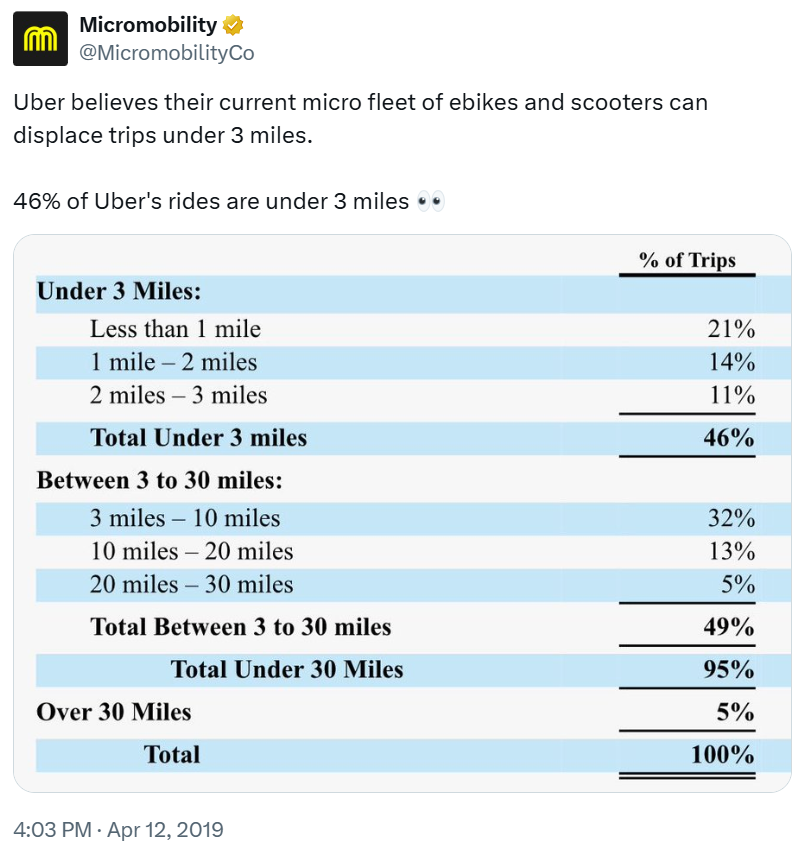
The question of whether electric scooters represent the definitive future of urban transportation is increasingly being answered in the affirmative, particularly for short-to-medium distance travel within metropolitan areas. Major transportation companies, including ride-sharing giants like Uber, have publicly acknowledged that traditional cars are often "overkill" for a significant percentage of daily travel needs. Uber’s own internal data from 2019, for example, revealed that approximately 46% of its total rides were under three miles. This crucial insight propelled the company’s strategic investment in its own micro-fleet of electric bikes and scooters, recognizing their substantial potential to displace these short-distance car trips, thereby reducing urban congestion and lowering carbon emissions.
For individual consumers, the appeal of electric scooters is undeniably multifaceted and compelling. They offer an unparalleled combination of convenience, agility, and environmental friendliness for navigating increasingly congested city streets. Unlike traditional bicycles, electric scooters require minimal physical exertion, making them an accessible and attractive option for a broader demographic, including commuters, students, and tourists. Their inherently compact and often foldable designs allow for effortless storage in homes or offices and seamless integration with existing public transportation networks, providing a highly effective "last mile" solution that addresses the common challenge of connecting transit hubs to final destinations.
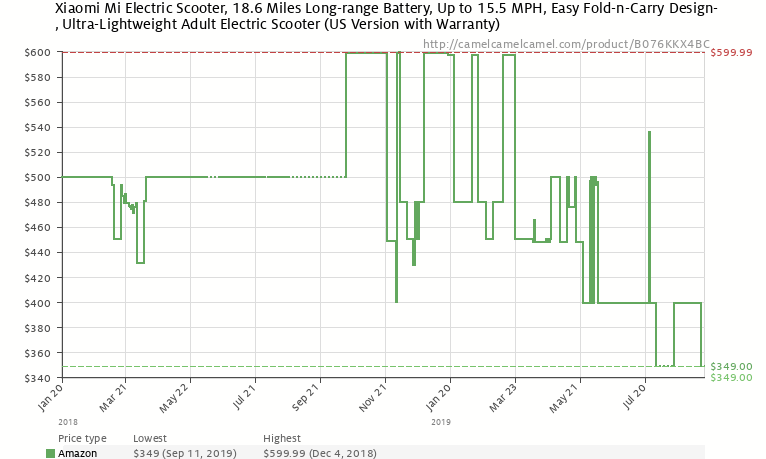
The general user experience of owning and operating a modern electric scooter, such as the Xiaomi Mi M365, is overwhelmingly positive. Users frequently laud their intuitive ease of use, responsive performance, and the sheer enjoyment they provide as a mode of personal transport. At a current market price point often around $300, these devices offer exceptional value, effectively making personal electric mobility accessible to a vast and diverse audience.
This current wave of widespread electric scooter adoption stands in stark contrast to the infamous Segway Personal Transporter. Launched in 2001 with immense hype and bold promises of revolutionizing personal transport, the Segway was initially priced at an exorbitant $5,000, which is equivalent to over $7,200 in inflation-adjusted 2019 dollars. Despite its innovative self-balancing technology, its prohibitive cost, awkward form factor, and the pervasive regulatory confusion surrounding its use collectively relegated it to a niche product, largely associated with novelty tours or security patrols rather than mainstream commuting. Today’s affordable electric scooters, with their simple, accessible design and mass market penetration, have arguably achieved the "transformational technology" status that the Segway once aspired to, fulfilling the promise of efficient, personal urban mobility on a grand scale, albeit two decades later than initially predicted.
Navigating the Challenges: Regulation, Safety, and Infrastructure
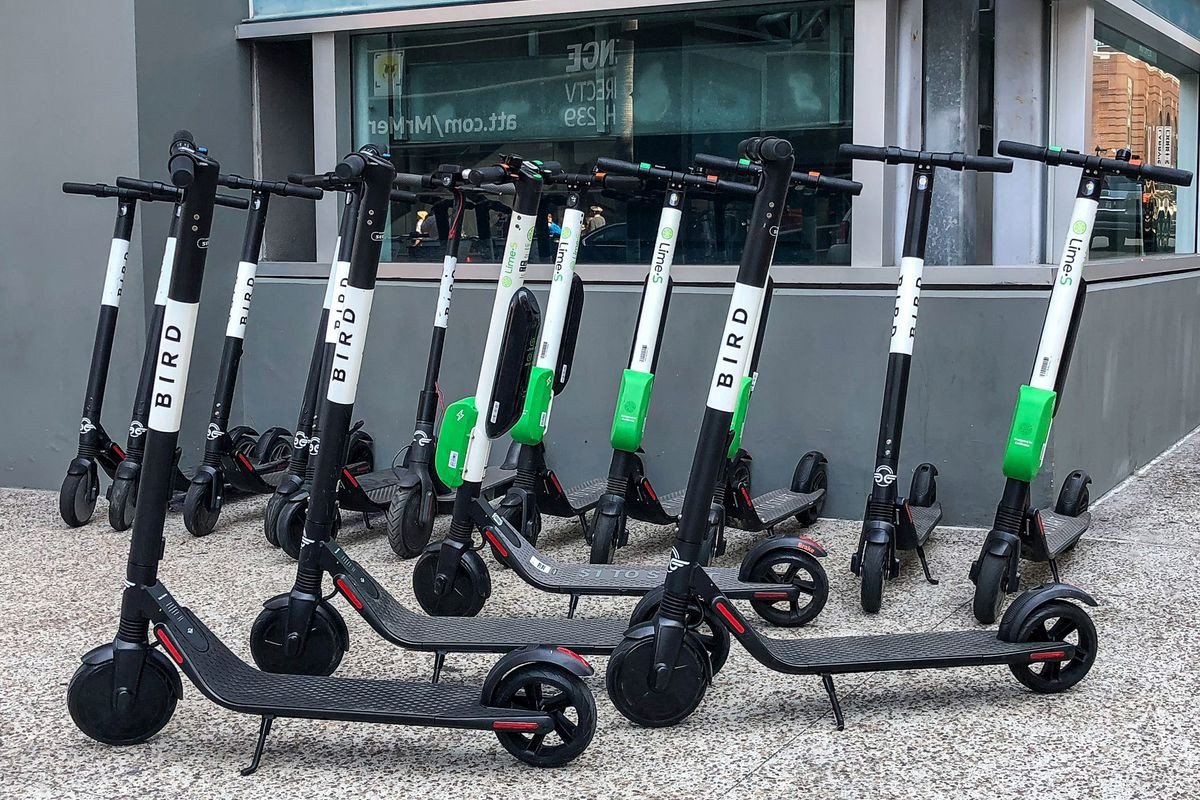
Despite their undeniable growing popularity and considerable utility, electric scooters face significant and persistent challenges, particularly concerning regulation, rider safety, and the integration into existing urban infrastructure. A primary and pervasive hurdle is the inconsistent and often reactive regulatory landscape that varies wildly across different jurisdictions. Local governments globally have struggled to adequately categorize and regulate these new devices, leading to a confusing patchwork of rules that can bewilder both users and operators.
For example, in California as of 2019, electric scooter laws presented what many considered onerous restrictions: riders were legally required to possess a valid driver’s license (a requirement not imposed on electric bicycle riders), and scooters were explicitly prohibited from operating on sidewalks. While the underlying intention behind such regulations often pertains to enhancing public safety, the pervasive lack of uniformity and sometimes illogical distinctions drawn between different micro-mobility devices creates friction, hinders broader adoption, and complicates enforcement.
Rider safety is another paramount concern that cannot be overstated. While exhilarating, the speeds attainable on electric scooters necessitate careful consideration and responsible operation. Most current regulations, such as California’s 15-mile-per-hour speed restriction, are widely supported as a sensible maximum limit for riders operating on shared pathways or public roads, especially given the typical lack of extensive safety equipment like helmets or protective gear among casual users. However, the market also offers high-performance models capable of reaching speeds up to 40 miles per hour. These powerful scooters, often equipped with dual motors and advanced suspension systems, blur the line between personal mobility devices and light motorcycles, raising serious questions about rider protection and public safety, even for highly experienced riders wearing full motorcycle-grade safety gear. The diverse range of scooter capabilities demands a nuanced and adaptive approach to safety standards, rider education, and enforcement.
Operational challenges also persist for both individual owners and large-scale rental operators. For private owners, maintenance issues like tire flats on small wheels are particularly troublesome, often requiring specialized tools or techniques for repair. Many proactive owners opt for preventative measures such as injecting tire sealant (e.g., Slime) or even converting to solid tubeless tires – albeit at the potential cost of some ride comfort – to mitigate this common problem. For rental companies, the intense wear and tear sustained by scooters in public use are immense, necessitating robust maintenance programs and the continuous development of more durable, purpose-built hardware.
The broader implications for urban planning are substantial and require proactive attention. The proliferation of electric scooters highlights the urgent need for dedicated infrastructure, such as protected bike lanes, shared-use paths, and designated scooter parking zones, to ensure the safety of riders, pedestrians, and motorists alike. Without adequate infrastructure, conflicts inevitably arise, leading to increased accidents, public frustration, and potential backlash against these new forms of transport. Policy-makers are increasingly urged to develop forward-looking, consistent, and comprehensive regulations that actively promote the safe and efficient integration of electric scooters into existing urban ecosystems, rather than merely reacting to their spontaneous emergence.
The Evolving Landscape: Innovation and Future Prospects
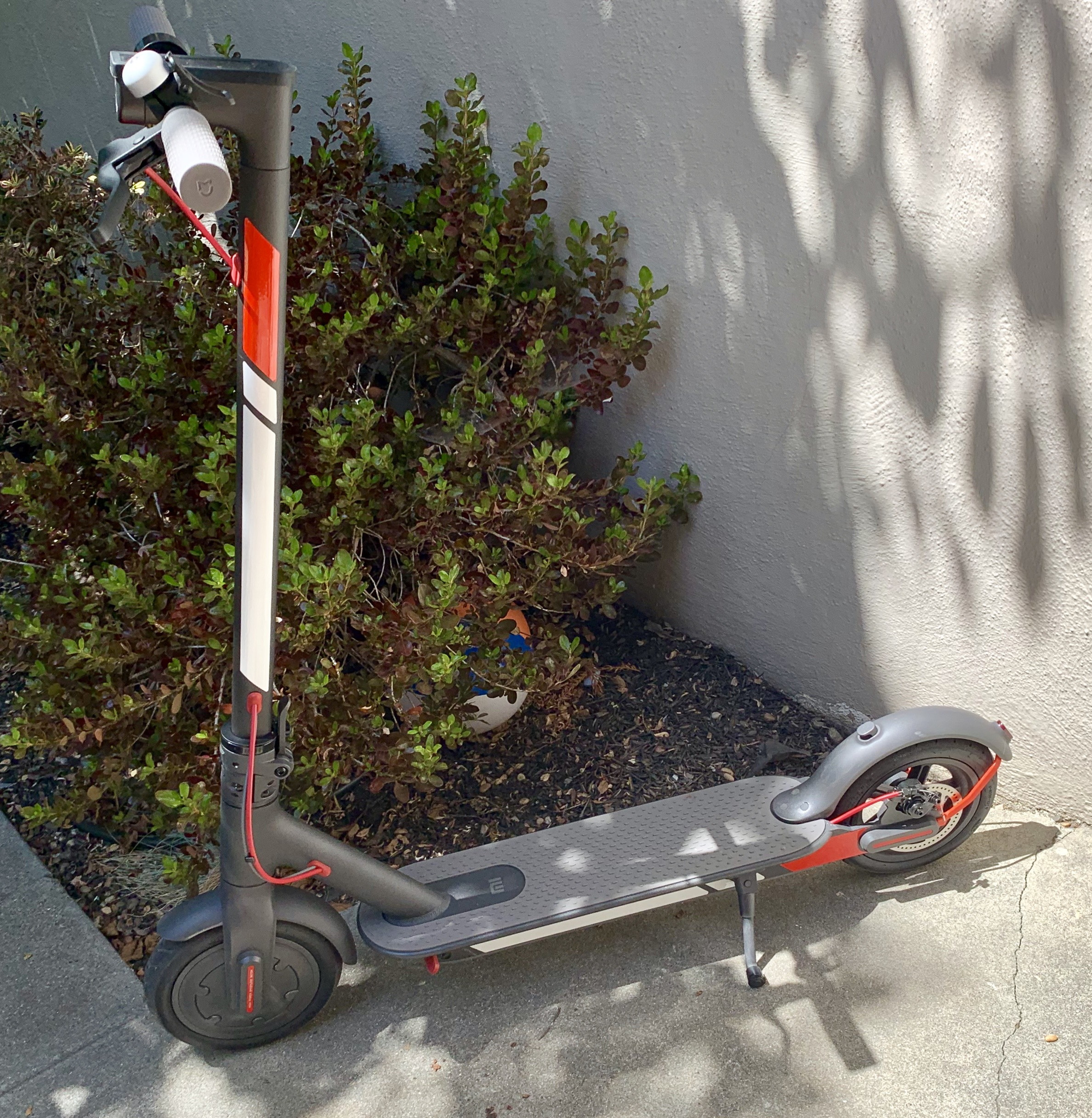
The electric scooter market is far from static; it is a dynamic and continuously evolving sector marked by rapid innovation and significant product diversification. Beyond the "everyman" commuter models like the Xiaomi M365, consumers now have access to a wide array of specialized scooters tailored to specific needs and preferences. This expanding portfolio includes luxury electric scooters boasting premium materials, advanced connectivity, and sophisticated features; ultralight models meticulously designed for maximum portability and ease of carrying; and rugged off-road versions engineered to tackle challenging terrain beyond paved roads. This emerging diversity reflects both the technological maturity of the industry and a growing understanding of varied consumer demands and usage scenarios.
The continuous product refresh cycle is also clearly evident in the evolution of popular models. The successor to the original M365, the Xiaomi M365 Pro, introduced several welcome, albeit incremental, improvements. These enhancements included a larger battery for extended range, an upgraded disc brake for enhanced stopping power and safety, a more robust motor for improved performance, a clearer integrated display for better rider information, and an improved latch mechanism for enhanced portability and security. While these advancements collectively contribute to a more refined and capable riding experience, their initial premium price point often positioned the original M365 as a superior value proposition for budget-conscious consumers seeking entry into personal electric mobility.
Crucially, the inherent digital nature of modern electric vehicles, including scooters, opens up entirely new avenues for user interaction, customization, and continuous improvement. Features such as Bluetooth connectivity, companion smartphone applications for tracking ride statistics, managing settings, and even the possibility of firmware modifications, underscore that these are not merely mechanical devices but sophisticated, connected, and programmable platforms. This deep digital integration offers significant potential for smart features, enhanced security measures, and personalized performance tuning, further embedding electric scooters into the broader smart city ecosystem and promising future innovations.
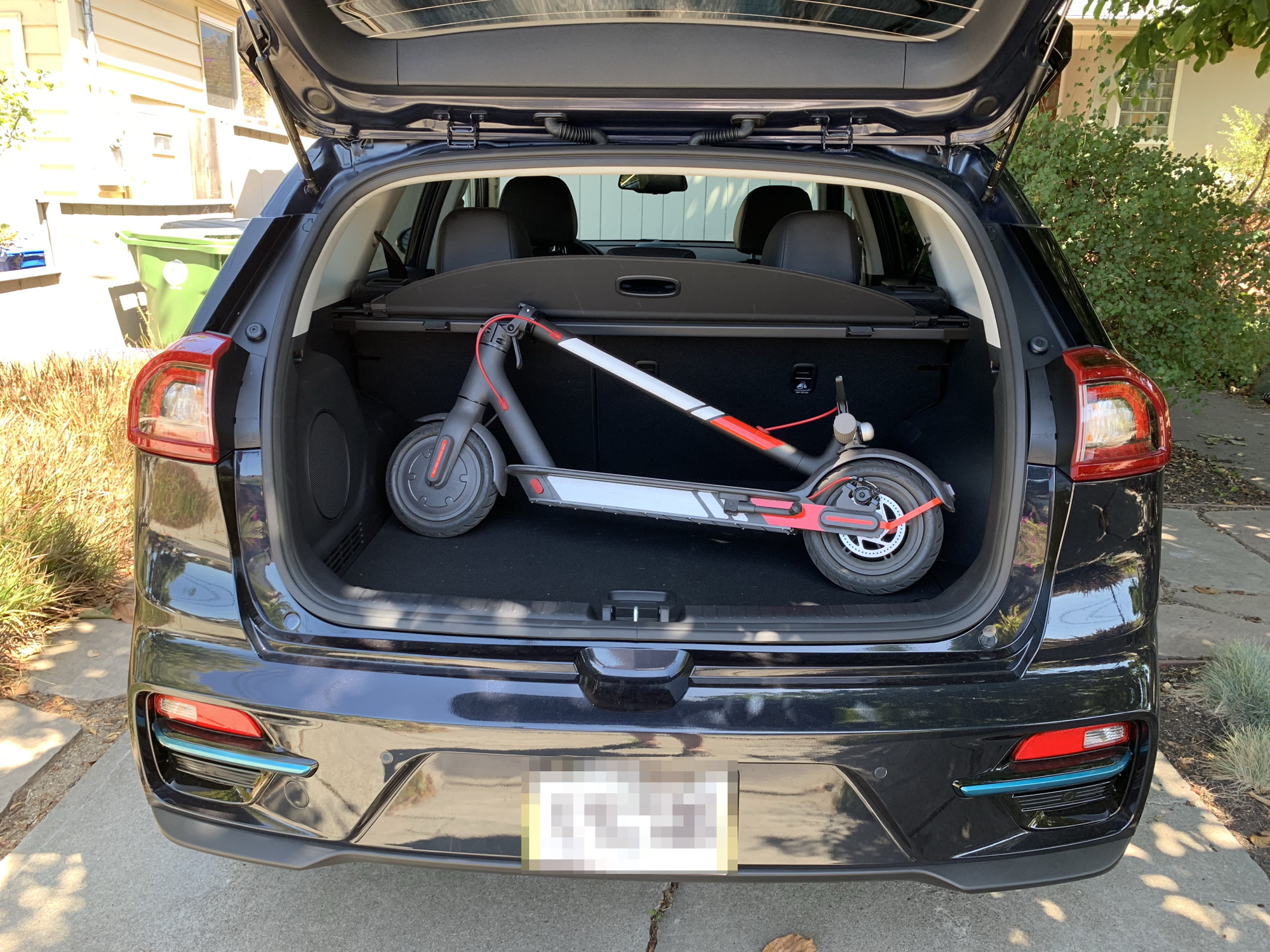
Looking ahead, the future prospects for electric scooters remain exceptionally bright. As battery technology continues its relentless march of advancement, offering even greater energy density, faster charging capabilities, and further reductions in cost, the performance, range, and overall utility of these devices will only improve. Their proven potential to integrate seamlessly with existing public transportation networks, significantly reduce reliance on private cars for short urban trips, and contribute to cleaner, less congested urban environments positions them as a key and indispensable component of sustainable urban mobility strategies worldwide. While regulatory harmonization and the proactive development of appropriate urban infrastructure remain critical areas for continued progress, the current trajectory strongly suggests that electric scooters are well on their way to cementing their role as a fundamental pillar of future transportation.
Conclusion
The remarkable journey of the electric scooter, from its early, often impractical iterations to its current status as an affordable, high-performance, and widely adopted mode of personal transport, is a compelling narrative of sustained technological innovation, particularly within the realm of battery science. The dramatic and consistent decline in Lithium-ion battery costs has been the primary catalyst, transforming what was once a niche concept into a mainstream global phenomenon. This profound shift has not only made personal electric scooters accessible to millions but has also spawned a dynamic and rapidly evolving micro-mobility sharing economy, fundamentally redefining how people navigate the intricate landscapes of urban environments. Despite ongoing challenges related to inconsistent and evolving regulation, legitimate safety concerns, and the urgent need for improved urban infrastructure, the electric scooter has unequivocally proven its immense potential. It stands as a powerful testament to how targeted technological advancements can democratize efficient, enjoyable, and environmentally conscious transportation, moving us ever closer to a future where clean, personal mobility is not merely a luxury or a futuristic vision, but an accessible and everyday reality for urban dwellers worldwide.
About the Author







