The digital landscape of independent game development continues to thrive, with platforms like itch.io serving as a vital nexus for creators and players alike. In a recent spotlight, itch.io unveiled a curated selection of browser-based games, offering a gateway to immediate entertainment without the commitment of downloads. This initiative underscores a broader trend within the gaming community: the resurgence of accessible, web-native experiences that cater to a diverse audience, from casual players seeking quick diversions to enthusiasts eager to explore the cutting edge of indie innovation. These titles, spanning genres from intricate visual novels to fast-paced puzzle platformers, represent the vibrant output of a global development community, often forged under the intense creative pressure of game jams.
The Enduring Appeal of Browser Games in Modern Gaming
Browser-based gaming, once synonymous with Flash animations and rudimentary mechanics, has undergone a significant transformation. Driven by advancements in web technologies like HTML5, WebGL, and WebAssembly, modern browser games now rival their downloadable counterparts in complexity, visual fidelity, and interactive depth. The primary allure remains unwavering: unparalleled accessibility. Players can dive into a game with a single click, circumventing download times, installation processes, and compatibility concerns. This frictionless entry point is particularly appealing for those seeking spontaneous entertainment during a brief respite or a relaxed weekend, aligning perfectly with itch.io’s stated aim to provide engaging content without "more work than you’re willing to invest."

Itch.io, a prominent open marketplace for independent digital creators, has been instrumental in fostering this environment. Unlike more traditional storefronts, itch.io champions a developer-first approach, offering flexible pricing models, extensive customization options for game pages, and a robust community infrastructure. This philosophy naturally attracts a wide array of experimental and niche titles, many of which find their ideal distribution method in the browser format. The platform’s commitment to highlighting fresh content, such as these weekly digests, ensures that even obscure gems receive visibility, fostering a dynamic ecosystem where creativity flourishes. The sheer volume of games uploaded to itch.io daily—often numbering in the hundreds—testifies to the platform’s role as a primary launchpad for independent creators.
The Crucible of Creativity: Game Jams and Their Impact
A significant portion of the games featured in itch.io’s latest collection are direct products of game jams – intensive, time-limited events where developers create a game from scratch, often adhering to a specific theme or set of constraints. These events, such as Ludum Dare, GBJAM, and the Made With Defold Jam, are not merely competitions; they are powerful engines of innovation, rapid prototyping, and community building.
- Ludum Dare: As one of the longest-running and most popular game jams, Ludum Dare challenges participants to create a game within a 48-hour (Compo) or 72-hour (Jam) window, typically based on a pre-announced theme. The 56th iteration of Ludum Dare, from which several featured games originate, saw thousands of submissions, showcasing an incredible diversity of ideas born under immense time pressure. This format forces developers to prioritize core mechanics, iterate quickly, and often results in highly focused, innovative experiences. The sheer volume of games produced during Ludum Dare alone contributes significantly to the constant influx of new content on platforms like itch.io.
- GBJAM: This jam specifically tasks developers with creating games that evoke the aesthetic and technical limitations of the original Nintendo Game Boy. This includes strict color palettes (often four shades of green), low-resolution pixel art, and chiptune audio. GBJAM 12, for instance, inspired games that pay homage to retro gaming while infusing modern design sensibilities, demonstrating how creative constraints can paradoxically unlock new avenues for artistic expression.
- Made With Defold Jam: Focused on games developed using the Defold engine, this jam highlights the capabilities of specific tools and technologies. Defold, a lightweight and efficient game engine, is well-suited for 2D games and browser deployment, making it a popular choice for jam participants aiming for web-based distribution. Such engine-specific jams foster expertise and push the boundaries of what can be achieved with particular development kits.
These jams serve as invaluable training grounds for aspiring developers and a testing arena for seasoned veterans. They foster a culture of experimentation, peer feedback, and shared passion, directly enriching the indie game landscape with a constant stream of fresh, often unconventional, ideas. The direct pipeline from game jam submission to itch.io’s featured lists demonstrates the platform’s commitment to celebrating this grassroots development culture.
Spotlight on the Latest Browser-Based Discoveries
The recent itch.io curation showcases a diverse array of titles, each offering a distinct experience:

- Dead Names: This short sci-fi visual novel delves into profound themes of loss and acceptance, set against the backdrop of a desolate winter day in a speculative future. Rendered in evocative pixel art and designed to run within a Game Boy ROM aesthetic, it creates an atmospheric and introspective journey. The inclusion of LGBTQIA themes further enriches its narrative, providing a nuanced perspective often overlooked in mainstream gaming. Its atmospheric qualities and poignant storytelling underscore the power of visual novels to explore complex human emotions.
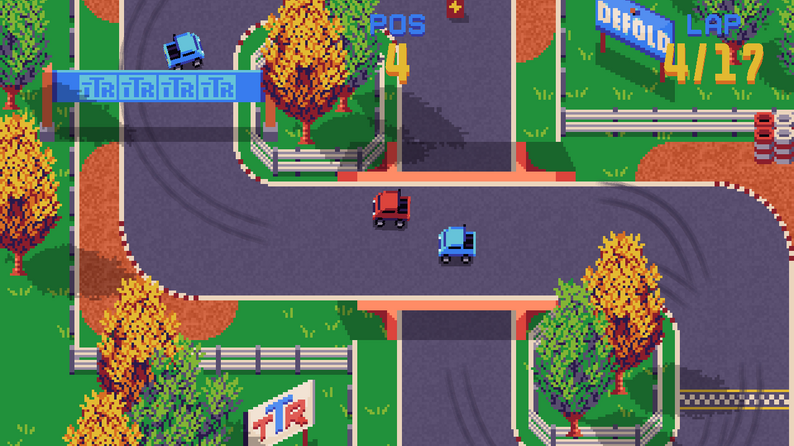
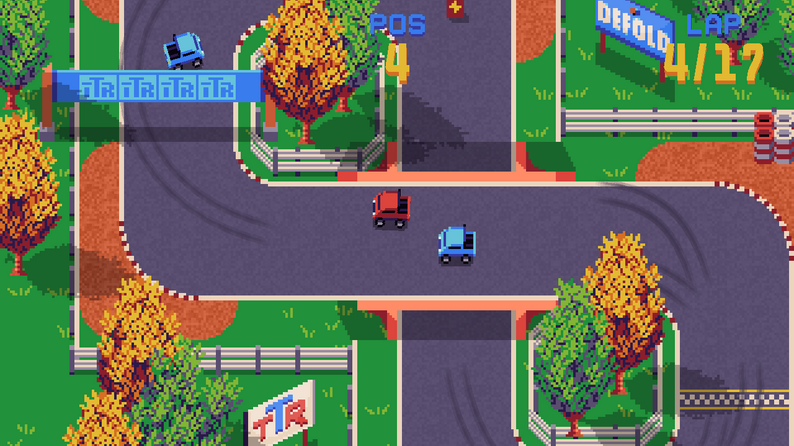
- Tiny Truck Racing: Bursting onto the scene from the Made With Defold Jam 2024, Tiny Truck Racing delivers exhilarating, fast-paced action. Players navigate pixel art tracks with miniature trucks, utilizing nitro boosts for speed advantages. With modes like Single Race, Tournament, and Time Trial, it offers both competitive and challenge-oriented gameplay. The choice of four distinct trucks adds a layer of strategic depth, encouraging players to master each vehicle’s unique handling characteristics in pursuit of victory. This title exemplifies how focused development within jam constraints can yield highly polished and enjoyable experiences.
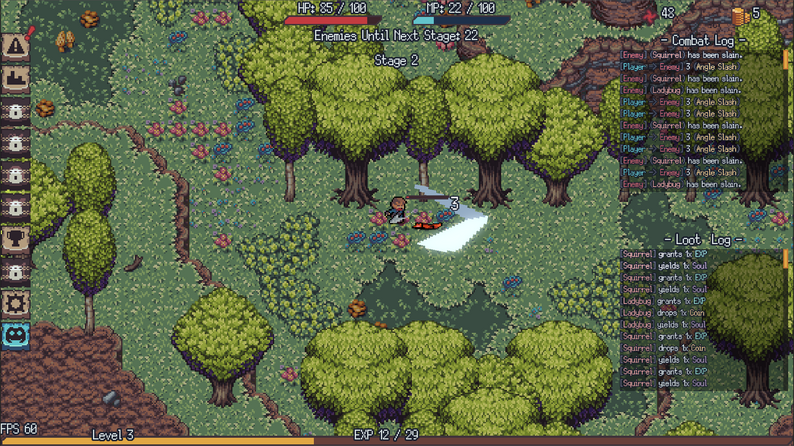
- Nomad Idle: An auto-battler idle game, Nomad Idle, recently updated, invites players to craft intricate character builds to combat relentless hordes of enemies. While largely automated, the game strategically incorporates active elements, allowing players to deploy character-specific skills to accelerate progress. The progression system includes leveling up stats, crafting bespoke equipment, and selecting passive skills, offering a satisfying loop of optimization and growth. Idle games have seen a surge in popularity due to their relaxed yet engaging nature, and Nomad Idle offers a robust example of the genre’s potential for depth.
- Laura’s Room: A chilling psychological horror experience, Laura’s Room was conceived for GBJAM 12. Players assume the role of Danni, driving through a rainy, dark night, haunted by an unseen pursuer. The game leverages its Game Boy-inspired aesthetic to amplify its atmospheric tension, using limited color palettes and lo-fi sound design to create a sense of claustrophobia and dread. This game demonstrates how visual and thematic constraints can be masterfully employed to enhance psychological impact, proving that horror doesn’t require high-fidelity graphics to be effective.
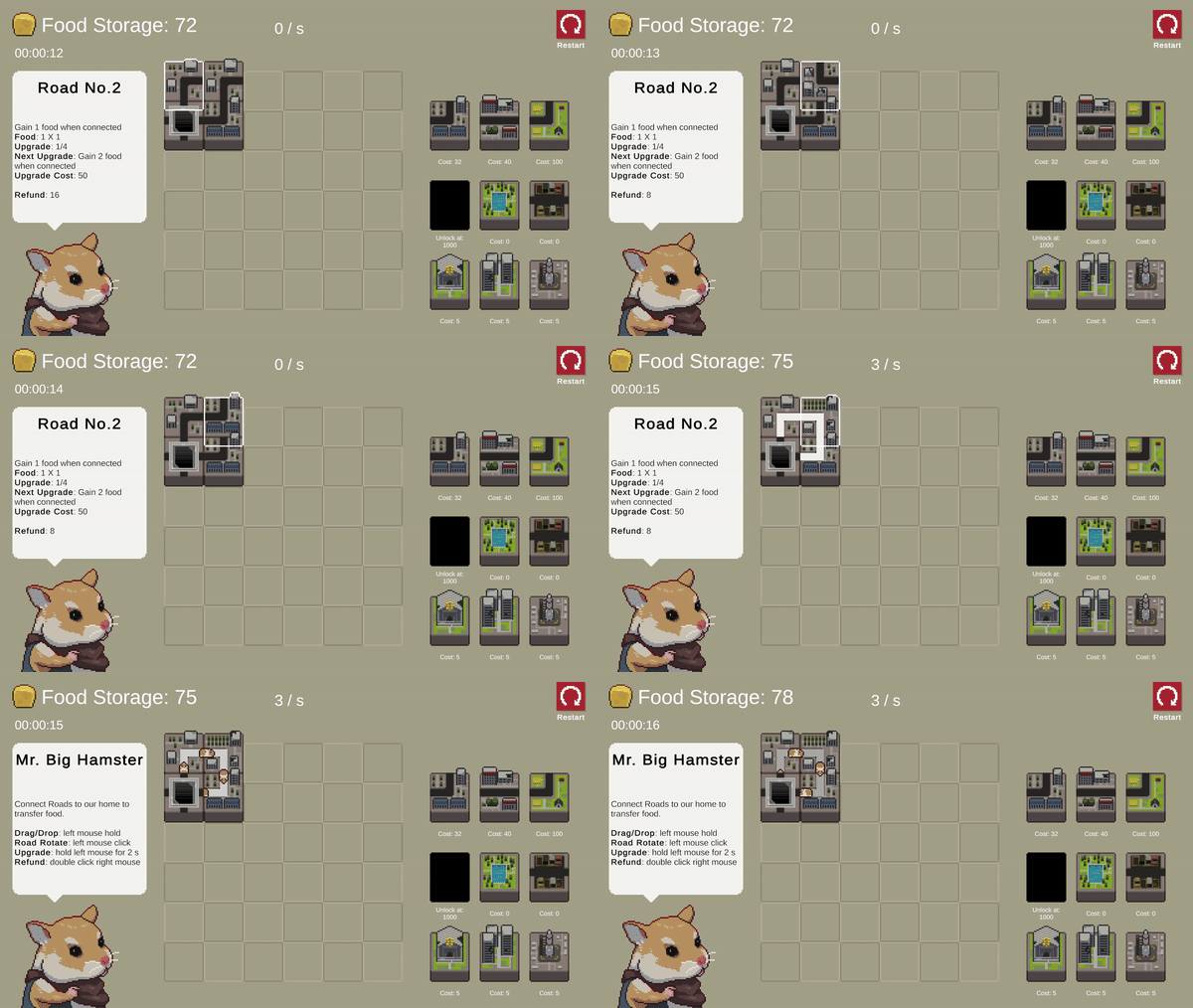
- Hamster Shelter: Created during Ludum Dare 56, Hamster Shelter presents a unique post-apocalyptic survival scenario. Players manage a colony of tiny hamsters, tasked with constructing roads and transporting vital food resources back to their shelter. Designed for a relaxed gameplay experience, it operates effectively in the background, allowing players to dip in and out without constant attention. The game’s premise combines resource management with a charming, albeit dire, setting, offering a fresh take on the simulation genre. Its design caters to players who appreciate a more passive, yet rewarding, interaction.
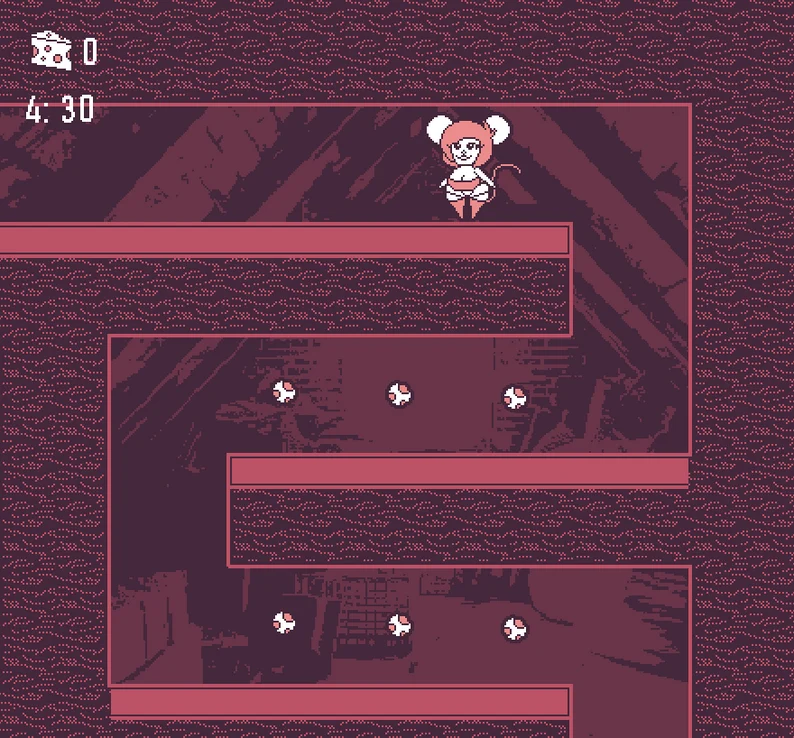
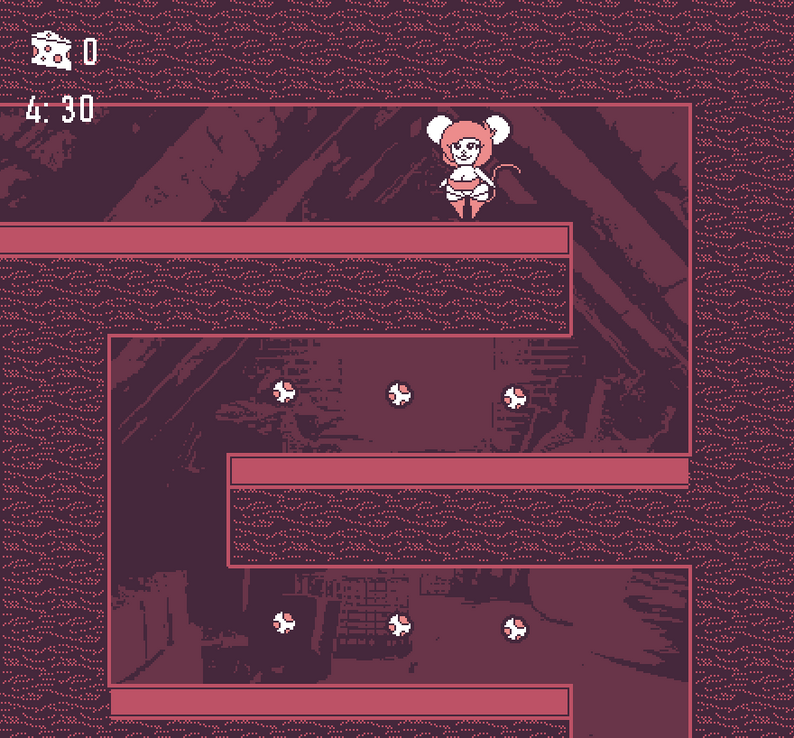
- Mouse Mouse: A testament to rapid development, Mouse Mouse was crafted in just 48 hours for Ludum Dare 56. This short platformer introduces an innovative control scheme where the player’s mouse cursor directly controls a mouse character. The objective is simple: jump, climb, and collect cheese as quickly as possible. Its pixel art style and unique control mechanism offer a fresh perspective on traditional platforming, highlighting how creative input methods can redefine established genres. The game’s tight design and immediate gratification make it an ideal quick play.
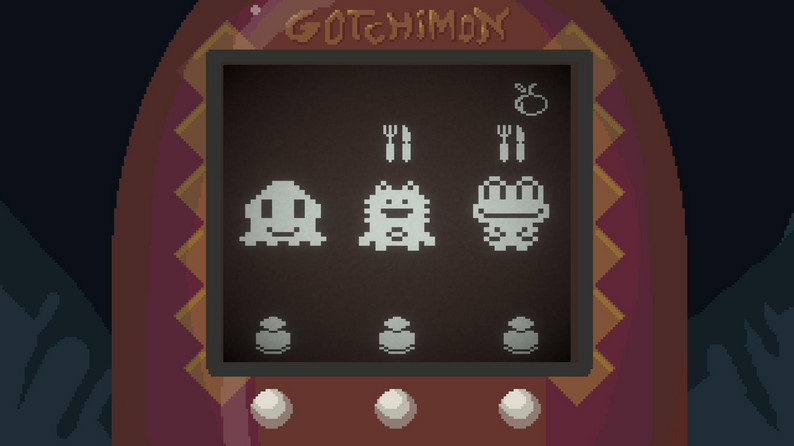
- Play With Me: Also a product of Ludum Dare 56, Play With Me injects a spooky twist into the virtual pet genre. Players interact with three mysterious creatures residing within a forgotten toy, each offering unique minigames. The retro-inspired visuals and eerie atmosphere create a captivating, unsettling experience. This game cleverly subverts the typically wholesome virtual pet concept, offering a darker, more intriguing interaction that appeals to players looking for something outside the norm. Its ability to create a "creepy yet engaging" experience within jam constraints is notable.
- Jelly Gang: Rounding out the Ludum Dare 56 contributions, Jelly Gang is a physics-based puzzle platformer that challenges players to control a group of 30 squishy characters. A strategic twist dictates that only characters within a designated "focus region" around the mouse cursor respond to commands. This mechanic adds a layer of complex spatial reasoning and precise timing, demanding players master the collective movement of their gelatinous crew. The game’s innovative physics and control scheme offer a truly fresh take on the platformer genre, pushing players to think differently about character interaction and environmental puzzles.
Developer Perspectives and Community Engagement
The comments section accompanying itch.io’s original post offers a glimpse into the vibrant community dynamics that define the platform. Developers frequently express gratitude for being featured, acknowledging the significant boost in visibility that itch.io’s editorial selections provide. One developer, "aplovestudio," shared appreciation for Mouse Mouse’s inclusion, underscoring the value of such recognition.
The interaction between "yogurtthehorse," a developer inquiring about the selection process for featured games, and itch.io staff member "leafo" highlights the transparency and accessibility of the platform’s editorial team. While acknowledging the subjective nature of curation ("No particular reason, there’s just a lot of interesting games from LD!"), leafo’s direct engagement demonstrates a commitment to fostering a supportive environment. This open dialogue is crucial for independent developers, providing insights and encouragement that are often scarce on larger, more opaque platforms. Such interactions reinforce itch.io’s role as more than just a storefront, but a true community hub where creators feel heard and valued.
Broader Implications and the Future of Browser Gaming
The continued prominence of browser games, particularly those curated by platforms like itch.io, signals several important trends in the gaming industry. Firstly, it democratizes game development and consumption. The low barrier to entry for both creation (via accessible engines and jams) and play (via a web browser) expands the reach of games beyond traditional console and PC ecosystems. This is especially significant in emerging markets or regions with limited access to high-end hardware.
Secondly, browser games often serve as fertile ground for innovation. Without the pressure of large commercial investments, developers are freer to experiment with unconventional mechanics, narrative structures, and artistic styles. Many successful indie games have started as small browser prototypes or game jam entries, later evolving into full-fledged commercial releases. The "free and fresh" nature of these games allows players to explore niche genres and avant-garde concepts without financial risk, fostering a more adventurous player base.
Finally, the continuous evolution of web standards ensures that browser games will only become more sophisticated. With ongoing improvements in performance, graphics capabilities, and platform integration, the line between browser-based and native applications continues to blur. This trajectory positions browser gaming not as a secondary or inferior option, but as a robust and increasingly powerful medium for interactive entertainment.
In conclusion, itch.io’s latest collection of free browser games is more than just a list of recommendations; it is a snapshot of a dynamic, innovative, and highly accessible segment of the gaming world. It celebrates the ingenuity of independent developers, the community spirit of game jams, and the enduring appeal of instant, frictionless play. For players seeking new experiences and developers pushing creative boundaries, the browser game renaissance, championed by platforms like itch.io, promises a future filled with exciting, unburdened discovery.
About the Author