
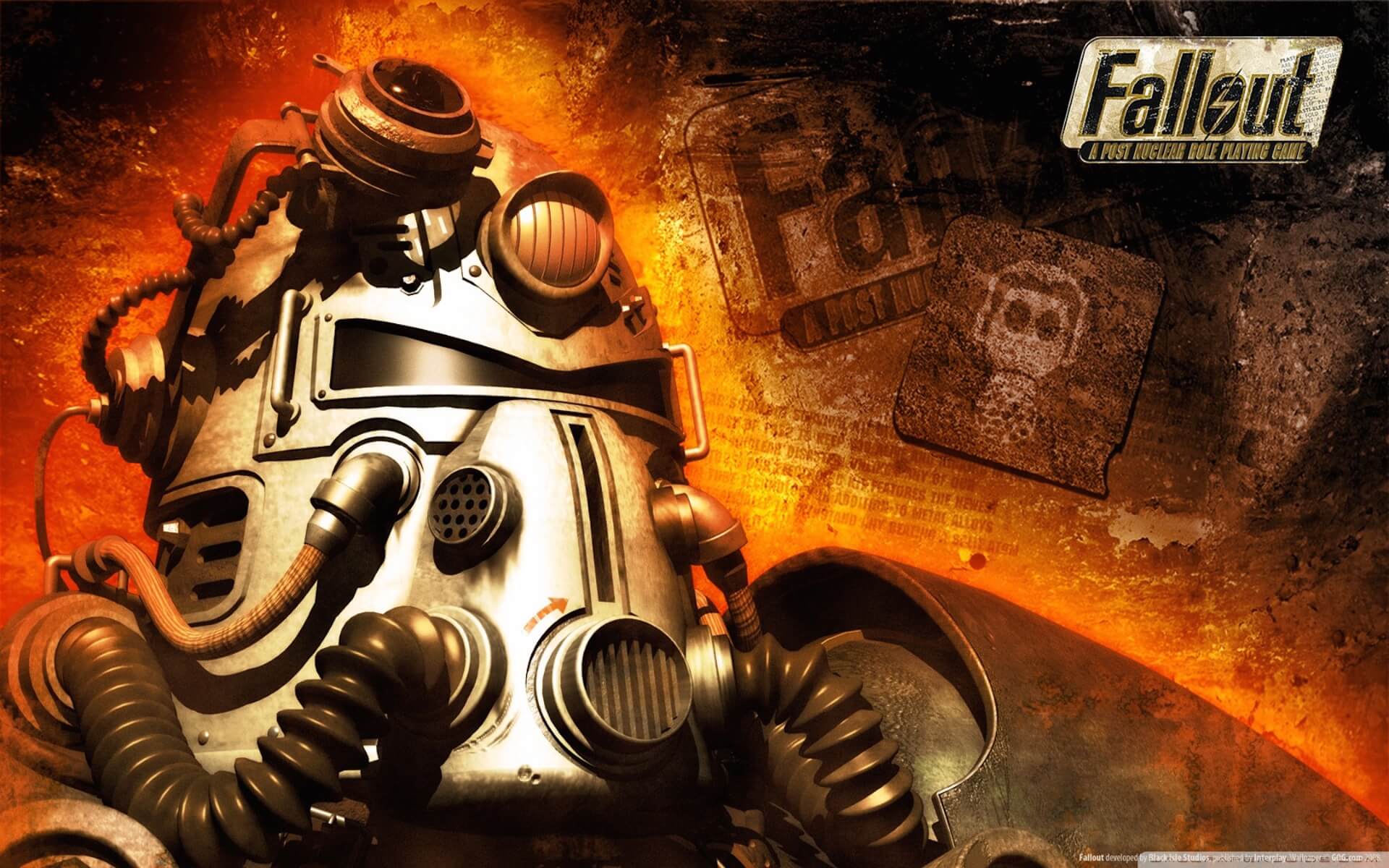
Three decades ago, Interplay Productions, through its then-fledgling internal developer Black Isle Studios, unleashed Fallout: A Post Nuclear Role Playing Game upon the world, birthing a franchise that would become synonymous with power armor, desolate landscapes, and moral quandaries. Released in 1997, this isometric role-playing game transcended its era’s technical limitations to deliver a narrative depth and player agency that cemented its status as a timeless classic. With a "generally favorable" Metacritic score of 89/100 and "very positive" reviews on platforms like Steam, the original Fallout continues to captivate new generations of players, consistently praised on forums such as Reddit for its exceptional writing and enduring thematic relevance. Its legacy is not merely one of nostalgic appreciation but of continuous influence on the broader gaming landscape, particularly within the Western RPG genre.
The Genesis of a Wasteland Legend: Development and Context
The late 1990s represented a pivotal period for computer role-playing games. While 3D graphics were emerging, many developers still embraced the rich storytelling potential of isometric perspectives. Interplay Productions, a veteran publisher, tasked its internal team, Black Isle Studios (then known as "Project X"), with developing a spiritual successor to the 1988 classic Wasteland. The initial concept for Fallout (originally titled "Vault 13: A GURPS Post-Nuclear Adventure") was ambitious: to create a game world that reacted dynamically to player choices, offering unparalleled freedom and moral complexity.
Development was not without its challenges. The team initially sought to license the GURPS (Generic Universal RolePlaying System) tabletop ruleset, but disagreements with GURPS creator Steve Jackson Games over the game’s proposed violence and mature themes led Interplay to develop its own system, the now-iconic SPECIAL (Strength, Perception, Endurance, Charisma, Intelligence, Agility, Luck) system. This internal development allowed for greater flexibility, tailoring character attributes and skills specifically to the post-apocalyptic setting. The game’s distinct art style, combining retro-futuristic 1950s Americana with grim post-nuclear decay, was meticulously crafted, creating an aesthetic that would define the franchise for decades. The decision to use a dark, satirical tone, blended with profound philosophical questions, differentiated Fallout from its contemporaries and set a high bar for narrative sophistication in gaming.
A World Forged in Ash: Narrative and Core Mechanics
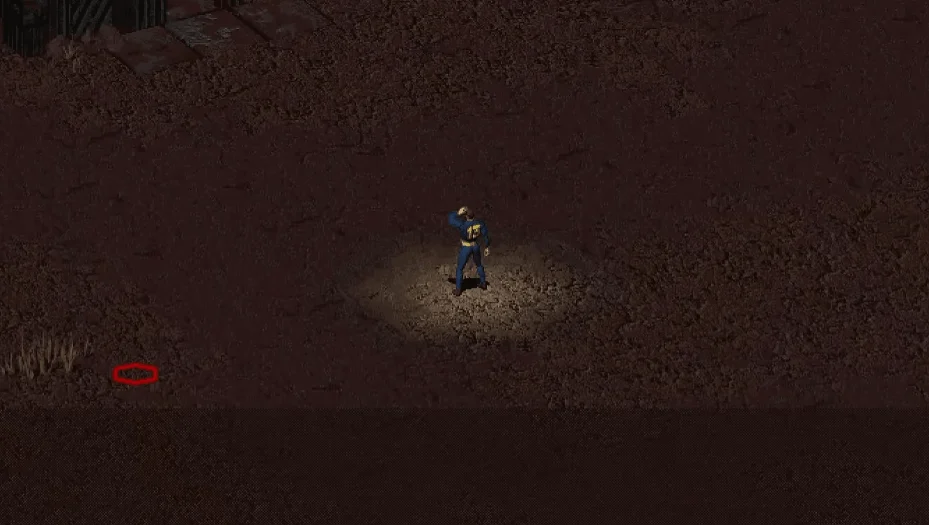
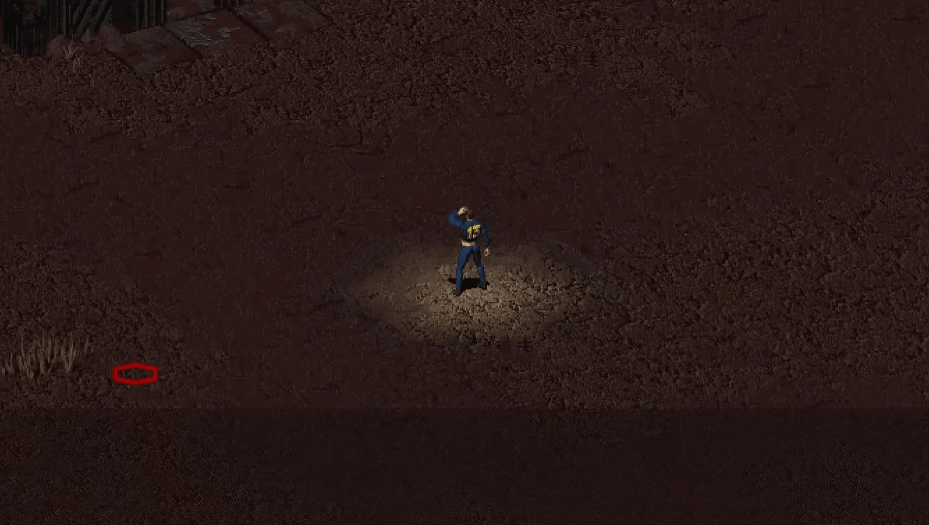
Fallout (1997) plunges players into the year 2161, eighty-four years after the Great War, a global nuclear conflict that obliterated civilization. Players assume the role of the Vault Dweller, an inhabitant of Vault 13, an underground fallout shelter designed to preserve humanity. The game’s inciting incident is deceptively simple: the Vault’s vital water purification chip malfunctions, threatening the survival of its residents. The Overseer, the Vault’s stern but pragmatic leader, dispatches the Vault Dweller into the treacherous Californian wasteland with a mere 150 days to find a replacement.
What begins as a desperate fetch quest rapidly escalates into a sprawling saga of survival, exploration, and existential dread. The wasteland is not an empty canvas but a vibrant, dangerous tapestry woven with diverse factions, mutated creatures, and remnants of pre-war society struggling to rebuild. The Vault Dweller quickly discovers a far greater threat than thirst: a burgeoning army of Super Mutants, led by a grotesque, messianic figure known as the Master, who seeks to "unify" humanity through forced mutation. The primary objective thus expands from mere survival to preventing the complete subjugation of the known world.
The gameplay mechanics of Fallout were revolutionary for their time. The turn-based combat system, coupled with the SPECIAL attribute system, allowed for deep character customization and tactical engagement. Players could specialize in various combat styles, from melee brute to ranged sniper, or even focus on non-combat skills like Speech, Barter, and Science. Crucially, the game’s dialogue system was unparalleled. Player choices in conversations had tangible consequences, shaping alliances, opening new questlines, or irrevocably closing others. A high Speech skill could defuse volatile situations, while a low Intelligence character might be limited to monosyllabic grunts, leading to vastly different interactions and outcomes. This emphasis on player agency and branching narratives became a hallmark of the Fallout series and a gold standard for subsequent RPGs.
Critical Acclaim and Enduring Player Loyalty
Upon its release, Fallout garnered widespread critical acclaim. Reviewers lauded its intricate world-building, mature storytelling, dark humor, and unprecedented freedom of choice. PC Gamer praised its "captivating atmosphere" and "excellent writing," while GameSpot highlighted its "superb graphics and sound" for the era, along with its "addictive gameplay." The game’s "generally favorable" Metacritic score of 89 reflects a consensus among critics that it was a landmark title.
Beyond initial reviews, Fallout (1997) has cultivated a fiercely loyal fanbase. Its "very positive" rating on Steam, based on tens of thousands of user reviews, underscores its lasting appeal. Players consistently cite the game’s narrative depth, replayability, and the feeling of genuine consequence as primary reasons for its enduring popularity. Forums like Reddit are replete with discussions dissecting the game’s moral choices, favorite characters, and memorable quotes, illustrating a community that continues to engage deeply with its content decades later. The recent resurgence of interest in the Fallout franchise, partly spurred by the successful Amazon Prime television series, has led many new players to discover the foundational experience of the 1997 original, often marveling at its depth despite its retro visuals.
The Power of the Spoken Word: Memorable Dialogue
The true genius of Fallout (1997) lies in its writing. The game masterfully crafts a sense of a world ravaged by war but teeming with individuals trying to navigate its complexities. Characters are not merely quest-givers but fully realized entities with their own motivations, fears, and philosophies. The dialogue, often sharp, cynical, and surprisingly poignant, reveals the unchanging nature of humanity amidst apocalyptic ruin—greed, fear, compassion, and the perpetual cycle of conflict.
While the iconic phrase "War. War never changes." uttered by Ron Perlman in the game’s opening cinematic, has become the franchise’s unofficial motto, countless other lines contribute to the game’s unmistakable personality and thematic resonance. These exchanges underscore the difficult choices characters face, their negotiations with dangerous individuals, and the constant struggle to discern who to trust.
The Vault Dweller: A Reflection of Player Choice
As the central playable character, the Vault Dweller’s personality is entirely shaped by the player. This customizable protagonist can be a cunning diplomat, a brutal warrior, an inquisitive scholar, or even an unhinged lunatic. This fluidity allows for responses that range from blunt and sarcastic to surprisingly philosophical or even theatrical, making the Vault Dweller a truly unique vehicle for player expression. The effectiveness of the character stems precisely from this lack of a fixed personality, allowing the dialogue to shift and adapt based on player-driven choices.
- "So, you want me to save your world. What’s in it for me?" (A common player choice reflecting mercenary pragmatism)
- "I’m here to kick ass and chew bubblegum… and I’m all out of bubblegum." (A humorous nod, often chosen by players with low intelligence or high combat skills)
- "Sometimes, the best solution is the one nobody expects." (A line that can reflect a player’s strategic thinking or willingness to explore unconventional paths)
- "I’m just a simple Vault Dweller trying to make my way in the world." (An understated, often ironic, response given the monumental tasks at hand)
The Master: The Architect of a Twisted Utopia
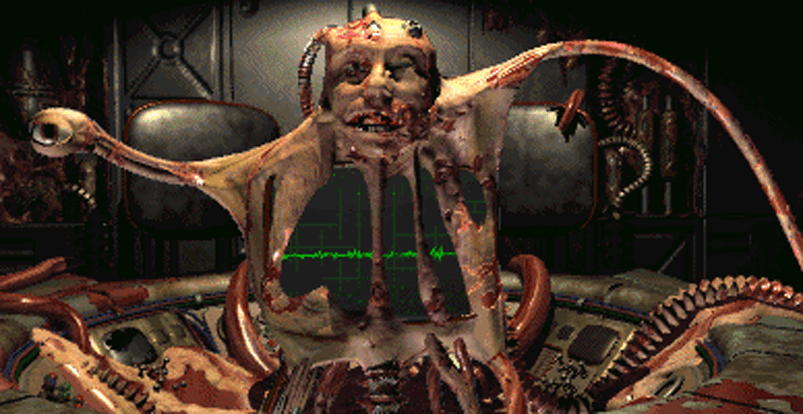
The primary antagonist, the Master, is a chilling figure whose dialogue transcends typical villainous monologues. A grotesque fusion of human, machine, and mutated flesh, the Master genuinely believes his vision of transforming humanity into a single, unified species of Super Mutants will end the conflicts that have plagued civilization for millennia. His disturbing rationality and conviction in his own righteousness make his pronouncements particularly unsettling, highlighting the perils of extremism, even when born from seemingly noble intentions.
- "We are the future. You are the past." (A declaration of his evolutionary ideology)
- "One world. One mind. One perfect being." (His chilling vision for humanity’s future)
- "Your kind has proven incapable of governing itself. You breed only conflict." (A core tenet of his philosophy, reflecting a bleak view of human nature)
- "You have seen the folly of your ways. Now, embrace evolution." (An attempt at persuasion, even in the face of defiance)
- "The Unity will be achieved. One way or another." (His unwavering commitment to his goal)
The Overseer: Burdened by Leadership
The Overseer of Vault 13 is not a villain in the traditional sense, but a leader pushed to desperate measures. His dialogue reflects the immense pressure of his responsibility and the grim reality of his dwindling options. Strict, pragmatic, and fiercely committed to the survival of his Vault, his words often convey a sense of urgency and the heavy burden of leadership in a post-apocalyptic world.
- "You are our last hope, Vault Dweller. Do not fail us." (The initial, weighty directive)
- "The water chip is paramount. Without it, we are doomed." (Emphasizing the critical nature of the mission)
- "The outside world is a harsh mistress. Be prepared for anything." (A grim warning, often understating the true horrors)
- "Your mission is clear. Your time is limited. Go." (His final, terse command, underlining the urgency)
The Tapestry of the Wasteland: Other Memorable Voices
Beyond the main characters, the wasteland is populated by a rich cast whose dialogue adds layers of depth, humor, and despair to the world. These interactions are vital for world-building, providing insight into the various factions, cultures, and individual struggles that define post-nuclear existence.
- "Patrolling the Mojave almost makes you wish for a nuclear winter." (Though famously from Fallout: New Vegas, its sentiment reflects the pervasive weariness of wasteland life)
- "What do you want, smoothskin?" (A common, often derogatory, greeting from Super Mutants, highlighting their view of unmutated humans)
- "I swear, if I hear one more story about some ghoulish hero…" (A line revealing the skepticism and cynicism of ordinary wastelanders)
- "The world ended, but people didn’t change." (A poignant observation often made by weary survivors, capturing the game’s core theme)
- "Money talks, even in the ruins of civilization." (A pragmatic truth from a merchant, showcasing the persistence of economic drivers)
Lighter Moments in the Gloom
Despite its grim setting and serious themes, Fallout (1997) is renowned for its dark humor and often absurd situations. These lighter moments provide much-needed relief and contribute to the game’s unique charm, demonstrating that even in the apocalypse, humanity’s capacity for wit and folly endures.
- "My brain hurts." (A common line from low-intelligence characters, often invoked for comedic effect)
- "I’ve got a bad feeling about this." (A classic trope, used effectively to build suspense or for ironic humor)
- "Is that a rocket in your pocket, or are you just happy to see me?" (A flirtatious, often surprising, line from certain NPCs, showcasing the unexpected human elements)
- "I don’t need a map; I’ve got a good sense of direction. And a compass. And a GPS. And a guide." (A self-deprecating, humorous line indicating a character’s over-reliance on tools)
- "I tried to make friends with a Deathclaw once. It didn’t end well." (A dark, humorous anecdote illustrating the dangers of the wasteland)
Broader Impact and Enduring Legacy
Fallout (1997) did more than just launch a successful franchise; it significantly influenced the trajectory of Western RPGs. Its emphasis on player choice and consequence, moral ambiguity, and deep character development set a new standard for narrative design. Games like Planescape: Torment (also by Black Isle Studios), Deus Ex, and even modern titles owe a debt to Fallout‘s pioneering approach to player agency and emergent storytelling. It proved that a game could be both mechanically complex and narratively profound, tackling mature themes with nuance and intelligence.
The game’s success paved the way for sequels, most notably Fallout 2, which further expanded on the original’s themes and mechanics. While the franchise eventually transitioned to Bethesda Game Studios and adopted a first-person 3D perspective, the core tenets established in 1997—the retro-futuristic aesthetic, the dark humor, the philosophical underpinnings, and the exploration of humanity’s resilience and depravity—remain integral to its identity. Thirty years after its initial release, Fallout (1997) stands not just as a relic of a bygone era, but as a vibrant testament to the power of exceptional game design and masterful storytelling, continuing to shape and inspire the world of interactive entertainment. Its dialogue, rich with cynicism, wisdom, and unexpected humor, is a crucial component of this enduring appeal, reminding players that even when the world ends, the stories, and the words that tell them, never truly fade.
About the Author






