
A prominent tech entrepreneur and blogger, whose identity is kept private in the original source but is the author of the blog post, delivered a compelling address today at Cooper Union’s historic Great Hall in New York City, unveiling a substantial philanthropic initiative aimed at reinvigorating the American Dream. Joined by Lieutenant Colonel Alexander Vindman, a figure widely recognized for his defense of democratic institutions, the entrepreneur announced a multi-faceted "Pledge to Share the American Dream," commencing with $8 million in immediate donations to various non-profits and a long-term commitment of half his remaining wealth—estimated at $50 million over the next five years—to pilot Guaranteed Minimum Income (GMI) programs in underserved rural American communities. The initiative posits that universal access to foundational economic stability is crucial for unlocking human potential and combating what he terms "The First Gilded Age," a period of unprecedented wealth concentration.

Reimagining the American Dream in a Divided Nation
The entrepreneur’s speech centered on a profound re-examination of the American Dream, a concept first articulated by James Truslow Adams in 1931 amidst the Great Depression. Adams defined it not merely as material prosperity, but as "a land in which life should be better and richer and fuller for everyone, with opportunity for each according to ability or achievement… a dream of social order in which [everyone] shall be able to attain to the fullest stature of which they are innately capable, and be recognized by others for what they are, regardless of the fortuitous circumstances of birth or position." The speaker expressed a deep concern that this foundational promise is increasingly out of reach for many Americans today, prompting him to embark on an extensive inquiry into its contemporary meaning.
His journey began in November 2024, when he initiated a blog post, "Stay Gold, America," soliciting personal interpretations of the American Dream from a wide array of citizens. This endeavor, described as the most challenging piece he had ever written, culminated in an unexpected insight drawn from a high school theatre performance of S.E. Hinton’s "The Outsiders." The iconic line, "stay gold," resonated with him, evolving into a realization that the true essence of the American Dream lies not in individual attainment, but in collective sharing. "We cannot merely attain the Dream," he asserted. "The dream is incomplete until we share it with our fellow Americans. That act of sharing is the final realization of everything the dream stands for." This philosophy now underpins his extensive philanthropic commitment.

A Two-Tiered Philanthropic Pledge
The "Pledge to Share the American Dream" is structured in two distinct phases, addressing both immediate needs and long-term systemic change.
The first phase, focusing on short-term impact, saw his family making eight separate $1 million donations to a diverse group of non-profit organizations. These recipients include:
- Team Rubicon: Providing disaster relief by uniting the skills and experiences of military veterans with first responders.
- Children’s Hunger Fund: Distributing food and other aid to hungry children and families.
- PEN America: Defending free expression and celebrating literature.
- The Trevor Project: Offering crisis intervention and suicide prevention services to LGBTQ young people.
- NAACP Legal Defense and Educational Fund: Fighting for racial justice through litigation, advocacy, and public education.
- First Generation Investors: Educating high school students from underserved communities on financial literacy and investing.
- Global Refuge: Assisting refugees and asylum seekers in rebuilding their lives.
- Planned Parenthood: Delivering vital reproductive health care services and sex education.
Beyond these social welfare organizations, the entrepreneur also allocated several additional $1 million donations to bolster critical digital infrastructure. This includes contributions to Wikipedia, The Internet Archive, The Common Crawl Foundation, Let’s Encrypt, pioneering independent internet journalism, and various open-source software projects. These investments reflect a belief in the power of accessible information and robust digital commons as essential components of a thriving, equitable society. The speaker urged all Americans to consider contributing to organizations that effectively assist those in need, emphasizing the collective responsibility in this endeavor.
The second and more ambitious phase of the pledge involves a commitment, over the next five years, to dedicate half of his remaining wealth to "plant a seed toward foundational long term efforts ensuring that all Americans continue to have the same fair access to the American Dream." This long-term vision centers on the implementation of Guaranteed Minimum Income (GMI) initiatives.
A Personal Journey to Philanthropy
The speaker’s understanding of the American Dream is deeply rooted in his own family’s narrative. His parents, born into profound poverty in Mercer County, West Virginia, and Beaufort County, North Carolina, ultimately "clawed their way to the bottom of the middle class" in Virginia. While acknowledging personal struggles, he credited his parents’ "open and unconditional love" and a solid public education in Chesterfield County, followed by an "affordable state education" at the University of Virginia, as pivotal to his success. The University of Virginia’s connection to Thomas Jefferson, a figure he described as a "living paradox" yet the author of the revolutionary words "Life, liberty, and the pursuit of happiness," reinforced his conviction that these core American values, though not always fully realized, define a shared national purpose. He stressed that the American Dream is not about isolated individual success but about collective achievement through connection.
The Specter of the "First Gilded Age"
A significant portion of the address was dedicated to articulating the urgent need for intervention, drawing parallels between contemporary America and the late 19th-century Gilded Age. His concern about wealth concentration was sparked by a 2012 video illustrating its growing extremism. He noted that the original Gilded Age, named by historians referencing Mark Twain’s 1873 novel, was characterized by stark economic disparities, leading to violent labor disputes like the Homestead Strike of 1892 and hazardous working conditions where profit often overshadowed worker safety.
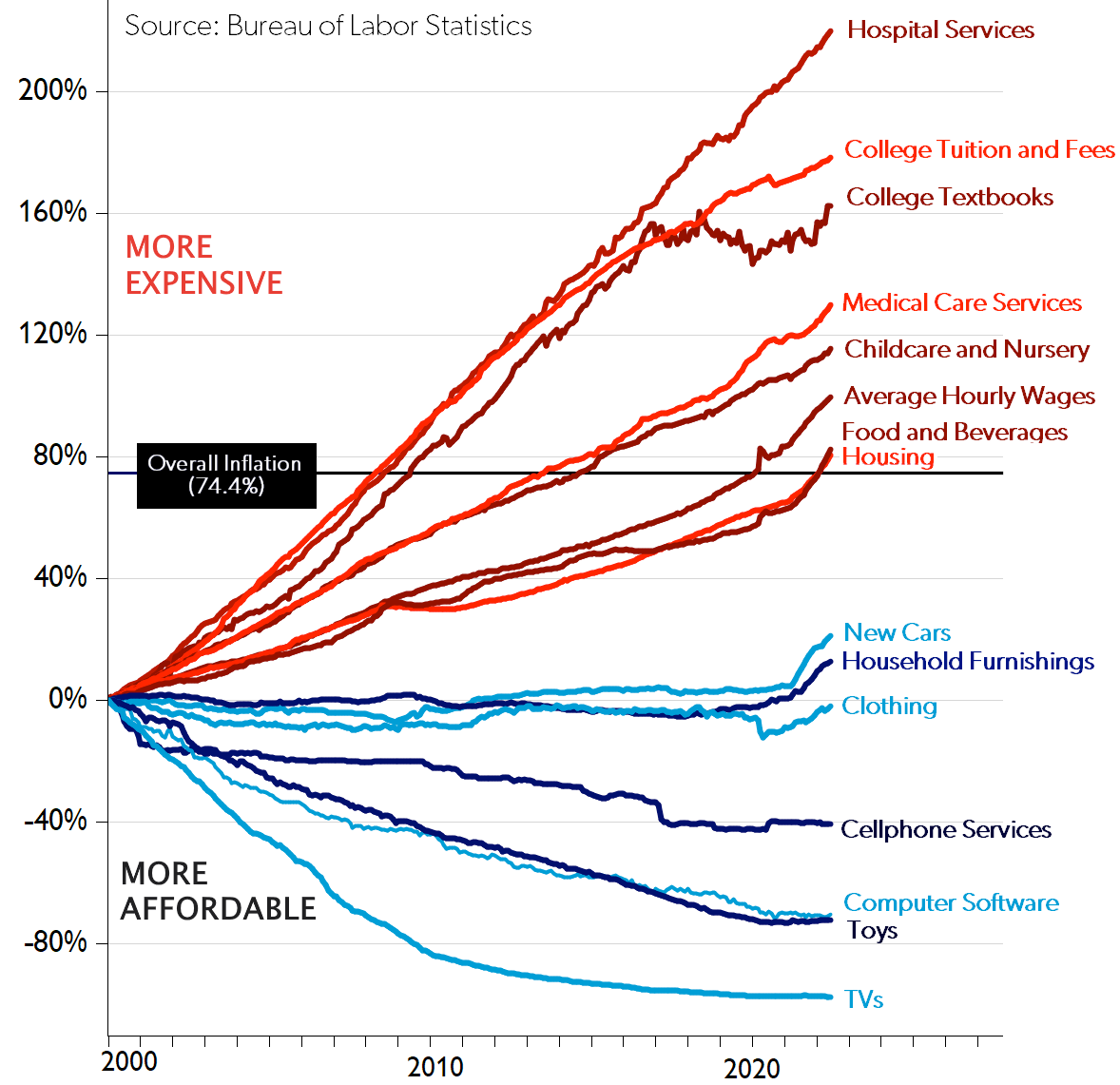
Critically, the speaker declared that January 2025 marked the entry into "The First Gilded Age," asserting that current wealth concentration has surpassed any previous period in American history. Citing 2021 data, he highlighted that the top 1% of households controlled 32% of all wealth, while the bottom 50% possessed a mere 2.6%. He lamented the intensifying trend over the past four years, describing a society where paths to the American Dream are increasingly obstructed by "unaffordable education, lack of accessible healthcare, or lack of affordable housing," trapping individuals in cycles of debt and limiting their freedom to pursue careers, education, entrepreneurship, or even family planning. This, he argued, constitutes "a profound betrayal of everything we ever dreamed about."
Guaranteed Minimum Income: A Path Less Traveled
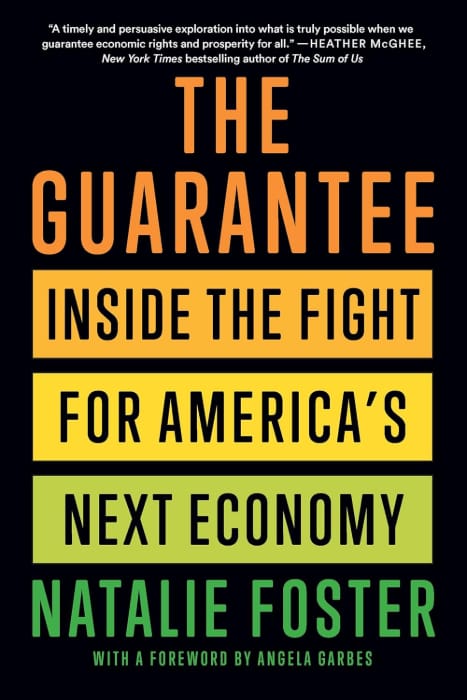
To counteract this systemic blockage, the entrepreneur proposed Guaranteed Minimum Income (GMI) as a foundational solution. He referenced Natalie Foster, co-founder of the Economic Security Project, who advocates for GMI in areas of greatest need, where money can have the most transformative impact.
The concept of guaranteed income, he elaborated, is far from new, tracing its lineage through American history:
- 1797: Thomas Paine proposed a retirement pension funded by estate taxes, planting an early seed for social safety nets.
- 1935: The Social Security Act, a cornerstone of Franklin Roosevelt’s New Deal, provided guaranteed income for retirees, dramatically reducing senior poverty from 50% to 10%.
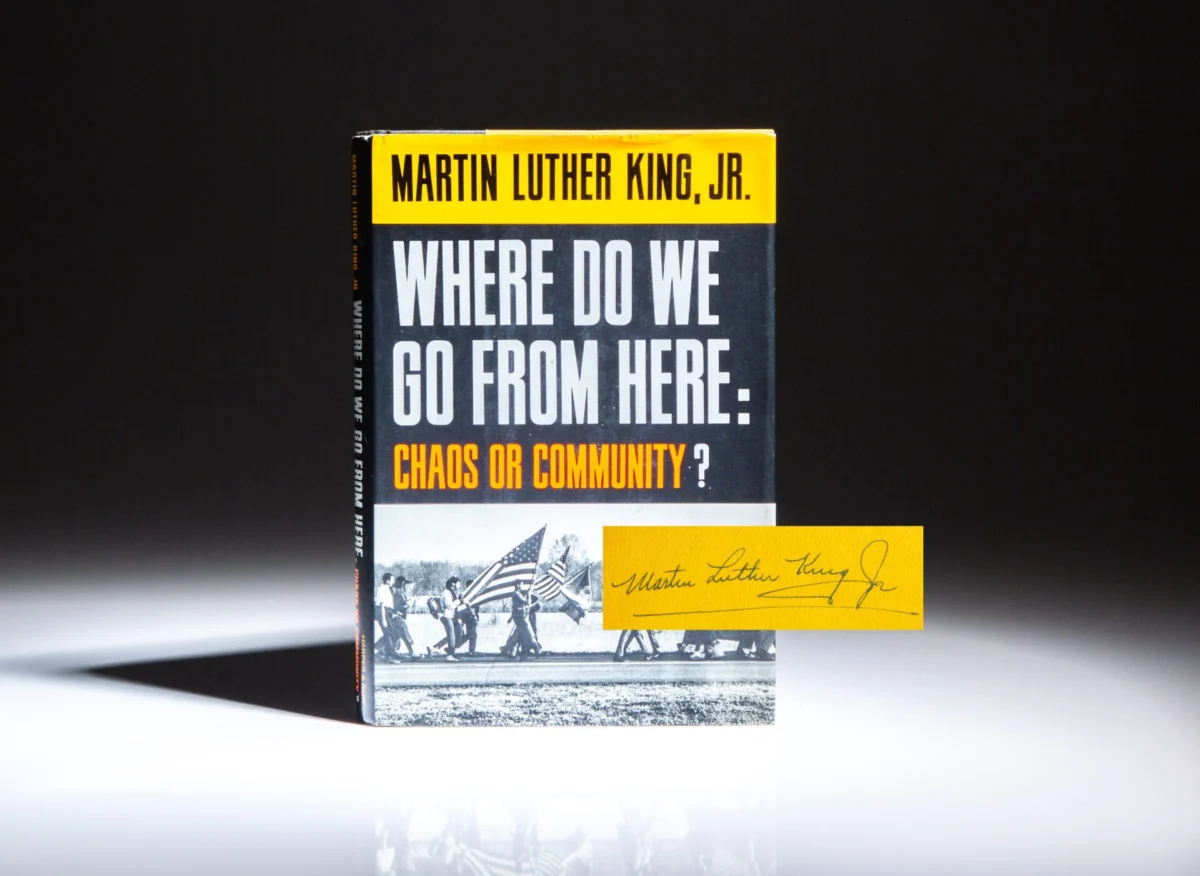
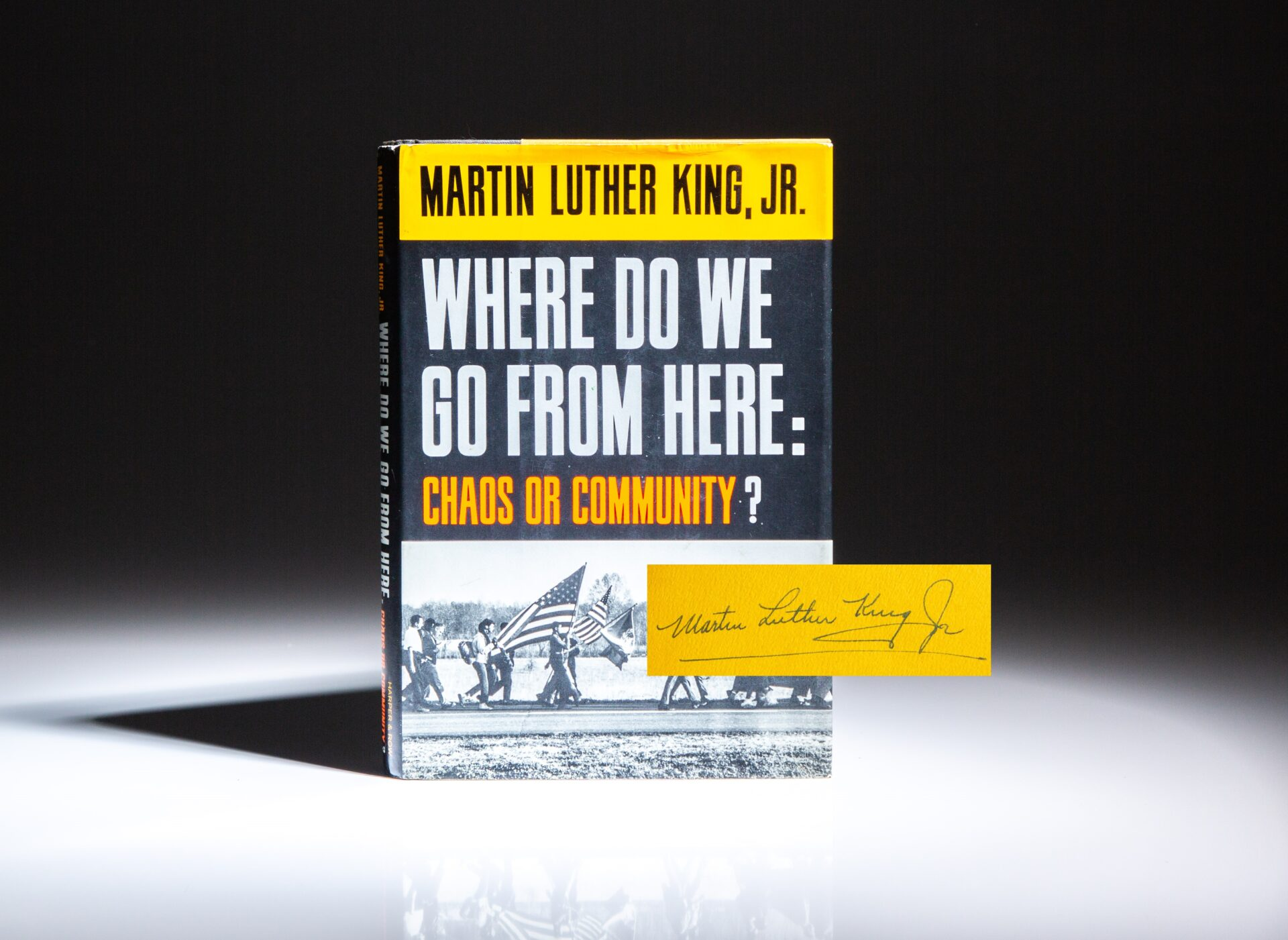
- 1967: Martin Luther King Jr., in "Where Do We Go From Here: Chaos or Community," made a moral case for Universal Basic Income (UBI), viewing direct cash disbursements as the simplest and most effective anti-poverty tool.
- 1972: Congress established the Supplemental Security Income (SSI) program, offering direct cash assistance to low-income elderly, blind, and disabled individuals, enabling them to cover essential living expenses. As of January 2025, over 7.3 million individuals receive SSI benefits.
- 1975: The Earned Income Tax Credit (EITC) was introduced, benefiting working-class parents and lifting approximately 6.4 million people, including 3.4 million children, out of poverty in 2023, making it the second most effective anti-poverty tool after Social Security.
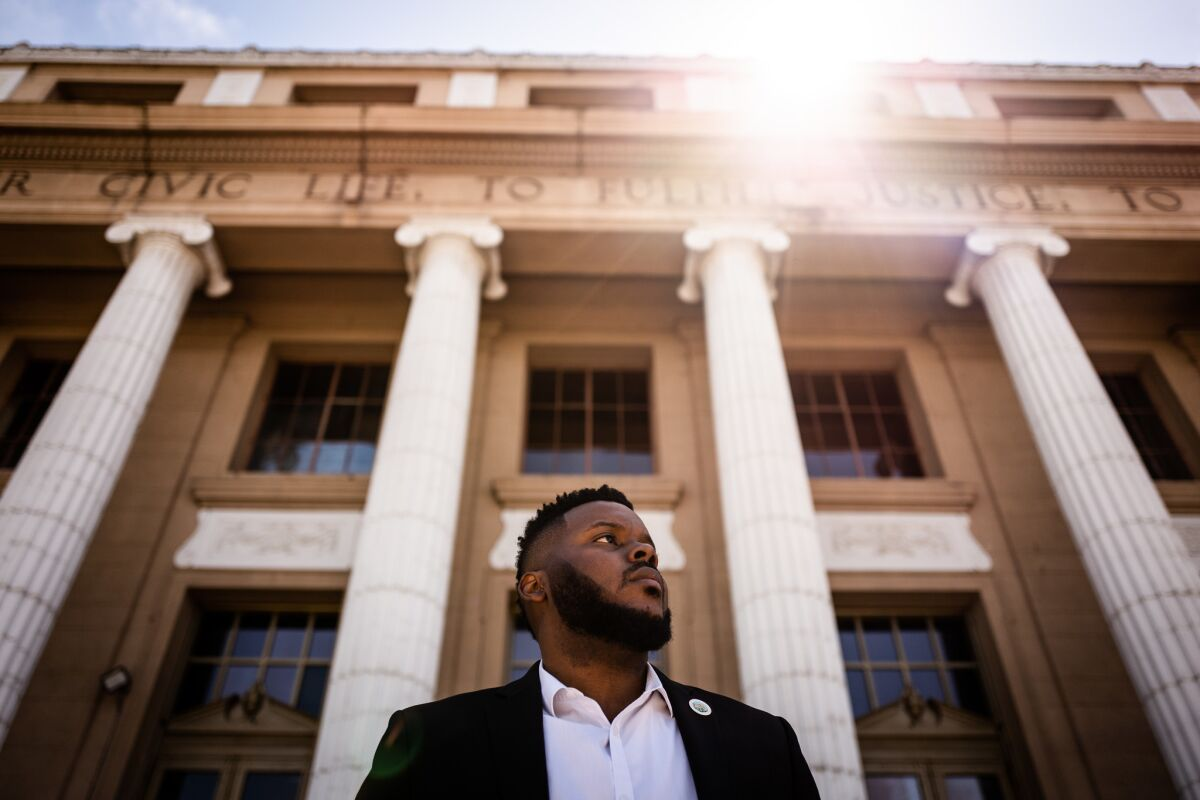
- 2019: Inspired by King, then-26-year-old Stockton Mayor Michael Tubbs launched the Stockton Economic Empowerment Demonstration (SEED), a $3 million pilot providing 125 residents with $500 per month unconditionally for two years. The program demonstrated improved financial stability, increased full-time employment, and enhanced well-being among recipients.
Drawing on Robert Frost’s poem, "The Road Not Taken," the speaker positioned GMI as "the path less travelled by," advocating for it as a "simpler, more practical, more scalable plan to directly address the root of economic insecurity with minimum bureaucracy."
Launching GMI in Rural America
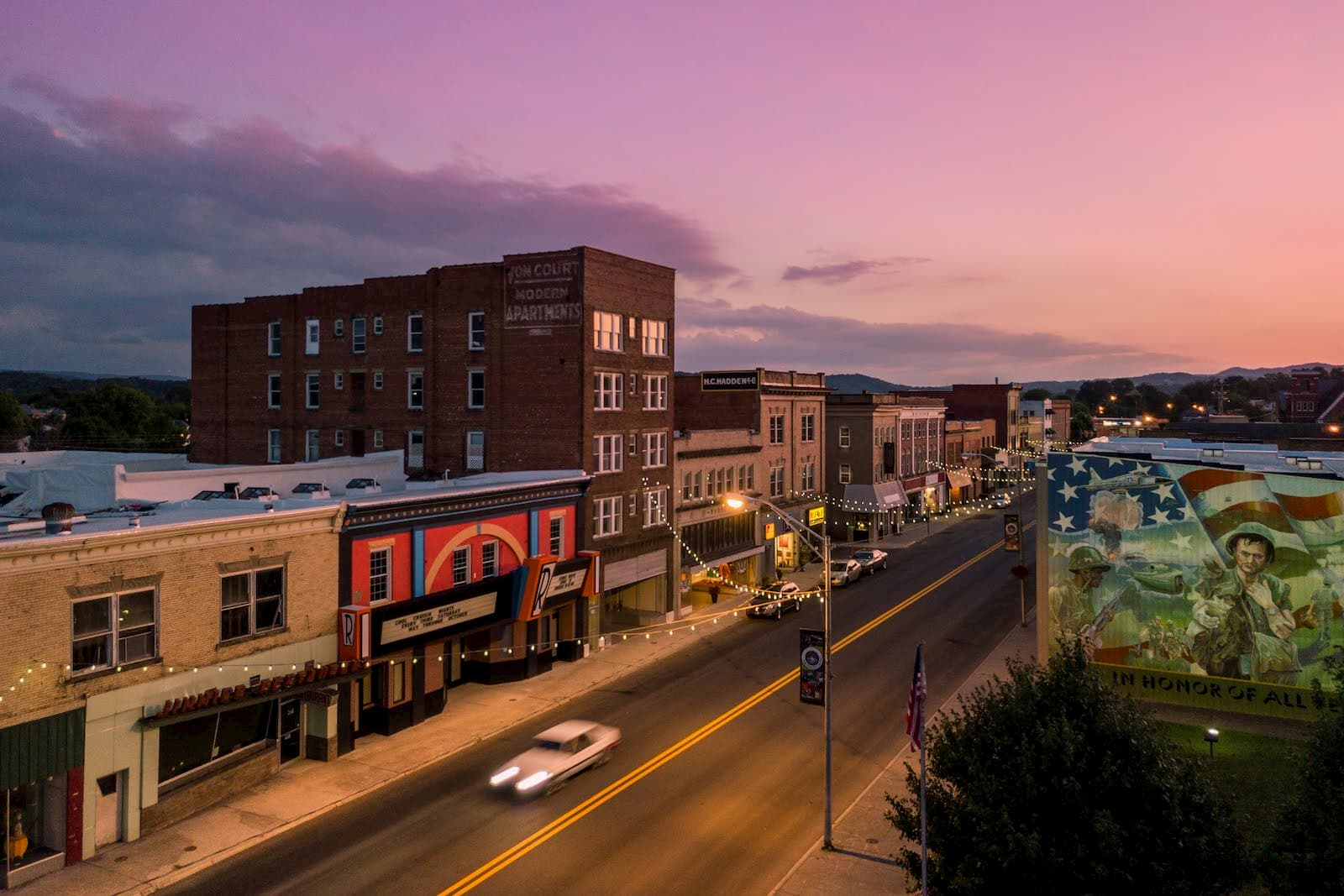
The new GMI initiative will be a collaborative effort, partnering with GiveDirectly, a leader in GMI studies in the United States, and OpenResearch, which recently completed the largest and most detailed GMI study in the country in 2023. The focus will be on rural American communities, a strategic choice due to consistently higher poverty rates, fewer job opportunities, lower wages, and poorer access to healthcare and education in areas like Appalachia, the Mississippi Delta, and American Indian reservations. The speaker highlighted extreme poverty levels in counties such as Oglala Lakota, SD (55.8%) and McDowell, WV (37.6%), contrasting them with typically lower urban rates. Rural areas also offer smaller populations, making them ideal for tightly controlled studies that can be carefully scaled and refined.
The initial plan targets specific rural counties with which the entrepreneur has a personal connection, regions that have remained in poverty for decades. The initiative will work with existing local groups, offering outreach and mentorship to opt-in study participants. Veterans are envisioned to play a crucial role, leveraging their leadership skills and commitment to community service to support and execute GMI programs. Partnerships with established community organizations—churches, civic groups, community colleges, and local businesses—will ensure integration with existing support systems.
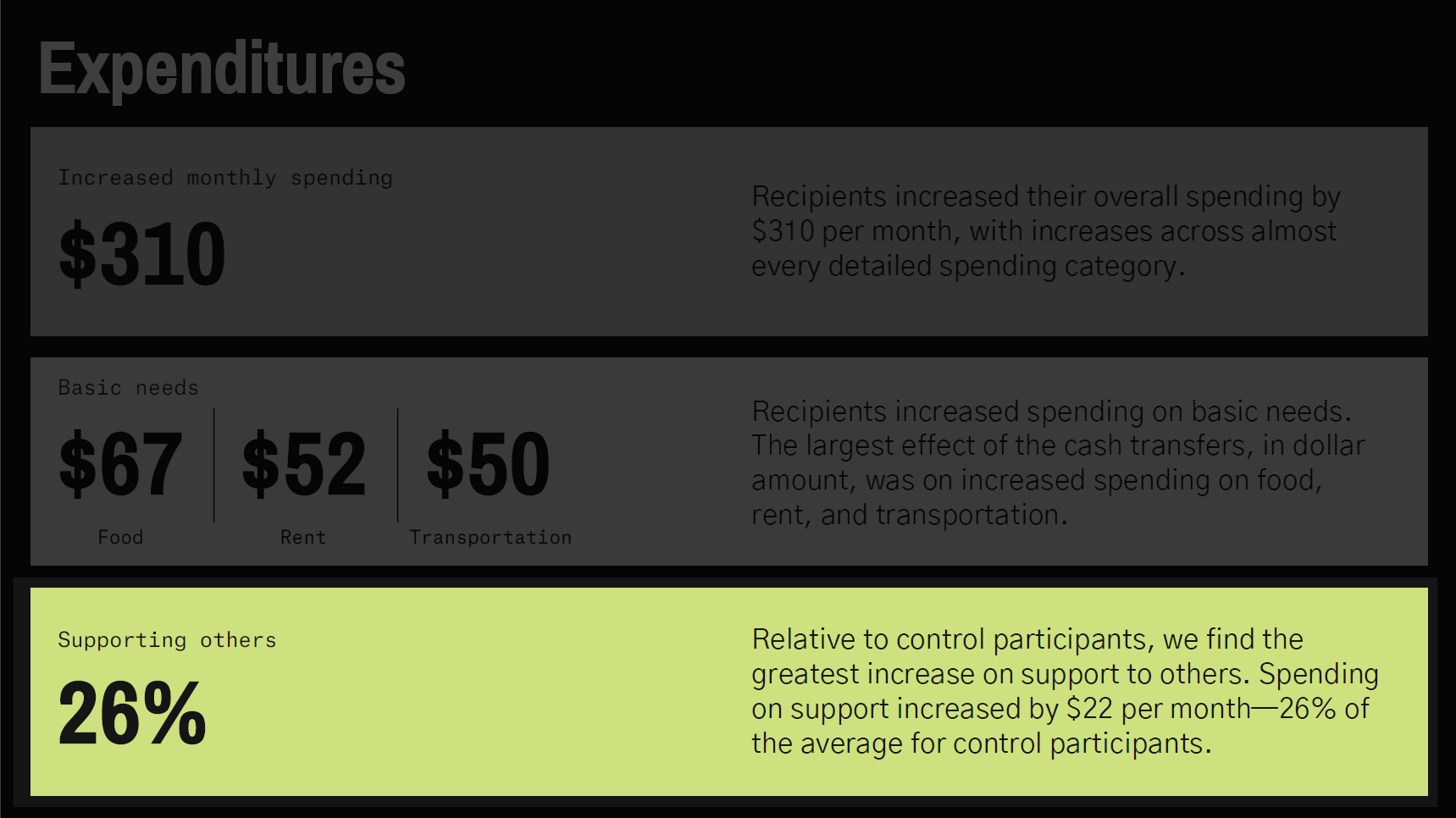
GiveDirectly and OpenResearch will be instrumental in gathering extensive data, measuring impacts on employment, entrepreneurship, education, health, and community engagement. Regular interviews with participants will ensure ongoing feedback and adaptation of the programs.
The Power of Connection and the Legacy of Aaron Swartz
The speaker passionately argued that economic security is fundamental to democracy itself. By alleviating the constant anxieties of basic needs—food, healthcare, housing—GMI provides individuals with "room to breathe," fostering the freedom to raise families, start businesses, choose careers, volunteer, and, critically, to vote. He emphasized that this is not about ideology but about "Americans, working together to invest in our future," envisioning it as "the greatest unlocking of human potential in our entire history." He cited the 2023 OpenResearch UBI study, which showed that recipients in poverty consistently share their money with others in desperate need, illustrating the powerful "network effects" of opportunity within communities. "Equality is connection, and connection is more valuable than any product any company will ever sell you," he stated.
The address concluded with a tribute to Aaron Swartz, a precocious programmer and activist who co-founded Reddit and championed universal access to information. Swartz, who tragically took his own life at 26 while facing aggressive federal prosecution for downloading academic articles he believed should be freely available, embodies the spirit of fighting for fundamental principles. The speaker urged the audience to follow Swartz’s example, to be "activists," "brave," and to "stand up for our defining American principles."
The entrepreneur issued a dual call to action: first, to recognize that the American Dream necessitates sharing and providing fundamentals for all, and second, to join this "grand experiment." With his family committing $50 million, he expressed hope that others would join, envisioning a future where future generations would look back and wonder why it took so long to share the dream of a "better, richer, and fuller life" with all Americans. "I believe everyone deserves a fair chance at what was promised when we founded this nation: Life, Liberty, and the pursuit of The American Dream."
About the Author







