
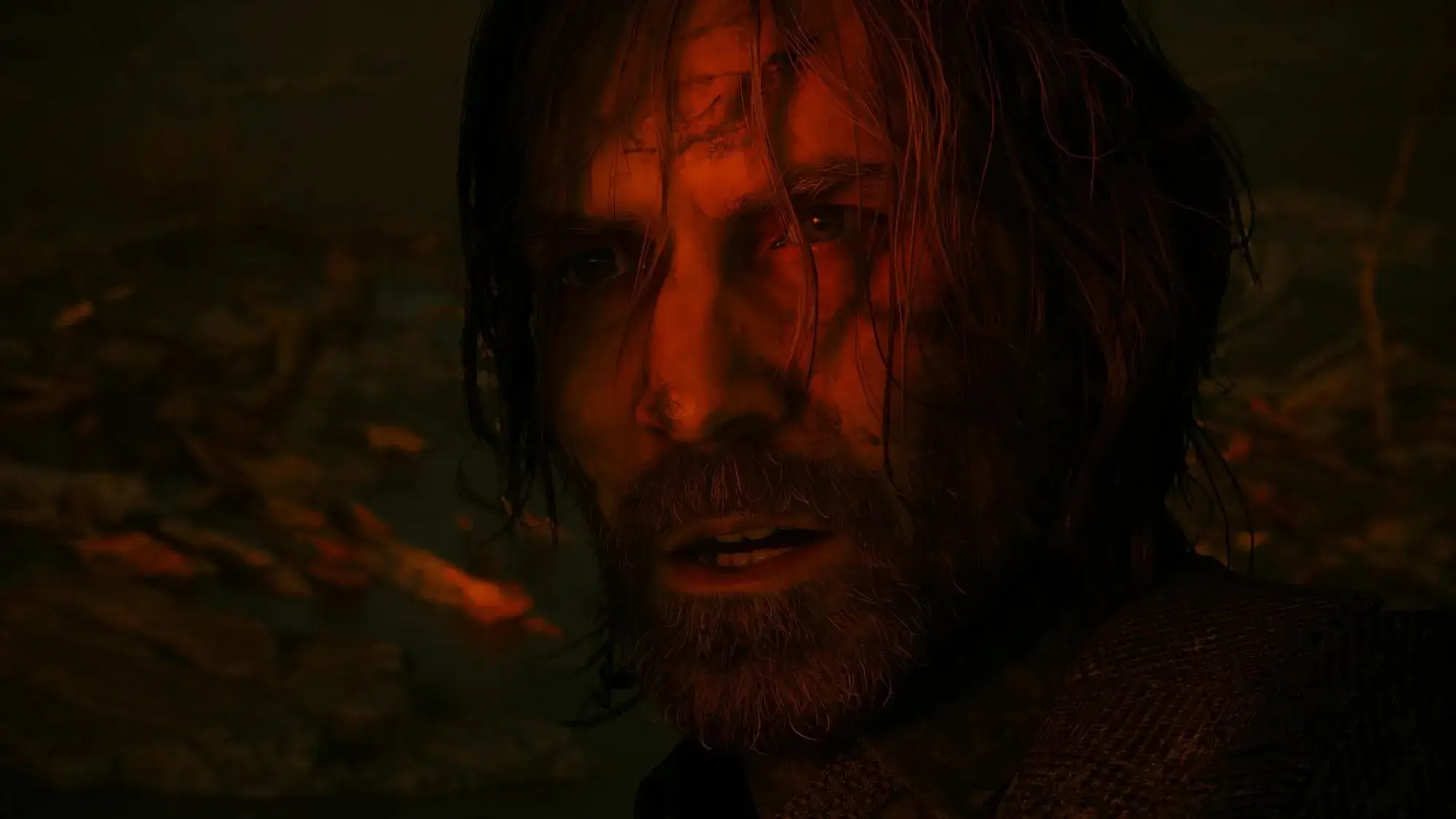
Remedy Entertainment’s 2023 survival horror title, Alan Wake 2, has solidified its position as a landmark achievement in interactive storytelling, captivating players long after the credits roll. Far beyond its meticulously crafted creatures and pervasive atmosphere, the game’s narrative prowess and distinctive dialogue have secured its place in critical acclaim, earning numerous prestigious awards and nominations for its unparalleled writing and direction. This article explores the intricate layers of Alan Wake 2‘s story, the unique voices that bring its world to life, and its broader impact on the landscape of video game narratives.
The Narrative Core: A Dual Descent into Darkness
Alan Wake 2 picks up thirteen years after the harrowing events of its predecessor, plunging players into a reality that is both familiar and terrifyingly fractured. The game ingeniously weaves together two distinct yet intrinsically linked storylines, following two protagonists whose paths gradually converge. On one side is Alan Wake, the titular author, trapped in the nightmarish dimension known as the Dark Place. Here, he desperately attempts to write his way to freedom, grappling with his own fractured psyche and the manipulative forces that seek to twist his narrative. His struggle is one of creation and survival, where the act of writing directly influences the shifting reality around him.
Concurrently, players are introduced to Saga Anderson, a seasoned FBI agent dispatched to the Pacific Northwest town of Bright Falls to investigate a series of ritualistic murders. Her journey begins as a grounded, albeit bizarre, criminal investigation, but quickly spirals into a supernatural labyrinth where the lines between reality and fiction blur. Both Alan and Saga are forced to confront an ever-changing world, their separate investigations revealing unexpected connections and a deeper, more insidious threat that transcends conventional understanding.
This dual narrative structure is central to Alan Wake 2‘s success. It not only doubles the sense of disturbing mystery but also allows for a dynamic exploration of themes such as identity, reality, and the power of storytelling itself. The game’s narrative is a masterclass in suspense and twists, designed to keep players perpetually questioning what is real. Even the characters’ attempts to rationalize their bizarre circumstances often lead to more profound questions, pulling players deeper into a meta-narrative that refuses to be contained within the boundaries of a typical small-town murder mystery or an escape plan. The conversations, often cryptic and layered, serve not merely to advance the plot but to reveal the scary truth about the characters’ struggles against self-doubt, inner darkness, and the very fabric of their existence.
Remedy Entertainment’s Legacy of Storytelling
Remedy Entertainment has long been revered for its unique approach to narrative-driven games. From the gritty, film-noir inspired storytelling of Max Payne to the mind-bending, cinematic universe of Control, the Finnish developer has consistently pushed the boundaries of interactive fiction. Alan Wake 2 stands as a testament to this legacy, further solidifying the concept of the "Remedy Connected Universe" (RCU), which subtly links its various titles. The game’s intricate lore, self-referential humor, and willingness to break the fourth wall are hallmarks of Remedy’s distinctive style.
The development cycle for Alan Wake 2 spanned several years, with the team committed to delivering a narrative experience that built upon the foundation of the original 2010 game while evolving its themes and mechanics. Creative Director Sam Lake, known for his distinctive writing style and often appearing as in-game characters, played a pivotal role in shaping the game’s ambitious narrative. The decision to embrace a darker, more psychological horror tone, coupled with the innovative dual protagonist structure, was a deliberate choice aimed at deepening the player’s immersion and understanding of the game’s complex themes.
Awards and Critical Acclaim
Upon its release in October 2023, Alan Wake 2 garnered widespread critical acclaim, particularly for its narrative, atmosphere, and innovative game design. It quickly became a frontrunner in numerous end-of-year award ceremonies. At The Game Awards 2023, it secured wins for Best Narrative, Best Art Direction, and Best Game Direction, underscoring the holistic excellence of its storytelling and presentation. These accolades were not isolated; the game also received nominations and awards from prestigious bodies such as the BAFTA Games Awards, the DICE Awards, and the Game Developers Choice Awards, consistently being recognized for its outstanding narrative achievements.
Critics lauded the game’s ability to blend psychological terror with detective work, creating a narrative that was both deeply unsettling and intellectually stimulating. Review aggregators reflected this sentiment, with Alan Wake 2 maintaining an average score of 89-90 out of 100 on Metacritic across various platforms, indicating "universal acclaim." Many reviews specifically highlighted the game’s "masterful storytelling" and "unforgettable characters" as key drivers of its success, cementing its status as one of the most narratively ambitious titles of its generation.
The Power of Dialogue: Weaving the Tapestry of Terror and Wit
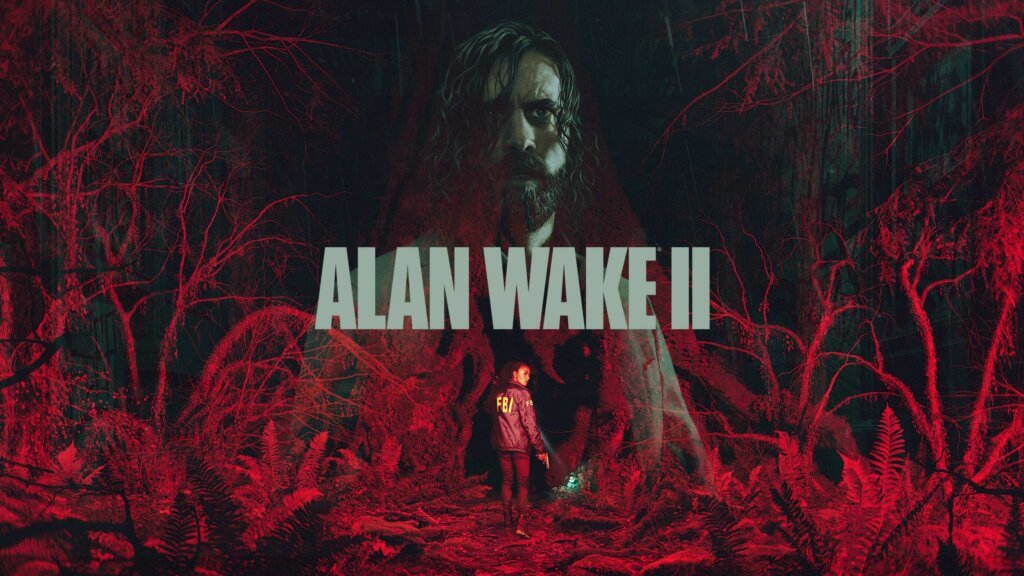
A significant component of Alan Wake 2‘s narrative impact is its exceptional dialogue. The conversations are a strange, self-aware, and surprisingly funny blend of literary prose and hard-boiled detective fiction. This unique stylistic choice elevates the game beyond a typical horror experience, adding layers of meta-commentary and character depth. The dialogue frequently blurs the lines between reality and fiction, with characters often discussing the nature of the story they are in, or making references to literary devices, creating an unsettling sense of a narrative that is conscious of itself.
This self-awareness extends to moments of dark humor and absurdity, providing brief, albeit unsettling, reprieves from the pervasive dread. The interplay between characters, particularly the dry wit of Alex Casey and the often theatrical pronouncements of Alan Wake, adds a distinct flavor to the world. These exchanges are not merely expository; they are carefully crafted to reveal character, deepen thematic understanding, and contribute to the game’s unique atmosphere, often leaving players with lingering thoughts long after the horror subsides.
Key Voices: Character-Driven Dialogue
The memorable lines in Alan Wake 2 are not exclusive to its main protagonists. Even supporting characters contribute significantly to the rich tapestry of the game’s verbal landscape. Each character’s dialogue is meticulously crafted to reflect their personality, their understanding (or misunderstanding) of the unfolding events, and their role within the larger narrative.
Alan Wake
As the titular protagonist, Alan Wake’s dialogue is a reflection of his anxious, theatrical, and stubbornly determined personality. Trapped in the Dark Place, his speech often oscillates between desperate attempts to maintain sanity, poetic musings on the nature of reality and fiction, and cynical self-reproach. His words are imbued with a profound sense of guilt and desperation, showcasing a man pushed to his absolute limits, trying to write his way out of a prison of his own imagination. He often speaks in literary terms, analyzing the "plot points" and "narrative beats" of his own horrifying predicament, blurring the line between author and character. His dialogue is crucial for understanding the meta-narrative at the heart of the game.
Saga Anderson
FBI Agent Saga Anderson provides a grounded, investigative counterpoint to Alan’s surreal journey. Her dialogue frequently reflects her professional skepticism and her struggle to reconcile empirical evidence with the impossible events unfolding around her. Her words often convey a tension between what she can logically prove and what she is forced to confront as an inexplicable truth. As she delves deeper into the mysteries of Bright Falls, her dialogue subtly shifts, revealing her growing acceptance of the supernatural, while still maintaining her sharp, analytical mind. She uses precise, often interrogative language, seeking to understand the "how" and "why" of the madness, even when the answers defy logic.
Alex Casey
Alex Casey, Alan Wake’s fictional detective character brought to life (and then some), serves as Saga’s partner in the investigation. His dialogue is marked by a dry, world-weary sense of humor and a practical, no-nonsense attitude, often cutting through the surrealism with sardonic observations. He provides a crucial comedic and grounding presence, even as he grapples with the increasingly bizarre reality. His shared identity with Alan’s fictional creation adds another layer of meta-commentary, and his often laconic responses contrast sharply with the unfolding horror, making his moments of candidness all the more impactful.
The Rest of the Characters in Alan Wake 2
Beyond the main trio, the supporting cast of Alan Wake 2 contributes significantly to the game’s unique verbal texture. From the cryptic pronouncements of the Cult of the Tree members to the eccentric ramblings of the local townsfolk, each character adds a distinct voice to the narrative. The Koskela brothers, for instance, with their local charm and surprisingly profound insights delivered in a folksy manner, provide both comedic relief and crucial plot details. Even the environmental storytelling, through found manuscripts and fragmented recordings, acts as a form of dialogue, speaking directly to the player about the unfolding horrors and the deeper lore of the Dark Place. These diverse voices ensure that the world of Alan Wake 2 feels rich, lived-in, and constantly surprising.
Lighter Moments in Alan Wake 2
Despite its pervasive atmosphere of psychological horror, Alan Wake 2 cleverly injects moments of absurd humor and unexpected levity. These "lighter moments" are often delivered through the dialogue, serving as a vital counterpoint to the game’s bleak observations and creepy imagery. Whether it’s Alex Casey’s deadpan remarks, Alan Wake’s self-deprecating theatricality, or the quirky interactions with the residents of Bright Falls, these instances of humor are distinctly Alan Wake. They highlight the game’s self-awareness and its willingness to play with genre conventions, making the surreal horror experience even more impactful by offering brief, memorable flashes of the bizarrely comedic. These moments are expertly woven into the narrative, preventing the relentless tension from becoming overwhelming and showcasing Remedy’s unique brand of storytelling.
The Broader Impact on Interactive Storytelling
Alan Wake 2‘s narrative success and its innovative approach to dialogue have significant implications for the broader landscape of interactive storytelling. By embracing a highly meta-fictional approach, blending multiple genres, and prioritizing character-driven dialogue that is both profound and self-aware, the game has set a new benchmark for narrative ambition in video games. It demonstrates that players are eager for complex, thought-provoking stories that challenge conventional structures and engage them on multiple intellectual and emotional levels.
The critical and commercial success of Alan Wake 2 may encourage other developers to explore more experimental narrative techniques, pushing the boundaries of what is possible in interactive fiction. Its layered storytelling, where the act of playing the game becomes part of the narrative itself, offers a compelling model for future titles seeking to create deeply immersive and unforgettable experiences. The game’s ability to combine high-stakes horror with moments of genuine wit, all communicated through meticulously crafted dialogue, confirms that powerful storytelling remains a cornerstone of exceptional game design.
In conclusion, Alan Wake 2 is more than just a survival horror game; it is a masterwork of narrative design. Its compelling story, brought to life by an exceptional cast of characters and their unforgettable dialogue, ensures that the game resonates deeply with players. The strange, self-aware, and surprisingly funny conversations, coupled with the game’s bleak observations and creepy imagery, solidify its status as a surreal horror experience unlike any other. Alan Wake 2 stands as a testament to Remedy Entertainment’s storytelling prowess and an enduring example of how narrative can elevate a video game into a truly special and unforgettable cultural phenomenon.
About the Author







