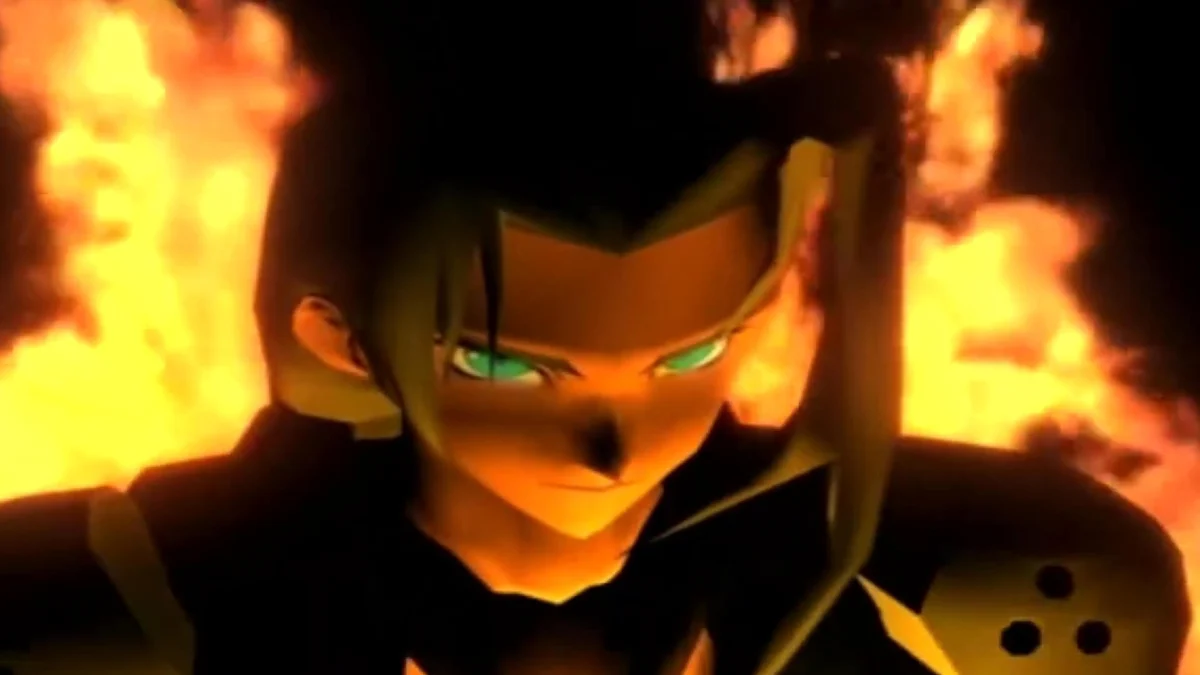
The original Final Fantasy VII, launched in 1997 by Square (now Square Enix), remains a monumental achievement in video game history, its influence undiminished even with the advent of its critically acclaimed modern remakes. While the 1997 iteration undeniably features visuals that reflect its era and occasional translation quirks, its core strengths—a compelling narrative, profound character development, and universally relevant themes—have cemented its status as a timeless classic. Nearly three decades after its release, the game continues to resonate, exploring complex issues of loss, identity, corporate greed, and the catastrophic repercussions of unchecked human ambition with a depth rarely seen in its contemporaries. This narrative prowess is underscored by its universal acclaim on platforms like Metacritic, where it holds a score of 92/100, and sustained positive discourse across fan communities, testifying to its indelible impact on players and the industry alike. The game’s masterful writing crafted lines that not only propelled its story but also embedded themselves into gaming culture, ensuring its enduring relevance.
A Pioneering Narrative in Gaming
Final Fantasy VII is widely celebrated for its role in pioneering cinematic storytelling within video games, leveraging the nascent capabilities of the PlayStation console and CD-ROM technology to deliver an experience previously unattainable. It propelled the RPG genre forward, setting new benchmarks for narrative ambition and presentation. The game’s intricate plot begins in a world teetering on the brink of ecological collapse, ravaged by the Shinra Electric Power Company, a mega-corporation that extracts the planet’s life force, Mako, as an energy source. Players are introduced to Cloud Strife, a mercenary with a mysterious past, who joins AVALANCHE, an eco-terrorist group dedicated to stopping Shinra’s destructive practices.
The initial stages of the adventure immerse players in a high-stakes "heist" scenario within the dystopian metropolis of Midgar. Cloud navigates the squalid slums beneath Shinra’s opulent plate, participating in daring operations to sabotage Mako reactors. This introduction quickly expands into a sprawling odyssey across a diverse world, from ancient ruins and perilous wildernesses to remote villages and bustling cities. The game’s revolutionary use of pre-rendered 3D backgrounds, polygon character models, and full-motion video (FMV) cutscenes not only captivated players but also showcased a dramatic leap in the visual and experiential evolution of the RPG genre.
However, the game’s true genius lies in its shift from an epic planetary struggle to an deeply personal journey. What begins as a fight for environmental justice against a monolithic corporation gradually transforms into a profound exploration of grief, trauma, and the fragmented nature of identity. At its heart, Final Fantasy VII delivers a scathing critique of unchecked corporate power, environmental exploitation, and societal stratification, where the privileged elite literally live above the impoverished masses, leading to an inevitable path of self-destruction. The game’s dialogue becomes particularly poignant and memorable as it reveals how its diverse cast of characters grapples with these overwhelming forces and their personal demons.
Historical Context and Development Milestones
The development of Final Fantasy VII began in 1994, initially conceived for the Nintendo 64. However, Square’s decision to switch platforms to the Sony PlayStation, primarily due to the PlayStation’s use of CD-ROMs which offered vastly superior storage capacity compared to the N64’s cartridges, proved to be a pivotal moment. This allowed for the inclusion of extensive FMV sequences and a greater breadth of content, fundamentally shaping the game’s cinematic presentation. The game was directed by Yoshinori Kitase, produced by Hironobu Sakaguchi, and featured character designs by Tetsuya Nomura, with the iconic score composed by Nobuo Uematsu. Its budget, estimated at around $45 million (including marketing), was unprecedented for a video game at the time, reflecting Square’s immense ambition.
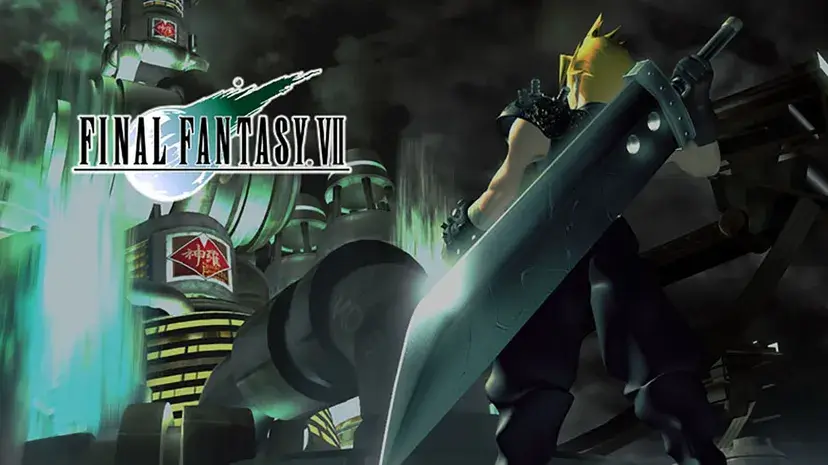
Released on January 31, 1997, in Japan, and later that year in North America and Europe, Final Fantasy VII was an immediate commercial and critical success. It sold over 2 million copies in Japan within three days and over 10 million worldwide by 1998, making it the best-selling Final Fantasy title until Final Fantasy X. Its global success was instrumental in boosting PlayStation sales and broadening the appeal of Japanese RPGs in Western markets.
Thematic Depth and Enduring Relevance
Final Fantasy VII’s narrative sophistication is a cornerstone of its enduring appeal. The game confronts players with a world grappling with the consequences of its own actions, a theme that resonates more powerfully than ever in an era of growing environmental concerns and discussions about corporate responsibility.
- Environmentalism and Corporate Greed: The central conflict between AVALANCHE and Shinra embodies the struggle against ecological destruction driven by corporate avarice. Shinra’s extraction of Mako energy, explicitly stated as the planet’s life force, serves as a powerful allegory for unsustainable resource depletion.
- Loss and Grief: The narrative is permeated with themes of loss, from the destruction of Cloud’s hometown of Nibelheim to the tragic fate of key characters. The game explores how characters process grief and how past traumas shape their present actions and identities.
- Identity and Memory: Cloud Strife’s fragmented memories and manufactured persona are central to his character arc, exploring complex psychological themes of self-discovery, truth, and the unreliable nature of memory. This psychological depth was revolutionary for the medium.
- Existentialism and Destiny: Sephiroth’s descent into madness and his quest to become a god-like entity by merging with the planet’s Lifestream raises profound questions about existence, purpose, and the nature of humanity’s place in the cosmos.
Iconic Characters and Their Defining Dialogue
While specific memorable quotes often spring to mind (sometimes even including infamous translation errors like "This guy are sick," which has become a charming part of its legacy), it’s the cumulative effect of each character’s dialogue that truly enriches the narrative. The game’s writing, despite occasional translation awkwardness, consistently reveals character motivations, advances the plot, and deepens thematic exploration.
-
Cloud Strife: The primary protagonist, Cloud initially presents as a detached, mercenary-for-hire, projecting an image of a confident, battle-hardened SOLDIER. This guarded demeanor slowly peels away to reveal a more vulnerable, socially awkward individual grappling with fractured memories and a complex sense of self-worth. His most revealing lines often pertain to his past, his perceived failures, and his struggle to reconcile his true self with the persona he’s constructed. His journey is defined by dialogue that reflects his internal conflict, his growing loyalty to his friends, and his eventual acceptance of his true identity.
- Analysis: Cloud’s dialogue evolves from curt and self-interested to earnest and protective. His struggles with identity are often expressed through questions of memory and reality, making his lines crucial for the player’s understanding of the narrative’s central mystery.
-
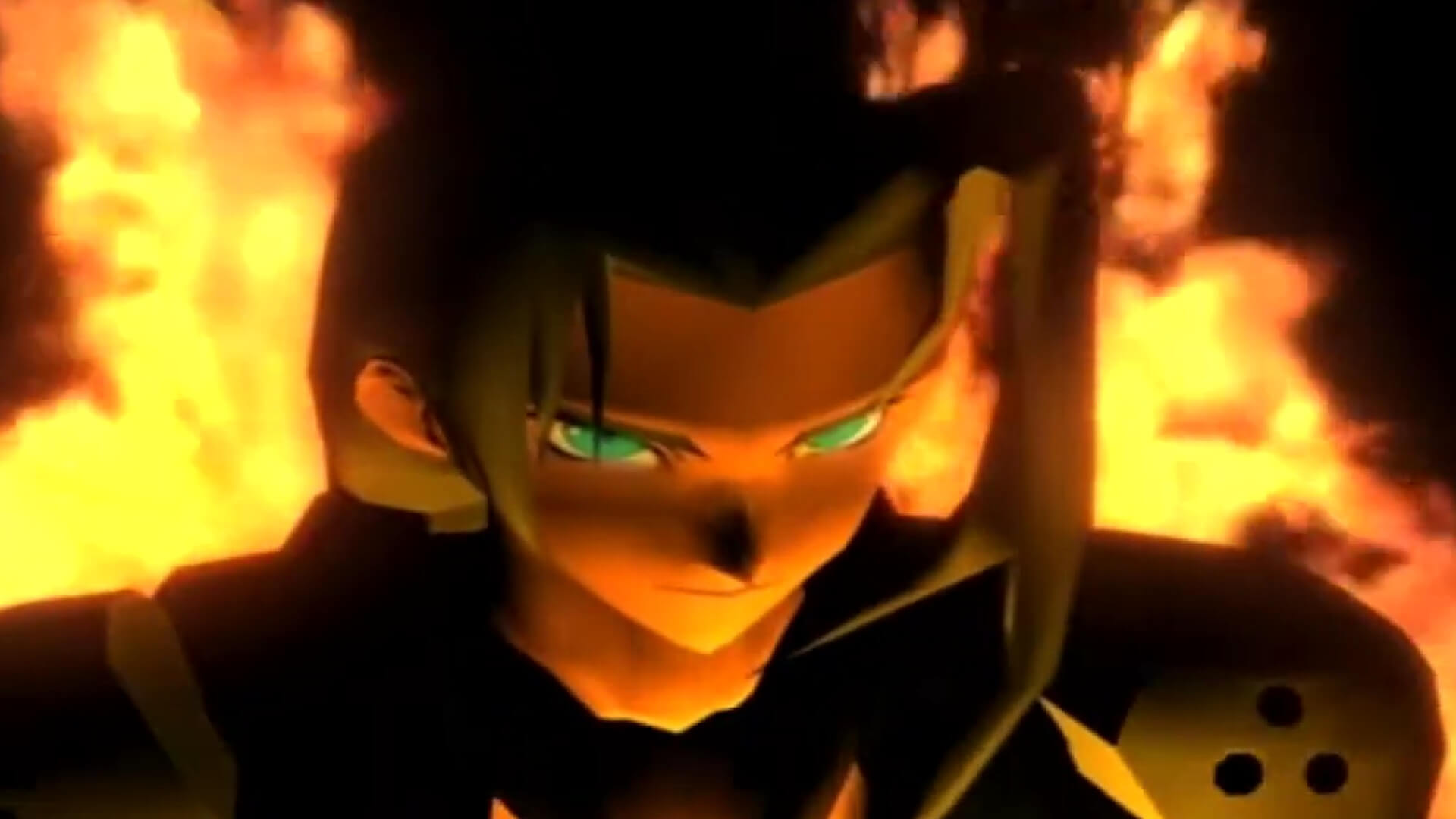
Sephiroth: The iconic antagonist, Sephiroth, stands as a benchmark for video game villains. Once a revered SOLDIER hero, his discovery of his true origins—a product of Shinra’s genetic experiments involving the alien entity Jenova—sends him spiraling into madness. His dialogue shifts from calm and collected to chillingly nihilistic and grandiose. His pronouncements often convey a profound sense of superiority, a desire for godhood, and a contempt for humanity, encapsulating the game’s themes of destructive ambition and existential threat.
- Analysis: Sephiroth’s lines are often poetic and terrifying, articulating his warped worldview and his plan to destroy the planet to "reunite with his mother" (Jenova). His rhetoric is manipulative and grand, reflecting his descent into megalomania and his role as the ultimate existential threat.
-
Tifa Lockhart: Cloud’s childhood friend and a central figure in AVALANCHE, Tifa serves as the emotional anchor for the group. Empathetic, intuitive, and fiercely loyal, much of her character is conveyed through her unwavering concern for Cloud and her determination to protect her friends and the planet. Her dialogue often expresses encouragement, comfort, and a pragmatic resolve, offering a grounded perspective amidst the unfolding chaos.
- Analysis: Tifa’s dialogue is characterized by its warmth, resilience, and emotional intelligence. She often provides crucial support and reality checks for Cloud, helping him navigate his internal struggles and external threats. Her lines highlight themes of friendship, loyalty, and perseverance.
-
The Broader Ensemble: Final Fantasy VII boasts a rich cast of supporting characters, each contributing significantly to the narrative through their distinct personalities and dialogue.
- Barret Wallace: The hot-headed leader of AVALANCHE, his lines are often passionate and rebellious, driven by his hatred for Shinra and his love for his daughter, Marlene. He embodies the revolutionary spirit and the direct consequences of Shinra’s actions.
- Aerith Gainsborough: The enigmatic flower girl and last of the Cetra, her dialogue is often gentle, wise, and imbued with a sense of destiny and connection to the planet. Her lines carry spiritual weight and offer hope amidst despair.
- Red XIII: A sentient lion-like creature, his dialogue reflects his wisdom, his connection to nature, and his journey of self-discovery and honoring his heritage.
- Cid Highwind: A foul-mouthed, aspiring pilot, Cid’s lines are often cynical but reveal a deep-seated dream and a surprising loyalty, adding a layer of rugged individualism.
- Yuffie Kisaragi: The spunky ninja, her dialogue is often playful, mischievous, and reflects her youthful exuberance and kleptomaniac tendencies, providing comic relief.
- Vincent Valentine: The brooding, vampiric ex-Turk, his lines are sparse and melancholic, hinting at a tragic past and a quest for redemption.
- Analysis: The collective dialogue of the party members creates a dynamic and believable group, showcasing diverse reactions to the overarching conflict and personal struggles. Their interactions highlight themes of camaraderie, sacrifice, and the search for purpose.
-
Lighter Moments: Despite its heavy themes, Final Fantasy VII masterfully intersperses moments of levity and humor. These lighter exchanges, often involving characters like Yuffie, Cait Sith, or Cid, provide essential emotional beats, preventing the narrative from becoming overwhelmingly bleak. They showcase the game’s ability to balance profound drama with character-driven humor, making the world and its inhabitants feel more alive and relatable.
- Analysis: These moments of humor, often expressed through character quirks or situational comedy, serve to humanize the protagonists and provide much-needed respite, enriching the player’s emotional investment in the journey.
Broader Impact and Implications
Final Fantasy VII’s influence extends far beyond its initial release. It redefined what an RPG could be, particularly in terms of visual presentation and narrative complexity. Its success directly contributed to the PlayStation’s dominance in the 32-bit console generation and established Square as a global powerhouse in video game development.
The game’s thematic depth has ensured its continued academic and cultural study, with analyses focusing on its environmental message, psychological character arcs, and deconstruction of heroism. Its legacy is evident in countless subsequent RPGs that have adopted cinematic storytelling, complex narratives, and emotionally resonant character development.
The ongoing "Final Fantasy VII Remake" project, beginning with "Final Fantasy VII Remake" (2020) and continuing with "Final Fantasy VII Rebirth" (2024), serves as a testament to the original game’s enduring cultural significance. These remakes don’t merely update the visuals but reimagine and expand upon the narrative, introducing new layers of complexity and self-awareness, appealing to both veteran fans and new generations of players. This continued engagement demonstrates that the themes and characters introduced in 1997 remain compelling and relevant, proving that Final Fantasy VII is not just a relic of gaming history but a living, evolving narrative that continues to captivate and provoke thought.
In conclusion, Final Fantasy VII’s blend of revolutionary technology, deep narrative, and unforgettable characters, articulated through its powerful dialogue, has solidified its place as a monumental achievement. Its ability to transcend its technological limitations and deliver a story that explores universal human experiences ensures its continued resonance, making it a definitive work in the pantheon of video games.
About the Author