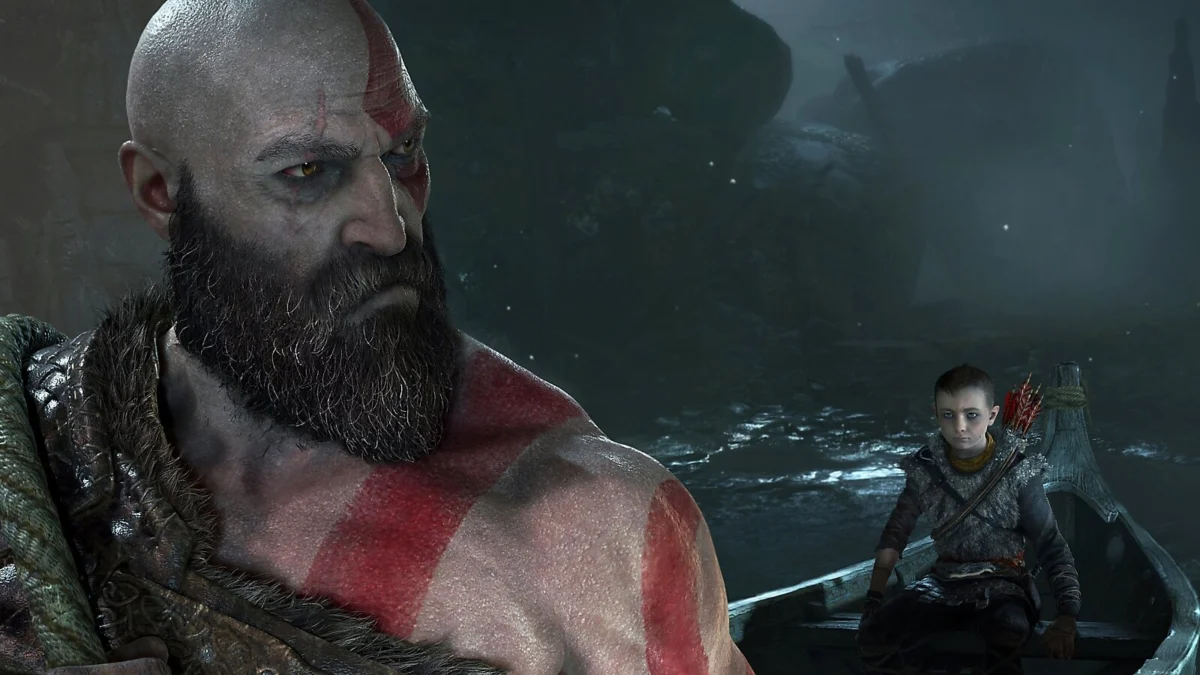
The reinvention of a successful, long-running video game series is a daring and often precarious undertaking within the competitive landscape of the interactive entertainment industry. Yet, Santa Monica Studio executed this pivot with remarkable brilliance, delivering a critically acclaimed soft reboot of their flagship God of War franchise in 2018. This bold new beginning transcended the series’ established identity as a bombastic, action-heavy saga centered on a rage-fueled Spartan warrior, instead proving that a game with such a formidable protagonist could offer profound narrative depth and emotional resonance. The dialogue, far from being mere filler, was meticulously crafted, earning God of War (2018) numerous accolades for its narrative, writing, and storytelling, a testament to its exceptional quality. The game masterfully balances visceral, brutal encounters with poignant conversations that reveal far more about its characters than their outward stoicism or youthful exuberance initially suggests.
The journey undertaken by Kratos and Atreus is punctuated by countless lines that eloquently demonstrate the stark contrast between the game’s epic mythological scale and its intensely personal, intimate exchanges. These dialogues infuse the world with a substance that extends far beyond its formidable battles and rich Norse mythology, creating a narrative tapestry woven with themes of grief, responsibility, and the arduous task of escaping a violent past.
The Evolution of a God: A Franchise Reimagined
The God of War series, originating in 2005, rapidly established itself as a cornerstone of the PlayStation brand. Its initial installments immersed players in the brutal world of Greek mythology, casting them as Kratos, the Ghost of Sparta, on a relentless quest for vengeance against the Olympian gods. Characterized by its over-the-top violence, intricate combat mechanics, and epic boss battles, the series garnered a loyal fanbase and significant critical success. However, by the conclusion of the Greek saga with God of War III (2010) and its prequel Ascension (2013), there was a palpable sense among both critics and players that the formula, while still enjoyable, had reached a creative plateau. The narrative arc of Kratos as an unending engine of destruction, while initially compelling, risked becoming repetitive.
The decision to embark on a soft reboot was not merely a creative whim but a strategic imperative. Santa Monica Studio, under the direction of Cory Barlog, recognized the necessity of evolving the franchise to remain relevant in an increasingly sophisticated gaming market. The ambition was clear: to mature Kratos, transplant him into a new mythological setting, and fundamentally shift the narrative focus from pure vengeance to complex interpersonal relationships and personal redemption. This required a complete overhaul of game mechanics, narrative tone, and character development, presenting a significant risk for such a beloved and established property.
Forging a New Path: Development and Vision
The development of God of War (2018) was a multi-year endeavor that began shortly after God of War: Ascension‘s release. The game was officially unveiled at E3 2016, immediately capturing global attention with its striking new direction. The initial reveal showcased Kratos, older and scarred, now a father in the unforgiving Norse wilds, teaching his young son, Atreus, to hunt. This marked a profound departure from the series’ roots, signaling a more grounded, character-driven experience.
A cornerstone of the new vision was the shift from a fixed, cinematic camera to an over-the-shoulder perspective, executed as a single, uninterrupted camera shot throughout the entire game. This technical marvel served a crucial narrative purpose, fostering an intimate connection between the player, Kratos, and Atreus, making every moment feel immediate and personal. The Leviathan Axe, Kratos’s new primary weapon, replaced the iconic Blades of Chaos, symbolizing his attempt to shed his past and embrace a new identity. Its tactical use in combat, combined with Atreus’s archery support, introduced layers of strategic depth while reinforcing the father-son dynamic in gameplay.
The team at Santa Monica Studio faced immense pressure to honor the legacy of the previous games while simultaneously charting a revolutionary course. This involved extensive research into Norse mythology, crafting new enemy designs, and developing a combat system that felt both familiar in its brutality and fresh in its execution. Barlog’s vision was to tell a deeply personal story within an epic framework, focusing on Kratos’s struggle to control his innate rage and teach his son to be better than he was.
A Journey of Grief and Growth: The Story of God of War (2018)
God of War (2018) introduces Kratos not as the vengeful Spartan god, but as a grizzled, stoic father living a secluded life in Midgard. The narrative begins with the death of his second wife, Faye, whose final wish is for her ashes to be scattered from the highest peak in all the nine realms. This solemn quest forms the backbone of the game, setting Kratos and his young son, Atreus, on an perilous journey through the Norse lands. Along their path, they encounter a pantheon of gods and a menagerie of monsters, each interaction complicating their mission and testing their fragile relationship.
The central conflict is not merely external but deeply internal. Kratos grapples with his blood-soaked past, constantly striving to suppress the monstrous rage that defined his previous existence. His primary fear is that Atreus will inherit his violent tendencies and succumb to a similar fate. The game masterfully explores universal themes of responsibility, the processing of grief, and the challenging endeavor of breaking cycles of inherited violence. It subtly poses the question: "Can one truly escape a cycle of violence without resorting to more violence?" The narrative’s strength lies in its refusal to offer simplistic answers, instead presenting a complex, nuanced exploration of these themes, which ultimately sets the stage for the sequel, God of War Ragnarök. This complexity is most powerfully conveyed through the game’s dialogue, which often highlights the poignant disparity between what characters articulate and the profound emotions they struggle to express.
Narrative Excellence: Beyond Blades and Battle Cries
The narrative design of God of War (2018) received unprecedented critical acclaim for its depth and sophistication. The game’s dialogue is not merely functional; it is the primary vehicle for character development, thematic exploration, and emotional resonance. The interactions between Kratos and Atreus form the emotional core of the experience, showcasing a father-son relationship fraught with tension, unspoken affection, and a desperate desire for connection.
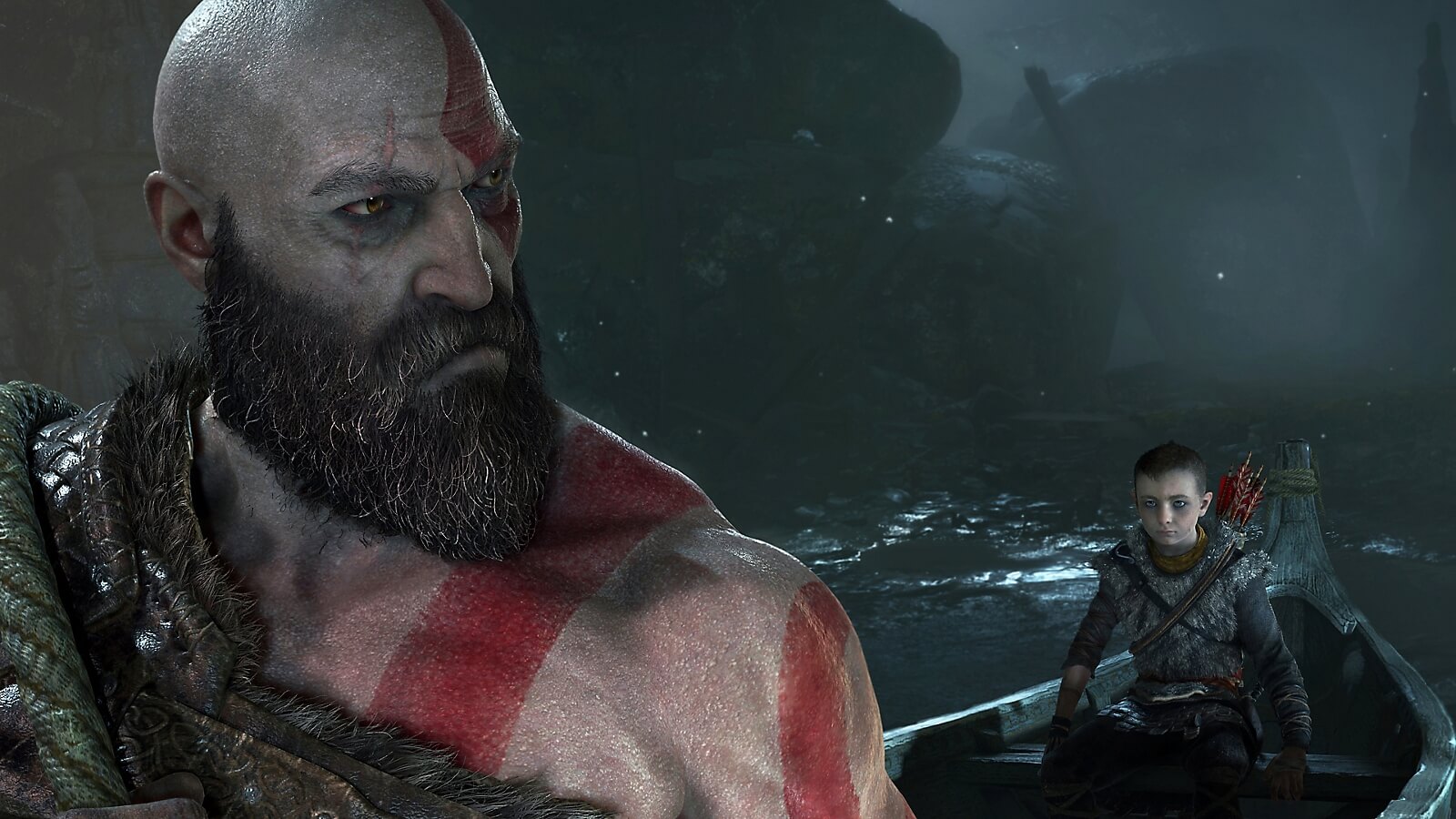
Kratos, a man of few words, communicates more through his gruff demeanor and hesitant advice than through grand speeches. His lines are often practical and stern, reflecting his warrior’s pragmatism and his attempts to shield Atreus from the harsh realities of their world and his own past. Yet, beneath this harsh exterior lies a deep, paternal concern, which occasionally surfaces in moments of unexpected tenderness or dry humor. Atreus, on the other hand, begins as an eager-to-please boy, his words reflecting his curiosity, his desire for his father’s approval, and his struggle to comprehend Kratos’s often inscrutable behavior. His youthful perspective provides a vital counterpoint to Kratos’s cynicism, injecting moments of wonder and optimism into their arduous journey.
The introduction of Mimir, the "Smartest Man Alive," provides another crucial layer to the game’s narrative. Decapitated and carried on Kratos’s hip, Mimir serves as a witty, knowledgeable guide and an invaluable companion. His extensive knowledge of Norse mythology, coupled with his penchant for storytelling and sharp humor, not only enriches the world-building but also acts as a narrative foil to Kratos’s silence, encouraging dialogue and offering crucial exposition. Players widely regard Mimir as one of the game’s most brilliantly written characters, his presence transforming potentially solitary travel segments into engaging narrative experiences.
The game’s ability to weave serious lessons with unexpected moments of humor through its dialogue elevates it beyond a typical tale of gods and monsters. These exchanges make the characters feel real and relatable, their struggles and triumphs resonating deeply with players.
Critical Acclaim and Supporting Data
Upon its release on April 20, 2018, God of War (2018) was met with universal critical acclaim. It achieved an aggregate score of 94/100 on Metacritic, based on 118 critic reviews, solidifying its status as one of the highest-rated video games of all time. Critics lauded its stunning visuals, innovative combat, and particularly its groundbreaking narrative and character development.
Sales figures quickly underscored its commercial success, demonstrating the widespread appeal of its new direction. The game sold over 3.1 million copies worldwide in its first three days, making it the fastest-selling PlayStation 4 exclusive at the time. By August 2018, sales had surpassed 10 million units, and by November 2022, it had sold over 23 million copies across PlayStation 4 and PC, highlighting its enduring popularity and successful expansion to a new platform.
The game swept numerous industry awards, cementing its legacy as a cultural phenomenon:
- The Game Awards 2018: Game of the Year, Best Game Direction, Best Narrative, Best Action/Adventure Game.
- D.I.C.E. Awards 2019: Game of the Year, Outstanding Achievement in Game Direction, Outstanding Achievement in Story, Character, Art Direction, and Original Music Composition.
- British Academy Games Awards (BAFTA) 2019: Best Game, Narrative, Music, Audio Achievement, and Performer in a Leading Role (Jeremy Davies as Kratos).
- Game Developers Choice Awards 2019: Game of the Year, Best Design, Best Narrative, Best Technology.
These awards specifically for narrative, writing, and storytelling underscore the profound impact its character-driven approach had on critics and the industry at large. Reviewers frequently highlighted how the game’s dialogue and character interactions provided an emotional weight previously unseen in the series, elevating the experience beyond mere spectacle.
Broader Impact and Implications: A New Benchmark for Narrative
The success of God of War (2018) had far-reaching implications for the franchise, Santa Monica Studio, and the broader video game industry.
On the Franchise: It single-handedly revitalized the God of War series, proving that a drastic tonal and mechanical shift could not only be accepted but celebrated by fans. It expanded the narrative potential of Kratos, transforming him from a one-dimensional avenger into a complex, relatable figure grappling with profound human emotions. This reinvention set a compelling precedent for future installments, most notably the direct sequel, God of War Ragnarök, which continued to build upon these narrative and thematic foundations.
On the Gaming Industry: God of War (2018) became a benchmark for how established franchises could successfully evolve. It demonstrated that blockbuster action games could prioritize sophisticated storytelling and character development without sacrificing core gameplay. This encouraged other developers to explore more mature and emotionally resonant narratives within their own action-adventure titles, pushing the boundaries of what players expected from the genre. The seamless "single-shot camera" technique also influenced narrative presentation in other games, encouraging a more immersive and less segmented storytelling approach.
On Narrative Design: The game’s narrative success highlighted the power of subtle dialogue, nuanced character interaction, and the exploration of complex psychological themes in driving player engagement. It proved that a game could balance moments of intense, visceral combat with quiet, reflective conversations, and that these disparate elements could mutually enrich the overall experience. The dynamic between Kratos and Atreus became a masterclass in interactive storytelling, showcasing how a relationship could evolve organically through gameplay and dialogue, earning player investment through genuine emotional connection rather than overt exposition.
Player Reception: While initial reactions to the reboot concept were mixed, with some long-time fans expressing skepticism about the changes, the overwhelming critical consensus and the quality of the final product quickly converted doubters. The game’s emotional depth resonated profoundly with players, fostering a deeper appreciation for Kratos’s journey and solidifying Atreus as a beloved character.
God of War (2018) stands as a testament to the power of creative courage and meticulous execution. By daring to reinvent a beloved series, Santa Monica Studio delivered a game that not only honored its heritage but also propelled it into a new era of narrative sophistication, setting a formidable standard for storytelling in the interactive medium. The game’s ability to blend serious lessons and unexpected humor into its dialogue, creating moments that are both epic and intimately human, truly makes it more than just a tale of gods and monsters; it is a profound exploration of identity, legacy, and the enduring struggle for redemption.
About the Author