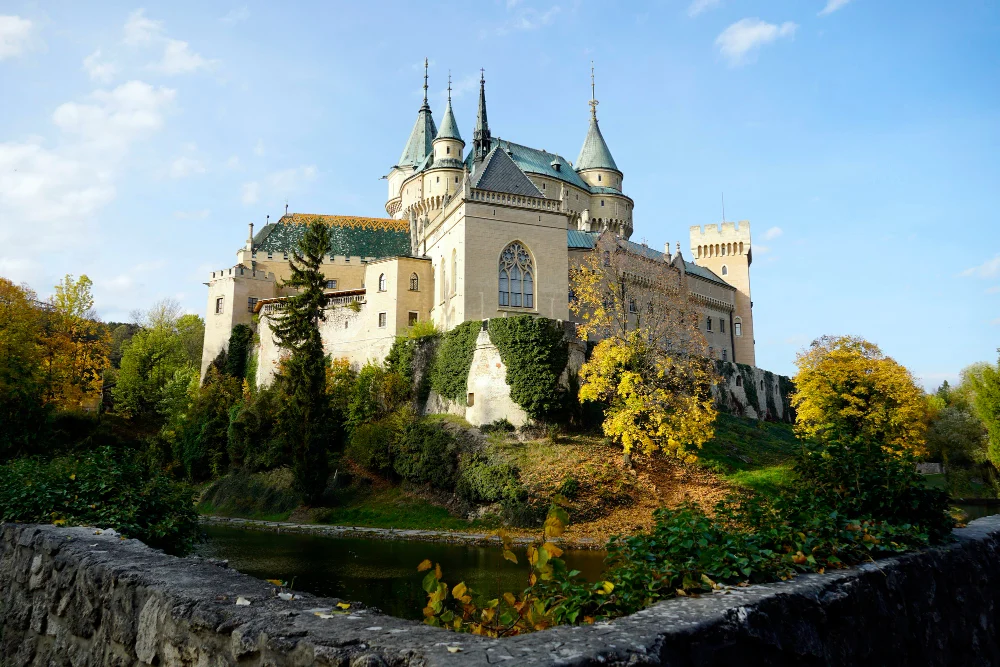
The burgeoning sector of niche tourism has spotlighted a distinct and growing demographic: travelers deeply drawn to the mystique of ancient castles, fortified towns, and the rich tapestries of folklore that often underpin fantasy narratives. For these discerning individuals, a thoughtful gift transcends mere utility, aiming instead to amplify their impending journeys, deepen their engagement with historical sites, or even inspire new explorations rooted in their passions. This article delves into the strategic considerations for selecting such gifts, analyzing market trends, and examining the broader implications for the heritage and tourism industries.
The Nexus of Fantasy and Heritage Tourism
The fascination with castles and mythical landscapes is not a novel phenomenon, yet its contemporary resurgence is significantly amplified by the pervasive influence of popular culture. Blockbuster fantasy franchises, from J.R.R. Tolkien’s "The Lord of the Rings" to George R.R. Martin’s "Game of Thrones," alongside video games like "The Witcher" series and film adaptations such as "Harry Potter," have cultivated a global audience with a profound appreciation for medieval aesthetics, epic narratives, and the architectural marvels that often serve as their real-world inspirations. This cultural resonance has translated into a tangible shift in travel preferences, where tourists increasingly seek out destinations that echo these fictional realms or offer direct connections to historical periods characterized by castles, legends, and ancient traditions.
Historically, "grand tours" of Europe included visits to monumental structures, but the modern iteration is often more specialized, driven by specific interests rather than general cultural enlightenment. This shift has created a vibrant market for products and experiences tailored to those who view travel as an opportunity to step into a story. Tourism boards, heritage organizations, and local businesses in regions rich with historical architecture — such as Wales, Scotland, Ireland, France’s Loire Valley, and Central European nations like the Czech Republic and Romania — have begun to strategically leverage this interest. Data from various tourism bodies indicates a consistent year-on-year growth in heritage tourism, with a notable segment explicitly citing literary or fantasy connections as a primary motivator for their visits. For instance, destinations featured in major film productions often report significant upticks in visitor numbers, demonstrating the direct economic impact of this cultural cross-pollination. This phenomenon underscores the strategic importance of understanding and catering to this specialized traveler profile.
Strategic Gifting: Enhancing the Journey with Tangible Assets
For the fantasy and history enthusiast, the most impactful gifts are those that become integral to the travel experience itself, fostering deeper engagement before, during, and after the journey. These physical items serve not merely as souvenirs but as tools for exploration, documentation, and connection.
-
Navigating Ancient Realms: The Role of Illustrated Maps and Historical Guides
In an era dominated by digital navigation, the resurgence of high-quality physical maps and historical guides represents a conscious choice for immersive travel. An exquisitely illustrated map of a region renowned for its castles, such as the comprehensive guides to Welsh fortresses, the elegant châteaux of the Loire Valley, or the enigmatic strongholds of Transylvania, offers a tactile and visual framework for exploration. These aren’t just navigational aids; they are artistic interpretations of history, often highlighting architectural styles, strategic locations, and legendary tales that digital maps rarely convey.Complementing these are detailed historical guidebooks. Unlike generic travel guides, these focus on architectural specifics, the biographies of former residents, the narratives of sieges and battles, and the local folklore associated with each site. This granular information enriches a visit by providing context that might otherwise be overlooked. For a detail-focused visitor exploring the intricate Gothic architecture of Prague Castle or the medieval fortifications of Carcassonne, such a guide transforms a visual tour into an intellectual journey. For the legend enthusiast traveling through the misty landscapes of Ireland or Iceland, a collection of local folklore provides invaluable insight into the cultural spirit of the places they visit.
The market for specialized travel literature has seen steady growth, particularly within niche segments. Publishers report strong sales for atlases focused on historical geography or specific architectural periods, catering to both active travelers and "armchair explorers" planning multi-country European trips. Pocket heritage guides, designed for light packers, offer concise yet informative companions for city breaks, embodying the principle that knowledge, not just bulk, adds value. These physical artifacts serve as enduring mementos, marked with routes, notes, and personal observations, long after the digital screen has faded.
-
Chronicles of Exploration: The Enduring Value of Field Journals
In an age of instant digital capture, the act of journaling during travel offers a unique form of engagement and reflection. A hard-wearing, well-crafted field journal is an invaluable gift for travelers who prefer to record observations, sketches, and personal impressions rather than solely relying on photographs. To maximize its utility and appeal, such a journal can be pre-equipped with prompts designed to encourage specific types of engagement: spaces for architectural sketches, sections for noting overheard local legends, dedicated pages for documenting heraldic symbols or coats-of-arms observed on ancient walls, or even sensory notes on local foods and the atmosphere of memorable rooms.This practice connects the modern traveler to a long tradition of explorers, naturalists, and scholars who meticulously documented their journeys. The physical act of writing, drawing, and affixing small mementos (like ticket stubs or pressed leaves) creates a deeply personal artifact. The increasing demand for artisan-made, bespoke journals reflects a broader trend towards unique, handcrafted items that offer a counterpoint to mass-produced goods. These journals become repositories of memory, evolving into cherished heirlooms that tell the story of a journey through the traveler’s own hand.
-
Authenticity in Keepsakes: Medieval-Inspired Objects with Context
The market is awash with generic "medieval" themed souvenirs, but a truly meaningful gift in this category distinguishes itself through authenticity and context. Rather than anonymous imitation swords or mass-produced décor, the emphasis should be on objects connected to genuine historical traditions or crafted with respect for period aesthetics. Examples include a replica seal based on historical designs, a heraldic bookmark featuring a specific historical crest, museum-produced coin reproductions from a relevant era, stationery adorned with illuminated manuscript motifs, or locally made ceramics inspired by historic patterns and craftsmanship.These items are not merely decorative; they serve as tangible links to the past. They often originate from museum gift shops, heritage site visitor centers, or artisan workshops specializing in historical crafts, ensuring a level of accuracy and quality. Such gifts support the preservation of traditional craft techniques and provide direct economic benefit to cultural institutions and local artisans. They transform a souvenir into a piece of cultural heritage that carries a story and provides context for the traveler’s interests, reinforcing their connection to the historical sites they admire.
-
Capturing the Grandeur: Photography Tools for Atmospheric Settings
Castles and ancient ruins present unique photographic challenges and opportunities. Their often dark interiors, intricate stone textures, distant towers, narrow passages, and dramatic natural surroundings demand specific equipment and techniques. For the traveler who already carries photography gear, a compact, lightweight tripod becomes indispensable for low-light interiors or capturing the ethereal glow of twilight over a distant ruin. A professional-grade lens-cleaning kit ensures clarity in dusty or misty environments, while a padded camera insert protects equipment within a travel bag. A weatherproof strap offers security and comfort during long days exploring exposed heritage trails.For those primarily using smartphones, a small, high-capacity power bank is crucial, as the extensive use of GPS, camera functions, and research apps quickly drains batteries. A high-quality microfiber lens cloth is also more valuable than novelty accessories, ensuring clear shots in varying weather conditions. The rise of heritage photography as a niche genre on social media platforms underscores the importance of capturing these sites effectively. Thoughtful photographic accessories enhance the ability to document these atmospheric places, allowing the traveler to bring home high-quality visual narratives that evoke the grandeur and mystery of their explorations.
Beyond Objects: The Immersive Power of Experiential Gifts
For travelers who prioritize experiences over possessions, or those who already possess ample gear, an experiential gift offers the ultimate form of engagement. These gifts transform directly into memories, deepening the connection between the recipient and their chosen destinations.
-
Unlocking History: The Value of Heritage Site Passes
A museum or heritage pass is an exceptionally practical and enriching gift for someone planning a history-heavy city break or a multi-site tour. These passes often provide unlimited access to numerous historical sites, museums, and sometimes even public transport, over a specified period. This creates a sense of freedom, allowing the recipient to explore smaller, lesser-known sites that might otherwise be overlooked in favor of more famous, ticketed attractions. For example, a National Trust or English Heritage pass in the UK, or a regional pass in France or Italy, can unlock dozens of castles, abbeys, and stately homes.Beyond convenience, these passes inherently support the conservation and maintenance of historical properties, as a portion of the revenue typically contributes to these efforts. To enhance the gift, it can be paired with a personalized, handwritten list of interconnected sites, perhaps themed around royal residences, defensive walls, medieval churches, or literary landmarks within a particular region. This thoughtful curation transforms the pass from a simple ticket into an invitation for a themed historical quest, encouraging deeper, more focused exploration. The implied statement from heritage organizations is clear: these passes are vital for sustainable tourism and the preservation of cultural assets for future generations.
-
Sleeping in History: The Allure of Castle Stays
An overnight stay in a restored castle, a fortified manor, or a historic estate offers an unparalleled immersive experience. This goes beyond mere sightseeing; it allows the recipient to inhabit history, experiencing the building’s atmosphere after the daytime visitors have departed. The rhythm of a trip changes fundamentally when one wakes within ancient walls, with ample time to explore hidden staircases, secluded courtyards, historic libraries, manicured gardens, and the surrounding countryside in a state of quiet contemplation.The transformation of historic properties into luxury accommodations is a growing trend within the hospitality sector, catering to a demand for unique, authentic, and often opulent experiences. However, careful consideration is paramount before booking. Key details to verify include: the extent of restoration (does it retain its historic character or is it overly modernized?), the authenticity of the experience (is it a true castle or a manor house styled as one?), the location (is it convenient for other planned explorations?), and critically, accessibility and facilities (modern comforts balanced with historic ambiance). Castle stays contribute significantly to regional tourism economies and provide a sustainable revenue stream for the costly upkeep of these monumental structures, often managed by private owners or heritage foundations. This segment of the market caters to those seeking a blend of luxury, history, and profound atmospheric immersion.
-
Narrative Journeys: Folklore and Themed Walking Tours
For the traveler who thrives on stories, a guided ghost walk, a mythology tour, a medieval quarter route, or a literary trail offers a captivating way to engage with a destination. Cities renowned for their rich histories and atmospheric old towns — such as Edinburgh with its haunted closes, York with its Viking and Roman legends, Prague with its alchemical tales, Dublin with its literary giants, and Tallinn with its Hanseatic folklore — provide ideal backdrops for such narrative-driven exploration.These tours, led by knowledgeable local guides, transform inanimate buildings and streets into stages for documented historical events, enduring legends, and local traditions. The most effective tours distinguish themselves by connecting specific physical locations to verifiable historical facts or well-preserved oral traditions, rather than relying solely on theatrical embellishment. They offer a human connection to the past, often revealing facets of a culture that a self-guided tour might miss. The expert insights and storytelling capabilities of these guides not only entertain but also educate, providing deeper context and a personal narrative to bring home. The growth of specialized tour operators indicates a strong market demand for these enriching, story-centric experiences.
Broader Implications and Future Outlook
The market for gifts tailored to castle and fantasy enthusiasts is more than a niche; it reflects a broader cultural phenomenon and carries significant implications for tourism, cultural preservation, and economic development.
- Cultural Stewardship and Economic Benefits: The demand for authentic medieval-inspired objects, specialized guides, and heritage experiences directly contributes to the financial sustainability of historical sites and the communities surrounding them. Revenue generated from these specialized markets helps fund conservation efforts, employ local artisans and guides, and maintain the infrastructure necessary to host visitors. This model fosters a virtuous cycle where cultural interest drives economic activity, which in turn supports cultural preservation.
- Educational Gateway: For many, fantasy literature and media serve as an accessible entry point into genuine historical interest. A child captivated by dragons and knights might eventually become an adult scholar of medieval architecture or a dedicated researcher of local folklore. Thoughtful gifts in this category can bridge the gap between fictional fascination and factual learning, turning a passion into a pathway for deeper intellectual engagement.
- Sustainability and Responsible Tourism: As niche tourism grows, so does the imperative for sustainable practices. Gifts that encourage slower, more deliberate travel—like a detailed map prompting a detour, or a journal for thoughtful reflection—can contribute to more responsible tourism. Similarly, supporting local artisans and heritage organizations through purchases and tour bookings ensures that the economic benefits are distributed locally and that sites are managed with long-term preservation in mind.
- The Future of Niche Travel: The increasing personalization of travel suggests that niche markets, like that of the castle and fantasy enthusiast, will continue to expand. Travel agencies specializing in bespoke cultural tours are already reporting a growing demand for immersive historical experiences, moving away from generic package tours. This trend encourages innovation in both product development and experiential offerings, promising a richer and more diverse travel landscape.
In conclusion, the most memorable travel gifts for those captivated by castles and fantasy are those that create an invitation to look closer, to delve deeper, and to experience the journey with heightened senses and enriched understanding. Whether it is a meticulously illustrated map that encourages a detour off the beaten path, a durable field journal that becomes a repository for strange legends, a heritage pass that opens countless historical doorways, or an overnight stay that transforms architecture into an immersive experience, the ideal present becomes an integral part of the journey. Long after the trip concludes, a marked-up map, a worn field journal, a photograph from a misty ruin, or a ticket from a memorable heritage site still carries the indelible atmosphere of the place, serving as a lasting testament to a journey where history and imagination converged.
About the Author