
The landscape of modern video gaming has long been dominated by titles prioritizing combat mechanics, a trend driven by clear developmental goals, reliable market performance, and established storytelling frameworks that often lean into conflict resolution through physical engagement. Game designers and studios frequently gravitate towards these models, ensuring predictable sales and a familiar player experience. Within this context, titles like Dontnod Entertainment’s Life is Strange emerge as significant outliers, deserving of profound recognition for charting an entirely different course. This episodic graphic adventure delivered an experience that eschewed traditional combat in favor of a deeply immersive narrative, where dialogue and player choice became the paramount engines of impact and memory. Its brilliance lies in crafting a compelling story through a delicate balance of quiet introspection, challenging conversations, and moments of genuine humor, fundamentally altering perceptions of what constitutes engaging gameplay.
The critical reception for Life is Strange unequivocally underscored the strength of its narrative, culminating in a prestigious BAFTA Games Award for Best Story. This accolade serves as definitive proof of the game’s exceptional writing quality, distinguishing it in an industry often focused on graphical fidelity or complex combat systems. The game’s narrative prowess is not merely about conveying plot points; it is about immersing players in a world where every interaction, every word exchanged, carries significant weight and consequence, forging an emotional connection that few combat-centric games achieve.
The Genesis of Arcadia Bay: A Narrative Unfolds
Life is Strange introduces players to Max Caulfield, a seemingly ordinary photography student at the prestigious Blackwell Academy in the fictional town of Arcadia Bay, Oregon. Her life takes an extraordinary turn when she discovers an innate ability to rewind time, an power she first uses to save her estranged childhood friend, Chloe Price. This pivotal event marks the beginning of a profound journey for both characters, as they delve into the unsettling disappearance of a fellow student, Rachel Amber. What begins as a personal quest to unravel a local mystery gradually escalates into a complex exploration of time, fate, and the far-reaching consequences of tampering with the past.
The game’s episodic release schedule, spanning five distinct chapters from January to October 2015, allowed for a unique pacing, building suspense and encouraging player reflection between installments. This format fostered a dedicated community, engaging players in ongoing discussions and speculation about the unfolding narrative and the moral dilemmas presented. Dontnod Entertainment meticulously crafted the player experience from the outset, immersing them directly into Max’s perspective. Players navigate Blackwell Academy, capture moments through photography, engage in extensive conversations with a diverse cast of characters, and critically, utilize Max’s time-rewind power. These actions are consistently underpinned by fully realized characters and deeply impactful emotional scenarios, transforming what initially appears to be a cozy teen drama into a high-stakes supernatural thriller.
The Butterfly Effect: Choices and Consequences
Central to Life is Strange‘s innovative gameplay is its intricate choice-and-consequence system, intricately linked to Max’s time-rewind ability. Unlike many games where choices are irreversible, Life is Strange provides the unique mechanic of allowing players to undo immediate mistakes, replaying conversations or actions to explore different outcomes. This empowers players with a sense of control, encouraging experimentation and a deeper engagement with the narrative possibilities. However, this apparent freedom is artfully juxtaposed with the game’s core theme: the inescapable reality of the butterfly effect.
Every decision, regardless of its apparent magnitude – from a casual joke during a conversation to a life-or-death intervention – sends ripples through the narrative fabric of Arcadia Bay. While players can reverse a specific interaction, the broader consequences of their choices often persist, shaping character relationships, altering future events, and tightening the narrative’s tension. This sophisticated system ensures that player agency feels profoundly meaningful, pushing them beyond simple right-or-wrong answers into the ambiguous territory of moral relativism. Max, initially empowered to create what seems like a perfect reality, eventually confronts the painful realization that true wisdom lies not in controlling the past, but in accepting its inevitability and making peace with the present. The game expertly weaves themes of love, guilt, and the weight of consequential decisions, ensuring that even as the story ventures into the supernatural, its emotional core remains deeply grounded and relatable through its compelling dialogue.
Dialogue: The Unsung Hero of Interaction
In Life is Strange, dialogue transcends its typical role as mere exposition or plot advancement; it becomes the primary mechanism for interaction, character development, and emotional impact. In the absence of combat, every spoken word, every choice in conversation, is amplified, carrying a weight that would otherwise be distributed across various gameplay systems. Conversations are not just exchanges of information; they are intricate dance between characters, revealing their inner worlds, fostering relationships, and driving the central mystery forward.
The game masterfully employs a spectrum of conversational styles. Quiet, introspective moments allow players to delve into Max’s thoughts and observations, providing crucial context and emotional depth. Uncomfortable conversations force players to confront difficult truths, navigate social anxieties, and make morally ambiguous choices that have tangible repercussions. Interspersed with these are moments of witty banter and genuine humor, providing necessary levity and further humanizing the characters, making their struggles and triumphs all the more resonant. This meticulous crafting of dialogue ensures that players are constantly engaged, not through reflexes or strategic combat, but through empathy, critical thinking, and emotional investment.
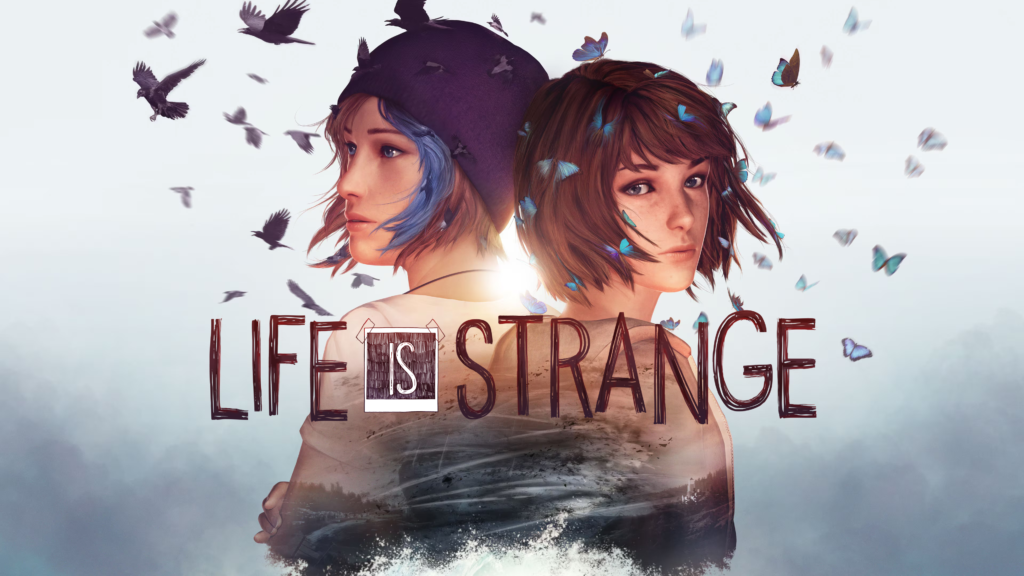
Voices of Arcadia Bay: Character Portrayals Through Dialogue
The richness of Life is Strange‘s narrative is profoundly influenced by its well-developed characters, whose personalities and motivations are largely conveyed through their distinctive dialogue.
Maxine Caulfield: The protagonist, Max, is characterized by her quiet introspection, her passion for photography, and her often-awkward but earnest demeanor. Her internal monologues, a significant form of dialogue within the game, reveal her observant nature, her anxieties, and her growing confidence as she grapples with her newfound powers. Max’s dialogue often reflects her struggle with decision-making, her loyalty to Chloe, and her inherent empathy, making her a relatable and deeply human protagonist navigating extraordinary circumstances. Her progression from a timid observer to a decisive agent of change is meticulously charted through her evolving conversational style and the difficult choices her words represent.
Chloe Price: In stark contrast to Max, Chloe is a whirlwind of rebellious energy, cynicism, and raw emotion. Her dialogue is often laced with sarcasm and bravado, serving as a protective shield against the deep-seated loneliness and trauma she carries from her father’s death and Rachel Amber’s disappearance. Her impulsiveness and anger at the world are evident in her sharp retorts and defiant statements. Yet, beneath this hardened exterior, her dialogue occasionally betrays moments of profound vulnerability and unwavering loyalty to Max, highlighting the complex layers of her personality and the enduring strength of their friendship. Her interactions with Max are central to the game’s emotional core, showcasing how their differing perspectives clash and intertwine.
Mark Jefferson: Initially presented as Blackwell Academy’s celebrated and charismatic photography teacher, Mark Jefferson’s dialogue is characterized by calculated confidence and an almost hypnotic charm. He uses his words to inspire, to manipulate, and to subtly exert control, crafting a respectable public image that skillfully masks his sinister true nature. His carefully chosen phrases and philosophical musings initially draw Max in, making his eventual reveal as the primary antagonist all the more shocking. His ability to articulate his disturbing ideology with such calm precision underscores the profound danger he poses, making his dialogue a chilling instrument of psychological manipulation.
The Supporting Cast and World-Building through Conversation
Beyond the central trio, Life is Strange populates Arcadia Bay with a diverse array of supporting characters whose dialogue further enriches the game’s world and themes. Figures like Victoria Chase, the popular and often cruel queen bee; Nathan Prescott, the troubled and volatile heir to a powerful local family; and Kate Marsh, a devout and sensitive student struggling with bullying and cyber-harassment, all contribute significantly. Their conversations, whether confrontational, supportive, or despairing, illuminate the social dynamics of Blackwell Academy, explore themes of bullying, mental health, privilege, and the pervasive undercurrent of unease within the town. These interactions deepen the player’s understanding of the stakes involved, making the choices Max faces feel more pressing and the world itself more tangible and complex.
Thematic Depth and Emotional Resonance
Life is Strange leverages its dialogue and choice-driven mechanics to explore a rich tapestry of thematic concerns. At its heart, the game is a poignant meditation on friendship, loyalty, and the various forms of love that bind people together. The relationship between Max and Chloe, forged through shared experiences and difficult decisions, stands as a testament to enduring connection. The narrative also delves deeply into the consequences of actions, personified by the omnipresent butterfly effect, compelling players to consider the ethical implications of even seemingly minor interventions.
Themes of loss, grief, and trauma are palpable throughout the game, particularly in Chloe’s backstory and the mystery surrounding Rachel Amber. Identity and self-discovery are central to Max’s journey as she comes to terms with her powers and her role in Arcadia Bay’s fate. The illusion of control versus the acceptance of fate is a recurring motif, culminating in the game’s emotionally charged final decision. By grounding these profound philosophical and emotional concepts in relatable character interactions and consequential dialogue, Life is Strange achieves an extraordinary level of emotional resonance, leaving a lasting impression on players long after the credits roll.
Legacy and Broader Implications for the Industry
Life is Strange has undeniably carved a significant niche in the video game industry, serving as a powerful testament to the viability and critical success of narrative adventure games without combat. Its impact can be observed in the subsequent proliferation of story-driven titles that prioritize player choice, emotional depth, and character interaction over traditional action mechanics. Dontnod Entertainment’s bold decision to focus on these elements proved that a game could achieve widespread commercial success and critical acclaim by offering a profoundly different kind of engagement.
The game’s success sent a clear message to the industry: there is a substantial audience hungry for diverse gameplay experiences that emphasize narrative artistry and emotional investment. It demonstrated that compelling dialogue, intricate character development, and meaningful player choices could be as, if not more, powerful than any weapon or combat system. This paved the way for a greater acceptance and exploration of narrative-first approaches in mainstream gaming, influencing developers to consider broader definitions of what constitutes "gameplay." The enduring appeal of the Life is Strange franchise, with its subsequent titles and spin-offs, further solidifies its legacy as a trailblazer, proving that sometimes, a carefully crafted conversation can indeed be the most powerful and impactful weapon of all.
About the Author