The landscape of urban transportation is undergoing a profound transformation, driven significantly by the precipitous decline in the cost of electric vehicle batteries. While the impact on electric cars, where batteries constitute a substantial portion of the overall price, is widely acknowledged, the effect on lighter, more compact personal electric vehicles like scooters is even more dramatic. This affordability, coupled with technological advancements, has propelled electric scooters from niche gadgets to a viable, and increasingly popular, solution for short-distance travel, challenging traditional modes of transport and prompting a re-evaluation of urban mobility strategies worldwide.
The Genesis of Electric Mobility: From Lead-Acid Limitations to Lithium-Ion Liberation
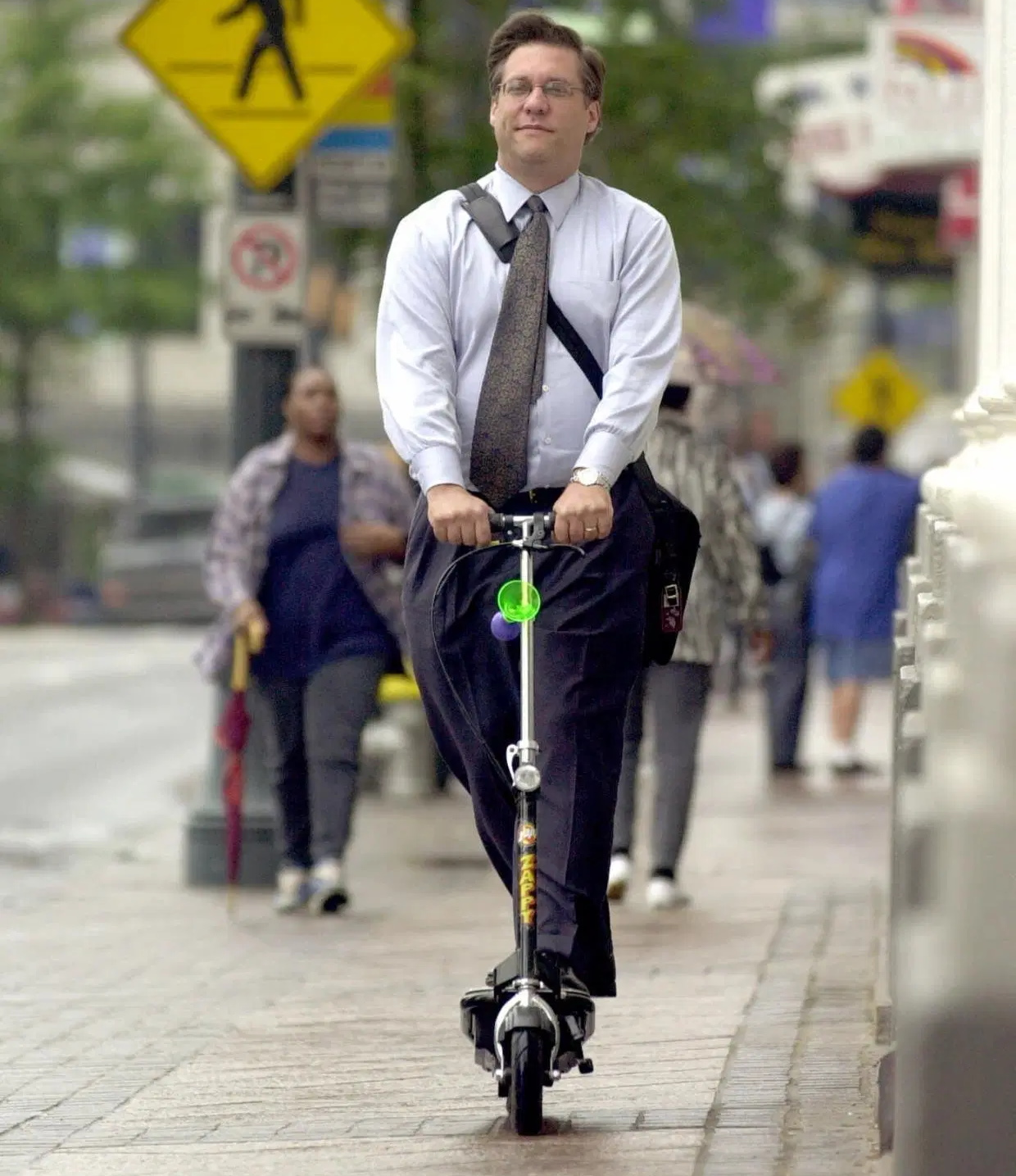
The concept of personal electric transportation is far from new, yet its widespread adoption was long hindered by the limitations of early battery technology. Decades ago, both electric cars and rudimentary electric scooters, such as the Zappy from the late 1990s and early 2000s, relied predominantly on heavy, inefficient lead-acid batteries. These power sources were notoriously bulky, offered limited range, suffered from slow charging times, and delivered insufficient power, rendering electric vehicles largely impractical for daily use. The failure of these early attempts was, at its core, a failure of the battery.
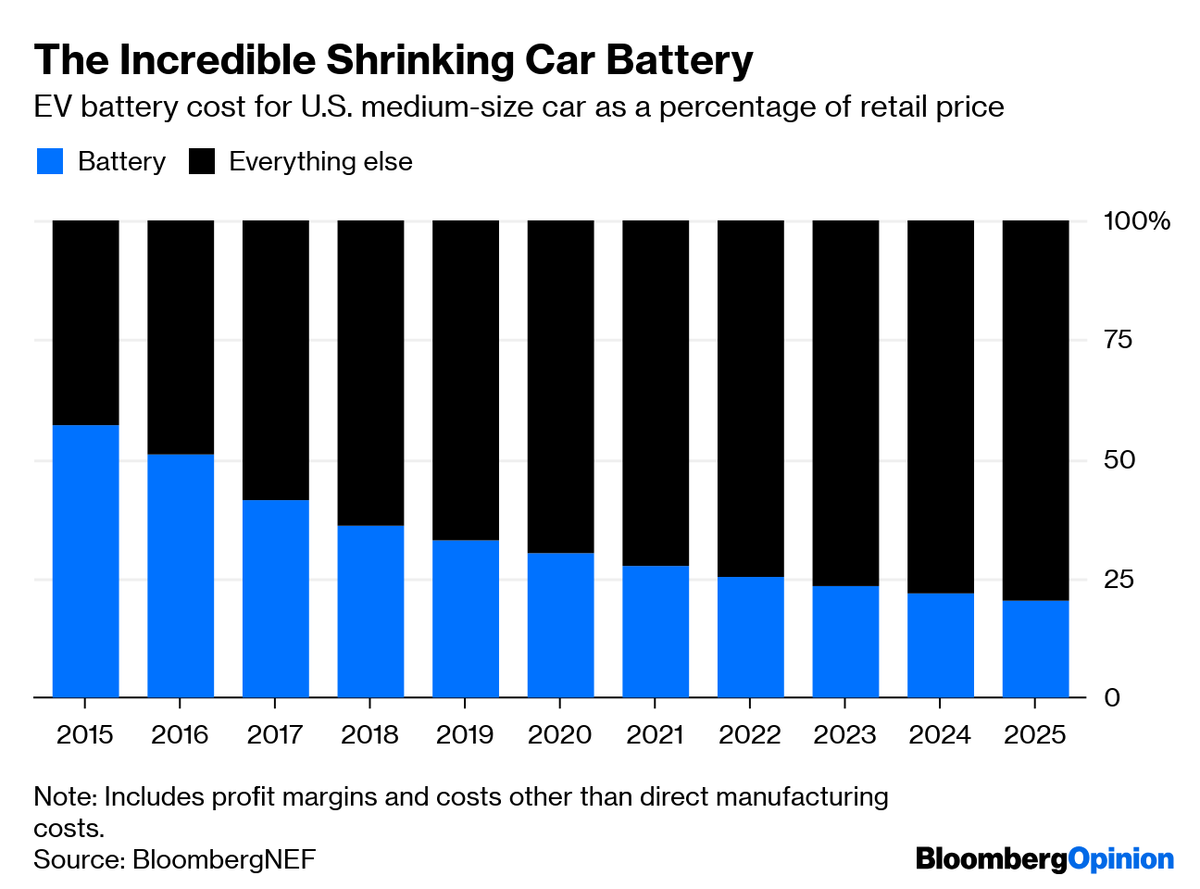
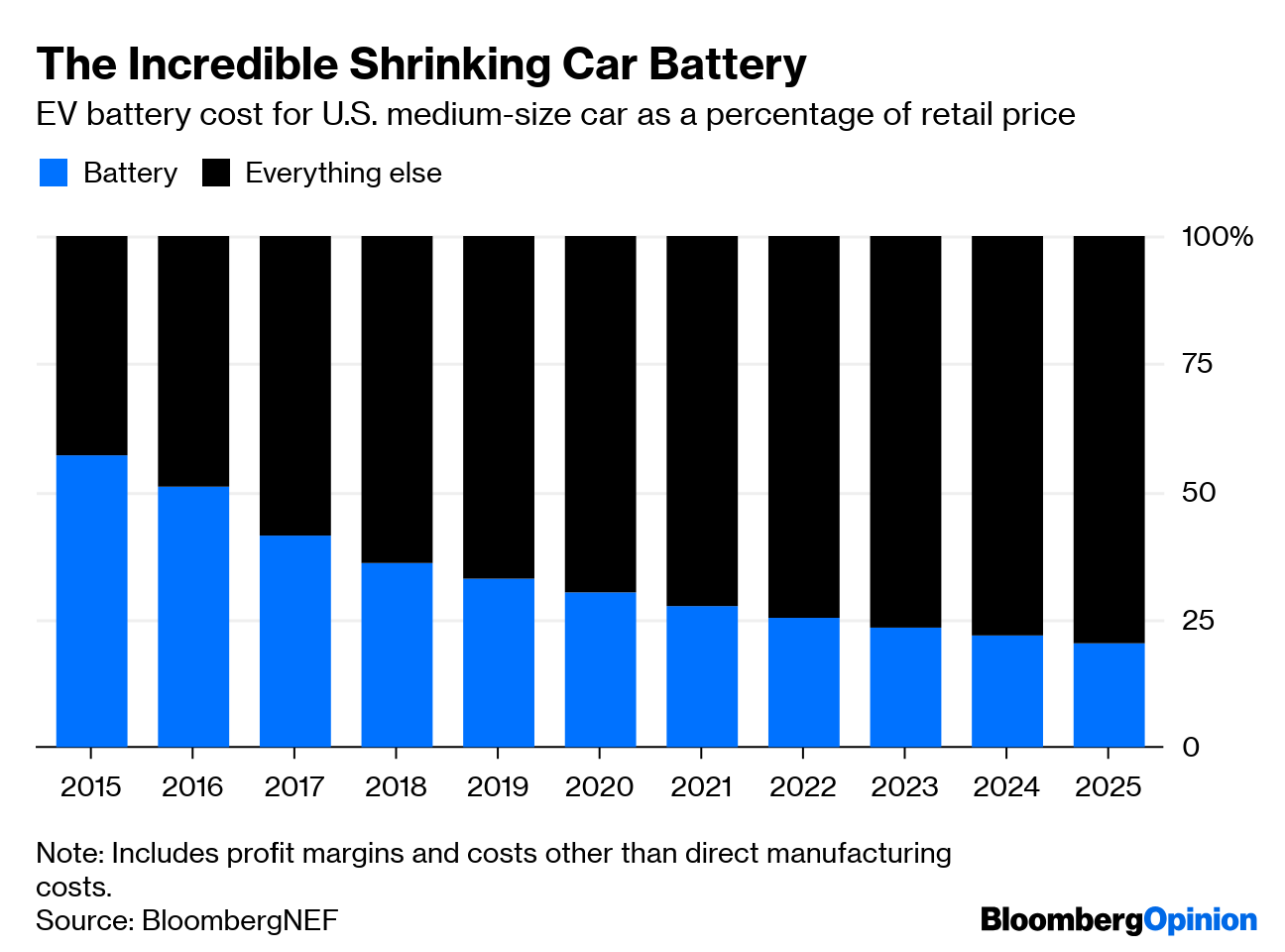
The true catalyst for the current electric vehicle renaissance, across all forms, has been the maturation and mass production of Lithium-ion (Li-ion) batteries. Characterized by higher energy density, lighter weight, faster charging capabilities, and a significantly longer lifespan compared to their lead-acid predecessors, Li-ion technology unlocked the potential for genuinely viable electric cars, scooters, bicycles, and a host of other portable electronic devices. This technological leap was mirrored by an extraordinary economic shift. Over the past decade, the average price of Li-ion battery packs has plummeted by over 89%, from approximately $1,100 per kilowatt-hour (kWh) in 2010 to around $132/kWh in 2021, according to data from BloombergNEF. This steep cost reduction has directly translated into more affordable electric vehicles, making them accessible to a much broader consumer base.
The Modern Electric Scooter Emerges: The Xiaomi M365 as a Benchmark

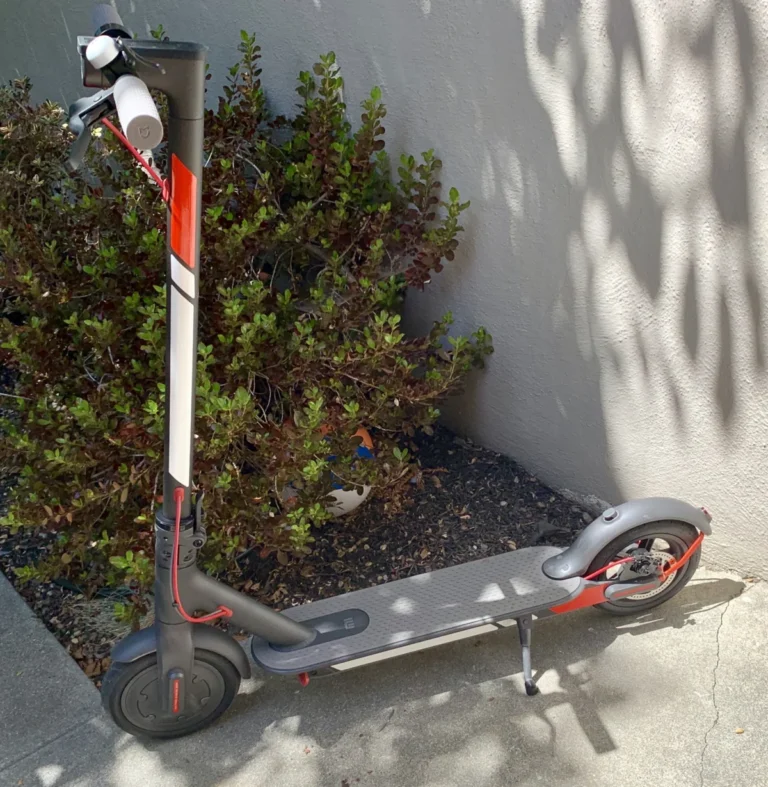
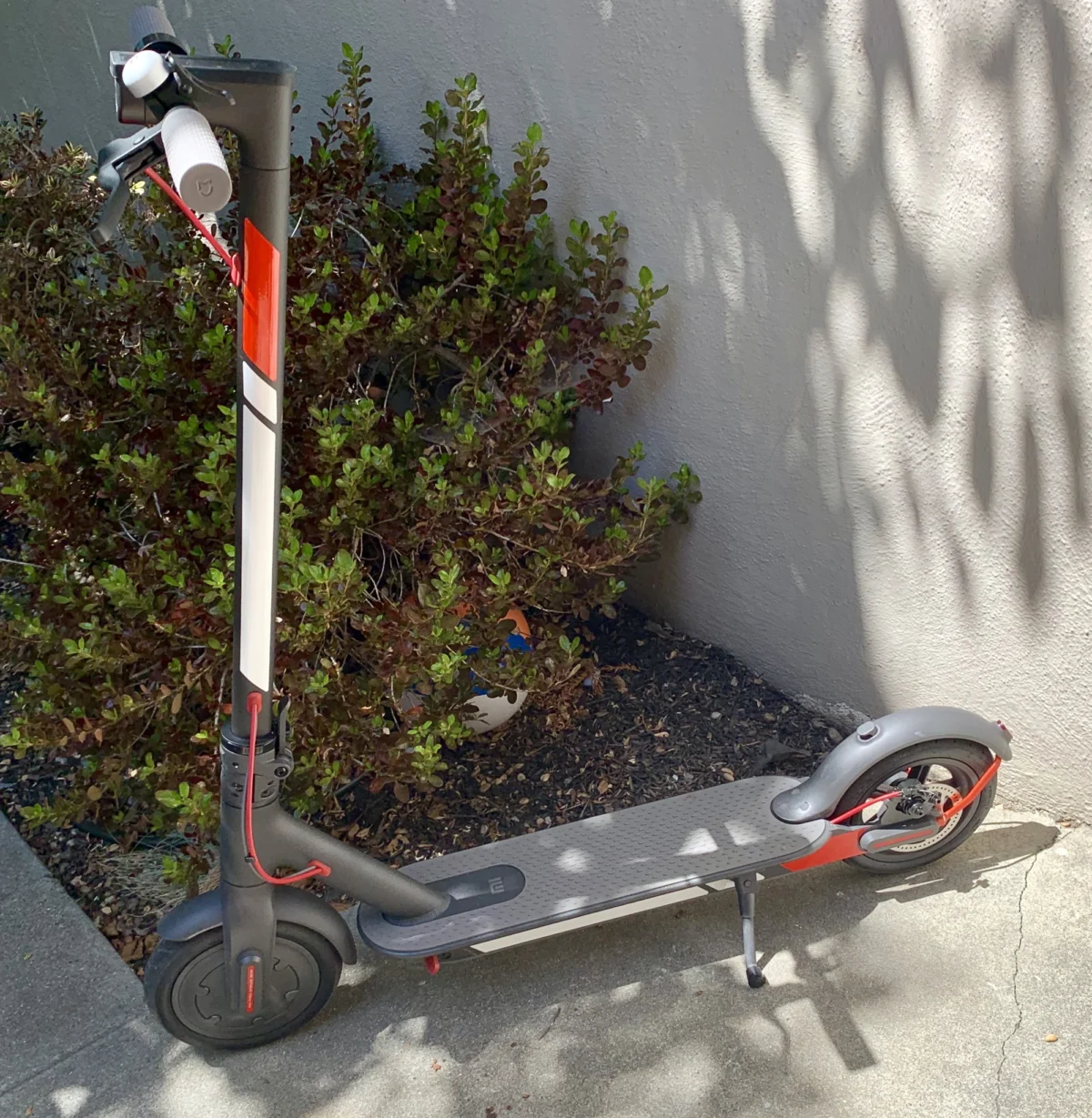
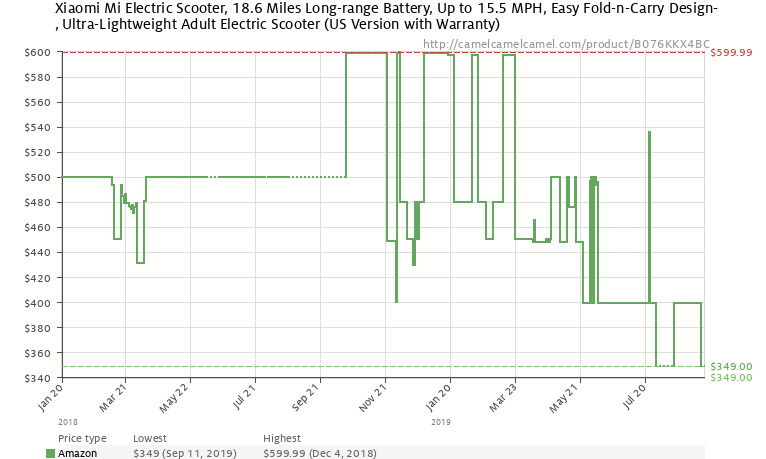
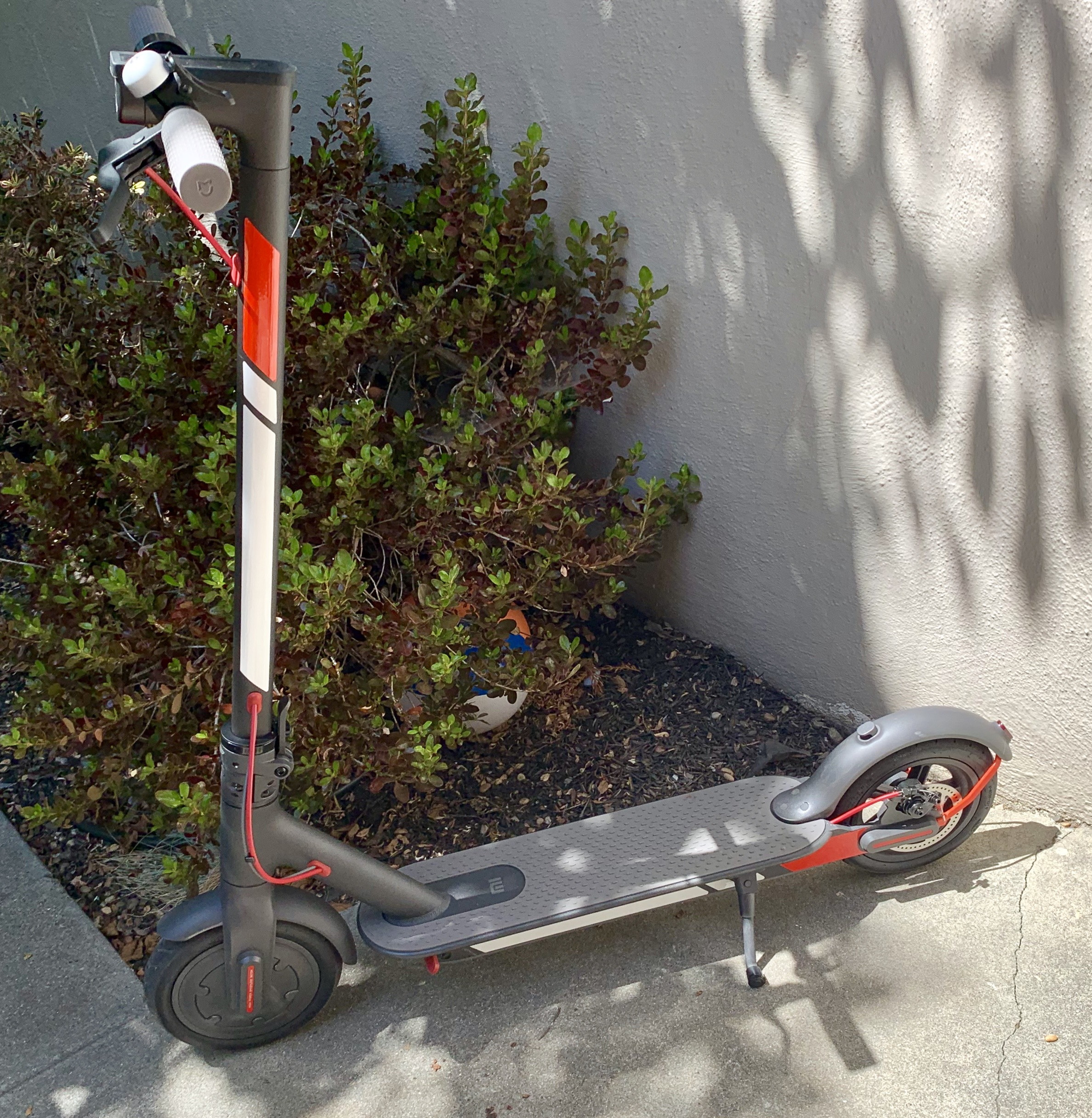
The impact of this battery cost reduction is perhaps most vividly illustrated by the trajectory of popular electric scooter models. The Xiaomi Mi M365, for instance, became a global phenomenon shortly after its release. When it first entered markets like the U.S. in early 2017, it retailed for approximately $800. However, within just three years, by late 2019, its price had effectively halved, often available for $300-$400. This dramatic decrease was not primarily due to declining costs in fabricating components like rubber, aluminum, glass, or steel, but rather a direct consequence of the underlying battery technology becoming exponentially cheaper and manufacturing processes becoming more efficient at scale.
This affordability positioned the M365 as the "Honda Civic" of electric scooters – a reliable, accessible, and high-value entry point for millions. Its success stands in stark contrast to earlier, much-hyped personal transporters like the Segway, which launched in 2001 with a price tag of $5,000 (equivalent to over $7,200 in 2019 inflation-adjusted dollars). Despite grand predictions of revolutionizing urban movement, the Segway’s prohibitive cost, bulkiness, and often awkward public perception relegated it largely to niche uses, such as guided tours or security patrols, rather than fulfilling its promise as a mass-market transportation solution. The Xiaomi M365, by contrast, delivered on a similar promise of personal electric mobility at a fraction of the cost, proving that technological viability combined with economic accessibility is the key to mass adoption.
The Micro-mobility Boom: Scooter-Sharing and Urban Integration
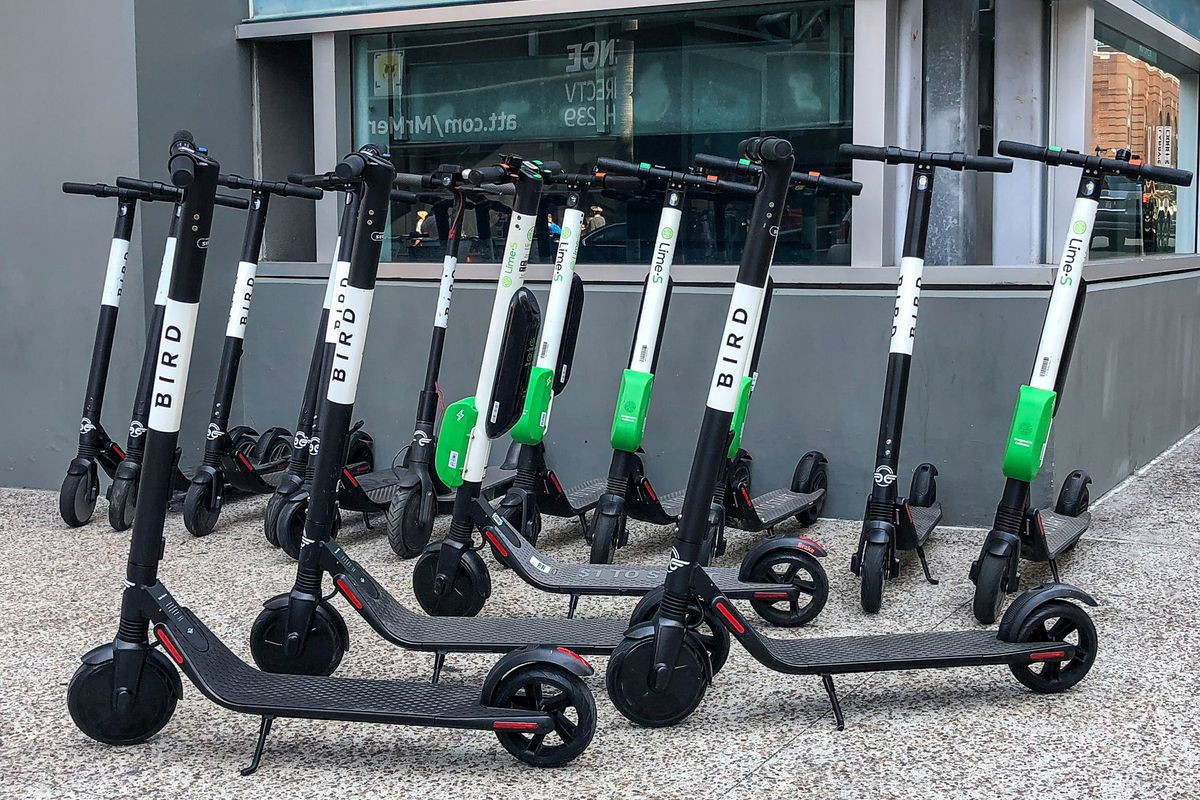
The surge in affordable electric scooters coincided with and directly fueled the rise of the micro-mobility sharing economy. Companies like Bird, Lime, Skip, and Spin rapidly deployed fleets of electric scooters in urban centers globally, starting around 2017. Early versions of these rental scooters were often modified Xiaomi M365 units, adapted for the rigors of public use. This phenomenon created a new layer of urban transportation, offering on-demand, flexible options for short-distance travel.
The business model of these scooter-sharing companies initially focused on per-minute rentals, allowing users to pick up and drop off scooters almost anywhere within designated zones. However, the operational challenges, including high rates of theft, vandalism, and the significant costs associated with charging and redistribution, led to a rapid evolution in their strategies. By late 2018 and into 2019, many companies began migrating to custom-built, more robust scooters designed specifically for the rental market, incorporating features like stronger frames, improved locking mechanisms, and integrated GPS tracking. Furthermore, some platforms began exploring alternative models, such as monthly subscriptions, allowing users to rent a scooter for an extended period, moving beyond the transient per-ride payment structure.
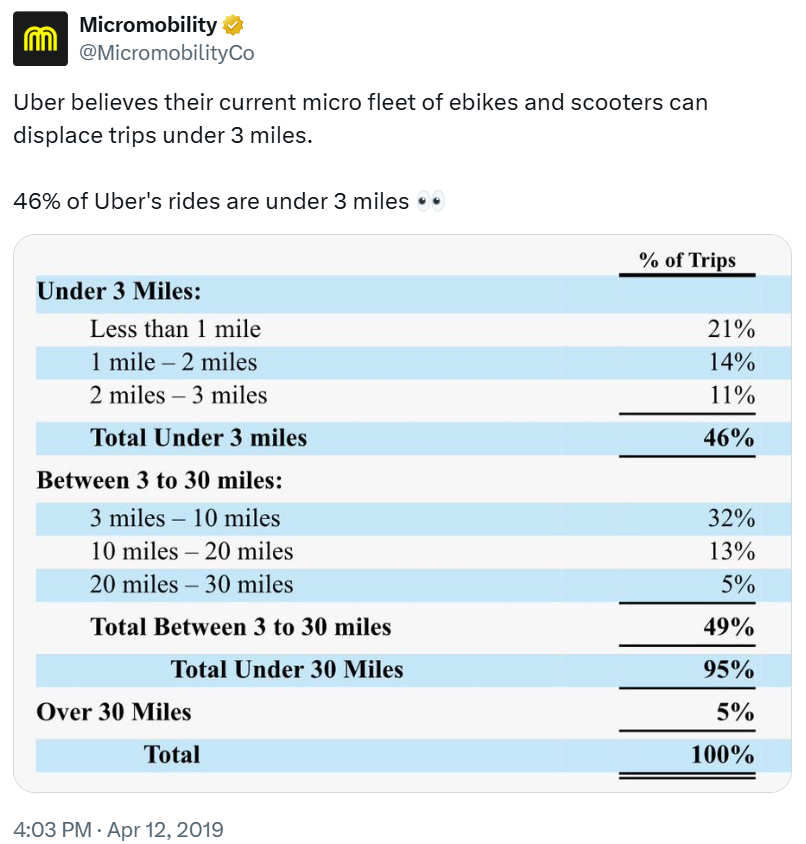
This micro-mobility trend also garnered attention from established transportation giants. Uber, for example, a company traditionally focused on car-based ride-sharing, recognized the inefficiency of using cars for very short trips. Internal data revealed that a significant portion of Uber’s rides, nearly 46%, were under three miles. Consequently, Uber strategically invested in and integrated micro-mobility options, including electric bikes and scooters, into its platform, aiming to displace these short car trips. This pivot underscored a broader industry consensus: for many urban commutes, particularly the "last mile" connections to public transport or short errands, a full-sized car is often overkill, both economically and environmentally.
Regulatory Roadblocks, Safety, and Infrastructure Imperatives
Despite the undeniable benefits of micro-mobility, its rapid proliferation has presented significant challenges, particularly in the realm of regulation and urban planning. Local governments worldwide have struggled to establish consistent and logical legal frameworks for electric scooters. The lack of prior precedent meant that jurisdictions often found themselves playing catch-up, leading to a patchwork of disparate rules.
For instance, laws governing electric scooters vary wildly from city to city and state to state. In some areas, riders may be required to possess a valid driver’s license (unlike electric bicycles), while in others, they are treated similarly to bicycles. Restrictions on where scooters can be ridden – often banned from sidewalks and restricted to bike lanes or roadways – also vary, creating confusion for riders and enforcement difficulties for authorities. Speed limits are another contentious area; while a 15-mile-per-hour (24 km/h) top speed is often considered a reasonable and safe maximum for an adult standing on a scooter without specialized safety equipment, some high-performance models can reach speeds of 40 mph (64 km/h) or more, raising serious safety concerns.
Safety itself is a paramount concern. Accidents involving electric scooters have increased with their popularity, highlighting issues such as riders not wearing helmets, inadequate infrastructure (lack of dedicated lanes), poor road conditions, and the inherent vulnerability of riders in mixed traffic with larger vehicles. Public perception has also been affected by issues like scooter clutter on sidewalks and occasional reckless riding. For electric scooters to truly integrate into the urban fabric, a concerted effort is needed from policymakers to create clear, consistent, and sensible regulations that prioritize safety while fostering sustainable mobility. This also necessitates investments in urban infrastructure, including protected bike and scooter lanes, secure parking, and convenient charging stations, to create an environment where micro-mobility can thrive safely and efficiently.
Diversification and Evolution: Beyond the Entry-Level
The success of entry-level models like the Xiaomi M365 has spurred innovation and diversification within the electric scooter market. While the M365 represents the accessible "everyman" model, consumers now have a vast array of choices catering to different needs and preferences. This includes luxury electric scooters, such as those offered by Unagi, which prioritize sleek design, premium materials, and enhanced ride quality. At the other end of the spectrum are ultralight models, like the FluidFreeRide Mosquito, designed for maximum portability for commuters who need to carry their scooter onto public transport or up flights of stairs. For adventurous users, rugged off-road electric scooters with robust suspension and wider tires have emerged, capable of handling diverse terrains. And for those seeking adrenaline, high-performance scooters with dual motors and advanced suspension systems push the boundaries of speed and power, albeit with increased safety considerations.
Even within the popular Xiaomi lineup, evolution continues. The successor to the M365, the Xiaomi M365 Pro, introduced incremental but significant improvements. These include a larger battery for extended range, enhanced motor power for better acceleration, a more robust disc brake system, an improved display with more ride data, and a refined latch mechanism for greater durability. While these advancements are welcome, the continued affordability of the original M365 maintains its strong value proposition, making the Pro model a choice for those willing to pay a premium for enhanced features rather than a necessary upgrade for basic functionality. The inherently digital nature of these vehicles, often featuring Bluetooth connectivity, companion apps, and even hackable firmware, further enhances their appeal to a tech-savvy generation.
Economic and Environmental Impact: Reshaping Urban Living
The widespread adoption of electric scooters carries significant economic and environmental implications. Economically, they offer a highly cost-effective alternative to cars for short to medium distances, reducing fuel costs, parking fees, and vehicle maintenance for individuals. For cities, micro-mobility can help alleviate traffic congestion and reduce the demand for expensive parking infrastructure. However, the operational models of rental companies, with their challenges in logistics and maintenance, have also highlighted the need for sustainable business practices.
Environmentally, the benefits are substantial. By displacing car trips, even short ones, electric scooters contribute to a measurable reduction in urban carbon emissions and improve air quality. A single mile ridden on an electric scooter instead of in a car can prevent hundreds of grams of CO2 from entering the atmosphere. This aligns with broader sustainability goals and the push for greener urban environments. However, the environmental footprint of manufacturing, especially batteries, and the disposal of used or damaged scooters, particularly rental units with shorter lifespans, are important considerations that require ongoing innovation in recycling and material sourcing.
The Future of Urban Commuting: A Balanced Outlook
The question of whether electric scooters represent the future of transportation is complex. They are undoubtedly a transformative technology, offering an accessible, efficient, and environmentally friendlier solution for a significant portion of urban travel. The dramatic reduction in battery costs has been the primary enabler, allowing for mass-market adoption that was unthinkable two decades ago. For many short commutes, daily errands, and "last-mile" connections, electric scooters offer a compelling alternative to cars or even crowded public transport, promoting active lifestyles and reducing urban congestion.
However, their full potential hinges on overcoming existing challenges. The current patchwork of regulations needs to evolve into consistent, clear, and safety-focused frameworks. Investments in dedicated infrastructure – such as safe lanes and secure parking – are crucial. Public education on safe riding practices and the importance of protective gear is also vital. While electric scooters may not replace all forms of transportation, particularly for longer distances or cargo-carrying needs, they are poised to play an increasingly integral role in a diversified, sustainable urban mobility ecosystem. As technology continues to advance, designs become more refined, and cities adapt to integrate these nimble vehicles, the electric scooter’s journey from a niche gadget to a mainstream pillar of urban transport appears set to continue, twenty years after the initial, flawed promises of personal electric mobility.
About the Author