The itch.io desktop application, a cornerstone for independent game distribution and play, has rolled out a significant update, version 26.20.0, introducing a suite of long-requested features designed to enhance user experience, particularly for those navigating diverse gaming ecosystems. This latest iteration marks a strategic move towards greater interoperability and user control, addressing common pain points for players managing extensive game libraries across multiple platforms and devices. The update’s most prominent additions include the ability to create Steam shortcuts for itch.io games, a robust headless launch mode for advanced scripting and integration, and a practical option to link existing game folders directly into the app’s library.
Key Innovations Driving User Empowerment
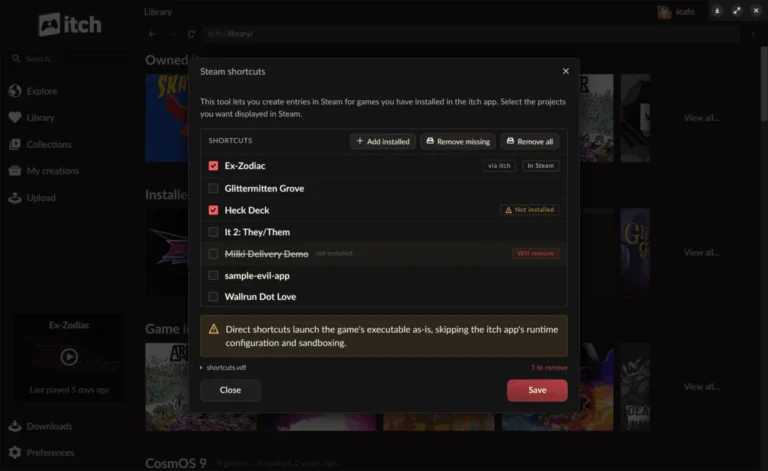
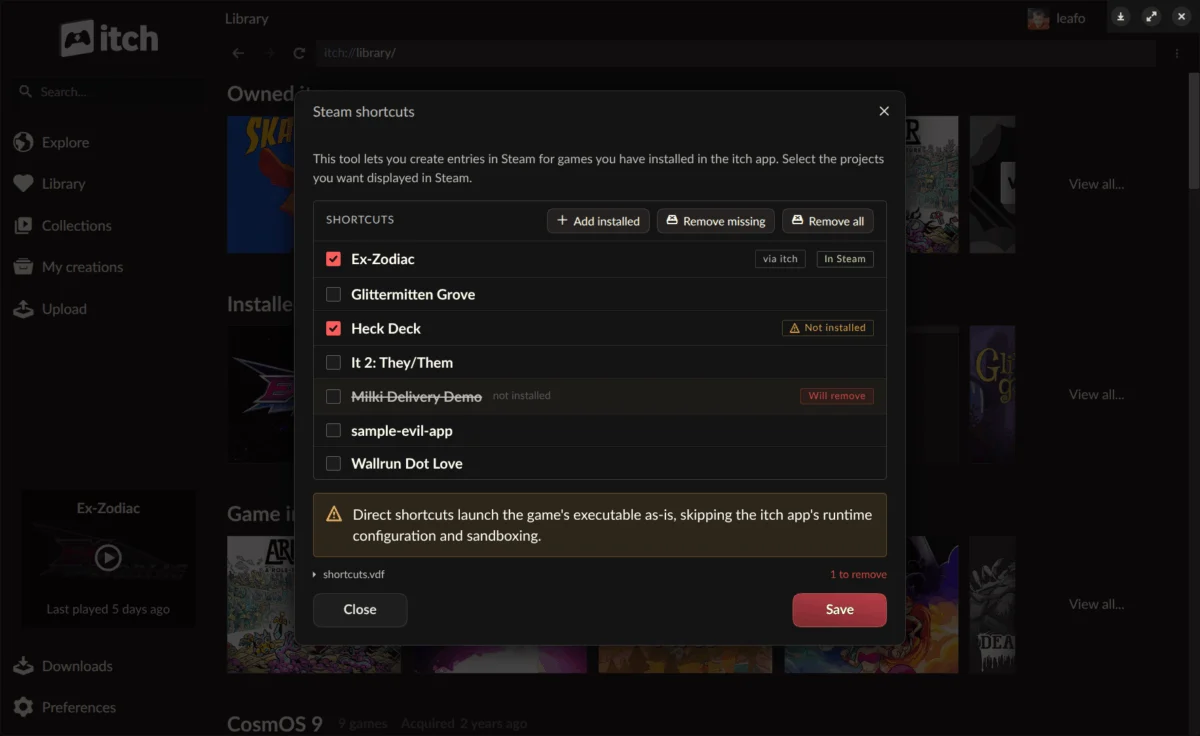
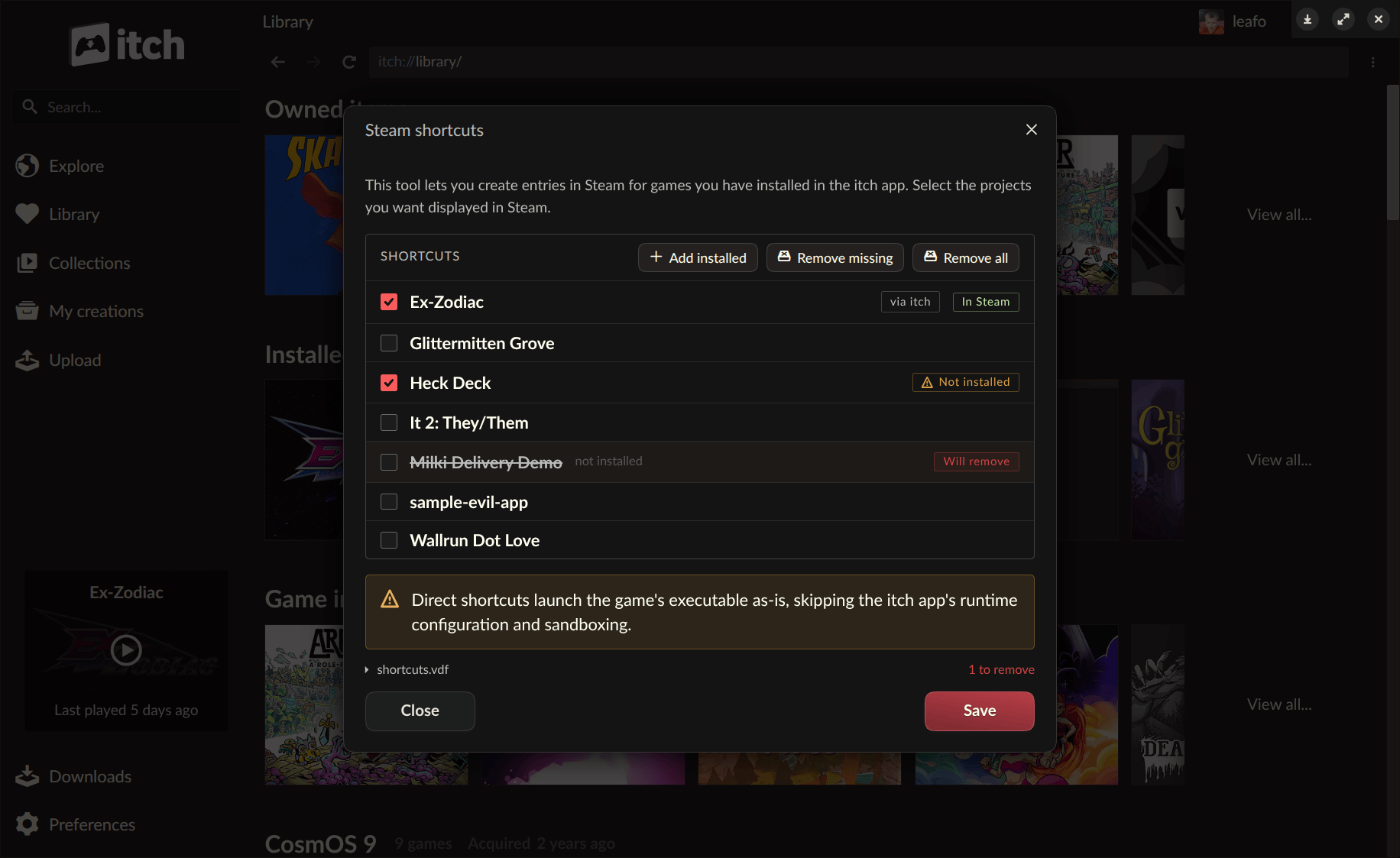
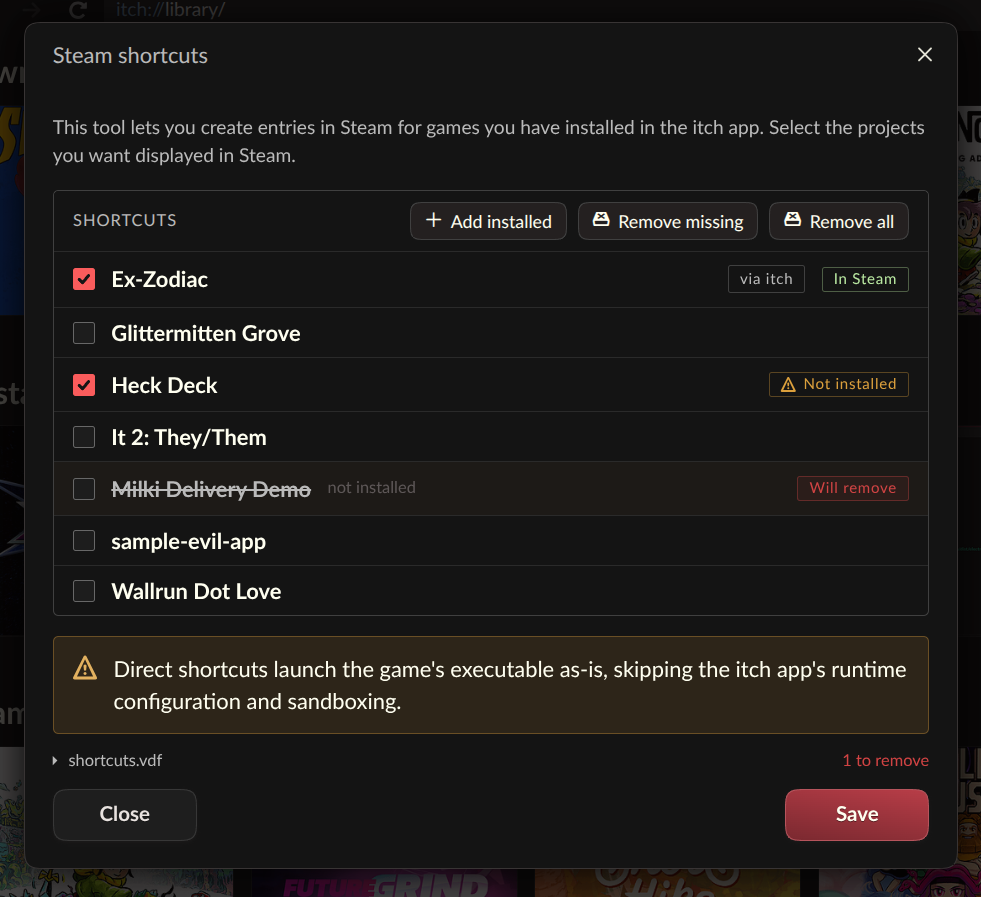
At the forefront of this update is the highly anticipated Steam shortcuts feature. Recognizing the increasing prevalence of hybrid gaming setups, especially with the rise of handheld PC gaming devices like the Steam Deck and the widespread use of Steam’s Big Picture mode, itch.io has integrated a seamless pathway for users to add their installed itch.io games directly into their Steam library. This functionality allows players to launch their independent titles without needing to switch between applications, consolidating their gaming experience within Steam’s familiar interface. The integration automatically categorizes these shortcuts into an "itch.io" collection within Steam, ensuring tidy organization.
The introduction of Steam shortcuts necessitated a foundational technical advancement: the headless launch mode. This innovative capability allows itch.io games to be initiated with a single command (itch-setup --run-game <gameId>), bypassing the need to fully boot the itch.io application itself. While developed primarily to facilitate Steam integration, this headless runner mode is not exclusive to Valve’s platform. It represents a significant step towards an open ecosystem, enabling any third-party launcher, custom script, or shortcut system to directly launch itch.io games. This flexibility empowers developers and advanced users to build custom front-ends or integrate itch.io titles into broader gaming management solutions, such as those found on Linux-based handhelds or specialized gaming PCs. Importantly, this headless launch preserves all configured app settings, including sandboxing, prerequisite checks, per-game launch configurations, play time tracking, and API key management, ensuring a consistent and secure gaming environment. However, a minor limitation applies to HTML5 games, which still require the full itch.io app to launch due to their browser-dependent nature.
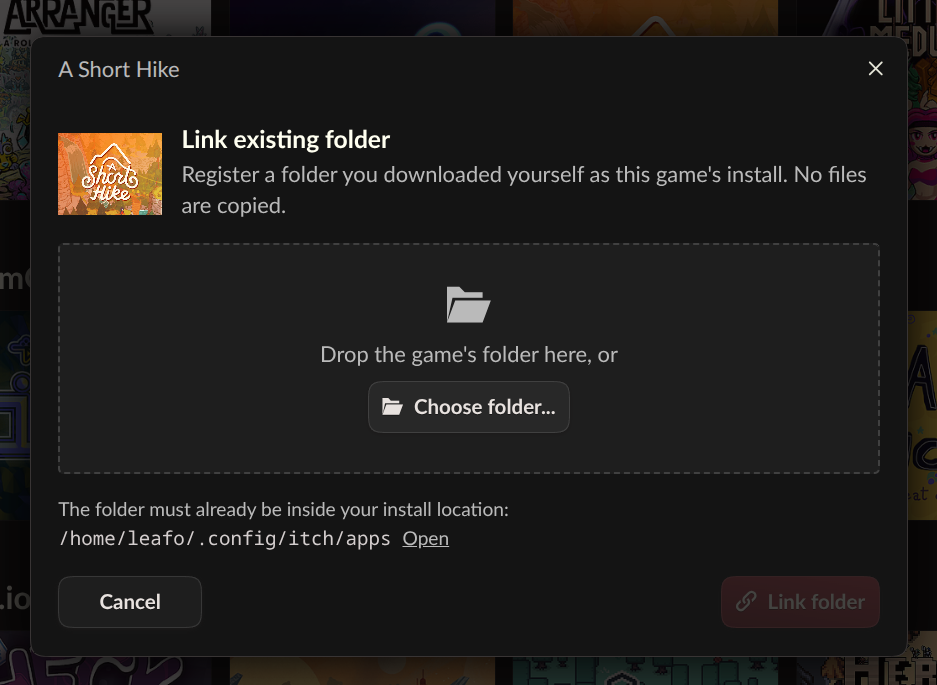
Further enhancing user convenience is the new "Link existing folder" option. This feature addresses a common scenario where users might download games from itch.io outside of the official app—perhaps through a direct browser download or an external link provided by a developer. Previously, integrating such manually downloaded titles into the itch.io app’s library would often necessitate a complete re-download through the app itself. Now, users can simply point the app to an existing game folder, and it will be registered as an installed title, making it launchable directly from the itch.io library. This "escape hatch" functionality is designed for practicality, especially for large game files or situations where re-downloading is impractical. It operates on a principle of user trust, as the app does not perform file verification upon linking, relying on the user’s assurance that the specified folder contains the correct game files.
A Chronology of Itch.io’s Evolving Platform
Itch.io, since its inception in 2013 by Leaf Corcoran, has steadily grown into a pivotal platform for independent game developers and players alike. Initially conceived as a simple storefront for creators to distribute their work directly, it quickly evolved into a comprehensive ecosystem. The introduction of the official itch.io desktop app significantly streamlined the process of discovering, downloading, and managing indie games, offering an experience comparable to larger commercial platforms but with a distinct focus on supporting smaller creators and fostering a diverse game library.
Over the years, the app has seen numerous iterations, each adding functionality to improve the user and developer experience. Early updates focused on stability, performance, and basic library management. More recent versions have introduced features like offline mode, robust update mechanisms, and improved search and discovery tools. Version 26.20.0, however, represents a particularly significant leap in external integration and power-user features. The requests for Steam integration and headless launching have been recurrent themes within the itch.io community forums and GitHub repositories for several years, indicating a thoughtful and responsive development cycle. The transparency of itch.io’s development, with active GitHub issues and community-driven translation efforts via platforms like Weblate, underscores its commitment to an open-source ethos and collaborative improvement. This iterative approach, directly informed by user feedback, has been a hallmark of itch.io’s journey, culminating in this release that addresses long-standing community desires.
Supporting Data and Market Context
The timing of this update is particularly pertinent given the current landscape of PC gaming. The rise of portable PC gaming devices, most notably Valve’s Steam Deck, has reshaped how many players access and manage their game libraries. Launched in early 2022, the Steam Deck has garnered significant market traction, selling millions of units and popularizing the concept of a unified, handheld PC gaming experience. For Steam Deck owners, the ability to consolidate their entire game collection—including titles from itch.io—into a single interface without cumbersome workarounds is a substantial quality-of-life improvement. This directly addresses the need for a more integrated experience across what were traditionally disparate storefronts.
Furthermore, the indie game market continues its robust growth. According to various industry reports, the independent sector consistently pushes innovation and creativity in gaming. Platforms like itch.io are crucial for the discoverability and financial viability of countless small studios and solo developers. By making their games more accessible and easier to manage for a broader player base, especially those entrenched in the Steam ecosystem, itch.io is indirectly boosting the visibility and playability of these independent titles. The "headless launch" feature, in particular, could foster greater integration of itch.io games into third-party game launchers popular among power users (e.g., Playnite, LaunchBox), further expanding the reach of indie games beyond itch.io’s native application. This move aligns with a broader industry trend towards more open APIs and interoperability, recognizing that gamers often utilize multiple platforms.
Official Responses and Community Engagement
While official statements from itch.io typically take the form of blog posts and direct responses to community inquiries, the tone surrounding this update suggests a strong emphasis on user-driven development. An itch.io spokesperson, reflecting the sentiment often conveyed by the team, would likely emphasize the platform’s dedication to empowering users and creators. "These features are a direct result of listening to our community," a hypothetical spokesperson might state. "Our goal is always to make it easier for players to enjoy their games and for developers to reach their audience, regardless of their preferred setup. The experimental nature of Steam shortcuts allows us to refine the experience with direct user feedback, ensuring we build features that truly resonate."
Community reactions to v26.20.0 have been overwhelmingly positive, as evidenced by comments on the announcement blog post. Users like "neoxbomb" lauded the update, stating, "This is amazing! So many times I’d try to install a game but couldn’t because it was only available on an external site so now I can connect the folder to the game and have Steam Deck play it easily!! Fantastic update, team!" This highlights the immediate practical benefits perceived by the user base. Another user, "datkev," inquired about mobile support, to which "leafo" (Leaf Corcoran, itch.io founder) responded with an intriguing hint: "We’re working on (not so) secret project for Linux based handhelds. Maybe in the future we’ll expand this to android devices." This suggests a strategic long-term vision for broader hardware compatibility, further solidifying itch.io’s commitment to accessibility across emerging gaming platforms.
However, some minor technical issues were reported, such as problems with Steam shortcut creation, indicating the "experimental" label is well-placed and ongoing refinement is expected. Discussions also arose regarding itch.io’s DRM-free philosophy versus Steam integration. A user named "free-spirit" expressed a preference for DRM-free platforms and a reluctance towards Steam. This sparked a discussion with "nastyshrimp420" clarifying that many Steam games are indeed DRM-free, but "free-spirit" further explained their stance: "what I meant was that I want to support companies who advocate DRM free gaming… and therefore I only buy my games there and never on Steam. Furthermore ‘without DRM’ means that I still need the Steam client to install the game and that’s what I don’t like." This exchange underscores the diverse preferences within the indie gaming community and itch.io’s role in catering to different user philosophies while also seeking broader integration.
Broader Impact and Implications
The release of itch app v26.20.0 carries significant implications for the independent game ecosystem and the broader digital distribution landscape. By enabling direct integration with Steam, itch.io is not just offering a convenience feature; it is strategically positioning itself as a more seamless complement to, rather than a direct competitor with, the dominant PC gaming platform. This approach acknowledges that many indie gamers operate within both ecosystems and seeks to bridge them effectively. This could lead to increased engagement with itch.io titles from players who primarily manage their libraries through Steam, potentially boosting discoverability and sales for indie developers.
The headless launch mode is a powerful tool for customizability, reflecting a commitment to an open and flexible platform. It allows for the creation of bespoke gaming setups, which is particularly valuable in the Linux gaming community and among users who prefer highly curated, multi-launcher experiences. This move could also encourage other platforms or community projects to build more robust integrations with itch.io, expanding its reach organically.
The "Link existing folder" feature addresses a fundamental aspect of user control and data management. It respects the user’s choice to download games through various means while still providing the benefits of app-based library management. This pragmatic approach enhances user satisfaction by reducing friction and preventing unnecessary data consumption through redundant downloads.
Looking ahead, the hint of "Linux based handhelds" projects suggests a proactive strategy to embrace the evolving hardware landscape. As more specialized gaming devices emerge, itch.io’s agility in adapting its app for these platforms will be crucial for maintaining its relevance and expanding its user base. This could potentially involve optimizing for different screen sizes, control schemes, and operating system quirks inherent to such devices.
In essence, this update transforms the itch.io app from a standalone launcher into a more versatile and interoperable tool within the wider PC gaming ecosystem. It exemplifies a user-centric development philosophy, responding directly to community needs while simultaneously laying groundwork for future expansion and deeper integration. As the digital gaming landscape continues to diversify, itch.io’s commitment to flexibility and community empowerment positions it as a vital platform for the future of independent games.
About the Author