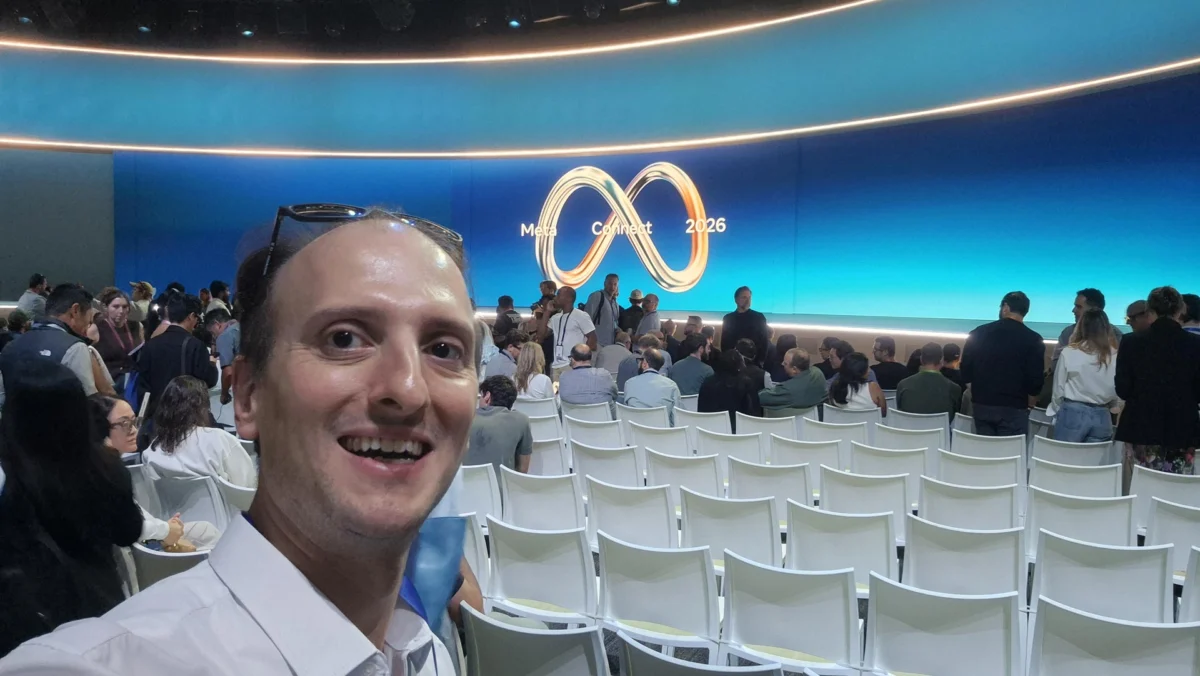
The 2026 Meta Connect conference has concluded, signaling a significant shift in the trajectory of the extended reality (XR) industry as major players pivot toward lightweight wearable form factors and integrated artificial intelligence. The event served as a platform for Meta to unveil its latest hardware and software roadmap, most notably the introduction of its new VR Glasses, a device designed to bridge the gap between bulky head-mounted displays and traditional eyewear.
Meta VR Glasses and the Shift to Modular Computing
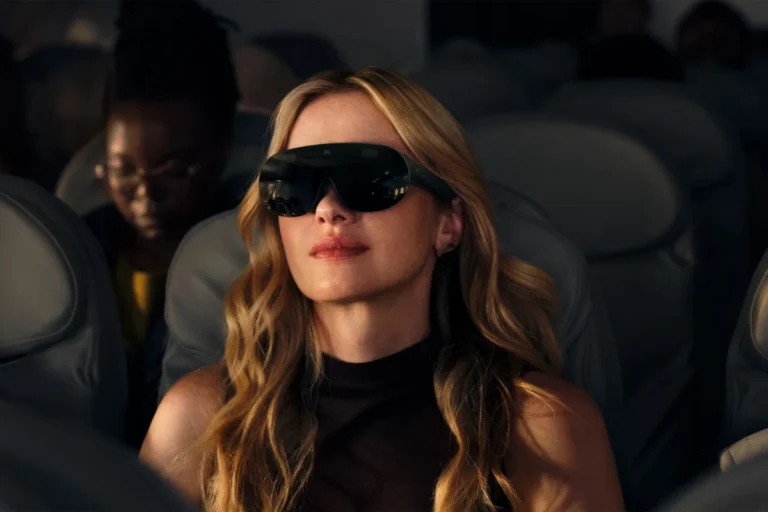
The centerpiece of the Meta Connect keynote was the official unveiling of the Meta VR Glasses. Positioned as a high-end consumer device with a launch price of $1,300, these glasses are scheduled for release in the spring of 2027. Architecturally, the device represents a departure from the standalone Quest line by utilizing an external processing unit, often referred to as a "puck." This design choice allows the eyewear itself to remain significantly lighter than the Meta Quest 3, improving comfort for extended use.
Technical specifications revealed during the event indicate that the glasses prioritize high-resolution displays and vibrant color reproduction. However, initial hands-on reports from industry analysts suggest a trade-off: the field of view (FOV) remains relatively limited compared to traditional VR headsets. This limitation suggests that the device is currently optimized for media consumption, productivity, and specific augmented reality (AR) overlays rather than high-intensity, immersive gaming. Despite this, Meta confirmed that over 70 titles will be compatible with the hardware at launch, including a new iteration of the popular rhythm game titled Beat Saber Flow. This version is reportedly optimized for hand-tracking, moving away from the requirement of physical controllers.

Advancements in Realistic Telepresence and Smart Eyewear
Meta also showcased its progress in "Holograms," the consumer-facing implementation of its long-running Codec Avatars research. While previously teased as fully volumetric 3D representations, the version presented at Connect utilizes 2.5D stereoscopic billboard technology. This allows for ultra-realistic avatars during mixed reality meetings or video calls via smart glasses. While the visual fidelity is high, observers noted that the illusion of depth is primarily maintained from a front-facing perspective, with the effect diminishing if the user moves significantly around the virtual subject.
In the realm of audio-centric wearables, Meta announced the international expansion of the Meta Ray-Ban Display series. During follow-up discussions, Meta leadership addressed concerns regarding privacy and the social stigma of "smart" eyewear, asserting that the development of these devices has been a multi-year effort focused on utility rather than a reactive measure to market criticism.
Developer Initiatives and Ecosystem Health
During the developer-focused segment of the conference, Meta announced the "Meta Start" competition, featuring a $1 million prize pool aimed at incentivizing the creation of innovative content for the new VR Glasses ecosystem. Other technical reveals included:
- The introduction of the Muse Charm, a previously unannounced accessory or software feature kept under strict embargo until the event.
- The launch of a new SDK designed to streamline the porting of Quest applications to the VR Glasses form factor.
- Updates to the Horizon OS to better support modular hardware configurations.
Notably absent from the keynote were specific metrics regarding the financial health of the Meta Quest Store. Industry observers pointed out that the omission of app revenue totals or active user growth figures—standard components of previous keynotes—may suggest a plateau in the current VR software market. This speculation was further fueled by comments from Meta CTO Andrew Bosworth, who indicated that the recently released Quest 3S has seen sales figures comparable to the standard Quest 3, rather than the breakout success some had anticipated for a budget-friendly model.

Competitive Landscape: Apple and the Vision Pro Successor
The announcements from Meta come amid shifting strategies at Apple. Reports from supply chain analysts suggest that Apple is currently testing four distinct prototypes for a successor to the Vision Pro. One of these prototypes reportedly mirrors Meta’s modular approach, moving the battery and computational units to an external pack to reduce the weight on the wearer’s face.
However, internal priorities at Apple have reportedly shifted toward the development of non-immersive smart glasses. Consequently, the next iteration of the Vision Pro is not expected to reach the market until 2028 or 2029. This creates a multi-year window for Meta to establish its $1,300 VR Glasses as the primary alternative to Apple’s high-cost spatial computing vision.
Diversification of the XR Market
Beyond the major tech giants, the XR industry is seeing increased specialization from smaller manufacturers. Several niche products were highlighted in the wake of Meta Connect:
- Underwater AR: AREX has successfully crowdfunded over $500,000 for the AREX ONE, an AR dive computer mask. The device provides divers with real-time data and marine life identification overlays, representing a significant application of AR in extreme environments.
- Audio-Only Wearables: Viture launched the "Vonder" glasses, priced at $299. These glasses eschew displays entirely in favor of AI-integrated audio, targeting users who prioritize privacy and all-day wearability over visual immersion.
- Athletic AR: Engo announced the Engo3 Cyclist, AR glasses specifically engineered for competitive cycling, offering real-time performance metrics directly in the user’s line of sight.
- Productivity Tools: Rokid released its Agentic AI tool, designed to simplify the development of AI-driven content for its own line of AR smart glasses.
Gaming and Content Outlook for 2026-2027
The software landscape continues to evolve with a focus on both high-fidelity sequels and innovative mixed reality experiences. Hot Dogs, Horseshoes & Hand Grenades 2 (H3VR 2) is scheduled for a November 12 release on the Quest 3, with a PC VR version following in 2027. This title remains a benchmark for physics-based interaction in the VR space.

Other notable content announcements include:
- Echoes of Mora: An underwater narrative puzzler now available on Steam.
- Two Point Hospital MR: A mixed reality adaptation of the popular management sim, optimized for the Quest 3 and the upcoming Meta VR Glasses.
- Supernatural: The fitness platform will receive an update in late 2026 to enhance compatibility with the lighter VR Glasses hardware.
Industry Implications
The transition toward modular XR devices—separating the display from the processor—indicates a consensus among engineers that the weight and thermal constraints of "all-in-one" headsets are a primary barrier to mainstream adoption. By moving the "brain" of the device to a pocket-sized puck, companies can finally achieve the aesthetic of traditional eyewear.
However, the $1,300 price point for Meta’s new glasses suggests that the industry is still struggling to reach the sub-$500 "sweet spot" for true AR hardware. The coming year will be a critical testing ground to determine if consumers are willing to pay a premium for comfort and style over the raw immersive power of traditional VR headsets. As Apple remains focused on long-term development, Meta’s aggressive Spring 2027 launch window for its VR Glasses may define the next era of personal computing.
About the Author