For many, the allure of digital entertainment on a lazy weekend is undeniable, yet the commitment of downloading and installing a new game can often outweigh the desire for instant gratification. Recognizing this, itch.io has curated a compelling collection of recently released or significantly updated browser-based games, offering immediate access to diverse interactive experiences with a single click. This selection spans a wide array of genres, from narrative-driven visual novels to intricate puzzle platformers, showcasing the vibrant creativity flourishing within the independent game development community. These titles exemplify the accessibility and innovation inherent in browser gaming, providing engaging experiences without the prerequisite of lengthy downloads or complex installations.
Itch.io’s Commitment to Accessible Gaming
Itch.io, a prominent open marketplace for independent digital creators, has long championed the accessibility of gaming. By spotlighting browser-based titles, the platform addresses a growing demand for frictionless entertainment, particularly appealing to users seeking casual play, quick diversions, or those with bandwidth constraints. This curated approach not only simplifies discovery for players but also provides crucial visibility for indie developers, many of whom utilize game jams as a fertile ground for rapid prototyping and creative exploration. The platform’s emphasis on browser games reflects a broader industry trend towards cloud-based and instantly playable content, democratizing access to interactive media across various devices and technical specifications.
Featured Browser Games: A Deep Dive into Diverse Play Experiences
The current showcase presents a fascinating cross-section of genres and artistic styles, each offering a distinct interactive journey.
Dead Names: A Poignant Sci-Fi Visual Novel
Dead Names emerges as a brief yet deeply atmospheric science fiction visual novel, crafted with a distinctive pixel art aesthetic reminiscent of classic handheld consoles. The game’s narrative centers on themes of loss and the arduous process of letting go, unfolding over the course of a single winter day in a speculative future. Its atmospheric qualities are enhanced by thoughtful sound design and a melancholic color palette, drawing players into its contemplative world. Notably, Dead Names incorporates LGBTQIA themes, adding layers of representation and emotional depth to its concise story. Developed as a Game Boy ROM, its retro presentation belies a mature and introspective narrative, appealing to players who appreciate narrative-driven experiences that tackle complex human emotions within a minimalist framework. The choice of a Game Boy aesthetic is not merely nostalgic; it imbues the experience with a timeless quality, allowing the narrative to take precedence over graphical fidelity.

Tiny Truck Racing: Pixelated Velocity and Competitive Spirit
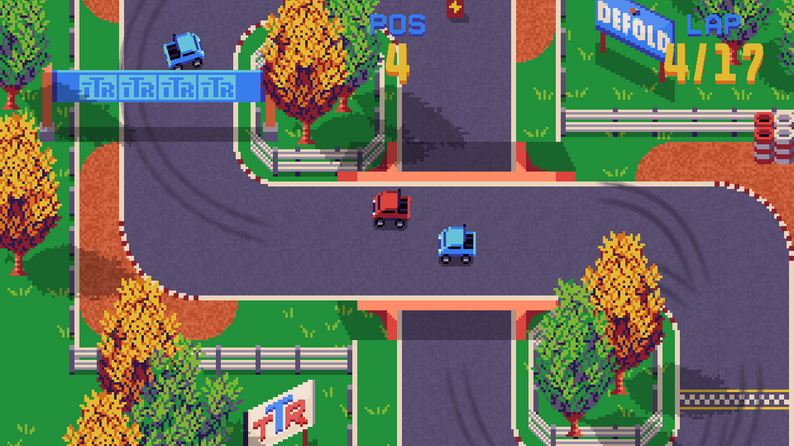
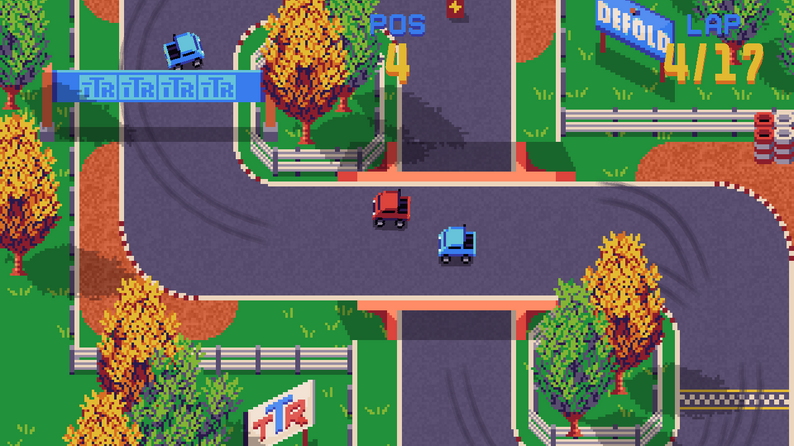
For those seeking a more adrenaline-fueled experience, Tiny Truck Racing delivers fast-paced action on charming pixel art tracks. This racing game offers three distinct modes: Single Race for quick sprints, Tournament for extended competition, and Time Trial for players looking to hone their skills and achieve optimal lap times. Players can select from a roster of four unique trucks, each offering a slightly different handling profile, adding a strategic layer to vehicle selection. The inclusion of nitro cans scattered across the tracks provides crucial speed boosts, injecting dynamic moments into races and rewarding aggressive driving. Developed for the Made With Defold Jam 2024, Tiny Truck Racing showcases the efficiency and creative potential achievable within constrained development timelines, demonstrating a polished, arcade-style experience that is both accessible and engaging. The game’s vibrant pixel art and responsive controls contribute to an immediate sense of fun, making it an ideal pick for short, competitive gaming sessions.
Nomad Idle: The Evolution of an Auto-Battler
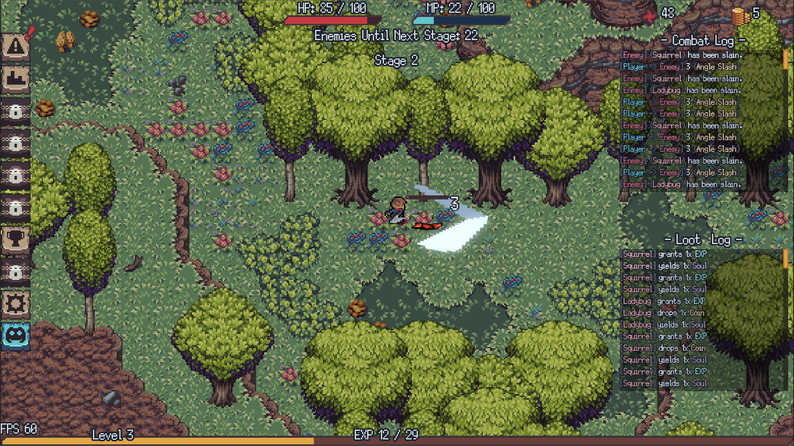
Nomad Idle represents a recently updated entry in the idle game auto-battler subgenre, a category that appeals to players who enjoy strategic progression with minimal active input. In this title, players focus on creating optimized character builds to automatically engage hordes of enemies. While the core combat unfolds autonomously, the game provides layers of strategic depth through unlockable features such as stat leveling, equipment crafting, and the selection of passive skills. The "idle" nature allows players to progress even when not actively interacting, making it suitable for multitasking or background play. However, Nomad Idle also incorporates active elements, allowing players to strategically deploy character-specific skills to accelerate progress during more engaged play sessions. This hybrid design caters to both passive and active playstyles, ensuring that players can tailor their experience. The consistent updates, as indicated by its "recently updated" status, suggest an active development cycle, promising ongoing enhancements and content additions.
Laura’s Room: A Journey into Psychological Horror
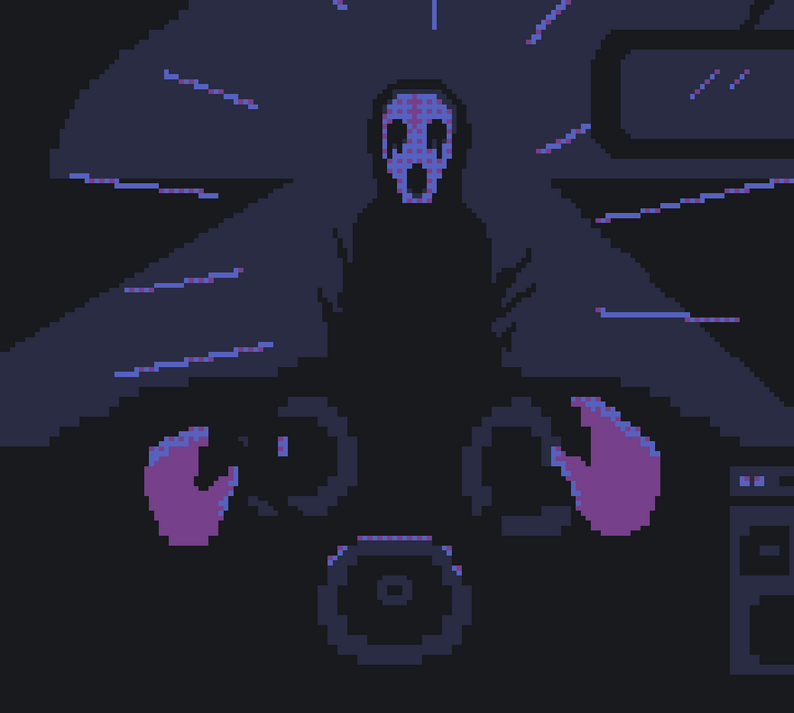
Laura’s Room plunges players into a short, atmospheric psychological horror experience, masterfully crafted for GBJAM 12. Players assume the role of Danni, driving alone on a rain-slicked, dark road, haunted by an unseen presence. The game leverages a stark, Game Boy-inspired aesthetic to amplify its sense of dread and isolation. The limited color palette and pixelated visuals paradoxically enhance the horror, forcing the player’s imagination to fill in the terrifying details. The atmospheric gameplay relies heavily on sound design and subtle visual cues to build tension, creating a pervasive sense of unease rather than jump scares. Laura’s Room is a testament to how creative constraints can foster powerful and memorable experiences, demonstrating that sophisticated horror can be delivered through minimalist design, proving that fear is often more potent when suggested rather than explicitly shown.
Hamster Shelter: Post-Apocalyptic Animal Management
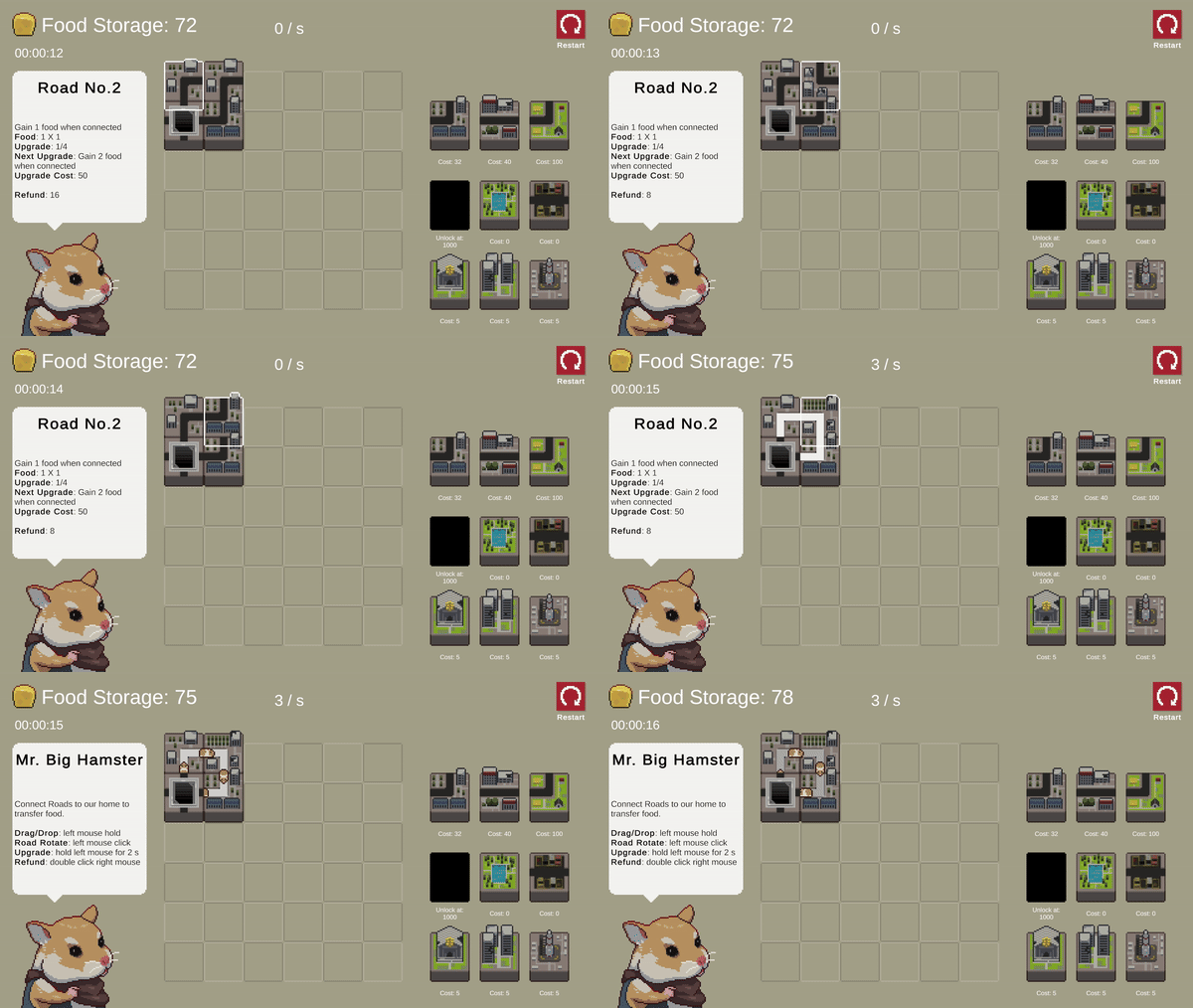
In a unique blend of management and post-apocalyptic survival, Hamster Shelter tasks players with guiding tiny hamsters through a desolate world. The core gameplay revolves around building roads to the hamsters’ home and efficiently transporting as much food as possible. What sets Hamster Shelter apart is its "background" gameplay mechanic, allowing the game to progress even when the player is not actively engaged. This design choice contributes to a remarkably relaxed and low-stress experience, perfect for players seeking a gentle, persistent game world. Created for Ludum Dare 56, a prominent game jam, Hamster Shelter exemplifies the creative interpretation of jam themes (often centered around specific keywords or concepts), resulting in an innovative and charming take on the survival genre. The game’s tranquil pace and endearing premise offer a refreshing contrast to more high-intensity titles, inviting players to passively nurture their tiny charges.
Mouse Mouse: A Nimble Platformer with a Unique Control Scheme
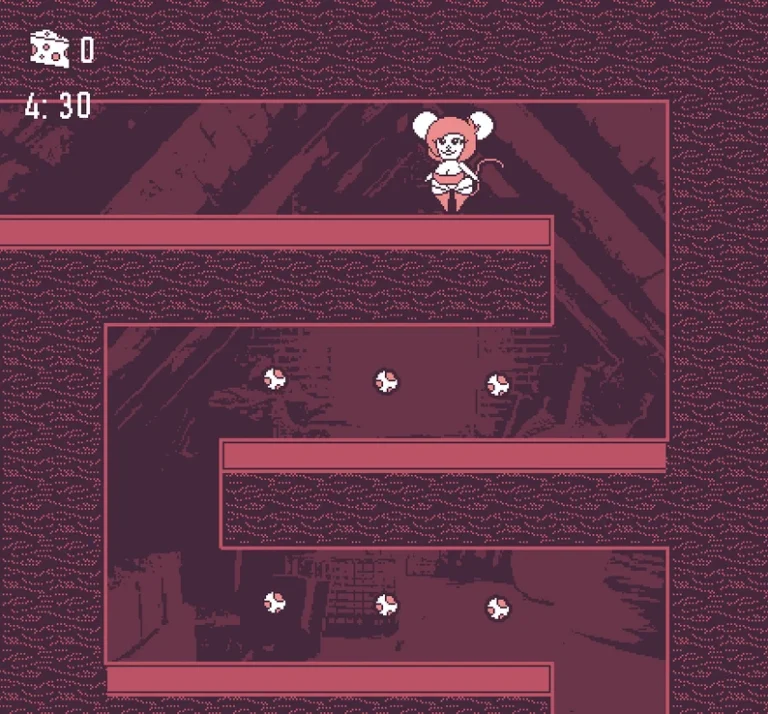
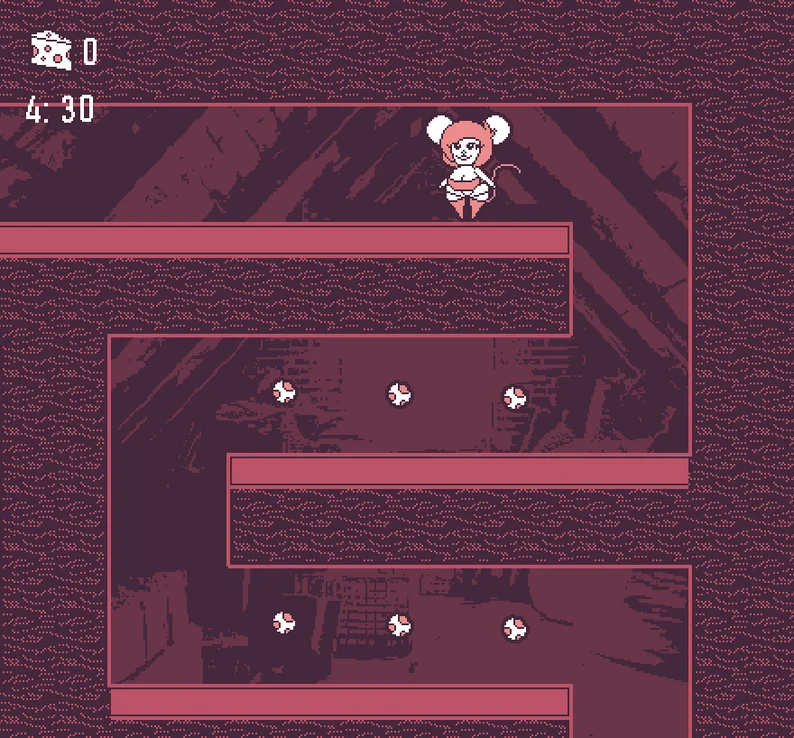
Mouse Mouse offers a fresh take on the classic platformer genre, distinguishing itself with an innovative control scheme: players control the titular mouse character directly with their computer mouse. This seemingly simple alteration introduces a new layer of precision and challenge to the familiar mechanics of jumping, climbing, and collecting cheese. The game’s pixel art visuals are crisp and functional, prioritizing clarity for the fast-paced action. Developed within a tight 48-hour window for Ludum Dare 56, Mouse Mouse showcases remarkable ingenuity in game design under pressure. The unique mouse-driven control system provides a tactile and engaging experience, making every jump and climb feel distinct. Players are challenged not just by the platforming puzzles themselves, but by adapting to an unconventional input method, offering a novel and satisfying gameplay loop for fans of the genre.
Play With Me: A Spooky Twist on Virtual Pets
Play With Me injects a spooky, retro-inspired sensibility into the virtual pet genre. Players are introduced to three enigmatic creatures residing within a forgotten toy, each possessing their own unique minigames and interactive elements. The game masterfully combines a charming, albeit slightly unsettling, aesthetic with engaging virtual pet mechanics. The retro visuals, reminiscent of early handheld gaming devices, contribute significantly to the game’s eerie atmosphere, evoking a sense of nostalgic dread. Developed for Ludum Dare 56, Play With Me demonstrates how traditional genres can be reimagined with a fresh, thematic twist. The interaction with these peculiar digital companions unfolds through a series of minigames, each designed to reveal more about the creatures and their forgotten toy home. This title offers a compelling blend of curiosity, care, and a lingering sense of the uncanny, providing a unique and memorable interactive experience.
Jelly Gang: A Physics-Based Puzzle Platformer with Mass Appeal
Jelly Gang is an innovative puzzle platformer that challenges players with controlling a sprawling group of 30 squishy, interconnected characters. The core mechanic introduces a strategic twist: only the characters within a defined "focus region" around the player’s mouse cursor respond to controls. This requires players to carefully maneuver their mouse to direct specific segments of their gelatinous horde, navigating environmental puzzles and platforming challenges. The game’s physics-based mechanics are central to its appeal, with the collective movement and squishy interactions of the jelly characters providing both a visual spectacle and a strategic layer. Created for Ludum Dare 56, Jelly Gang stands out for its creative interpretation of physics and swarm control, offering a fresh perspective on the platformer genre. The game encourages experimentation and strategic thinking, as players must master the art of influencing their distributed "gang" to overcome obstacles, providing a deeply satisfying sense of accomplishment when a complex maneuver is executed successfully.
The Prolific World of Game Jams: A Catalyst for Innovation
Many of the featured titles, including Tiny Truck Racing, Laura’s Room, Hamster Shelter, Mouse Mouse, Play With Me, and Jelly Gang, originated from prominent game jams such as Ludum Dare 56, GBJAM 12, and the Made With Defold Jam 2024. Game jams are intensive, time-limited events where developers, often working in small teams or individually, create games from scratch based on a specific theme or set of constraints. Ludum Dare, for instance, is one of the largest and longest-running online game jams, challenging participants to build a complete game in just 48 or 72 hours. GBJAM specifically focuses on games adhering to the aesthetic and technical limitations of the original Game Boy, fostering creativity within strict retro boundaries.
These events are crucial incubators for innovation in the independent game scene. They encourage rapid prototyping, unconventional design choices, and foster a strong sense of community among developers. The strict time limits and thematic prompts often lead to highly creative and focused projects that might not emerge from traditional development cycles. For players, game jams are a continuous source of fresh, experimental, and often charmingly unpolished experiences. They serve as a vital pipeline for new talent and novel gameplay concepts, demonstrating that compelling interactive art can be produced under immense pressure and with limited resources. The inclusion of so many jam games in itch.io’s curated list underscores the platform’s role in bringing these grassroots creations to a wider audience.
The Broader Impact and Future of Browser Gaming
The ongoing popularity and continued innovation within browser-based gaming signify a significant trend in the digital entertainment landscape. The immediate accessibility, eliminating the need for downloads and installations, positions browser games as a perfect fit for casual play, quick breaks, and as an entry point for those new to gaming. This low barrier to entry also makes them ideal for educational purposes, rapid prototyping, and reaching a global audience irrespective of their hardware specifications or internet bandwidth.
Platforms like itch.io play a pivotal role in this ecosystem, not only by hosting these games but also by fostering a community where developers can receive feedback, iterate on their creations, and find an audience. The diverse genres showcased—from deeply narrative visual novels to complex puzzle platformers and strategic idle games—demonstrate that browser games are far from simplistic. Modern web technologies like HTML5, WebGL, and WebAssembly have significantly expanded the capabilities of browser-based experiences, allowing for increasingly sophisticated graphics, physics, and gameplay mechanics that rival many native applications.
As technology continues to evolve, the distinction between "browser game" and "downloadable game" may further blur. The convenience and cross-platform compatibility inherent in browser technology position it as a foundational pillar for the future of gaming, particularly in an era that values instant access and broad inclusivity. Itch.io’s regular curation of such titles not only enriches the weekend entertainment options for countless players but also serves as a vital barometer for the health and dynamism of the independent game development community, continuously bringing fresh, innovative, and often surprising experiences directly to players’ screens. The platform’s commitment ensures that the spirit of independent creation continues to thrive, offering a constant stream of new worlds to explore, often just a single click away.
About the Author