Keith Burgun, a prominent figure in indie game design, recently announced the unpublishing of his long-standing Patreon page, signaling a significant re-evaluation of his creative and personal priorities. The decision, communicated to his dedicated base of supporters—some of whom have followed his work for as long as 15 years—stems primarily from a burgeoning sense of anxiety regarding his ability to consistently deliver new, valuable content commensurate with his patrons’ generosity. This move marks a profound shift, as Burgun articulates a desire to transition from the digital-centric world of indie game development and online communities to a more physically grounded pursuit of music and tangible social connection in Brooklyn.
The Strategic Unpublishing of a Long-Standing Patreon
The core of Burgun’s announcement revolved around the immediate unpublishing of his Patreon, a platform that has served as a vital financial and community lifeline for many independent creators. Burgun candidly explained that his primary motivation was not a lack of financial need or a diminishing appreciation for his supporters, but rather a personal ethical standard. He expressed significant anxiety over the prospect of not producing "enough new cool stuff" to justify his patrons’ financial contributions. While acknowledging that many supporters might not mind contributing out of sheer generosity, Burgun emphasized that he minded, leading to a level of stress that ultimately rendered the platform unsustainable for his well-being. He left open the possibility of reactivating the Patreon in the future should circumstances change, underscoring the deliberate and self-aware nature of his decision. This sentiment resonates with a growing trend among creators in the "creator economy," where the pressure to constantly produce and engage can lead to burnout and mental health challenges. A 2023 study by ConvertKit, for instance, revealed that 69% of creators experienced burnout in the past year, with content creation pressure being a significant contributing factor.
Reflecting on a Decade-Spanning Career in Indie Game Design
Burgun’s Patreon announcement is intertwined with a broader re-evaluation of his career trajectory in indie game design, a process he indicates has been underway for the past six months to two years. He articulated a feeling of having largely "done what I wanted to do in indie game design," particularly within the inherent limitations of operating without external funding. This statement, while perhaps surprising to some, highlights a common challenge faced by independent developers: the struggle to bring ambitious projects to fruition without significant financial backing. Burgun specifically mentioned "Through Broken Land," an RPG he still harbors ambitions to create, as a project that currently remains out of reach due to funding constraints.
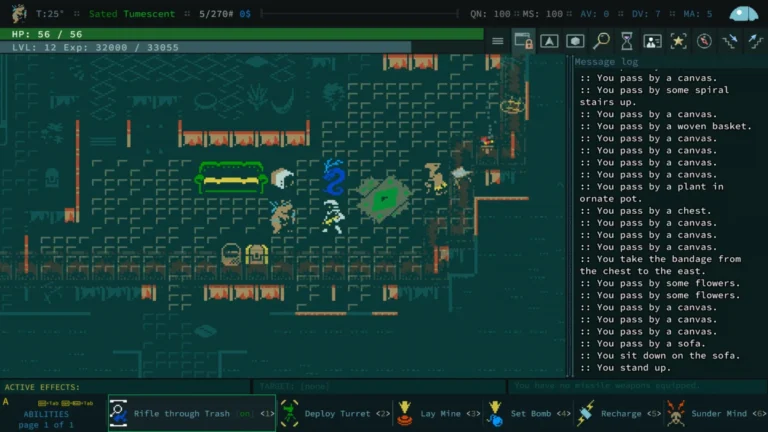
The indie game landscape is notoriously competitive. According to industry reports, thousands of new games are released on platforms like Steam annually, making visibility and financial success incredibly difficult to achieve. While crowdfunding platforms like Kickstarter and Patreon have offered avenues for independent creators, sustaining long-term financial viability and community engagement often requires continuous marketing, development, and community management—tasks that can become overwhelming for solo or small teams. Burgun’s career has been notable for his theoretical contributions to game design, particularly his advocacy for "ludology" and "skill-based design," which prioritize gameplay mechanics and player agency. His work has often challenged conventional design paradigms, making his journey within the indie space a unique one, often operating outside mainstream commercial currents.
The Pivot to Music: A Quest for Tangible Community
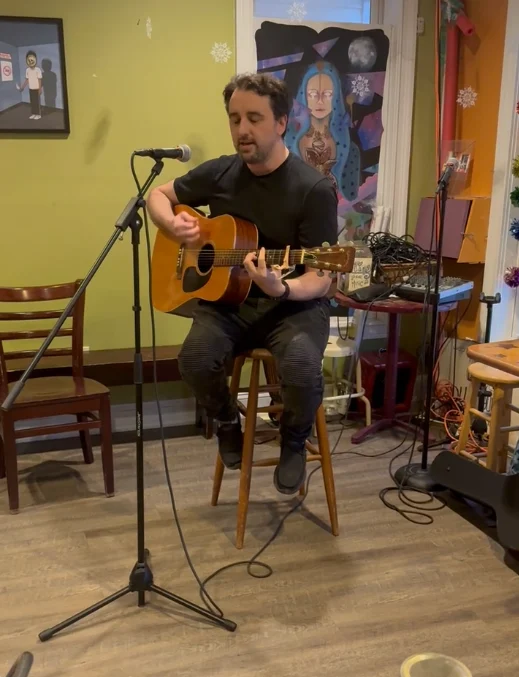
Perhaps the most significant aspect of Burgun’s announcement is his unequivocal pivot towards music, a creative pursuit he has engaged with since his teens and twenties, often playing to sparse audiences. He harbors "absolutely NO illusions" about the financial prospects of diving into music, candidly admitting he expects to lose money and is not seeking fame or a large fanbase. This stark realism underscores a profound shift in motivation: the pursuit of creative fulfillment and, critically, a yearning for genuine, physical community interaction.
This desire for tangible community is a central theme in Burgun’s decision. He contrasts his long-standing efforts to build online communities—primarily through Discord, but also theoretically via platforms like Twitter and Facebook—with the profound difference of "a physical, in-person community." Burgun notes that his understanding of this distinction has been increasingly informed by his studies in politics and sociology. While acknowledging his affection for his kbgames Discord community and his intention to continue engaging with them, he posits that online interactions "just aren’t the same" as real-world connections. This perspective reflects a growing societal discourse around the impact of digital connectivity, with many scholars and individuals pointing to the potential for online platforms, despite their benefits, to contribute to feelings of isolation or to foster fragmented rather than cohesive communities. Sociological research increasingly emphasizes the importance of "third places"—informal public gathering spots distinct from home and work—for fostering social capital and community cohesion, a concept that aligns directly with Burgun’s new direction.
Relocating to Brooklyn: A Strategic Move for Community Engagement
To facilitate this pursuit of physical community, Burgun is making a strategic geographic move, relocating back to Brooklyn. He describes his previous living situation in Westchester as "physically isolated," far from community events and like-minded creative individuals. Brooklyn, by contrast, offers a vibrant cultural ecosystem replete with "bars that play music, thrift stores, coffee shops, open mics, events and all these sorts of things." This move is not merely a change of address but a deliberate strategy to immerse himself in a rich, local cultural landscape conducive to forming organic, in-person connections.
Brooklyn has long been recognized as a melting pot for artists, musicians, and creatives, known for its dynamic independent music scene, numerous performance venues, and strong neighborhood identities. Its density of cultural institutions and independent businesses naturally fosters opportunities for spontaneous social interaction and collaborative endeavors, making it an ideal environment for someone actively seeking to integrate into a physical community. Burgun’s plan is to "dive head first into all of that," prioritizing participation and connection over traditional metrics of success like financial gain or audience size.
Continued Engagement with Game Design and Community
Despite the significant shift in focus, Burgun assured his followers that his connection to game design will not be entirely severed. He confirmed that his "day job will continue to be doing game design professionally," indicating that his expertise in the field remains a core part of his professional identity. On a personal creative front, he is also exploring "a couple of little card game prototypes" and anticipates potentially releasing one, complete with a Tabletop Simulator (TTS) module, once he is more settled.
Crucially, his existing Discord community, a testament to the loyal following he has cultivated, will remain active. Burgun expressed enthusiasm for continuing to host "game design book clubs, game jams, and occasionally streaming games," demonstrating a commitment to nurturing the intellectual and collaborative spirit that has defined his online presence. This dual approach—a professional and community-oriented presence in game design, alongside a deeply personal immersion in music and local community—highlights Burgun’s multifaceted creative identity and his evolving definition of fulfillment.
Broader Implications for the Creator Economy and Artist Well-being
Keith Burgun’s journey serves as a poignant illustration of the evolving challenges and opportunities within the broader creator economy. His decision to unpublish a successful Patreon due to anxiety over perceived value and his pivot towards non-monetized creative pursuits for the sake of community offers a compelling narrative for other creators. It underscores the increasing importance of mental well-being, authenticity, and the search for meaningful connection in an increasingly digital and performance-driven creative landscape.
His experience reflects a broader trend where creators are re-evaluating their relationships with platforms and audiences, prioritizing sustainable practices and personal fulfillment over the relentless pursuit of growth and financial metrics. The human need for tangible connection, as highlighted by Burgun, suggests a potential counter-movement to the pervasive online-first approach, emphasizing the irreplaceable value of physical spaces and face-to-face interactions for creative inspiration and personal well-being.
In conclusion, Keith Burgun’s announcement is more than just the closure of a Patreon page; it is a declaration of an artist seeking a new path guided by a profound desire for authenticity, community, and creative freedom. His transition to music and a life rooted in the physical vibrancy of Brooklyn, while maintaining a professional and community presence in game design, marks a significant and thoughtful evolution for a creator who has consistently challenged conventions throughout his career. His supporters are encouraged to continue following his journey and new endeavors on platforms such as BlueSky and Twitter, as well as his musical work on BandCamp, as he embarks on this next chapter.
About the Author