Unreal Engine 5 (UE5), Epic Games’ flagship development platform, is significantly lowering the barrier to entry for implementing sophisticated character movement mechanics, a crucial element for many contemporary and classic video games. A recent guide highlighted how effortlessly developers can integrate the "double jump" feature, a staple in platforming and action-adventure titles, into their projects, demonstrating not only the simplicity of core functionality but also the robust tools available for refining player experience through animation. This ease of implementation stands to empower a broader spectrum of game creators, from independent studios to seasoned professionals, by abstracting away complex coding requirements.
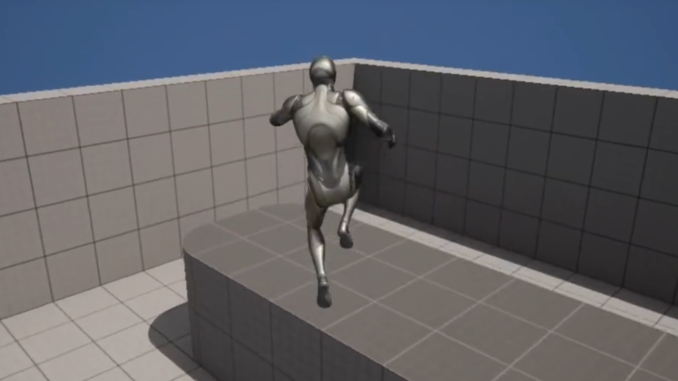
The double jump mechanic is far from a new invention; it has been a cornerstone of compelling gameplay for decades. Titles like Castlevania: Symphony of the Night introduced a generation to its strategic depth, allowing for enhanced exploration and combat maneuvers. Similarly, the precise platforming of Crash Bandicoot, the whimsical aerial antics in the Kirby series, and the expansive worlds of Banjo-Kazooie all leveraged the double jump to define their unique player interactions and level design. Its enduring appeal lies in its ability to grant players a heightened sense of agency and verticality, transforming otherwise straightforward platforming challenges into dynamic puzzles requiring timing and spatial awareness. For many players, mastering the double jump is synonymous with a feeling of control and skill, making its seamless integration a priority for developers aiming for fluid and engaging gameplay.
Unreal Engine 5, launched in April 2022, has rapidly cemented its position as a dominant force in the game development landscape. Boasting revolutionary technologies like Nanite for virtualized geometry and Lumen for dynamic global illumination, UE5 offers unparalleled visual fidelity. However, its true strength also lies in its accessibility. Epic Games has consistently championed a philosophy of empowering creators, and this is vividly expressed through UE5’s comprehensive Blueprint visual scripting system. Blueprints allow developers to create complex gameplay logic without writing a single line of C++ code, a feature that has been instrumental in democratizing game development. Industry analysts estimate that Unreal Engine powers a substantial portion of AAA titles, and its adoption among indie developers continues to grow, driven by its powerful tools and a vibrant community. This latest demonstration of simplified double jump implementation further underscores Epic’s commitment to making advanced game features available to everyone.
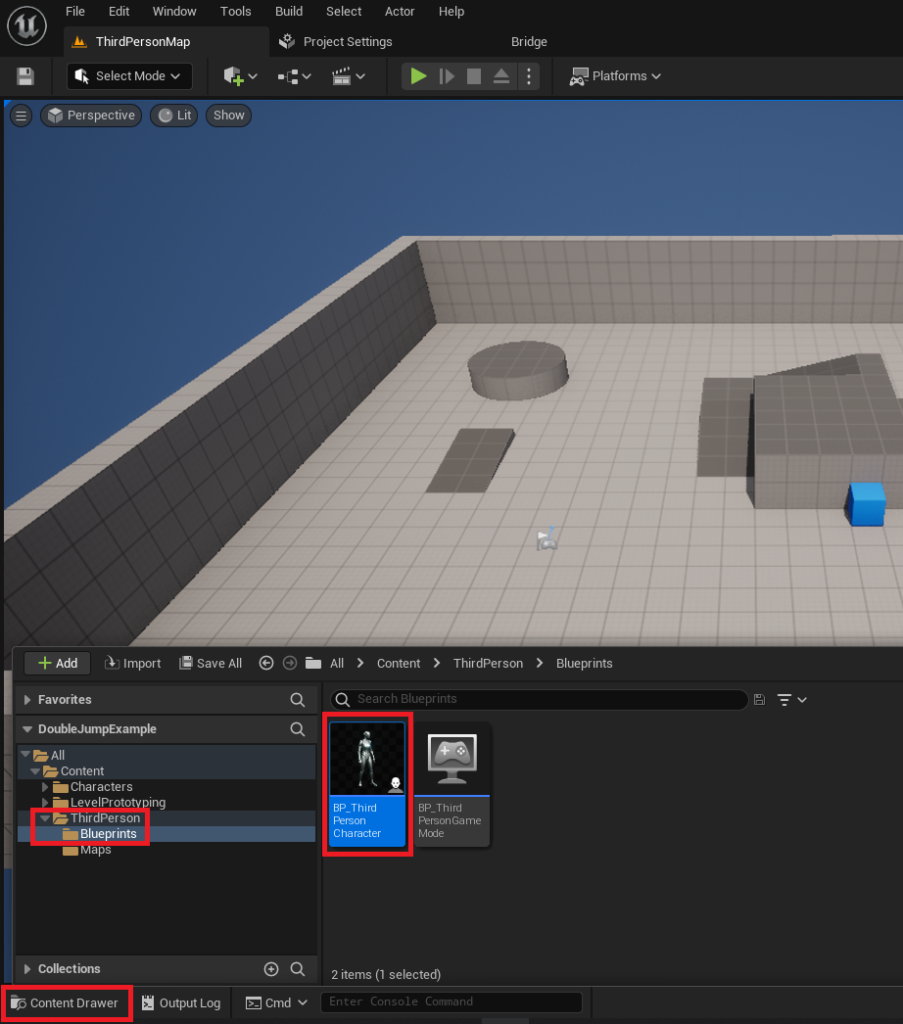
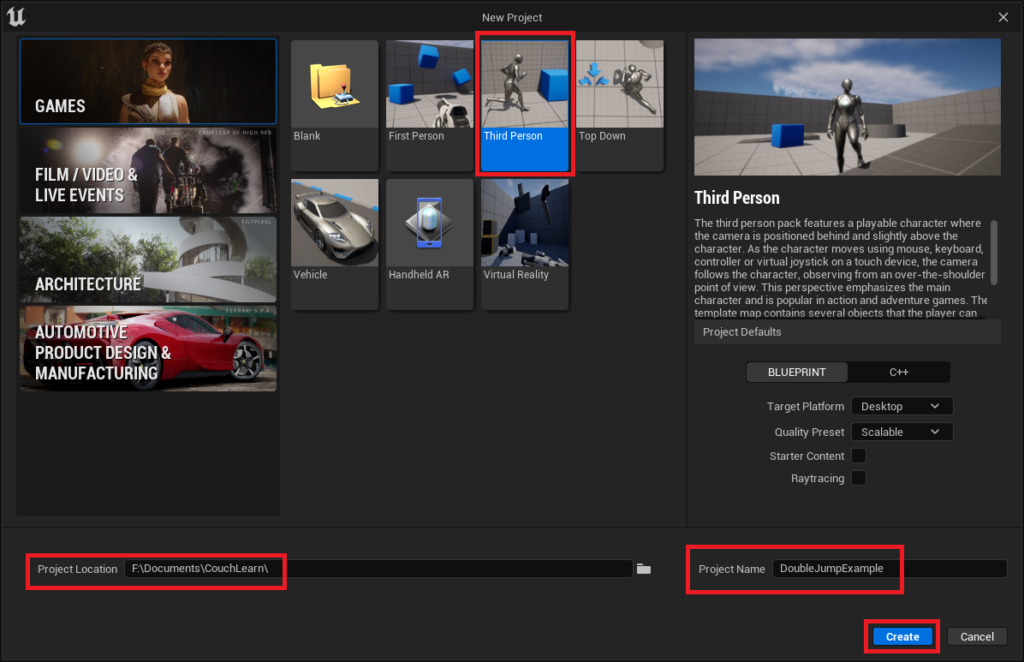
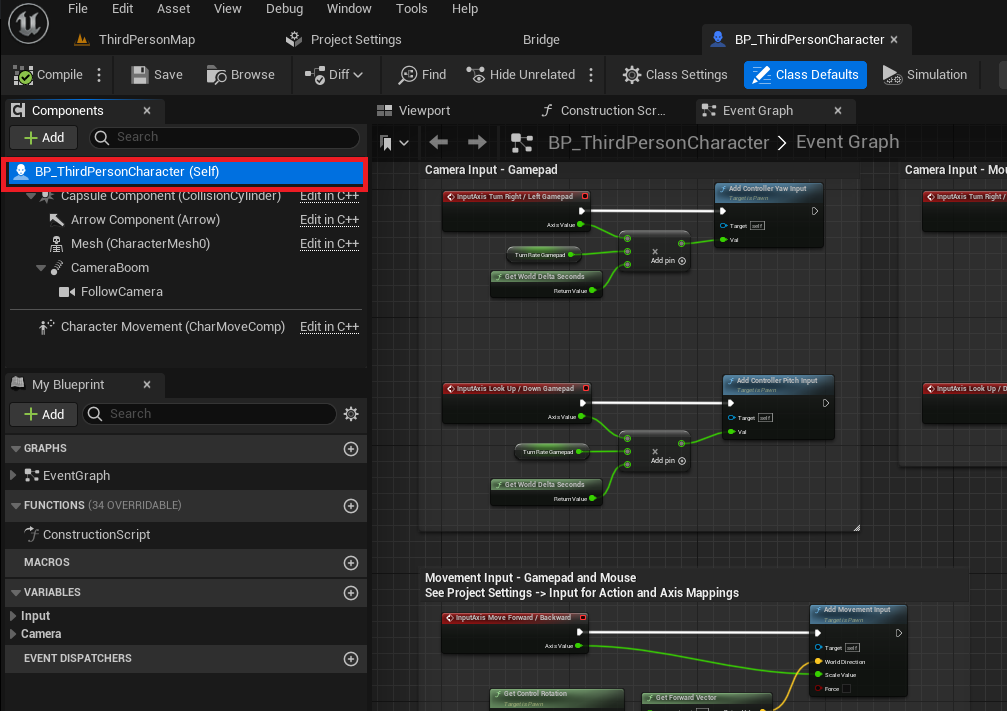
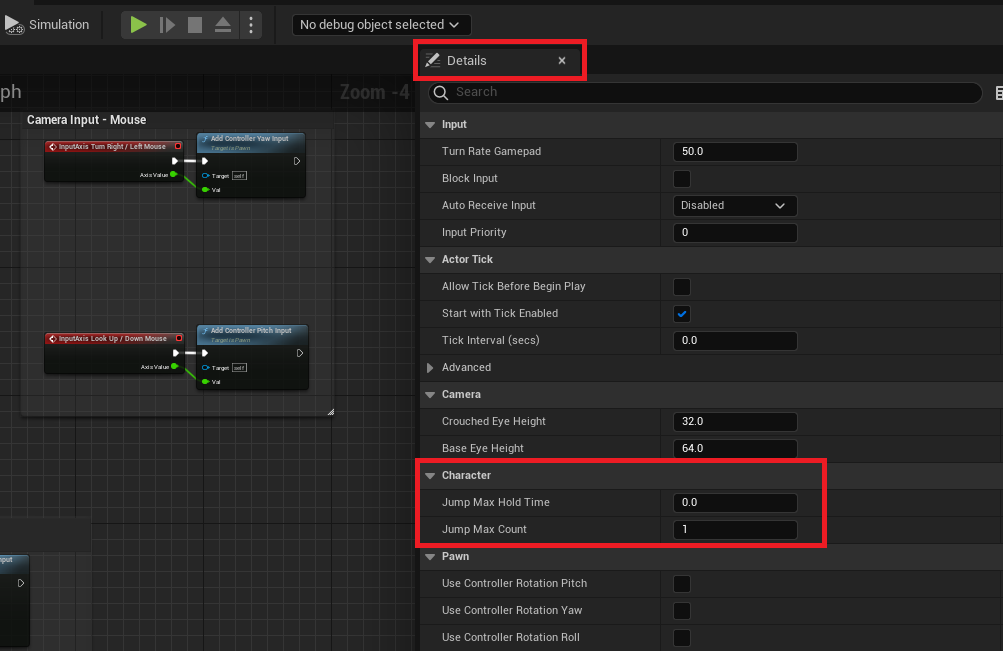
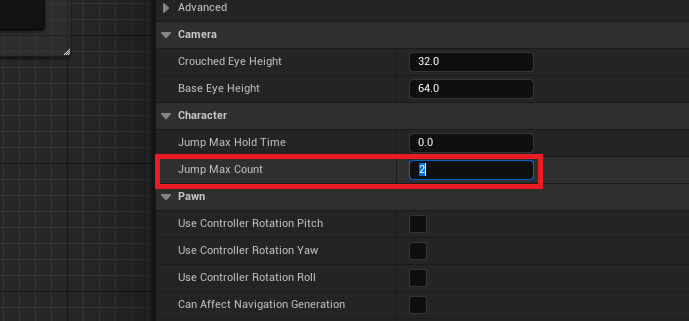
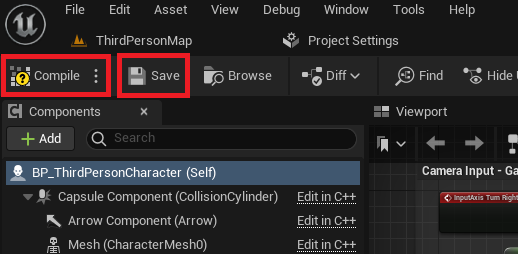
The core functionality of adding a double jump in UE5 is remarkably straightforward, a testament to the engine’s thoughtful design. Developers beginning a new project can select the standard Third Person template, a common starting point that includes a pre-configured character blueprint. For those with existing projects, the process involves locating their primary Character blueprint, typically named BP_ThirdPersonCharacter. Once this blueprint is opened within the editor, the crucial step involves selecting the BP_ThirdPersonCharacter (Self) component to access its properties in the Details panel. Within the Character section of these details, a parameter labeled "Jump Max Count" dictates how many consecutive jumps a character can perform while airborne. By default, this value is set to 1, allowing only a single jump. Simply changing this value to 2 instantly enables the double jump capability. The modification is then finalized by compiling and saving the blueprint, a standard procedure in Unreal Engine to apply changes. This single-parameter adjustment stands in stark contrast to the often intricate coding or multi-component setups required in older engine versions or custom frameworks, marking a significant efficiency gain for developers.
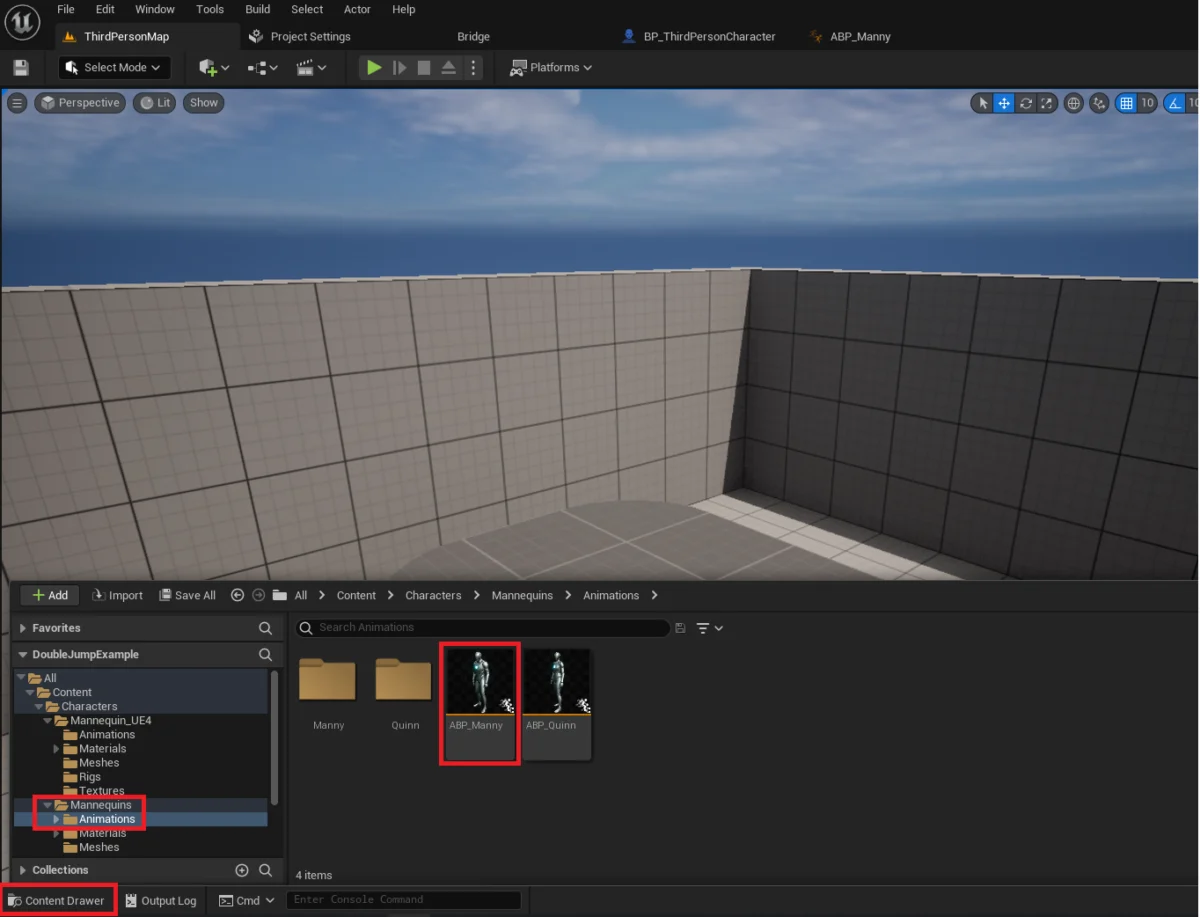
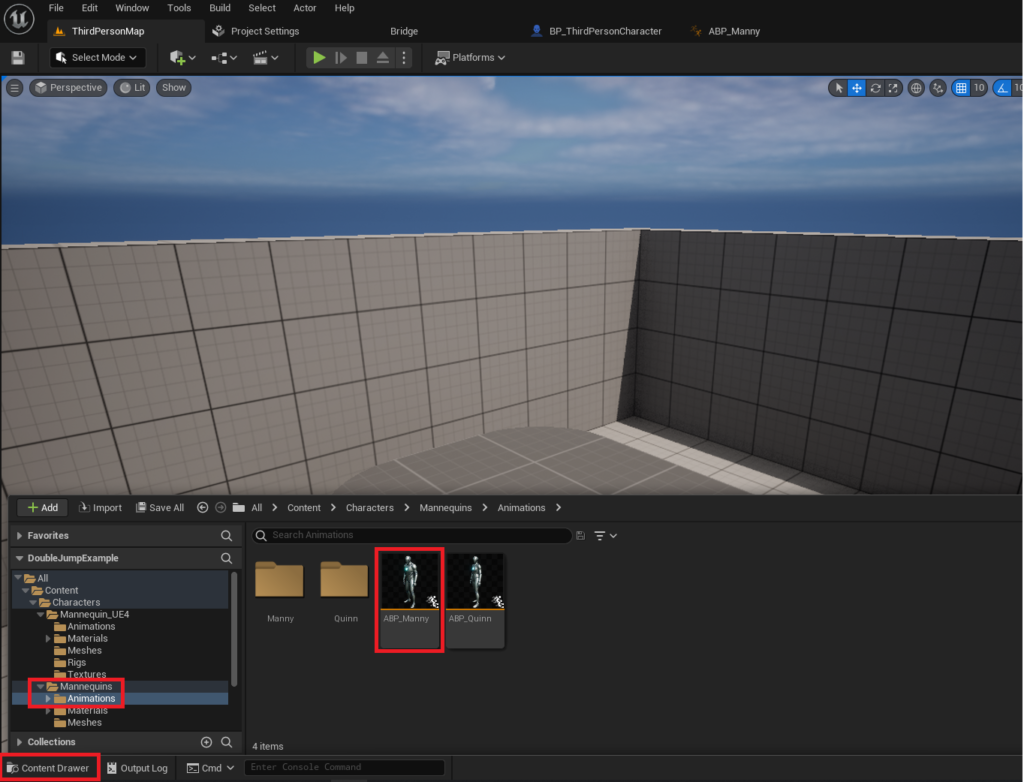
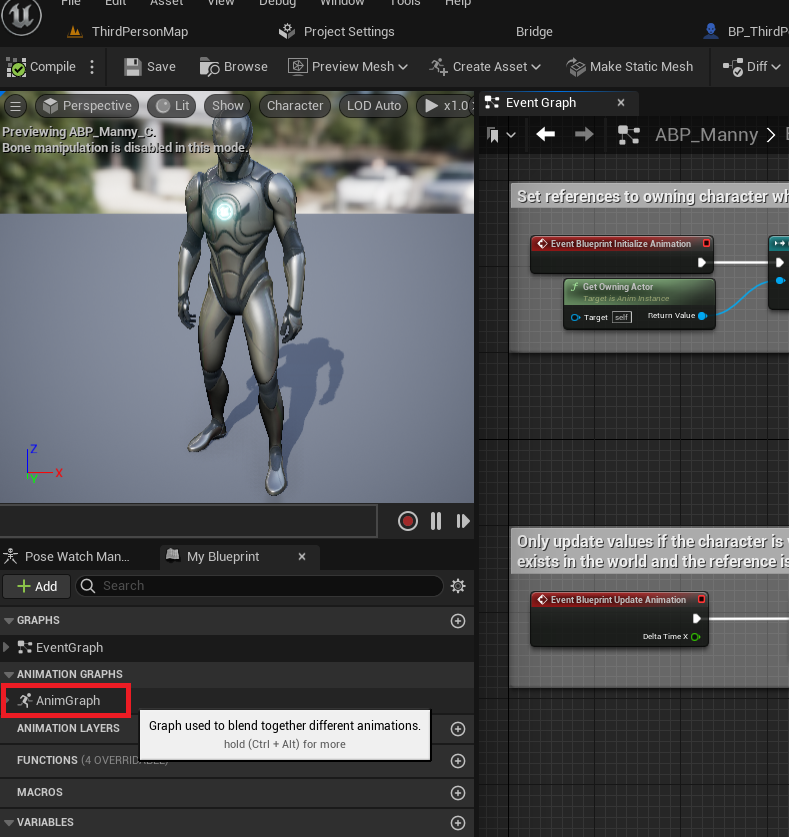
While the basic double jump functionality is achieved with surprising ease, the true mark of a polished game lies in its visual and auditory feedback. A character merely performing two identical jump animations sequentially can feel disjointed and unresponsive. This is where UE5’s animation tools, though requiring a slightly more intermediate understanding, elevate the experience. The process involves delving into the Animation Blueprint (e.g., ABP_Manny for the default mannequin character), which controls how a character’s skeletal mesh moves in response to game events.
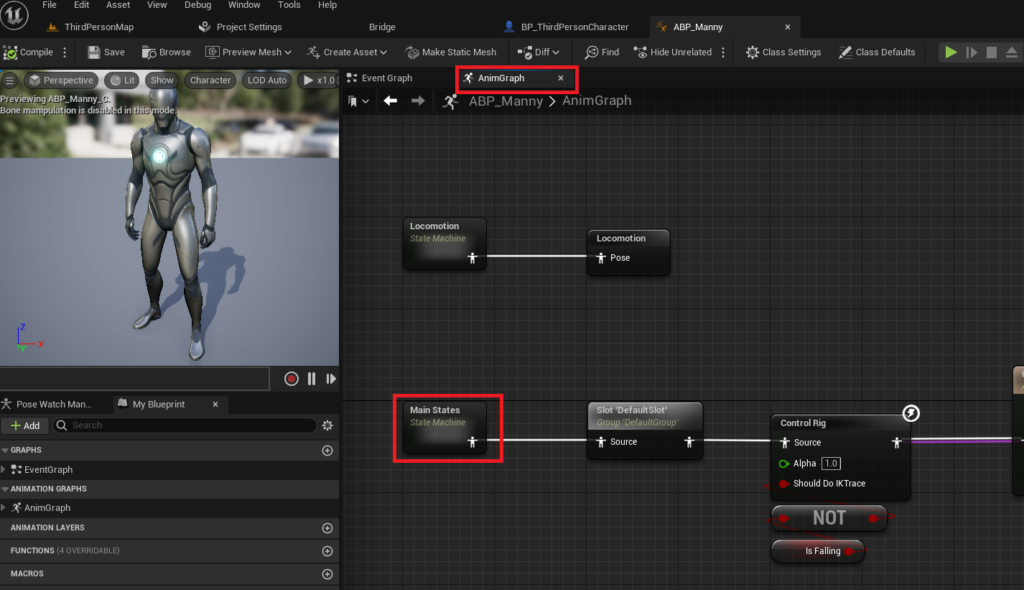
Within the Animation Blueprint, developers navigate to the "AnimGraph" and then into the "Main States" state machine. State machines are critical for managing complex animation sequences, defining transitions between different character states like "Idle," "Walking," "Jumping," and "Falling." The key to a visually satisfying double jump is to ensure that the jump animation can be re-triggered while the character is already in a falling state after an initial jump. This is achieved by creating a new transition from the "Fall Loop" state back to the "Jump" state.
Inside this newly created transition, a series of Blueprint nodes are configured to determine when the re-entry into the jump animation is permissible. These nodes include:
Is Falling: Checks if the character is currently descending.Current Jump Count: Retrieves the number of jumps already performed.Max Jump Count: Accesses the maximum allowed jumps (which we previously set to 2).Is Jump Input Pressed: Detects if the player is actively pressing the jump button.
By combining these conditions, the transition logic ensures that if the character is falling, has not yet reached their maximum jump count, and the jump input is pressed, the jump animation will play again. This meticulous control over animation states provides vital visual cues to the player, making the double jump feel responsive and impactful. Without these animation refinements, the double jump, while functional, would lack the professional polish expected in modern titles, highlighting UE5’s comprehensive approach to both functionality and aesthetics.
The implications of such streamlined development processes extend far beyond individual game features. For independent developers and smaller studios, the ability to implement complex mechanics like the double jump with relative ease significantly lowers the technical barrier to creating rich, engaging experiences. This allows them to allocate more time and resources to creative design, storytelling, and unique gameplay elements, rather than wrestling with foundational systems. This accessibility fosters greater innovation within the indie scene, potentially leading to a wider variety of high-quality games entering the market.
From a level design perspective, knowing that robust movement mechanics are easily available frees designers to conceptualize more intricate and challenging platforming sequences. The confidence that the engine will readily support features like multiple jumps encourages greater verticality and multi-layered environments, enhancing exploration and replayability. For players, the ultimate beneficiaries, the result is a more fluid, responsive, and immersive gaming experience. When character movement feels natural and animations provide clear feedback, players become more deeply connected to the game world, fostering greater satisfaction and engagement. The reduction in development time and cost associated with implementing these features also means studios can bring their visions to market more efficiently, benefiting both creators and consumers.
Unreal Engine 5 continues to solidify its reputation as an engine that not only pushes the boundaries of visual fidelity but also champions developer productivity and accessibility. The ease with which a classic mechanic like the double jump can be integrated and refined is a prime example of this philosophy in action. As Epic Games continues to evolve UE5, the trend of simplifying complex game development tasks is expected to accelerate, further democratizing the creation process and inspiring a new generation of game makers to bring their ambitious ideas to life. This commitment to empowering creators at every level ensures that Unreal Engine remains at the forefront of innovation, shaping the future of interactive entertainment.
About the Author