Alibaba Group has officially expanded its hardware portfolio with the launch of the Qwen N1 and N1 Pro smartglasses, a move that signals the Chinese e-commerce and cloud computing giant’s deeper integration of artificial intelligence into consumer wearables. Announced during a high-profile technology event in Hangzhou, the N1 series represents a significant shift in the smartglasses market, moving away from heads-up displays toward an audio-and-camera-centric architecture powered by the company’s proprietary Qwen large language models (LLMs). The flagship N1 Pro model distinguishes itself through the inclusion of sub-millimeter eye-tracking cameras and biometric health sensors, positioning it as a direct competitor to Western offerings such as the Ray-Ban Meta smartglasses.
Technical Specifications and Performance Benchmarks
The Alibaba N1 series is designed to function as a seamless interface for the company’s AI ecosystem. Unlike previous iterations of smartglasses that utilized monochrome or birdbath optical engines for visual overlays, the N1 series focuses on high-fidelity environmental capture and audio interaction. The hardware specifications represent a notable advancement over existing market leaders. Both models feature a 50-megapixel primary camera capable of recording 4K video, a substantial upgrade from the 12-megapixel sensors found in contemporary Western smartglasses. This high-resolution sensor is optimized for low-light performance, with early hands-on reports indicating superior image clarity in nocturnal environments.

Battery efficiency also serves as a primary differentiator for the N1 series. Alibaba claims the devices support up to nine hours of continuous music streaming or 25 hours of standby time on a single charge. For comparison, the current industry standard for audio-centric smartglasses typically ranges between four to six hours of active use. This extended battery life is facilitated by a refined power management system designed to handle the computational demands of the Qwen AI assistant, which processes voice commands and environmental data in real-time.
Innovation in Eye-Tracking and Biometric Security
The Qwen N1 Pro introduces sophisticated eye-tracking technology into a form factor that maintains the aesthetics of traditional eyewear. The device incorporates two 1.7mm micro-cameras—one per eye—designed to monitor pupil movement with a claimed accuracy error of less than one degree. This hardware allows the AI assistant to achieve "true contextual awareness." Rather than inferring what a user is looking at based on head orientation, the N1 Pro can pinpoint the exact object of the user’s gaze.
This capability enables several advanced use cases. In a retail environment, the glasses can identify specific products or labels a user is inspecting, providing instant pricing or nutritional information via audio. In professional settings, such as industrial maintenance or medical training, the eye-tracking system can verify that a technician has visually confirmed specific safety indicators before proceeding with a task.

Furthermore, Alibaba has leveraged this hardware for biometric security. The N1 Pro utilizes iris authentication to secure sensitive transactions. By verifying the unique patterns of the user’s eye, the glasses can authorize payments through Alipay, Alibaba’s ubiquitous digital payment platform. This integration addresses a significant security gap in wearable technology, ensuring that the device remains locked to the owner even if the hardware is stolen or lost.
Integrated Health and Wellness Monitoring
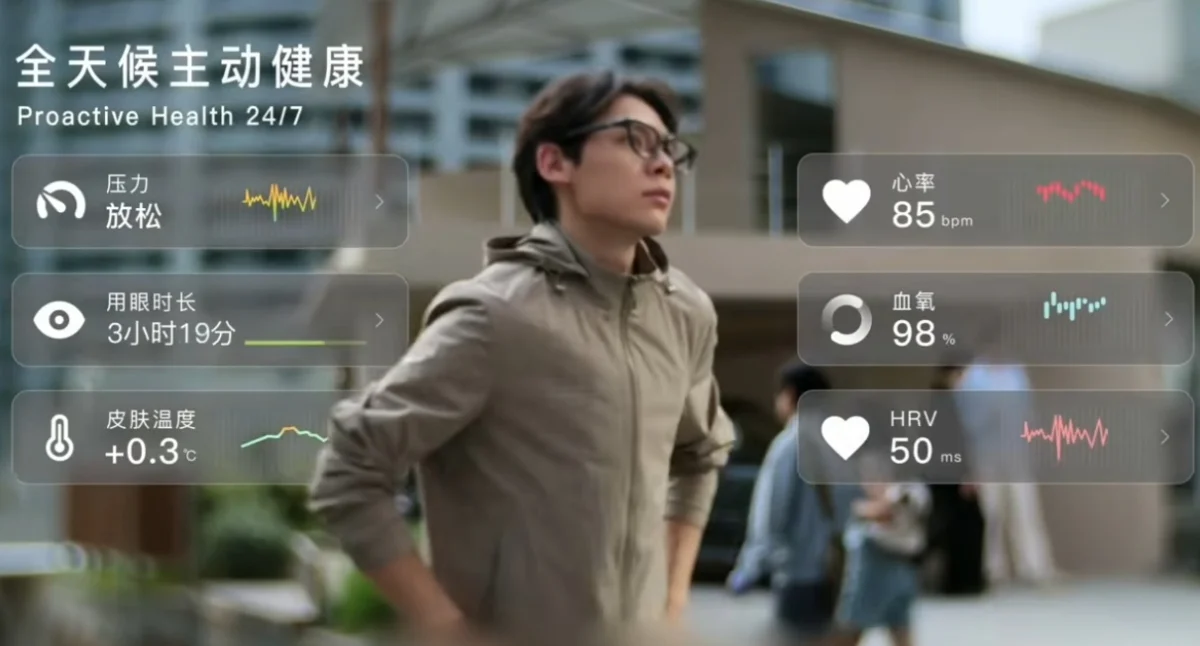
In a departure from the fitness-tracking capabilities typically reserved for smartwatches and rings, the Qwen N1 Pro integrates medical-grade sensors directly into the frame’s nose bridge. These sensors are designed to monitor heart rate, body temperature, and other vital signs through the skin of the nasal bridge. This placement offers a stable contact point for continuous data collection, which Alibaba suggests can be used to track stress levels and physical well-being throughout the day.
By embedding these sensors into a pair of glasses, Alibaba is targeting the "wellness-aware" demographic that may find wrist-based wearables intrusive. The data collected by the N1 Pro is synced with Alibaba’s health platforms, allowing for long-term trend analysis. While the company has not yet sought clinical certification for these sensors in international markets, the inclusion of such hardware indicates a strategic intent to merge the categories of smart eyewear and health-tracking wearables.

Ecosystem Integration and Domestic Market Strategy
The launch of the N1 series is inextricably linked to Alibaba’s broader service ecosystem. In mainland China, where Alibaba’s platforms dominate digital life, the glasses function as a hands-free portal to services like Taobao and Alipay. Users can initiate purchases by simply looking at a QR code or an item and issuing a voice command to the Qwen AI. The assistant then handles the transaction, utilizing the integrated iris scan for final authorization.
The Qwen AI model family, which serves as the "brain" of the device, has been optimized for low-latency voice interaction and live translation. This allows users to engage in real-time bilingual conversations, with the translated audio delivered via open-ear speakers embedded in the temples of the glasses.
The pricing structure reflects a competitive stance against both domestic rivals and international tech giants. The Qwen N1 Pro is priced at 3,499 yuan (approximately $490), with a launch-window discount reducing the price to 2,600 yuan (approximately $360). The standard N1 model, which lacks eye-tracking and health sensors, is priced at 2,999 yuan (approximately $420). These price points place the N1 series in the premium tier of Chinese wearables, though they remain competitively priced when compared to the total cost of ownership of Western smartglasses paired with subscription-based AI services.

Broader Industry Implications and Privacy Considerations
The introduction of eye-tracking in a consumer-grade smartglasses product raises significant questions regarding data privacy and the future of human-computer interaction. Industry analysts suggest that Alibaba’s move will likely prompt competitors, including Meta and Apple, to accelerate their own eye-tracking roadmaps for non-AR devices. The ability to capture "gaze data" provides unprecedented insights into consumer behavior, interest, and attention—data that is highly valuable for advertising and product development.
However, the collection of such intimate data may pose a hurdle for the N1 Pro’s adoption outside of the Chinese market. Western regulatory environments, particularly under the European Union’s General Data Protection Regulation (GDPR), maintain strict standards regarding the collection of biometric and gaze data. Alibaba has not yet announced plans for a global release, and experts suggest that the deep integration with China-specific services like Alipay may limit the device’s appeal in international markets unless significant localized partnerships are established.
Despite these challenges, the N1 Pro sets a new technical benchmark for the "smartglasses without a display" category. By successfully miniaturizing eye-tracking and health sensors into a standard frame, Alibaba has demonstrated that the future of wearables may lie in the eyes of the user, rather than on their wrists. As the Qwen AI continues to evolve, the N1 series will serve as a critical test case for how seamlessly artificial intelligence can be woven into the fabric of daily human experience.
About the Author