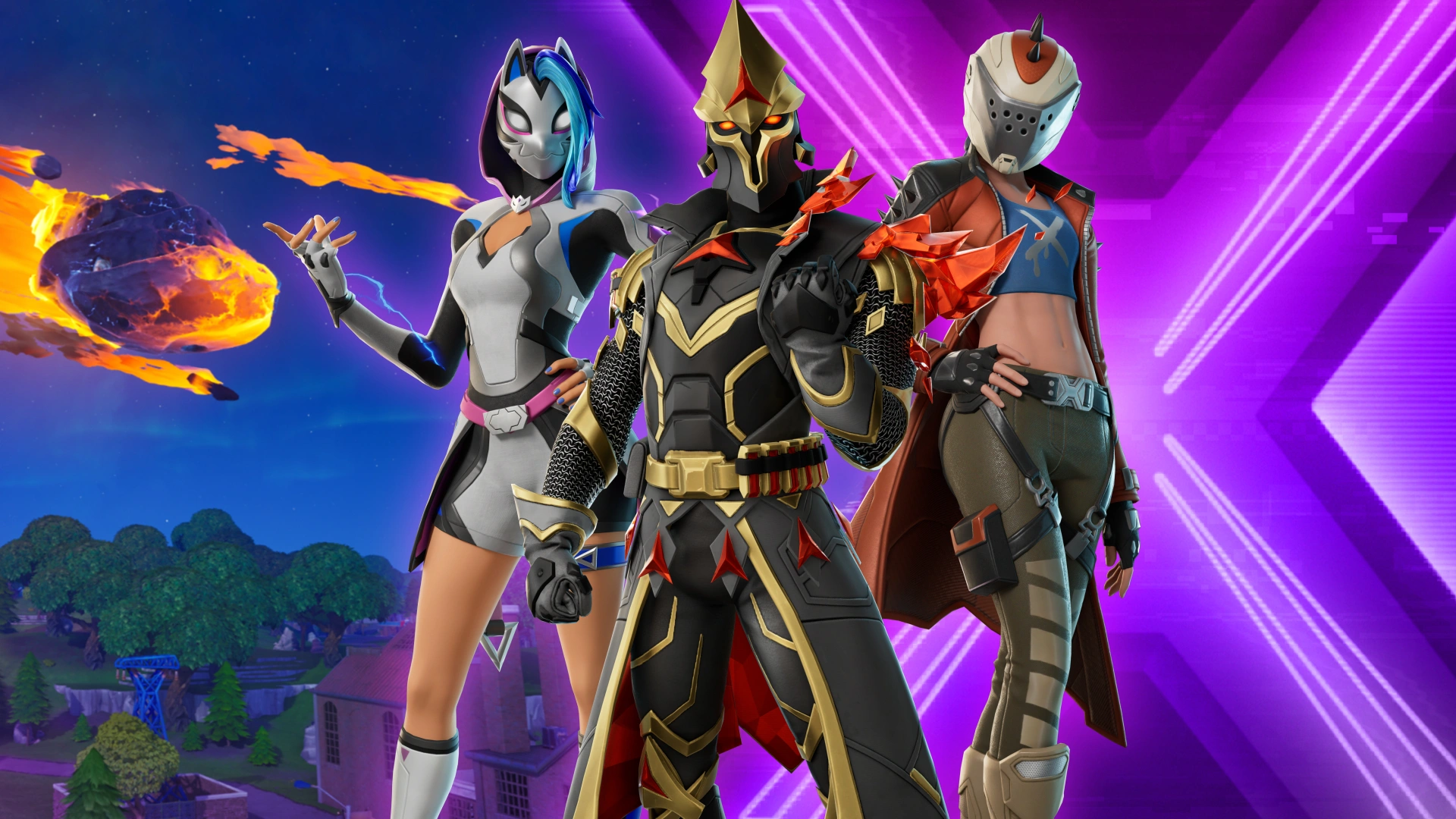
A compelling game experience for players does not automatically translate into a captivating spectacle for an audience. This fundamental truth has been a significant challenge for many competitive video games, particularly within the nascent esports landscape. Fortnite, a global phenomenon developed by Epic Games, stands as a pivotal case study in this evolution, demonstrating how a title initially optimized for player engagement underwent a public transformation to become a highly watchable esport. Its journey from chaotic skirmishes to a structured, audience-friendly competition offers invaluable lessons for game designers and esports organizers worldwide.
The Genesis of a Spectator Challenge: Battle Royale’s Unique Hurdles
The Battle Royale genre, characterized by its large-scale, last-person-standing format, inherently presents unique difficulties for live viewership that are largely absent in more traditional esports titles. Unlike 5v5 arena-based games like Counter-Strike or League of Legends, where action is often concentrated and predictable, Battle Royales deploy a hundred or more players across expansive maps. This creates a highly dispersed battleground where dozens of engagements can erupt simultaneously, making it virtually impossible for a single camera perspective to capture every critical moment.
Early competitive broadcasts of Fortnite, as well as other pioneering Battle Royale titles like H1Z1 and PlayerUnknown’s Battlegrounds (PUBG), starkly illustrated these problems. Viewers were often left watching lengthy periods of players "farming" resources, scavenging for loot, or meticulously hiding, punctuated by sudden, context-less skirmishes. The absence of a clear narrative thread, coupled with the difficulty of tracking favorite players amidst the sprawling chaos, led to significant audience frustration. Esports analysts and the nascent community frequently highlighted the disjointed nature of these broadcasts, noting that even highly skilled production teams, armed with multiple observers and directors, struggled to keep pace with the action and avoid missing pivotal eliminations or strategic plays unfolding off-screen. This early experience underscored a critical design lesson: a game’s core loop, however engaging for a participant, does not automatically constitute compelling viewing entertainment. The challenge was to transform isolated, player-focused encounters into a coherent, followable story for a global audience.
Early Competitive Efforts: A Steep Learning Curve
Epic Games’ initial foray into competitive Fortnite in 2018, exemplified by events like the E3 Pro-Am and the subsequent Summer Skirmish Series, served as an unfiltered public beta for Battle Royale esports. While these events generated considerable hype due to Fortnite’s immense popularity, they simultaneously exposed the genre’s deep-seated watchability issues. The formats often involved large groups of streamers and professional players competing in ad-hoc matches with relatively simplistic scoring. Critiques were rampant: commentators struggled to keep up with the fragmented action, the lack of persistent leaderboards made it difficult for viewers to understand who was performing well, and the sheer unpredictability of player spawns and zone collapses often overshadowed individual skill.
Community feedback, amplified across social media platforms and streaming channels, consistently pointed to the disorienting viewing experience. Fans found it challenging to invest in individual players or teams when their fortunes could shift dramatically due to factors outside their control, and when their moments of brilliance might simply be missed by the broadcast. Broadcasters and production teams openly acknowledged the immense technical and narrative hurdles they faced, often relying on reactive camera work rather than proactive storytelling. This period, though challenging, was crucial for Epic Games. It provided a wealth of real-world data and audience sentiment, illustrating that a game’s success as an esport required deliberate design choices and iterative improvements, rather than merely relying on its inherent player appeal.
The Evolution of Structure: From Chaos to Cohesion
Recognizing these fundamental challenges, Epic Games embarked on a concerted effort to introduce structure and clarity into Fortnite’s competitive ecosystem. The most significant shift came with the implementation of multi-match series and sophisticated scoring systems. Moving beyond the single-match "winner takes all" mentality, competitive Fortnite began to embrace formats that rewarded consistent performance across several games. This strategic pivot transformed chaotic individual matches into rounds within a larger, unfolding narrative.
At the heart of this transformation was the refined scoring system. Points are awarded not only for eliminations (often weighted differently depending on the stage of the match) but also, crucially, for placement. High placement points encourage strategic survival, positioning, and late-game engagements, adding a layer of tactical depth beyond mere aggression. Detailed tiebreaker rules ensure competitive integrity and provide transparent criteria for resolving close standings, which is vital for both players and audience comprehension. This multi-faceted scoring mechanism allows every match to feed into a running leaderboard, creating a persistent meta-narrative. Viewers can now track who is ahead, who is making a comeback, and which teams desperately need a strong finish. This structure injects stakes into every match, even those in the middle of a series, giving audiences a compelling reason to remain engaged until the very last session concludes. The integration of such systems also opened avenues for enhanced fan engagement, with platforms facilitating activities like betting on Fortnite, where the odds of a single drop matter less than a team’s performance across an entire session. Esports analysts widely praised this shift, noting a significant improvement in broadcast narrative and overall audience retention.
Enhancing the Viewer Experience: Broadcast Innovations and In-Game Tools
Beyond the fundamental shift in competitive structure, Epic Games and its broadcast partners invested heavily in developing sophisticated tools and on-screen displays to further enrich the viewer experience. Understanding that clarity and context are paramount, live broadcasts began incorporating a wealth of real-time information. Prominent on-screen leaderboards provide instant updates on player standings, elimination counts, and overall points. Dynamic kill feeds immediately notify viewers of eliminations, often with accompanying player portraits and weapon icons, helping to track the ebb and flow of battle.
Crucially, in-game overlays now display vital player statistics such as health, shield levels, and inventory, offering viewers deeper insight into a player’s strategic situation without cluttering the screen. Advanced minimaps, often with tactical overlays indicating storm circles and player positions, allow for a broader understanding of the battlefield. Production teams also began leveraging multi-view and picture-in-picture capabilities to simultaneously showcase multiple key engagements, minimizing the chance of missing critical action.
These data-rich displays are not merely cosmetic; they are integral to the storytelling capabilities of casters. Timely statistics empower commentators to weave compelling narratives, highlight impressive streaks, explain complex strategic plays, and build anticipation. For instance, a caster can quickly identify a player on a high elimination streak and articulate their climb up the leaderboard, or point out a team making a crucial rotation into the safe zone. This integration of data and commentary elevates the viewing experience from passive observation to active engagement, akin to the detailed statistical analyses provided in traditional sports broadcasts. Epic Games has continued to iterate on these tools, with internal development teams collaborating closely with external broadcast partners to ensure the most relevant and impactful information is consistently presented to the audience.
The Spectator Mode Paradigm: Engaging Eliminated Players
One of Fortnite’s most ingenious spectator features is integrated directly into the core gameplay loop. Upon elimination, a player is automatically transitioned into an in-game spectator mode. This feature typically defaults to following the player who delivered the eliminating blow. If that player is subsequently eliminated, the view seamlessly shifts to their eliminator, creating a chain of encounters that continues until only one team or player remains. This unique design serves a dual purpose: it keeps eliminated players engaged in the remainder of the match, as they remain invested in the ultimate outcome, and it offers a natural, player-driven narrative of interconnected skirmishes.
This internal spectator mode stands in contrast to earlier, more rudimentary systems that allowed players to watch others without joining their match. Epic Games made the calculated decision to remove such external spectator functionality, primarily due to concerns over competitive integrity. The risk of stream sniping, where players gain an unfair advantage by watching an opponent’s live broadcast or external spectator feed, and other forms of cheating, was deemed too high. This trade-off highlights a crucial lesson for game designers: while spectator features can enhance engagement, they must be implemented with careful consideration for security and fairness, ensuring that any system revealing information cannot be abused to undermine the competitive environment. The balance between accessibility for viewers and protection against exploitation is a constant challenge in esports development.
Post-Match Analysis: The Value of Replayability
The watchability of a competitive Fortnite match extends well beyond its live broadcast. Fortnite features a robust replay system, accessible through a dedicated in-game menu, that allows players to rewatch their own matches from virtually any perspective. This powerful tool transforms a single game into a rich source of material for analysis and content creation.
For competitive players, the replay system is indispensable for studying their own mistakes, identifying areas for improvement, and analyzing the strategies of their opponents. They can review engagements from multiple angles, track player movements, and understand decision-making processes in granular detail. This self-scouting capability is fundamental to professional growth in esports. For casual players and aspiring competitors, replays offer an unparalleled opportunity to learn from the best. By watching top players’ matches, they can glean insights into advanced tactics, optimal rotations, and superior aiming techniques. Beyond individual improvement, the replay system fuels the broader Fortnite content ecosystem. Streamers, YouTubers, and community analysts frequently utilize replays to create highlight reels, educational videos, and in-depth tactical breakdowns, further extending the engagement and longevity of competitive matches. This post-match analytical value adds another layer to Fortnite’s spectator appeal, ensuring that the narratives created during live broadcasts can be revisited, dissected, and appreciated long after the final storm circle closes.
The Fortnite World Cup: A Zenith of Spectatorship
The culmination of Epic Games’ extensive efforts in refining competitive structure and broadcast presentation arrived with the inaugural Fortnite World Cup in July 2019. Held at the Arthur Ashe Stadium in New York, the event was not just a landmark for Fortnite but for the entire esports industry. With an unprecedented $30 million prize pool, including a $3 million grand prize for the solo champion, the World Cup demonstrated the immense financial potential of a well-executed Battle Royale esport.
The event’s success was a direct testament to the iterative improvements made over the preceding year. The structured format, clear scoring system, and sophisticated broadcast innovations allowed for compelling storylines to unfold with clarity. Viewers worldwide, across platforms like Twitch and YouTube, tuned in in massive numbers, with peak concurrent viewership for the finals reaching millions. The narrative of Kyle "Bugha" Giersdorf’s dominant solo victory, achieved through consistent high placements and strategic eliminations across multiple games, resonated deeply with the audience. His journey was easy to follow, his skill undeniable, and his triumph felt earned within a transparent and well-understood competitive framework. The Fortnite World Cup definitively proved that Battle Royale, once considered too chaotic for structured esports, could indeed be a top-tier spectator sport when designed and produced with the audience’s experience as a paramount consideration. The event solidified Fortnite’s position in the esports pantheon and set a new benchmark for large-scale competitive gaming.
Broader Implications for Game Design and Esports Development
Fortnite’s public journey from player-centric game to spectator-ready esport offers profound lessons that extend far beyond the Battle Royale genre. The primary takeaway is the imperative for game designers to treat the audience as a "second kind of player," one whose needs for clarity, context, and a reason to care are as critical as those of the participants themselves.
- Proactive Spectator Integration: Future competitive titles should consider spectator and broadcast requirements from the earliest stages of development, rather than as an afterthought. Integrating robust observer tools, clear visual cues for key events, and easily digestible on-screen information should be part of the initial design brief.
- Data-Driven Narrative: The power of real-time statistics and transparent scoring systems in creating compelling narratives cannot be overstated. Games aiming for esports success must build mechanisms that allow commentators and audiences to easily understand player performance, track progress, and anticipate outcomes.
- Adaptability and Iteration: Epic Games’ willingness to publicly experiment, acknowledge shortcomings, and rapidly iterate on its competitive formats and broadcast tools was crucial. This agile approach to esports development, driven by community feedback and analytical insights, serves as a blueprint for sustained growth.
- Economic Impact: The success of Fortnite as an esport has had a significant economic impact, fostering a vibrant ecosystem that supports professional players, content creators, casters, production staff, and third-party platforms, including those involved in esports betting. This growth underscores the commercial viability of investing in spectator experience.
- Competitive Integrity vs. Spectator Features: The delicate balance between providing engaging spectator features and safeguarding against competitive exploitation (e.g., stream sniping) is a critical design challenge that requires constant vigilance and innovative solutions.
In conclusion, Fortnite’s transformation from a beloved player experience to a globally celebrated spectator sport provides an invaluable guide for anyone aspiring to build a game that people will not only love to play but also eagerly watch. By meticulously addressing the inherent complexities of its genre and prioritizing the audience’s need for structure, clarity, and narrative, Epic Games has demonstrated that with deliberate design and continuous refinement, even the most chaotic gaming experiences can be molded into captivating esports spectacles.
About the Author