The digital landscape has witnessed a seismic shift in the realm of centralized social media, profoundly exemplified by the tumultuous transformation of Twitter following its acquisition by Elon Musk. What was once heralded as a global town square, a vibrant hub for real-time information and discourse, has undergone a radical metamorphosis into "X," prompting widespread debate about platform governance, free speech, and the inherent vulnerabilities of centralized digital services. This period of dramatic change has not only reshaped one of the internet’s most influential platforms but has also catalyzed a critical re-evaluation of the foundational models underpinning our online communities, accelerating a nascent but growing movement towards decentralized alternatives.
Twitter’s Ascent: A Brief History of a Digital Public Square
Launched in 2006, Twitter quickly established itself as a unique microblogging service, distinct from its more visually oriented or relationship-centric social media counterparts. Its concise format (initially 140 characters, later expanded to 280) fostered rapid dissemination of information, making it an indispensable tool for breaking news, political discourse, cultural commentary, and celebrity interaction. Journalists, activists, politicians, and everyday citizens flocked to the platform, leveraging its immediacy and reach to shape public opinion, organize movements, and hold power accountable. By the early 2010s, Twitter had cemented its status as a critical component of the global information ecosystem, frequently serving as the first point of contact for major world events.
However, even in its golden age, Twitter grappled with significant challenges. Issues such as misinformation, harassment, and the delicate balance of content moderation became increasingly prominent, particularly during politically charged periods like the U.S. presidential elections of 2016 and 2020. The platform’s commitment to "free speech" often clashed with the necessity of maintaining a safe and healthy environment, leading to ongoing debates about its policies and their enforcement. Despite these growing pains, Twitter remained a singular entity, a seemingly indispensable public utility in the digital age, valued at tens of billions of dollars.
The Acquisition and the Dawn of a New Era
The saga of Elon Musk’s acquisition of Twitter began in early 2022, culminating in a dramatic $44 billion takeover by October of the same year. Musk, the CEO of Tesla and SpaceX, positioned himself as a "free speech absolutist" and expressed a desire to transform Twitter into an "everything app" known as X. His stated motivations included combating spam bots, ensuring open discourse, and unlocking the platform’s untapped potential. The announcement sent shockwaves through the tech world and the broader public, eliciting a spectrum of reactions ranging from fervent hope for a revitalized platform to profound apprehension about its future under a single, highly influential individual. Many users and analysts immediately voiced concerns that Musk’s vision, particularly his interpretation of free speech, could dismantle the very structures that, however imperfectly, had managed the platform’s vast and often contentious content.
A Tumultuous Chronology of Transformation

The period immediately following Musk’s acquisition was marked by unprecedented upheaval and rapid, often controversial, policy changes.
- October 2022: The acquisition closes. Musk immediately initiates widespread layoffs, reportedly dismissing approximately 50% of Twitter’s 7,500 employees, including critical engineering, trust and safety, and content moderation teams. Several top executives are also fired. This move immediately raised concerns about the platform’s stability and its ability to manage complex global content challenges.
- November 2022: Twitter Blue, the platform’s subscription service, is relaunched with a controversial new verification system. Users could purchase a blue checkmark for $8 per month, leading to a surge of high-profile impersonations, including those of major corporations and public figures, causing chaos and financial losses for some entities. This forced a temporary pause and redesign of the verification process. Simultaneously, Musk began reinstating previously banned accounts, including that of former U.S. President Donald Trump, under the banner of "free speech absolutism," further polarizing the user base and alarming advertisers.
- December 2022: Several journalists covering Musk’s activities are briefly suspended from the platform, sparking international condemnation and raising serious questions about press freedom on the platform. Twitter also briefly implemented a policy banning links to competing social media platforms like Mastodon and Linktree, a move widely criticized as anti-competitive before being quickly reversed.
- Early 2023: More layoffs continue, including contractors responsible for content moderation. Technical glitches become more frequent, and the removal of legacy verification badges from prominent figures further eroded trust and clarity. Changes to the platform’s API (Application Programming Interface) effectively shut down many third-party applications that had enhanced the Twitter experience for years, disrupting workflows for journalists, researchers, and developers.
- July 2023: The most visible change occurs with the complete rebranding of Twitter to "X." The iconic bird logo is replaced, and the term "tweets" is phased out in favor of "posts." This drastic change was met with significant backlash from long-time users and brand experts, who argued it erased years of established brand recognition and cultural cachet.
- Ongoing Issues: Throughout this period and beyond, reports indicate a significant increase in hate speech, misinformation, and problematic content, while the platform’s ability to moderate effectively appears to have diminished. User engagement metrics, while sometimes selectively highlighted by the company, have shown fluctuating and often declining trends in key demographics, particularly among power users and advertisers.
The Economic Repercussions: An Advertiser Exodus
The chaotic transition and the perceived degradation of the platform’s content environment had severe economic consequences. Major advertisers, wary of their brands appearing alongside hate speech or misinformation, began pulling their ad spending en masse. Reports from financial analysts and industry sources indicated a dramatic plummet in advertising revenue, with some estimates suggesting a drop of 50-70% in the months following the acquisition. This exodus was not merely a reaction to technical instability but a direct response to concerns over brand safety, content moderation policies, and the unpredictable leadership style.
The financial fallout was stark. Twitter’s valuation, which Musk acquired for $44 billion, was reportedly marked down significantly by various institutional investors, reflecting the perceived decline in its commercial viability and future prospects. This economic vulnerability further underscored the risks associated with centralized control, demonstrating how the whims of a single owner could directly impact the financial health and market perception of a global platform.
The Philosophical Debate: Centralization vs. Decentralization
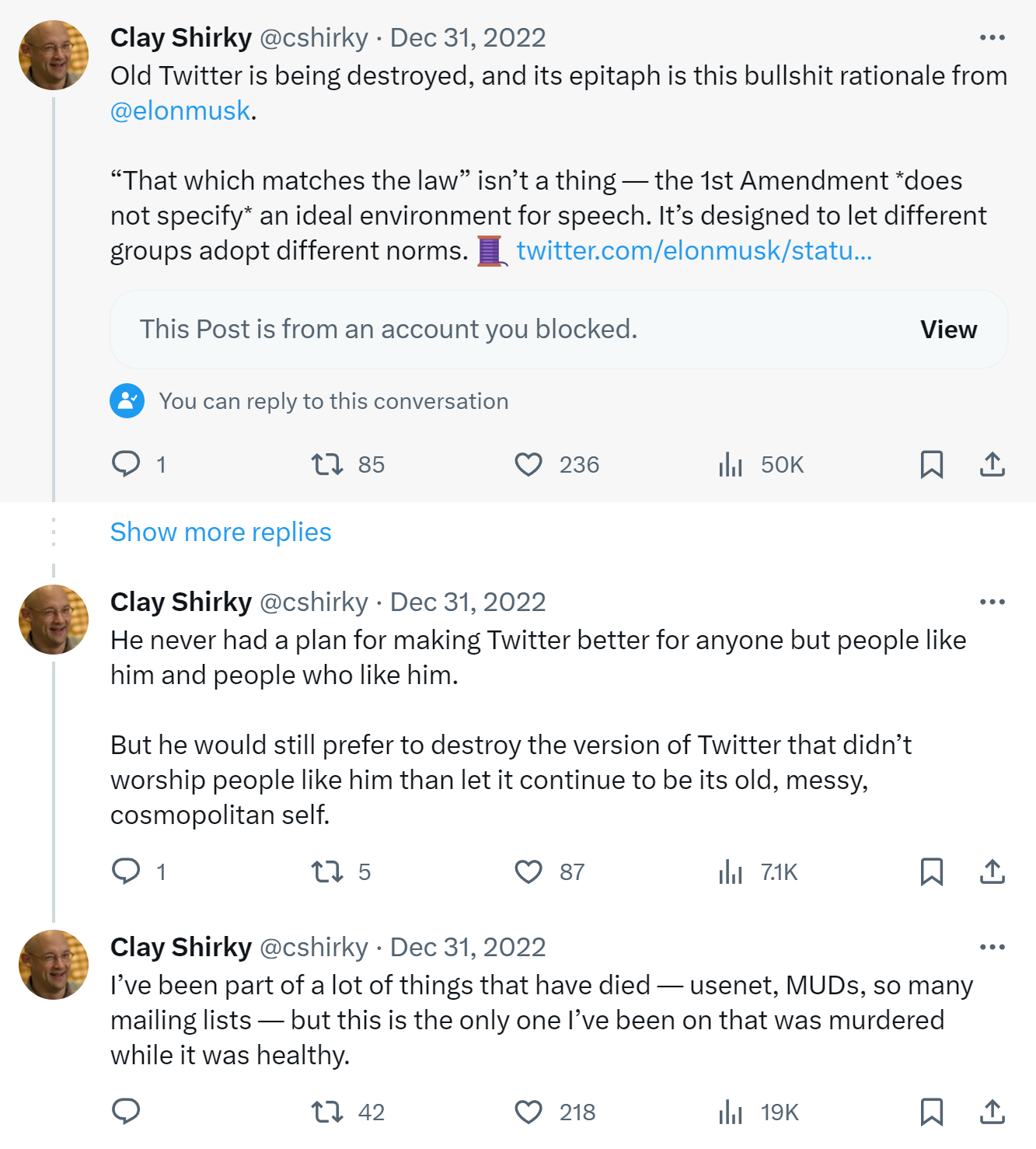
The original article eloquently captures a growing sentiment among tech observers and users: that the "early social media strategery of ‘jam a million people in a colosseum and let them fight it out with free speech’ isn’t panning out." This sentiment has been amplified by Twitter’s transformation, forcing a re-examination of the centralized model itself.
Proponents of decentralization argue that concentrating immense power over a global communication network in the hands of a single entity, especially one susceptible to the "whims of a billionaire going through a midlife crisis," creates an inherent fragility and risk. This risk manifests in several ways:
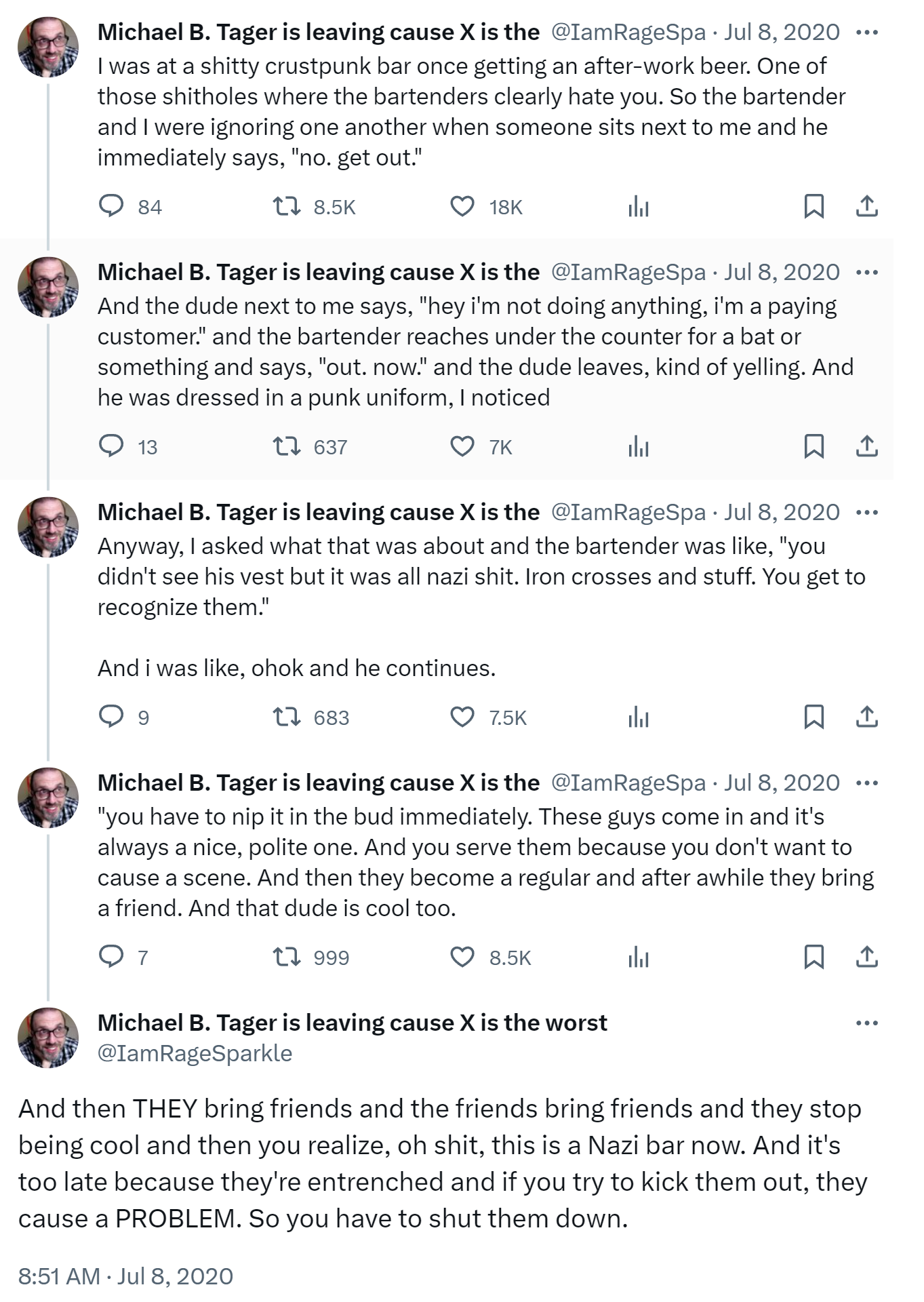
- Censorship and Control: A centralized platform can unilaterally impose or change content policies, leading to arbitrary censorship, suppression of dissenting voices, or, conversely, a free-for-all that allows harmful content to proliferate. The "Nazi bar" analogy used in the original article powerfully illustrates how unchecked or poorly managed moderation can allow undesirable elements to take root and eventually dominate a space.
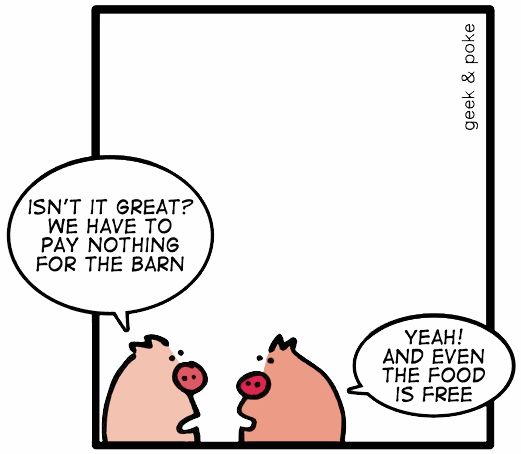
- Lack of User Agency: Users on centralized platforms are often described as "digital sharecroppers," investing their time, content, and data into a system they do not own or control. Their intellectual property, their network of connections, and their digital identity are beholden to the platform’s terms of service, which can change without meaningful user input.
- Vulnerability to Individual Whim: The dramatic changes at Twitter demonstrated how the vision, or indeed the personal biases, of a single leader can completely overhaul a platform, regardless of user preferences or the platform’s established culture. This creates an unstable environment where communities built over years can be dismantled overnight.
- Monetization Imperatives: Centralized platforms, especially those dependent on advertising, often prioritize engagement metrics above user well-being, leading to algorithms that promote sensationalism, outrage, and echo chambers. The "free" services they offer are not truly free, as users pay with their data, attention, and often, their mental health.
The Rise of Alternatives and the Fediverse
In response to Twitter’s perceived decline, there has been a notable surge in interest and migration towards alternative platforms, particularly those built on decentralized or federated principles.
- Mastodon: As highlighted in the original piece, Mastodon, an open-source, federated social network, experienced significant growth post-Musk acquisition. Unlike Twitter, Mastodon is not a single website but a network of independently run servers (instances) that can communicate with each other. This "fediverse" model allows communities to set their own rules and moderation policies, giving users more control over their experience and data. While often described as "messy" due to its distributed nature, advocates argue this complexity is a worthwhile trade-off for autonomy and resilience.
- Bluesky: Backed by Twitter co-founder Jack Dorsey, Bluesky is another decentralized social network built on the AT Protocol. It aims to offer a more open and programmable social media experience, where users and developers can build their own interfaces and moderation tools, fostering innovation and preventing single-point-of-failure control.
- Threads: Launched by Meta (Facebook’s parent company) in July 2023, Threads quickly garnered tens of millions of users, leveraging Instagram’s existing user base. While currently a centralized platform, Meta has expressed intentions to integrate Threads with the ActivityPub protocol, which powers Mastodon, potentially bridging the gap between centralized reach and federated interoperability.
- Discourse: Projects like Discourse, co-founded by the original article’s author, Jeff Atwood, exemplify the push for collective ownership and user empowerment. These platforms emphasize strong moderation tools, community-driven content, and a focus on fostering healthy, niche discussions rather than massive, unruly public squares. They represent a philosophical shift towards valuing quality of interaction and user control over sheer scale and advertiser-driven metrics.
Empowering Users: The Decentralization Imperative
The call for decentralization is not merely a technical preference but a philosophical stance on the future of online interaction. It champions the idea that users should be empowered with tools and control over their digital lives, rather than being exploited as data points or passive consumers.
The benefits of decentralized models, despite their inherent complexities, are increasingly compelling:
- Resilience and Censorship Resistance: No single entity can unilaterally shut down or censor an entire decentralized network. If one server goes down or imposes unpopular rules, users can migrate to another without losing their connections or identity.
- Community Autonomy: Individual communities can establish and enforce their own norms and moderation standards, fostering environments tailored to their specific needs and values.
- Data Portability and Ownership: Users have greater control over their data, making it easier to migrate between services and reducing the risk of being locked into a single platform.
- Innovation: Open protocols encourage a wider ecosystem of developers to build new tools and applications, fostering creativity and diverse user experiences.
While decentralization presents challenges, such as discoverability, ensuring consistent moderation across diverse instances, and the need for users to take more active roles in their online governance, the argument is that these difficulties are akin to the "messiness of democracy" – a necessary effort for a more resilient and equitable digital future.
Broader Implications for the Digital Future
The saga of Twitter’s transformation into X serves as a potent case study with far-reaching implications for the entire digital ecosystem. It has underscored the profound impact a single individual can have on global communication infrastructure and has accelerated the critical discussion about who controls the digital public square.
This pivotal moment is forcing a re-evaluation of:
- Platform Governance: The need for more transparent, accountable, and potentially democratized governance models for platforms that serve public interest functions.
- User Rights and Data Sovereignty: The imperative to establish clearer rights for users regarding their data, content, and online identity, moving away from a model where platforms dictate terms.
- The Business Model of Social Media: A renewed scrutiny of ad-supported "free" services and a growing interest in alternative, subscription-based, or community-funded models that align incentives with user well-being rather than just engagement.
- The Role of Technology in Society: A deeper introspection into how technology can be designed to empower individuals and foster healthy communities, rather than concentrate power or exploit human psychology.
In conclusion, the dramatic overhaul of Twitter under Elon Musk has not only marked the end of an era for a prominent social media platform but has also ignited a fundamental debate about the very architecture of our digital interactions. The perceived "murder" of a once-healthy platform at the hands of a centralized authority has inadvertently done a "favor" by vividly illustrating the perils of such concentrated power. As users and developers increasingly turn towards decentralized, open-source, and community-driven alternatives, the future of social media appears to be diverging from the monolithic, king-like structures of the past towards a more distributed, resilient, and user-empowered landscape. This transition, while undoubtedly complex and "messy," is increasingly seen as the only sustainable long-term path forward for fostering truly healthy and democratic online spaces.
About the Author