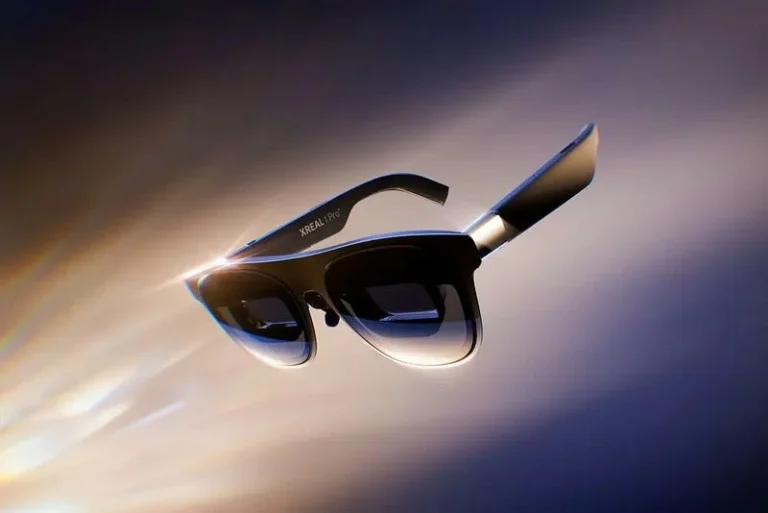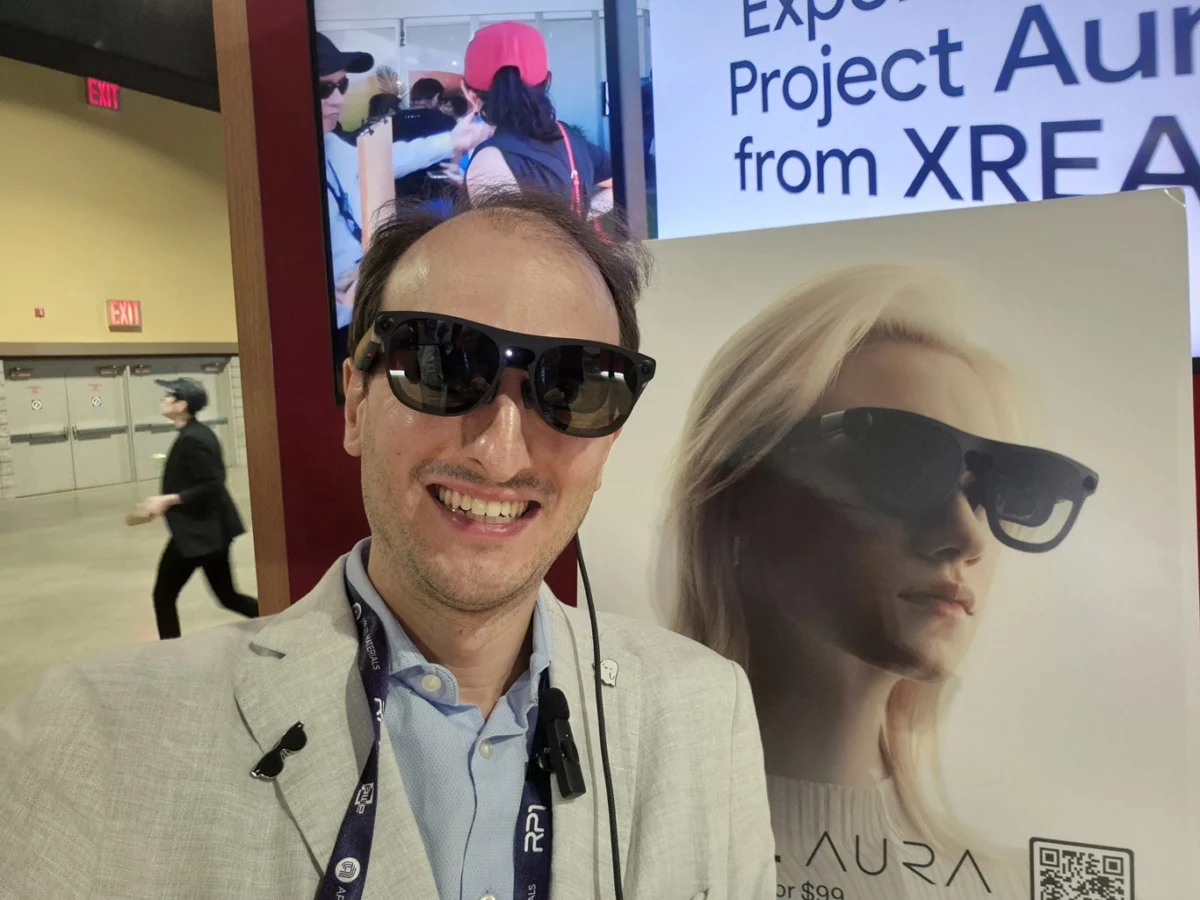
XREAL has officially disclosed the pricing and regional availability for its highly anticipated Aura augmented reality glasses, signaling a new phase in the competition for high-end spatial computing wearables. The Aura device, which has been positioned as a premium solution for productivity and media consumption, will be available in two primary configurations: a base model featuring 12GB of RAM and 256GB of storage priced at $1,279, and a high-performance unit with 16GB of RAM and 512GB of storage retailing for $1,499. While pre-orders have transitioned to final purchases with shipping expected to commence before the winter holiday season, the announcement was met with mixed reactions due to significant geographical restrictions.
Regional Market Fragmentation and Regulatory Challenges
In a move that has surprised industry analysts, XREAL confirmed that the Aura glasses will only be available for purchase in the United States, Canada, Japan, and Korea. Consumers in the European Union and Australia, who had previously been permitted to make reservations, are being issued full refunds as XREAL halts its launch plans in those territories. The company cited the need for "additional time for regional optimization," specifically regarding localized app ecosystems and infrastructure.
However, market observers suggest that the retreat from the European market may be linked to the stringent requirements of the EU AI Act and General Data Protection Regulation (GDPR). The Aura glasses integrate advanced AI features, including Google’s Gemini, which may require complex compliance adjustments to meet European standards for data privacy and algorithmic transparency. This development highlights a growing trend of "digital tiering," where European consumers face delayed or canceled releases of advanced XR and AI hardware due to the diverging regulatory landscapes between the East, the West, and the European Union.

Pimax Expands High-End PCVR Ecosystem with Crystal Pro and Spation
Simultaneous with the XREAL news, Pimax has unveiled its latest hardware roadmap, aimed squarely at the enthusiast PCVR market. The company announced the Pimax Crystal Pro, a wireless-capable headset designed to compete with high-fidelity PCVR solutions. The Crystal Pro features a resolution of 2,880 x 2,880 pixels per eye, a 110-degree horizontal field of view, and a refresh rate of up to 120Hz. To maintain visual fidelity without the constraints of a physical tether, the device utilizes integrated eye-tracking to facilitate foveated streaming, a technique that reduces rendering load by only delivering maximum detail to the user’s point of focus.
Pimax also introduced the Spation, a compact, high-performance mini-PC designed specifically for XR applications. The Spation will be available with top-tier specifications, including options for the AMD RX 9070 XT or the NVIDIA RTX 5070 Ti. When bundled with the Crystal Pro and the proprietary Pimax 60G AirLink antenna—which claims to offer uncompressed image transmission with only 2ms of latency—the total package price is set at $1,899. This hardware suite represents a direct challenge to Valve’s rumored "Steam Frame" ecosystem, positioning Pimax as a high-spec alternative for users unwilling to wait for Valve’s supply chain to stabilize.
The PCVR Renaissance: Software Mods and Hardware Scarcity
The PCVR sector is currently experiencing a paradoxical shift. While hardware manufacturers like Meta focus on standalone devices, the community has seen a resurgence of interest driven by high-quality software modifications. The release of a VR mod for Titanfall 2 has garnered universal acclaim, with critics noting that the depth, narrative length, and graphical fidelity of the 2016 title provide the "full game" experience often missing from native VR titles. This success has sparked an industry-wide debate regarding the necessity of VR-native development versus the potential of high-fidelity "flat-to-VR" ports to sustain the medium.
However, the hardware required to power these experiences is facing new pressures. Reports indicate that NVIDIA may have halted the production of its flagship RTX 5090 graphics cards. Sources suggest that NVIDIA is prioritizing the allocation of its high-end silicon for AI data centers and professional workstations, where profit margins are significantly higher than in the consumer gaming market. This pivot toward AI infrastructure could lead to a supply drought for PCVR enthusiasts, potentially driving the price of remaining stock to unprecedented levels. Consequently, rumors suggest a revised RTX 5080 with 24GB of VRAM may become the new de facto flagship for the gaming community.

Strategic Developments in Smartglasses and Enterprise Wearables
The smartglasses sector continues to evolve as companies move beyond consumer entertainment into enterprise and specialized AI applications. Meta has announced an expansion of its wearable line with the Oakley Meta Vanguard, designed specifically for industrial and enterprise environments. These glasses meet Z87 and Z87+ safety standards, featuring fully transparent lenses suitable for manufacturing and laboratory settings. This move indicates Meta’s intent to challenge established players like Microsoft (HoloLens) and Magic Leap by leveraging its existing Ray-Ban Meta hardware architecture for the B2B sector.
In the startup space, Sesame—led by Oculus founders Brendan Iribe and Nate Mitchell—is reportedly targeting a 2027 launch for its AI-centric smartglasses. Eschewing traditional partnerships with major fashion houses, Sesame has collaborated with Japanese designers to focus on a "natural and pleasant" user interface. The company’s strategy revolves around an AI assistant capable of sophisticated, human-like conversation, positioning the device more as a personal companion than a traditional display peripheral.
Platform Updates and Industry Milestones
The broader XR ecosystem has seen several significant logistical and platform updates this week:
- Valve’s Steam Frame Logistics: Continued delays have pushed shipping estimates for some Steam Frame reservation holders into 2027. The extended timeline suggests ongoing manufacturing challenges as Valve attempts to scale its new hardware platform.
- Meta HorizonOS Improvements: The latest Public Test Channel (PTC) update for Meta Quest devices introduces a revamped 2D window management system, a native QR code reader, and an improved virtual keyboard. Data miners also discovered evidence of a new high-fidelity "Cinema Environment" optimized for movie viewing on both Quest headsets and future VR glasses.
- Road to VR 15th Anniversary: One of the industry’s longest-running publications, Road to VR, celebrated 15 years of coverage. Co-founder Ben Lang has stepped down as Executive Editor to join Viture, with veteran journalist Scott Hayden assuming the lead editorial role.
- Apple Immersive Events: Apple has scheduled a specialized event for November 11th in Cupertino, aimed at XR storytellers. The event will focus on tools for creating immersive content and live event production for the Apple Vision Pro ecosystem.
Regulatory and Social Implications
The rapid adoption of smartglasses is beginning to trigger legislative responses. In Norway, lawmakers have proposed a temporary ban on smartglasses in public places, citing concerns over privacy and unauthorized recording. This follows similar debates in other European nations and underscores the social friction accompanying the transition from handheld devices to face-worn technology.

As the XR industry enters the final quarter of the year, the divergence between high-end PC-tethered experiences and accessible standalone wearables is becoming more pronounced. While companies like XREAL and Pimax push the boundaries of display technology and processing power, the industry remains tethered to global supply chain fluctuations and an increasingly complex international regulatory environment. The success of these upcoming launches will likely depend as much on regional policy compliance as on technical innovation.
About the Author