The release of Batman: Arkham City in 2011 solidified the notion that the Caped Crusader could not only thrive but also define excellence in the interactive entertainment medium, moving beyond the confines of comic books and cinematic adaptations. Developed by Rocksteady Studios, this critically acclaimed title served as a bolder, more expansive successor to 2009’s groundbreaking Batman: Arkham Asylum, masterfully capturing the intricate essence of a compelling Batman narrative: a rich tapestry woven with history, deep-seated grudges, and often-reluctant mutual respect between hero and villain. This narrative depth was a key factor in the game bagging numerous prestigious awards, including the accolade for Best Writing in a Video Game, a testament to its exceptional dialogue that ensured each character possessed a distinct voice and delivered unforgettable lines, making the experience enduringly memorable.
Genesis and Evolution of the Arkhamverse
The journey to Arkham City began with Batman: Arkham Asylum, which, upon its release, revolutionized the superhero video game landscape. Prior to 2009, licensed superhero games often struggled to deliver a compelling experience that resonated with the source material while also offering engaging gameplay. Arkham Asylum shattered this paradigm, presenting a dark, atmospheric, and narratively driven adventure set within the infamous Arkham Asylum. Its success was immediate and profound, earning widespread critical praise for its innovative combat system, detective mechanics, faithful portrayal of Batman and his rogues’ gallery, and a tight, focused story penned by veteran Batman writer Paul Dini. This foundation created immense anticipation for a sequel, placing considerable pressure on Rocksteady Studios to not just replicate but elevate their previous achievement.
Rocksteady’s ambition for Arkham City was to expand the scope dramatically while retaining the intimate character focus that made its predecessor so successful. The concept of an entire section of Gotham City being walled off and repurposed as a vast, lawless super-prison for criminals and political dissidents—Arkham City—was a bold narrative choice. This idea drew inspiration from classic comic storylines like "No Man’s Land," where Gotham was similarly isolated and plunged into anarchy. The development team, led by Sefton Hill and Jamie Walker, sought to create an open-world environment that felt both expansive and claustrophobic, a fitting paradox for Batman’s world. Paul Dini returned as lead writer, ensuring continuity in the narrative voice and character interpretations.
Narrative Structure and Core Conflict
Batman: Arkham City plunges players directly into a perilous scenario where Bruce Wayne, in his civilian identity, is arrested by TYGER security forces and thrown into Arkham City by its enigmatic warden, Dr. Hugo Strange. Strange, who mysteriously knows Batman’s secret identity, initiates "Protocol 10," a sinister plan aimed at eradicating the prison’s inmate population. Simultaneously, Batman finds himself infected with the Joker’s poisoned blood, a consequence of the previous game’s events, forcing him to race against time to find a cure not only for himself but for others afflicted. This dual threat—stopping Protocol 10 and securing a cure—forms the central thrust of the game’s intricate plot.
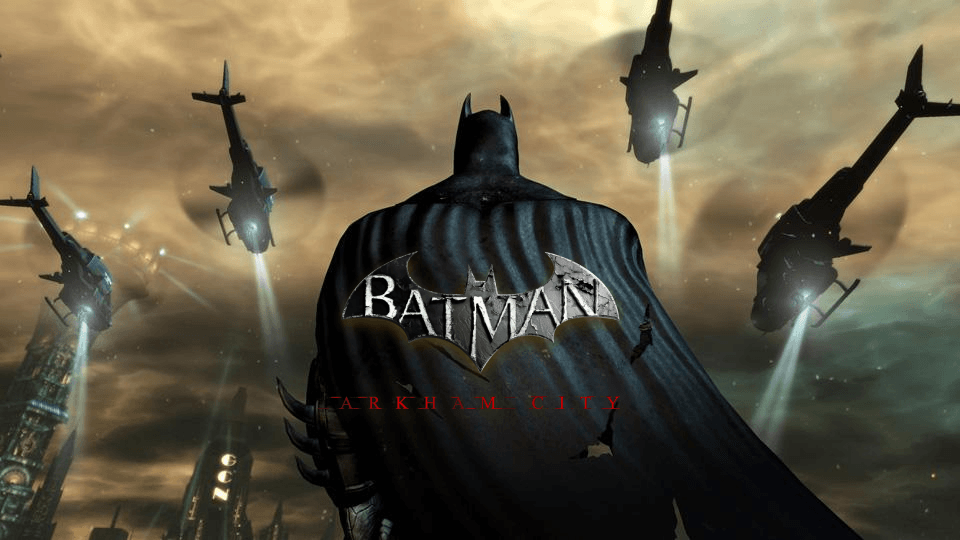
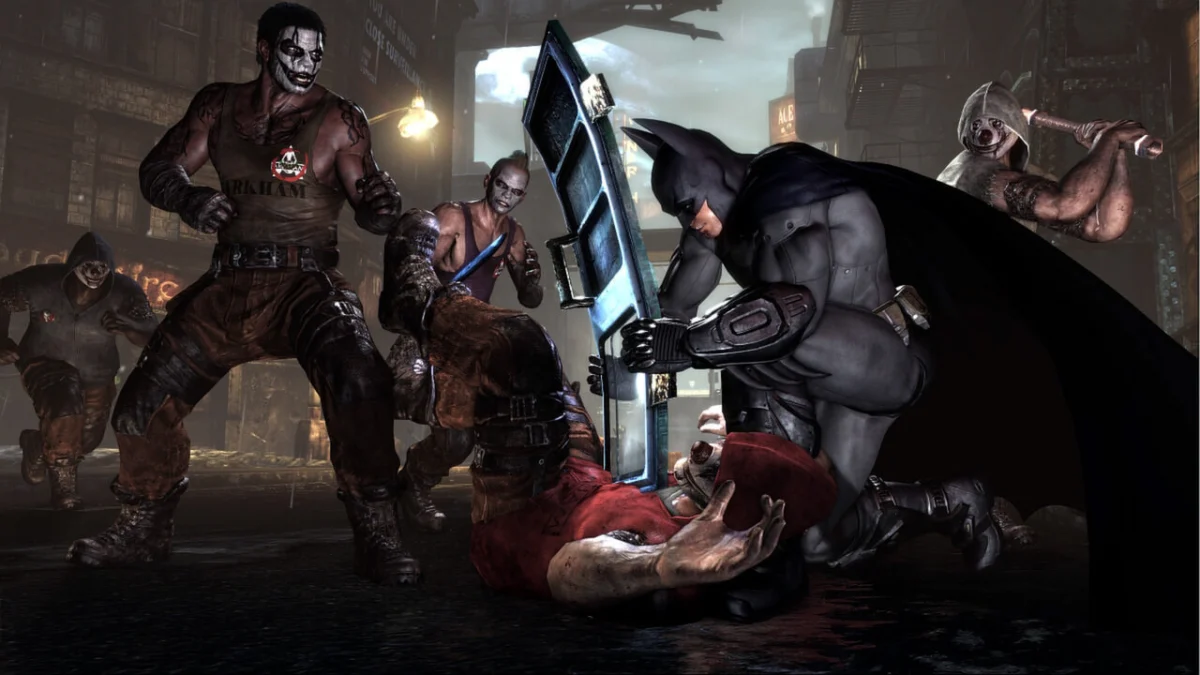
The gameplay experience seamlessly blends rooftop gliding, visceral combat against hordes of thugs, and meticulous detective work. It delivers an ultimate open-world power fantasy, allowing players to truly embody the Caped Crusader. However, the game’s true brilliance lies in its character-driven narrative. Every major character, from the main antagonists like the Joker, Hugo Strange, and Ra’s al Ghul, to secondary villains such as Penguin, Two-Face, and Mr. Freeze, operates with their own distinct agendas. These motivations—ranging from freedom, immortality, and power to revenge and chaos—create a dynamic and often intersecting web of conflicts. The constant presence of Batman’s entire rogues’ gallery, trapped alongside him, transforms Arkham City into a personal reckoning, where old wounds are reopened, and moral lines are continually tested.
Chronology of Acclaim and Commercial Success
Batman: Arkham City was officially announced in late 2010, building on the critical momentum of Arkham Asylum. The anticipation for the game was immense, fueled by early trailers that showcased its expanded scope and impressive visual fidelity. The game launched to widespread critical acclaim in October 2011, first in North America, followed by Europe and other territories. Review aggregators like Metacritic awarded the game a Metascore of 96/100 for the PlayStation 3 and Xbox 360 versions, indicating "universal acclaim." Critics lauded its refined combat, seamless open-world design, and, crucially, its compelling storyline and character interactions.
Commercially, the game was an immediate success. Within its first week, it sold over 4.6 million units worldwide, significantly surpassing its predecessor’s initial sales figures. By early 2012, global sales exceeded 6 million copies, cementing its status as one of the fastest-selling games of the year and a major commercial triumph for Warner Bros. Interactive Entertainment and Rocksteady Studios.
The game’s critical and commercial success translated into a multitude of awards. It was nominated for and won numerous "Game of the Year" honors from prestigious publications and award shows, including the Spike Video Game Awards (now the Game Awards), IGN, and Eurogamer. Among its most significant accolades was the BAFTA Games Award for Best Story and the Writers Guild of America Award for Videogame Writing, explicitly recognizing the strength and nuance of its script and dialogue. These awards underscored a broader industry recognition of video games as a legitimate medium for sophisticated storytelling.
Thematic Depth and Dialogue as a Narrative Pillar
What truly distinguishes Batman: Arkham City is its unwavering commitment to thematic depth, primarily conveyed through its exceptional writing and dialogue. The game explores complex themes such as justice versus vengeance, morality in the face of absolute evil, and the intricate psychological dance between hero and villain. The dialogue serves not merely to advance the plot but to illuminate character motivations, expose vulnerabilities, and challenge the player’s understanding of heroism.
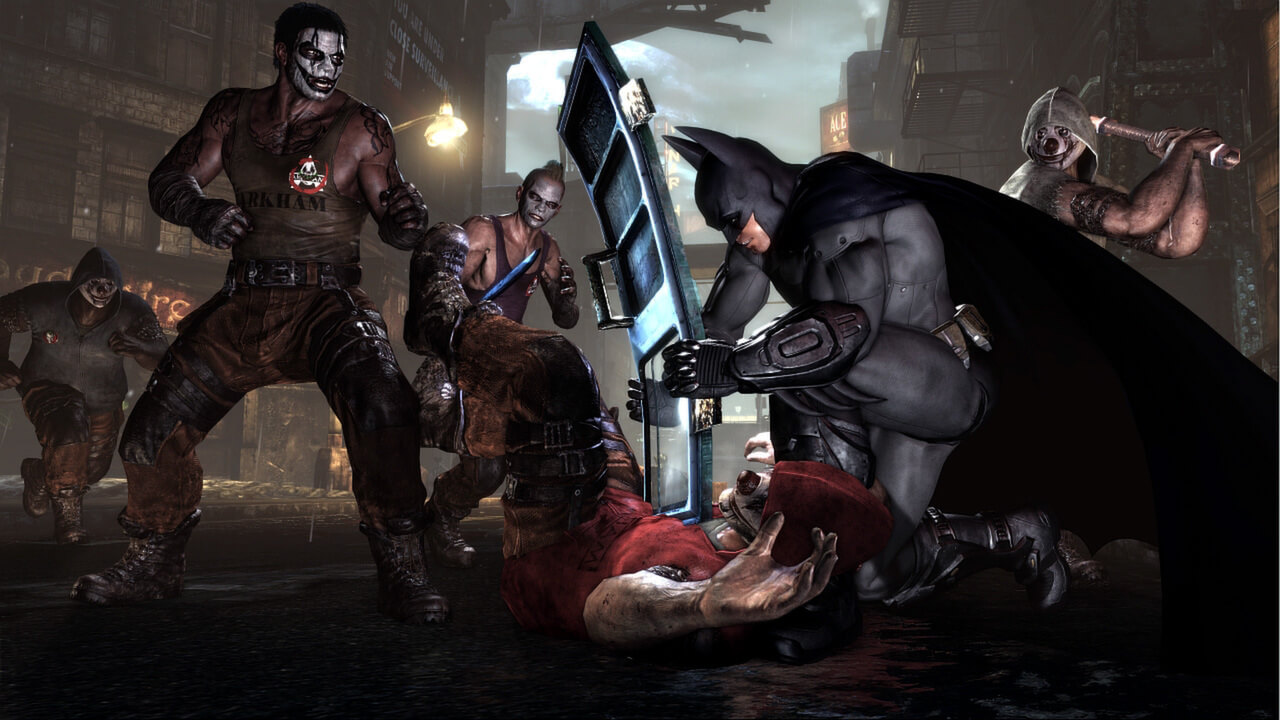
Batman (Bruce Wayne): As the primary protagonist, Batman’s dialogue is characterized by its brevity, directness, and moral gravitas. He is at his most controlled, even when facing overwhelming odds or personal peril, rarely succumbing to panic. His lines often cut through the chaos, reflecting his unwavering commitment to his code of ethics. For instance, his interactions frequently underscore his refusal to kill, even when confronted by the most heinous criminals, showcasing his belief that true justice means holding onto humanity amidst endless darkness. This moral steadfastness, often delivered in stark, declarative statements, reinforces his role as Gotham’s ultimate protector and a beacon of hope, however grim the circumstances.
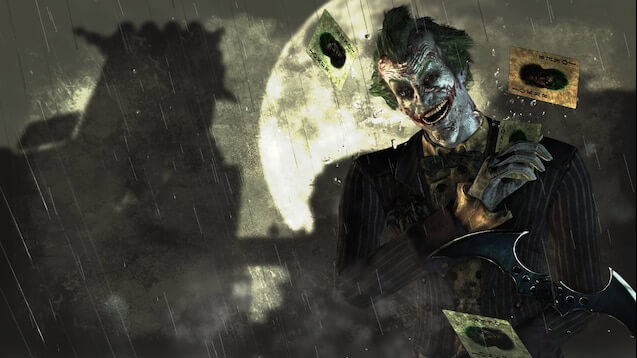
The Joker: The Joker, voiced by the iconic Mark Hamill, is a central antagonist whose malevolent, twisted humor and psychopathic nature infuse every line with chilling memorability. His dialogue is a masterclass in villainous wit, serving to both taunt Batman and articulate a nihilistic worldview that fundamentally opposes the Dark Knight’s ordered justice. His pronouncements often reveal a perverse understanding of human nature and a chaotic philosophy that sees the world as a joke. The nuanced performance and expert writing ensure that even his most deranged lines contribute to the game’s dramatic tension and psychological warfare.
Catwoman (Selina Kyle): Catwoman introduces a dynamic contrast to Batman’s stoicism and Joker’s madness. As a high-profile burglar, she is confident, sarcastic, and primarily driven by self-interest. Her dialogue often reflects a pragmatic, street-smart perspective, laced with flirtatious banter and cynical observations. Yet, beneath this veneer of self-preservation, her lines occasionally betray a deeper sense of morality and a complex, often ambiguous, affection for Batman. Her distinct voice provides moments of levity and human connection, showcasing that even within Arkham City’s despair, shades of grey and unexpected alliances can form.
Other Characters: The game excels at providing every character, regardless of their screen time, with a unique voice that contributes to the rich narrative tapestry. Dr. Hugo Strange’s ominous, authoritative pronouncements underscore his manipulative intellect and absolute control over Arkham City. Ra’s al Ghul’s ancient wisdom and fanatical conviction are palpable in his philosophical exchanges. Even secondary characters like the Penguin, Two-Face, and Mr. Freeze deliver lines that perfectly encapsulate their personalities and motivations, ensuring no character feels generic or underutilized. This meticulous attention to character distinction through dialogue makes the world of Arkham City feel incredibly alive and deeply interconnected.
Official Responses and Developer Insights
Rocksteady Studios has consistently expressed a deep reverence for the Batman mythos, with their core philosophy revolving around creating the most authentic and immersive Batman experience possible. The success of Arkham City‘s writing is inextricably linked to the collaborative efforts of Paul Dini and the voice cast. Kevin Conroy, who has voiced Batman for decades across various media, brought a gravitas and familiarity to the role that resonated deeply with fans. Mark Hamill’s portrayal of the Joker, which he initially believed would be his last, was a tour de force, imbuing the character with an unforgettable blend of menace and mirth. Their chemistry, honed over years, was a crucial component in elevating the game’s dialogue from mere exposition to genuinely iconic exchanges.
The developers often spoke about their desire to make players "feel like Batman," and the writing played a significant role in achieving this. By crafting scenarios that tested Batman’s moral limits and forcing him to confront his past failures through his rogues, the narrative fostered a deeper connection between the player and the character. The dialogue was designed to be impactful, whether it was Batman’s terse interrogations, the Joker’s philosophical taunts, or Catwoman’s sardonic remarks.
Broader Impact and Implications
Batman: Arkham City’s narrative excellence had far-reaching implications, extending beyond its immediate critical and commercial success. It firmly established the "Arkhamverse" as a benchmark for licensed superhero games, proving that deep, character-driven storytelling could coexist with engaging gameplay. Its influence can be seen in subsequent superhero titles, such as Marvel’s Spider-Man series, which similarly prioritize rich narratives and authentic character portrayals.
Furthermore, Arkham City contributed significantly to the broader recognition of video games as a legitimate storytelling medium. Its award for Best Writing, alongside other story-driven games of its era, helped to dismantle outdated perceptions of games as solely recreational or lacking in narrative sophistication. It demonstrated that interactive media could explore complex themes, develop intricate characters, and deliver emotionally resonant experiences on par with other art forms.
The game’s success also solidified the enduring appeal of Batman as a cultural icon, showcasing his adaptability across different media. The "Arkhamverse" became a significant iteration of the Batman mythos, inspiring tie-in comics, animated features, and further video game installments, including Batman: Arkham Knight. Its ability to appeal to both long-time fans and new audiences, through its compelling narrative and unforgettable dialogue, cemented its place as a pivotal moment in the history of both video games and the superhero genre.
In conclusion, Batman: Arkham City remains a towering achievement in video game storytelling. Its masterful script, distinct character voices, and memorable dialogue were not merely embellishments but fundamental pillars that supported a complex, emotionally resonant narrative. By proving that a superhero game could deliver profound thematic depth and award-winning writing, Rocksteady Studios not only created an unforgettable experience but also set a new standard for interactive storytelling, cementing Batman’s legacy in the digital realm.
About the Author