The landscape of labor relations within the video game industry, particularly among major publishers and developers, has been undergoing a significant transformation in recent years, marked by a growing wave of unionization efforts. However, not all such endeavors achieve their intended outcome, as evidenced by the recent withdrawal of a unionization petition at Double Fine Productions. In May 2026, employees at Double Fine, then operating as a subsidiary under the vast Microsoft Xbox Game Studios umbrella, took a decisive step by filing a petition to unionize. This move was initially perceived as another potential success story, following in the footsteps of sibling organizations like Blizzard Entertainment and ZeniMax, both of which had seen successful union drives and contract ratifications under Microsoft’s ownership. Yet, a comprehensive report from Kotaku has since unveiled a far more intricate and contentious narrative, revealing that from the moment union organizers publicly stepped forward, they became embroiled in a studio-wide conflict that ultimately led to the petition’s withdrawal.
The Context: A Shifting Tide in Game Development Labor
The push for unionization in the video game industry gained substantial momentum in the early 2020s, fueled by long-standing concerns over issues such as "crunch culture" – the practice of mandatory, extended work hours, often unpaid, leading up to game releases – job insecurity, lack of transparent compensation structures, and a desire for greater employee agency in workplace decisions. Developers, often passionate about their craft, frequently found themselves working under intense pressure, with little recourse for collective bargaining.
Microsoft, a titan in the tech and gaming sectors, found itself navigating this evolving labor landscape, particularly after its significant acquisitions. Following the acquisition of ZeniMax Media (parent company of Bethesda Softworks and Arkane Studios) and Activision Blizzard, Microsoft adopted a largely neutral stance on unionization. This approach allowed for successful union drives at ZeniMax in 2023 and at Blizzard Entertainment’s quality assurance department in 2024, culminating in historic contracts covering hundreds, and in Blizzard’s case, thousands of employees. These precedents set a hopeful tone for other studios within the Xbox ecosystem, including Double Fine.
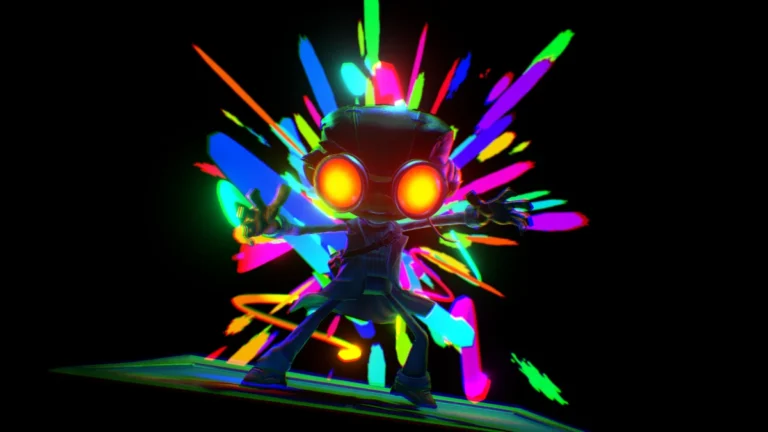
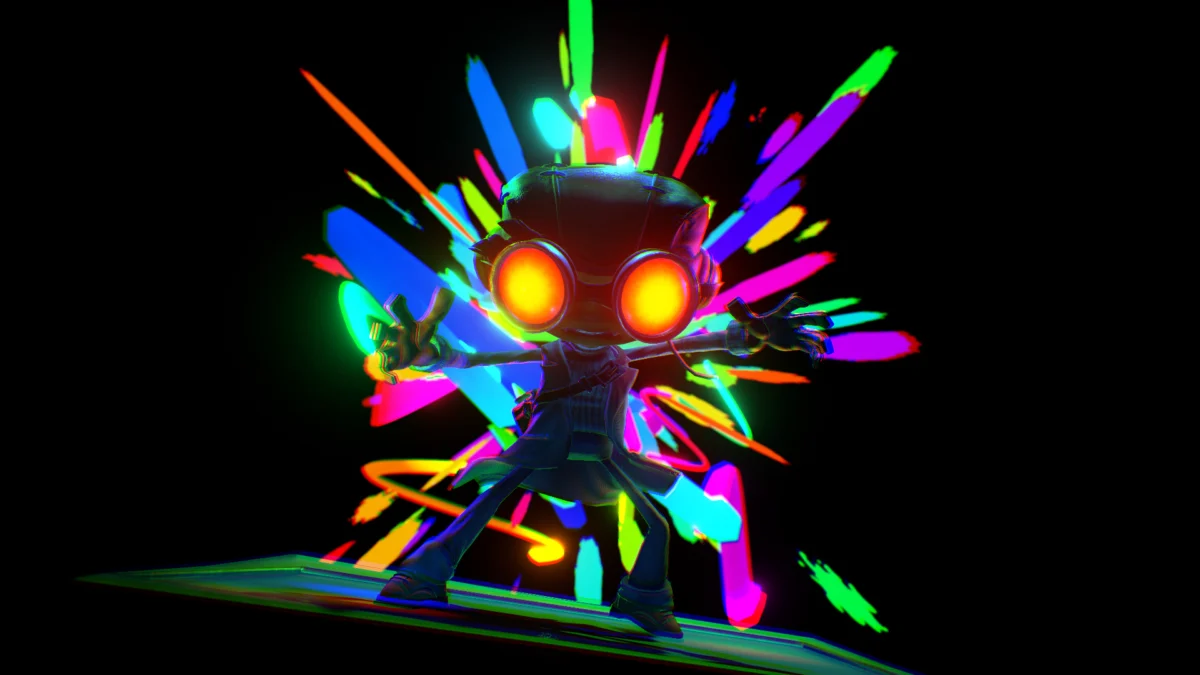
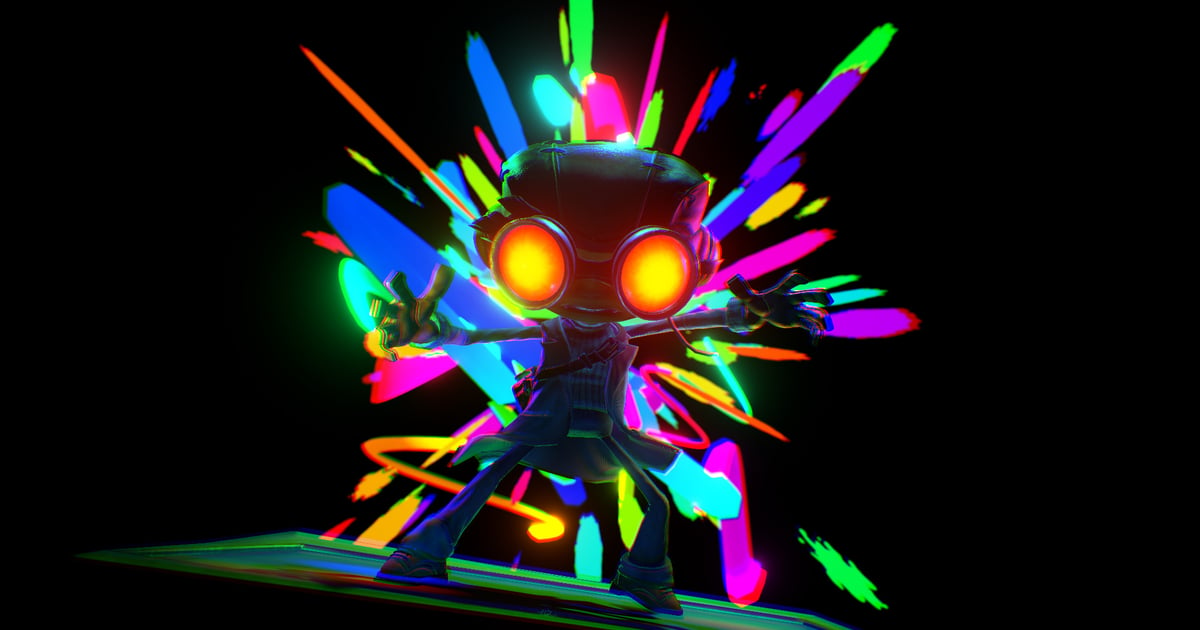
Double Fine Productions, known for its critically acclaimed, creatively distinct titles like Psychonauts 2 and Brütal Legend, had long cultivated a reputation for a more relaxed, "developer-friendly" environment, often associated with its founder and CEO, Tim Schafer. This perceived unique culture, however, would later become a focal point of contention during the unionization drive.
A Chronology of Discord: The Failed Unionization at Double Fine
The recent unionization attempt at Double Fine was not an isolated incident but rather the second significant effort within the studio’s history.
2019: The First Stirrings of Unionization
The initial seeds of a union drive were sown as early as 2019. This period saw a heightened awareness of labor rights in the tech industry, and the sentiment was bolstered by an affirming comedy set delivered by studio founder Tim Schafer at the Game Developers Conference (GDC) 2019, where he publicly celebrated the concept of unions. This apparent endorsement from leadership, albeit in a comedic context, resonated with some employees, sparking preliminary discussions about organizing. However, this nascent drive was ultimately stymied, primarily by the onset of the global COVID-19 pandemic in early 2020, which shifted priorities and disrupted in-person organizing efforts, effectively putting the movement on hold.
22023: "The Bad Meeting" and Lingering Tensions
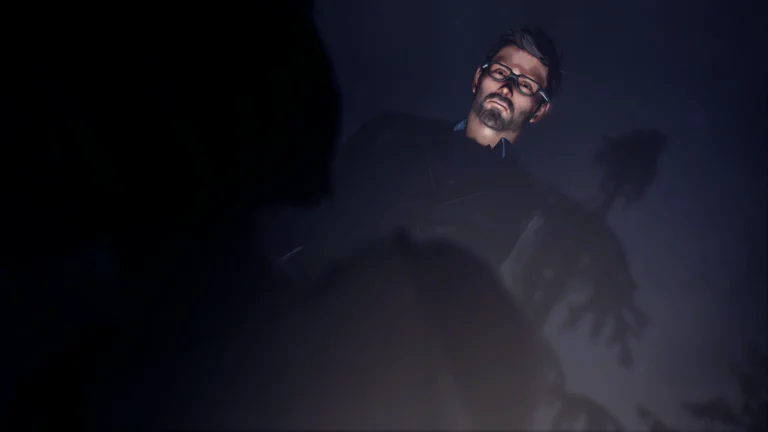
Prior to the formal petition in 2026, a significant event, known internally as "The Bad Meeting," occurred in 2023. This meeting, later documented in the Double Fine PsychOdyssey documentary, was a group discussion regarding potential crunch periods. While the documentary depicted a heated but ultimately contained discussion, sources speaking to Kotaku indicated that the reality was far more hostile and emblematic of a reported social divide already present within Double Fine’s work culture. This meeting highlighted underlying tensions and divergent perspectives on workplace practices, foreshadowing the more intense conflicts that would emerge during the union drive. The event underscored a perceived rift within the studio, an "us-versus-them" mentality that would resurface with greater intensity.
May 2026: The Petition is Filed
Emboldened by the successes at other Microsoft-owned studios and a renewed sense of urgency, Double Fine employees officially filed a petition to unionize in May 2026. The organizers aimed to improve working conditions, ensure fair compensation, and provide a collective voice for employees in a studio that, despite its creative reputation, faced the same industry pressures as its peers.
The Heart of the Conflict: Culture, Law, and Interpersonal Strife
The core of the conflict that ultimately derailed the unionization effort lay in a complex interplay between Double Fine’s unique, loose organizational culture and the rigid eligibility requirements stipulated by US federal labor law.
Navigating US Labor Law: The Managerial Dilemma
Under the National Labor Relations Act (NLRA) in the United States, employees classified as "managers" or "supervisors" – individuals with the authority to hire, fire, promote, or discipline other employees, or to effectively recommend such actions – are generally excluded from joining unions alongside rank-and-file workers. This legal distinction is designed to prevent conflicts of interest, as managers are considered agents of the employer.
Double Fine’s organizational structure, famously described as "flat," presented a significant challenge in this regard. Unlike more hierarchical studios with clearly defined managerial tiers, Double Fine’s collaborative and often fluid project-based teams meant that many employees, at various points in their careers or during specific project phases, might have held responsibilities that could be construed as managerial under US law. This ambiguity created a "thorny" question of eligibility, as it became difficult to definitively determine who could and could not join the proposed union. Attempts to clarify these distinctions were reportedly hampered by internal resistance and suspicion.
The "Culture" Argument: A Double-Edged Sword
Adding to the legal complexities was a strong sentiment among some employees that Double Fine’s distinctive work culture "didn’t need" a union. This perspective, often rooted in a genuine appreciation for the studio’s collaborative spirit and creative freedom, became a significant point of contention. Opponents of the union reportedly feared that formal unionization would introduce bureaucracy, stifle creativity, and ultimately destroy the very cultural fabric that made Double Fine unique. This argument, while understandable from a certain viewpoint, often overlooked the protections and benefits that collective bargaining could offer, even to employees in a seemingly positive work environment.
Escalation of Interpersonal Hostility
The Kotaku report painted a stark picture of how these fundamental disagreements escalated into intense interpersonal conflict within the studio. Communications between employees allegedly broke down, and interactions between union supporters and those who opposed it became increasingly antagonistic.
One particularly disturbing account described an unidentified employee, who was eligible to join the union, openly and loudly voicing opposition in the workplace. This individual reportedly "yelled at" a colleague over the union issue, bringing them to tears. Such incidents underscored a deep social divide that the union drive exposed and exacerbated, transforming a workplace discussion into a source of emotional distress and fractured relationships. One manager, ineligible to join the union, described feeling "astounded at the immense dysfunction" they witnessed. Another ineligible worker observed pro-union employees diligently trying to answer questions and clarify procedures in unofficial channels, while anti-union sentiment, from both eligible and ineligible workers, was vocally expressed in company channels, creating an "us-versus-them" atmosphere.
Leadership’s Stance and the CEO’s Dilemma
Studio founder and CEO Tim Schafer provided an hour-long interview to Kotaku, offering his perspective on the unfolding events. When questioned about his or other leaders’ apparent non-intervention as arguments between employees escalated, Schafer emphasized his desire to remain uninvolved in the unionization conversations due to his role as CEO.
"I felt like I couldn’t interfere between eligible employees talking," Schafer stated, highlighting the legal tightrope employers must walk during union drives. Under the NLRA, employers are prohibited from interfering with, restraining, or coercing employees in the exercise of their rights to organize or not to organize. Direct intervention, even with good intentions, can be perceived as unlawful interference. This legal constraint often places leadership in a difficult position, where inaction, while legally sound, can be perceived by employees as indifference or a failure to address a deteriorating work environment.
July 2026: Layoffs and Lingering Questions
Just two months after the union petition was filed, Double Fine Productions announced layoffs affecting 23 employees in July 2026. Significantly, all eight of the known union organizers were among those laid off. This coincidence immediately raised questions and concerns, particularly given the timing and the recent failure of the union drive.
When pressed on whether there was any link between the failed unionization effort and the layoffs, Schafer unequivocally denied any connection. "That’s definitely not the reason," he asserted. "We didn’t target people for layoffs." He intimated that the company’s priority during the restructuring was to retain "who we most desperately need to make these games," suggesting that the layoffs were a strategic decision based on project needs and skill sets.
The laid-off workers confirmed to Kotaku that they received a "generous severance package," which Schafer indicated was designed to "match Microsoft," implying an adherence to the parent company’s standards for employee separation. Despite these assurances, the optics of the situation inevitably led to speculation and fueled skepticism among some, underscoring the delicate balance of trust and transparency in post-unionization-attempt environments. Industry-wide layoffs, particularly within Xbox Game Studios, were also a prevailing trend during this period, adding another layer of complexity to interpreting the motives behind the reductions.
Broader Impact and Implications
The saga at Double Fine Productions offers a potent case study on the complexities of unionization in the creative industries, particularly within organizations that value a distinct "culture" and operate with less traditional hierarchies.
Lessons for Future Union Drives:
The experience at Double Fine highlights several critical factors for future unionization efforts:
- Clarity on Eligibility: The ambiguity surrounding managerial roles in flat organizations underscores the need for clear communication and legal guidance on who is eligible to join a union from the outset. Misunderstandings can be exploited by opponents and sow confusion.
- Managing Internal Conflict: The intensity of the interpersonal conflict demonstrates that internal resistance can be as significant a hurdle as employer opposition. Strategies for respectful dialogue, mediation, and addressing misinformation are crucial.
- The "Culture" Argument: Organizers must be prepared to address arguments that unionization will harm a cherished company culture. Framing how a union can protect or enhance culture (e.g., by formalizing protections against crunch, ensuring fair treatment) may be more effective.
- Leadership’s Role: While leadership must remain legally neutral, the perception of their actions (or inactions) can significantly influence the climate within the studio.
Implications for Double Fine:
The internal divisions exposed by the union drive and the subsequent layoffs will likely have a lasting impact on Double Fine’s internal dynamics. Rebuilding trust and fostering a cohesive work environment will be a challenge, particularly for employees who felt their colleagues turned against them. The incident may also affect the studio’s ability to attract and retain talent, especially those who prioritize strong labor protections. The "us-versus-them" mentality, as described by an ineligible worker, suggests a fundamental breakdown in collegiality that will require deliberate efforts to mend.
Implications for Microsoft and the Gaming Industry:
For Microsoft, the Double Fine case presents a nuanced challenge. While they have maintained a public stance of neutrality and allowed unions to form in other subsidiaries, the specific circumstances at Double Fine illustrate that internal employee dynamics, rather than just corporate opposition, can be a major impediment. This event may lead to further introspection within Xbox Game Studios on how to best support employee relations in diverse studio cultures while respecting legal boundaries during unionization efforts.
More broadly, the Double Fine experience serves as a cautionary tale for the burgeoning game industry labor movement. It underscores that successful unionization requires not only overcoming external obstacles but also navigating complex internal social structures, addressing deeply held beliefs about company culture, and managing potentially volatile interpersonal conflicts. The pursuit of collective action, while aimed at unity, can paradoxically expose and exacerbate existing fractures within a workforce.
As the industry continues to mature and professionalize, the conversation around labor rights and unionization will undoubtedly persist. The story of Double Fine’s failed union drive is a reminder that the path to collective representation is rarely straightforward, often fraught with human complexities that extend far beyond legal technicalities.
About the Author