The recently concluded GB Pixel Art Jam 2024, hosted on the versatile itch.io Jams platform, has once again underscored the enduring appeal of retro aesthetics and the power of creative limitations. This annual event challenged a global community of digital artists to craft compelling visuals meticulously adhering to the iconic constraints of Nintendo’s original Game Boy handheld system. With 378 unique submissions, the jam stands as a testament to both the platform’s ability to foster vibrant creative communities and the artists’ ingenuity in breathing new life into a cherished, albeit technically restrictive, artistic medium. The organizers have confirmed that a compiled ROM containing all the submitted artwork is anticipated for release soon, offering an immersive way to experience the collective creativity.
The Genesis of Creative Jams on itch.io
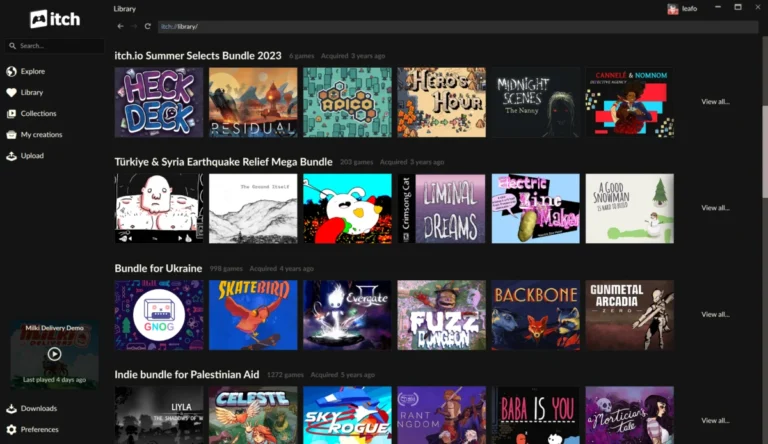
The itch.io platform has distinguished itself as a dynamic hub for independent game developers and digital artists, largely through its robust "Jams" feature. These events are designed as timed challenges where participants create projects—ranging from full games to art, music, or literature—often based on specific themes or technical limitations. Since its inception, itch.io Jams have facilitated countless creative endeavors, fostering rapid prototyping, community engagement, and skill development. The platform’s flexibility allows for a wide array of jam types, from week-long game development sprints to focused art challenges like the GB Pixel Art Jam. This ecosystem has proven invaluable for aspiring and established creators alike, providing a low-barrier entry point for experimentation and a supportive environment for showcasing nascent talents. The success of events like the GB Pixel Art Jam highlights the diverse applications of the itch.io Jams feature, extending beyond traditional game development into specialized artistic domains.
Nostalgia and Innovation: The Enduring Appeal of Game Boy Aesthetics
The Game Boy, first launched by Nintendo in 1989, revolutionized portable gaming and etched itself into the annals of cultural history. Its distinctive green-tinted, four-shade monochrome display, while primitive by today’s standards, cultivated a unique visual language that became synonymous with an entire generation of gaming. The technical limitations—a resolution of 160×144 pixels, a restricted color palette of four shades (typically green, but often interpreted as greyscale for artistic purposes), and strict sprite and tile-map memory limitations—forced developers to be incredibly resourceful and inventive. This necessity birthed an art style characterized by clarity, strong outlines, and clever dithering techniques to simulate gradients and textures.
The modern resurgence of pixel art, particularly that inspired by 8-bit and 16-bit eras, is not merely a nostalgic trend; it represents a deliberate artistic choice. For many digital artists, working within the stringent confines of retro hardware emulates a traditional artistic discipline, akin to a painter working with a limited set of colors or a sculptor with a specific material. These constraints compel artists to focus on fundamental principles of composition, form, and storytelling through minimal visual information. It’s a challenge that hones artistic problem-solving skills and often leads to surprisingly intricate and expressive results. The GB Pixel Art Jam specifically taps into this vein, asking artists to not just create pixel art, but to create pixel art as if it were destined for the original Game Boy’s screen, embracing its unique technical and aesthetic signature.
The GB Pixel Art Jam 2024: A Chronology of Creativity
The GB Pixel Art Jam 2024, building on the success of previous iterations, invited artists from around the globe to participate in this unique creative endeavor. The jam typically runs over a period of several weeks, providing participants ample time to conceptualize, design, and refine their submissions while adhering to the specified technical guidelines. For the 2024 edition, the submission window recently closed, culminating in the impressive figure of 378 entries. Participants were tasked with creating original pixel art pieces that would realistically function within the Game Boy’s hardware specifications, including its characteristic 4-color palette and low resolution. This meant meticulous attention to detail, efficient use of pixels, and an understanding of how colors would render on the classic display.
The event’s timeline involved an initial open submission period, followed by a community voting or judging phase (if applicable, as many itch.io jams include this), and finally, the compilation of all entries into a single, accessible ROM. The anticipation for this ROM release is palpable within the community, as it serves as both a digital gallery and a historical archive of the jam’s collective output. It allows enthusiasts and participants alike to experience the art in its intended context, either through an emulator or potentially on actual Game Boy hardware for those with the means. This annual structure ensures a recurring platform for artists to engage with Game Boy aesthetics, fostering a continuous dialogue around retro art and its contemporary interpretations.
Showcasing Artistic Ingenuity: Featured Submissions
Among the 378 submissions, a selection of diverse and highly imaginative pieces garnered particular attention, demonstrating the breadth of interpretation possible within such tight constraints. These featured artworks exemplify how artists pushed boundaries while honoring the Game Boy’s distinct visual identity:
-
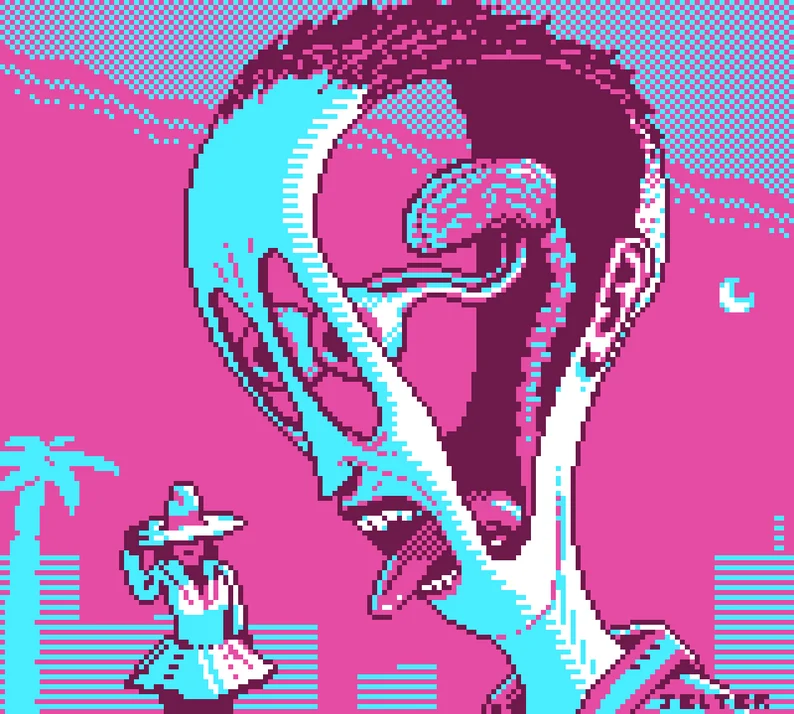
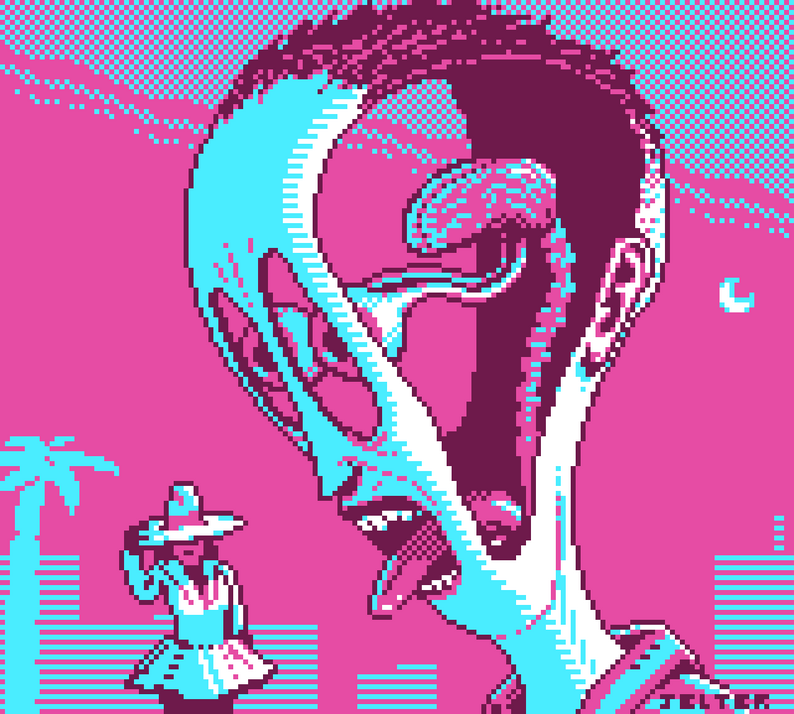
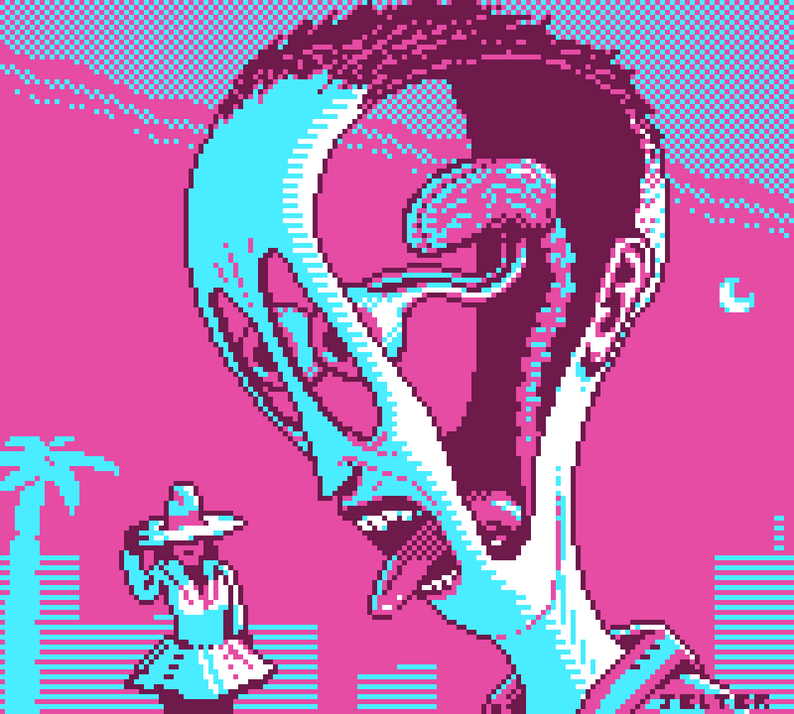
Malibu Dream by BenJelter: This piece evokes a serene, almost nostalgic atmosphere, capturing the essence of a tranquil scene with remarkable clarity. The limited palette is expertly used to convey depth and texture, illustrating how simple shapes and careful color placement can transport the viewer to a specific mood and environment. The art style feels distinctly "Game Boy," yet with a modern polish that showcases mastery of the form.
-
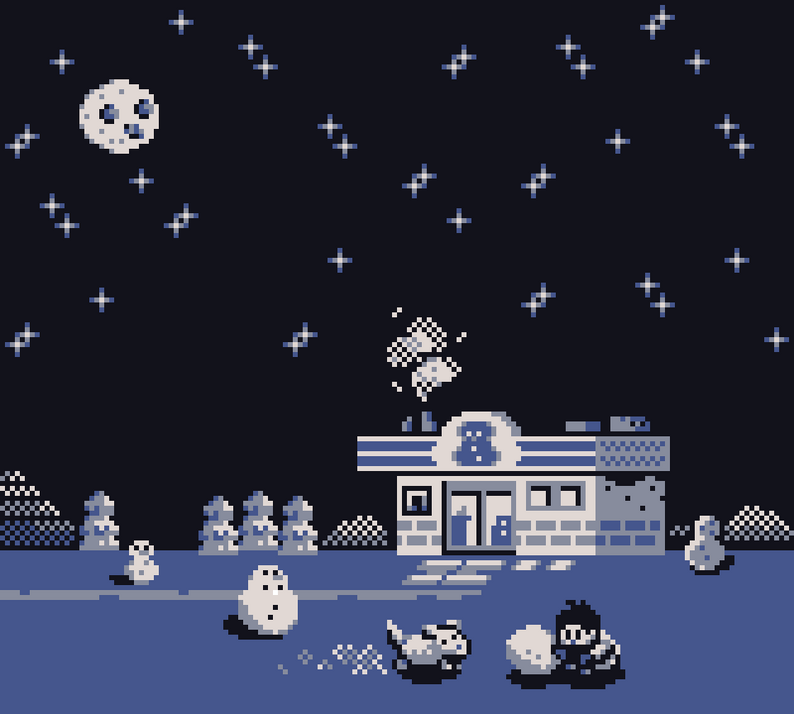
Night time at Snowball Conbini by howdy riceball: This submission presents a charming, narrative-driven scene. The depiction of a "conbini" (convenience store) at night, complete with subtle lighting effects rendered in four shades, highlights the artists’ ability to create a sense of place and time. It’s a testament to how even with minimal visual information, a compelling mini-story or atmosphere can be constructed.
-
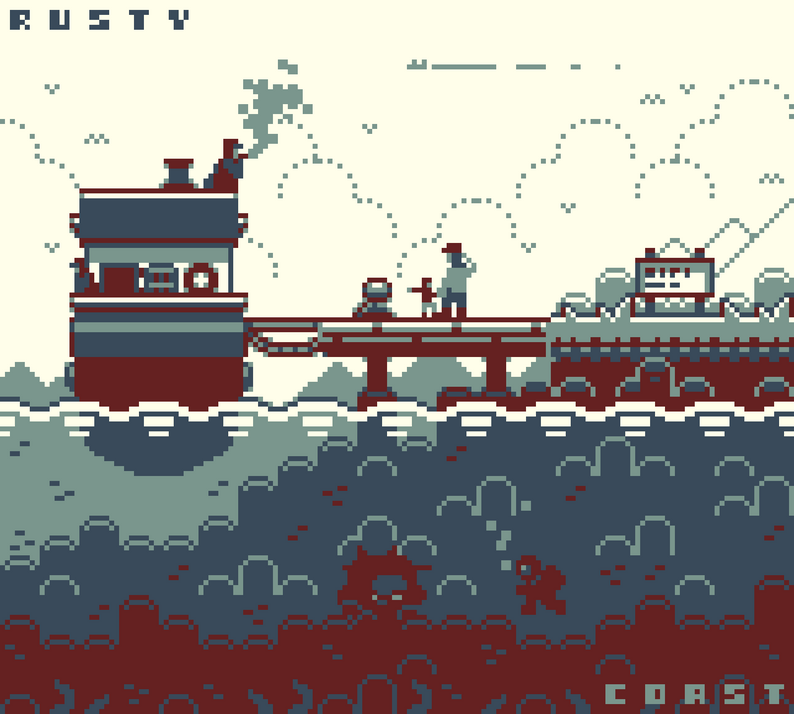
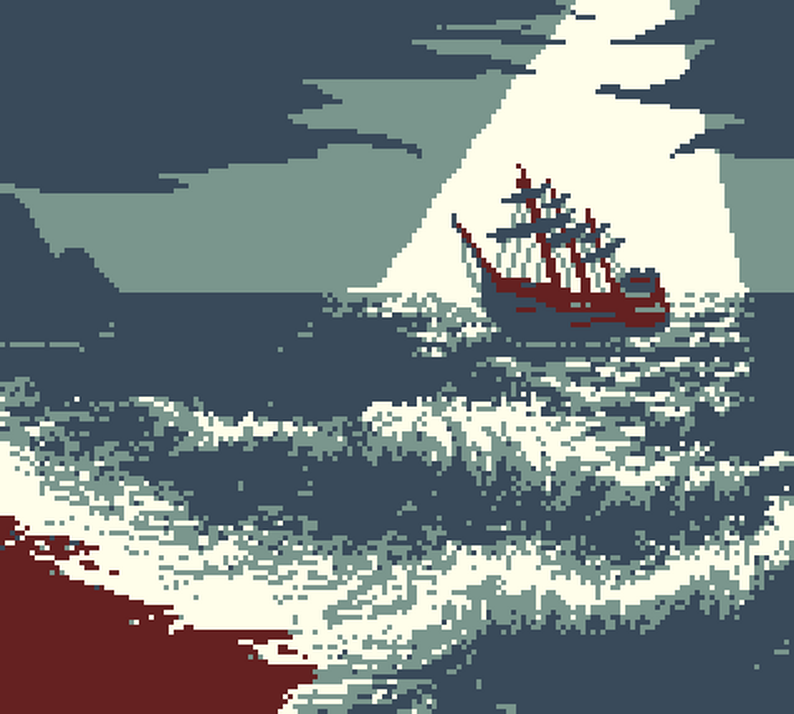
Rusty Coast by Birds Probably: "Rusty Coast" stands out for its environmental storytelling and textural detail. The artist skillfully uses the limited palette to suggest the decay and ruggedness of a coastal landscape. The interplay of light and shadow, combined with implied details through strategic pixel placement, creates a believable and immersive scene despite the low resolution.
-
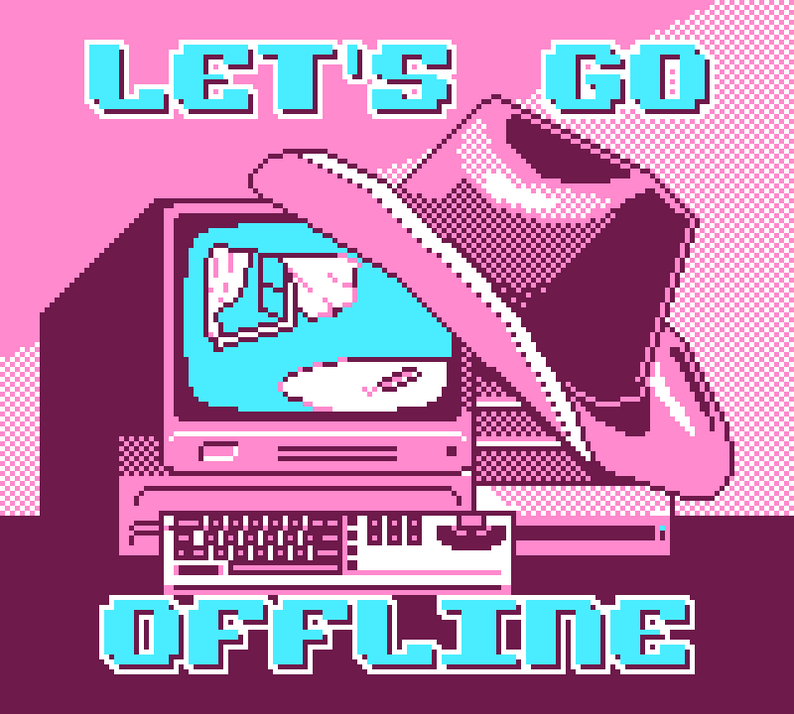
Let’s Go Offline by Robert Doman: This piece carries a contemporary message, cleverly delivered through a retro medium. The juxtaposition of modern themes with the classic Game Boy aesthetic offers a commentary that is both visually engaging and thought-provoking. It demonstrates the versatility of pixel art to convey complex ideas beyond mere decoration.
-
A Lament for Forgotten Souls by Annagmo: The evocative title perfectly complements the somber and atmospheric visuals of this submission. The artist uses the restricted color scheme to create a sense of mystery and melancholy, showcasing how emotional depth can be achieved through careful composition and a minimalist approach. It’s a powerful example of storytelling without words.
-
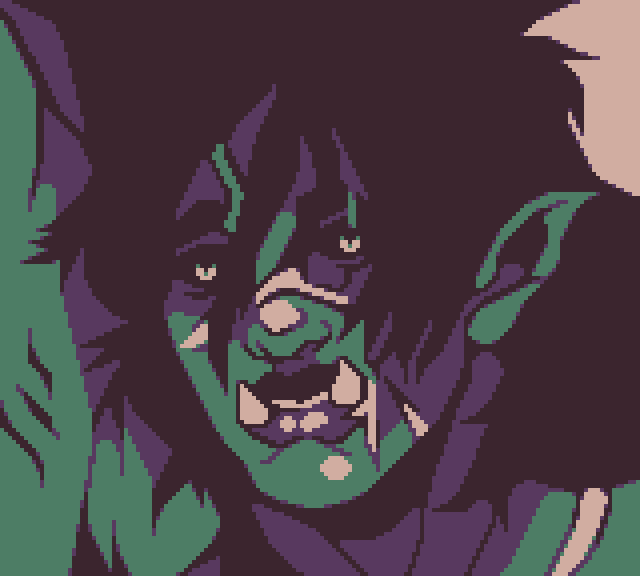
Aren, Orc Warrioress by Rohezk: This character-focused piece exemplifies strong design within constraints. The detailed depiction of "Aren, Orc Warrioress" highlights the artist’s ability to render complex character features, armor, and weaponry using only four shades. The dynamism and personality conveyed through pixel art demonstrate mastery of sprite design.
-
Swamps’ witch by BifStek: "Swamps’ witch" is another excellent example of character design merged with environmental context. The artist effectively uses the limited palette to differentiate between the character, her attire, and the surrounding swampy environment. The piece creates a distinct fantasy atmosphere, proving that even with minimal colors, intricate and recognizable figures can be brought to life.
These selections represent a fraction of the total entries but collectively illustrate the exceptional talent and diverse interpretations brought forth by the GB Pixel Art Jam 2024 participants. The full gallery of all 378 submissions is available for exploration here, offering a comprehensive look at the creative output.
The Significance of the Compiled ROM
The upcoming release of a compiled ROM containing all submitted artwork is a crucial element of the GB Pixel Art Jam’s legacy. This approach serves multiple significant purposes. Firstly, it acts as a centralized, accessible archive, preserving the collective artistic output of the event in a unified format. In an era where digital art can be ephemeral, the ROM provides a tangible, playable artifact that can be easily shared and experienced. Secondly, it allows viewers to engage with the artwork in an authentic Game Boy context. By loading the ROM onto an emulator or even a flash cart for real hardware, enthusiasts can see the art as it would have looked on the original handheld, enhancing the immersive and nostalgic experience. This direct engagement fosters a deeper appreciation for the technical skill involved in creating within such specific parameters. Finally, the ROM serves as a powerful community showcase, celebrating every participant’s contribution. It transforms individual efforts into a collective exhibition, reinforcing the communal spirit that itch.io Jams aim to cultivate.
Statements and Community Engagement
While specific official statements are not always released for every jam, the general sentiment from organizers at itch.io and the jam hosts is overwhelmingly positive regarding the level of participation and the quality of submissions. A representative from itch.io or the jam’s organizing team would likely express immense satisfaction with the creativity displayed, noting how the event successfully harnessed the platform’s tools to foster artistic expression. The high number of submissions is a clear indicator of a thriving community eager to engage with niche challenges.
Participants, in turn, often cite a variety of motivations for joining such jams. Many are driven by nostalgia for the Game Boy era, seeking to recreate or reinterpret the aesthetics of their youth. Others are drawn by the artistic challenge itself—the desire to prove their skill by creating compelling visuals under severe technical limitations. The collaborative and supportive nature of the itch.io community also plays a significant role, offering opportunities for feedback, learning, and connection with like-minded artists. The anticipation for the ROM release and the ongoing discussion in the jam’s forums (as indicated by the original article’s link to a "Congrats to all who submitted" topic) underscore the vibrant and engaged nature of this artistic cohort.
Broader Impact and Implications for Digital Art
The success of the GB Pixel Art Jam 2024 has several broader implications for the digital art community and the future of creative challenges. Firstly, it reinforces the growing trend of "retro-futurism" and "constrained creativity" in digital art. Artists are increasingly finding value and inspiration not just in advanced tools, but also in revisiting the limitations of past technologies to spark innovation. This approach often leads to unique artistic styles that stand out in a crowded digital landscape.
Secondly, events like this play a vital role in skill development. Working within strict parameters, such as a 4-color palette and low resolution, forces artists to master fundamental design principles: composition, value, shape language, and economy of pixels. These skills are transferable and highly valuable in any visual medium. For many, it serves as a rigorous training ground, pushing them beyond their comfort zones.
Furthermore, the jam contributes significantly to community building and cultural preservation. It provides a shared space for artists to celebrate a specific aesthetic, exchange ideas, and foster mentorship. By focusing on a legacy platform like the Game Boy, these jams also contribute to the ongoing appreciation and understanding of video game history and the evolution of digital art forms. The collective archive in the form of a ROM ensures that this artistic heritage is not only celebrated but also made accessible for future generations of artists and enthusiasts.
Finally, the continuous success of niche jams like this strengthens itch.io’s position as a crucial platform for independent creators. By supporting diverse and specialized creative challenges, itch.io demonstrates its commitment to fostering a rich and varied ecosystem that caters to all forms of digital artistry, further distinguishing itself from more mainstream platforms.
Conclusion
The GB Pixel Art Jam 2024 has once again proven to be a resounding success, drawing hundreds of artists into a creative challenge that celebrates the iconic aesthetic of the Game Boy. With 378 compelling submissions, the event not only showcased immense talent and ingenuity but also highlighted the enduring power of working within artistic constraints. As the community eagerly awaits the compiled ROM, the jam stands as a vibrant example of how platforms like itch.io can cultivate passionate communities, preserve digital art history, and inspire continuous innovation in the ever-evolving world of digital creativity. The annual nature of this event suggests a promising future for Game Boy-inspired pixel art, ensuring that the legacy of this beloved handheld continues to inspire new generations of artists.
About the Author