Unreal Engine 5 (UE5) has fundamentally reshaped the landscape of digital content creation, offering unparalleled tools for realism and efficiency, chief among them the innovative MetaHuman character library. These high-fidelity digital humans, designed for photorealism and robust animation, are now freely accessible, empowering developers across various sectors to integrate AAA-quality characters into their projects with unprecedented ease. This guide outlines the essential steps for accessing and deploying MetaHumans within a UE5 environment, underscoring the significant implications of this technology for the future of interactive entertainment, virtual production, and digital storytelling.
The Dawn of Digital Realism: MetaHuman’s Genesis and Technological Underpinnings
For decades, the pursuit of photorealistic digital humans has been a formidable challenge in computer graphics, often consuming vast resources in terms of time, talent, and computational power. The "uncanny valley," a phenomenon where near-human replicas evoke revulsion rather than empathy, has long plagued creators. Epic Games, through its acquisition of Quixel and its extensive Megascans library, coupled with years of research and development in character rigging and facial animation, embarked on a mission to bridge this gap. The result was MetaHuman, a cloud-based application and asset library designed to streamline the creation of incredibly realistic digital humans.

Announced in December 2020 and launched into early access in February 2021, the MetaHuman Creator tool quickly demonstrated its revolutionary potential, allowing users to sculpt unique characters from a diverse range of archetypes with intuitive controls. Concurrently, the MetaHuman character library, featuring a curated collection of pre-configured, production-ready digital humans, became a cornerstone offering within the Unreal Engine ecosystem. These characters are built upon a sophisticated framework that includes high-resolution 3D scans, meticulously crafted facial and body rigs, and advanced material definitions leveraging technologies like Epic’s Nanite virtualized micropolygon geometry and Lumen global illumination system, ensuring optimal performance and visual fidelity within UE5. The strategic decision by Epic Games to make these characters freely available represents a significant democratization of high-end content, lowering the barrier to entry for smaller studios and individual creators who previously lacked the resources to develop such complex assets.
Navigating the MetaHuman Ecosystem: Accessing the Library
The journey to integrating a MetaHuman character begins within the Unreal Engine 5 editor itself, through the seamless integration of Quixel Bridge. Quixel Bridge, a powerful content management application, serves as the primary gateway to Epic’s vast libraries of Megascans assets and, crucially, the MetaHuman collection.
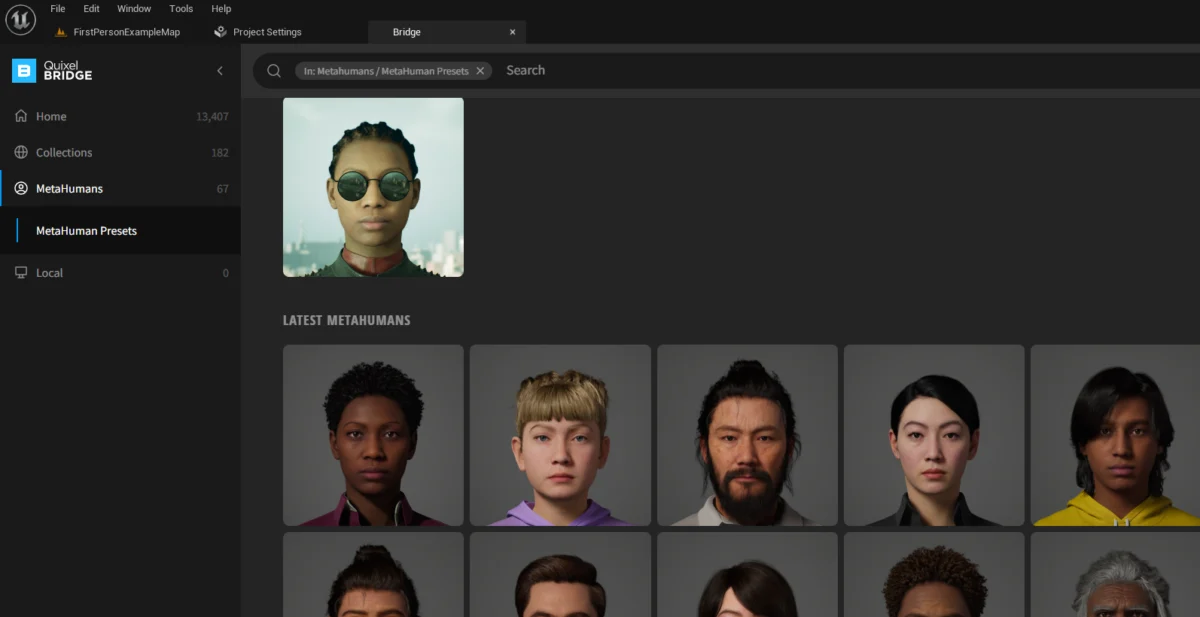
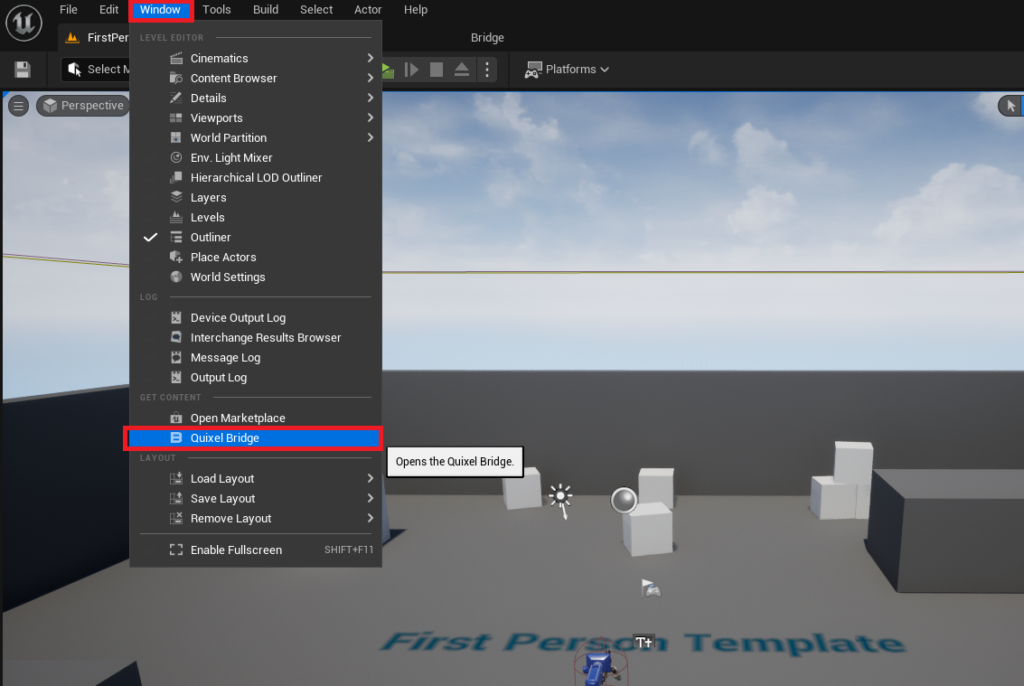
To initiate the process, developers must first access Quixel Bridge from within their UE5 project. This is achieved by navigating to the "Window" tab in the Unreal Engine editor’s main menu, then selecting "Quixel Bridge." Upon clicking, the Quixel Bridge interface will open as an integrated panel within the editor, presenting a comprehensive array of digital assets.
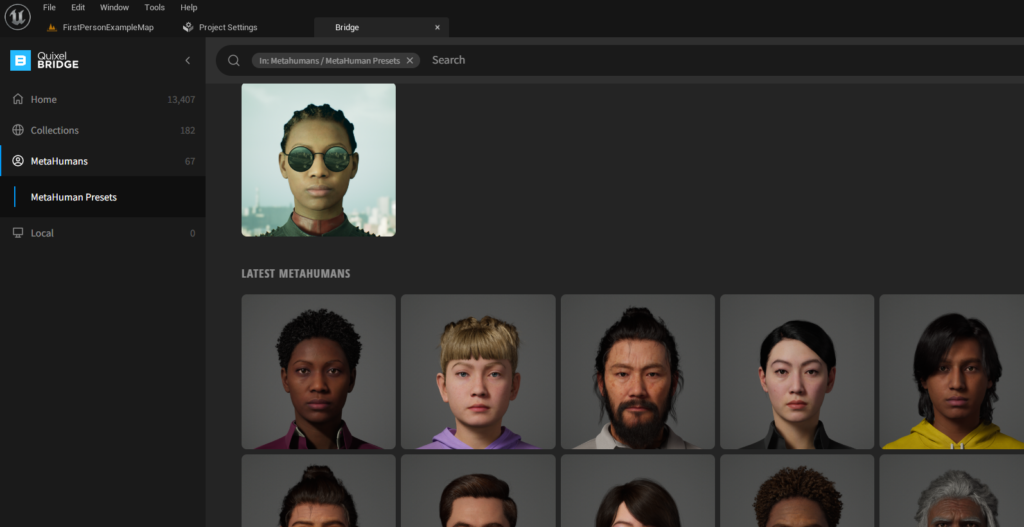
Once Quixel Bridge is active, the next step involves locating the dedicated MetaHumans section. Within the Bridge interface, users will find various tabs categorizing different asset types. Clicking the "MetaHumans" tab immediately directs the user to the core library. Here, a diverse grid of pre-configured MetaHuman avatars is displayed, showcasing the breadth of available characters. Each avatar represents a complete, high-fidelity digital human, meticulously crafted and ready for deployment. The visual presentation of these characters within the library provides a clear preview of their aesthetic and design, allowing developers to choose characters that best fit the artistic direction and narrative requirements of their projects. This extensive selection caters to a wide range of character needs, from protagonists and antagonists to background non-player characters, all exhibiting an exceptional level of detail and realism.
Authentication and Asset Acquisition: Bridging the Gap to Epic’s Digital Domain
Before any MetaHuman character can be downloaded and integrated into an Unreal Engine 5 project, a crucial authentication step is required. Epic Games has integrated its entire ecosystem, including Unreal Engine, Quixel Bridge, and MetaHuman services, under a unified account system. This ensures seamless access to licensed content and services while also protecting intellectual property.
Upon selecting a desired MetaHuman avatar from the library grid, developers will notice a "Sign In" button, typically located in the bottom right corner of the Quixel Bridge window. Clicking this button initiates the login process, prompting users to authenticate with their Epic Games account credentials. This single sign-on mechanism provides secure access to the full scope of Quixel Megascans and MetaHuman libraries, confirming user eligibility to download and utilize these premium assets. This integration underscores Epic’s strategy of fostering a cohesive development environment where high-quality tools and content are readily available to its user base.
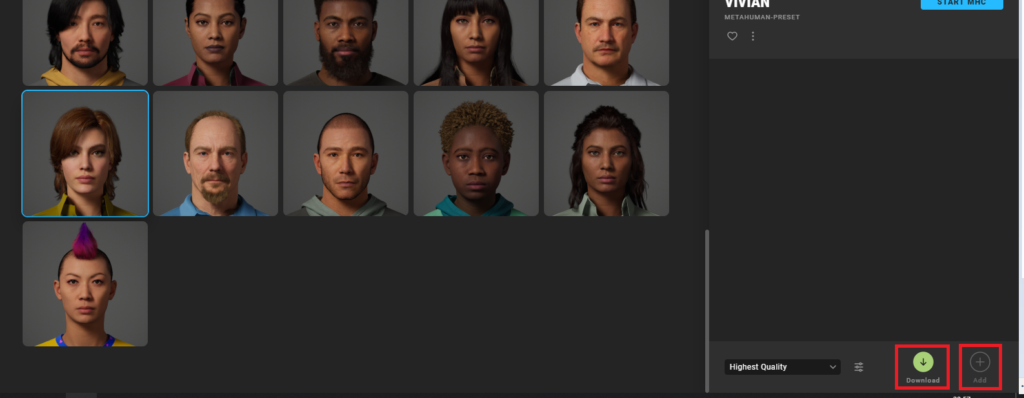
Following successful authentication, the process of acquiring the chosen MetaHuman asset becomes straightforward. With the user now logged into their Epic Games account within Quixel Bridge, the previously visible "Sign In" button will be replaced by a "Download" option for the selected character. Clicking "Download" initiates the transfer of the high-fidelity MetaHuman data to the local system. Given the intricate detail and multiple components that comprise a MetaHuman, this download may take some time, depending on network speed and the specific character’s complexity. Once the download is complete, a new "Add" button will appear. Clicking "Add" automatically imports the MetaHuman asset directly into the currently opened Unreal Engine 5 project, streamlining what would traditionally be a complex manual import process. This automated integration minimizes potential errors and accelerates the development workflow, allowing creators to focus on artistic implementation rather than technical asset management.
Project Configuration: Optimizing Unreal Engine for MetaHuman Integration
The integration of MetaHuman characters into an Unreal Engine 5 project often necessitates specific configurations within the editor to ensure optimal performance and visual fidelity. MetaHumans leverage a suite of advanced UE5 features, and for these to function correctly, certain plugins and project settings must be enabled.
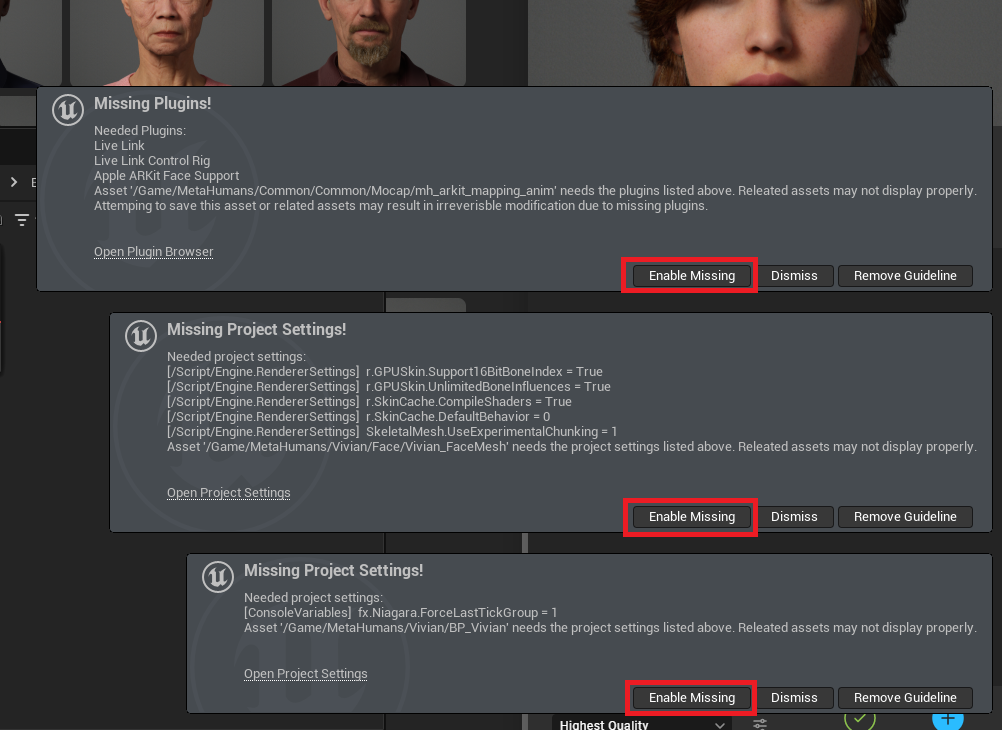
Immediately following the "Add" action in Quixel Bridge, the Unreal Engine editor may display notifications, typically in the bottom left corner, indicating "Missing Plugins" or "Project Settings Not Configured." These prompts are critical and should not be overlooked. The system will usually present an option such as "Enable Missing," which, when clicked, automatically activates the necessary plugins and adjusts relevant project settings required for MetaHuman assets to render and behave as intended. These configurations often include enabling plugins for features like Control Rig (essential for animation and posing), Groom (for realistic hair and fur simulation), and potentially adjustments related to cinematic quality rendering and advanced material shaders.

Once these missing settings and plugins are enabled, Unreal Engine typically requires a restart to apply the changes effectively. A "Restart Now" button will appear, prompting the user to restart the editor. This step is vital for the newly activated plugins and project configurations to take full effect, ensuring that the MetaHuman assets are correctly recognized and processed by the engine. The restart ensures that all dependencies are met and the project environment is fully optimized for working with these sophisticated digital characters. Skipping this step can lead to rendering issues, broken animations, or other unexpected behaviors, diminishing the visual impact of the MetaHuman. Upon restarting, the project will be fully prepared to handle the intricate details and advanced functionalities inherent in MetaHuman characters, paving the way for their successful deployment and animation within the scene.
Deployment and Utilization: Bringing MetaHumans to Life in Your Project
With the Unreal Engine editor restarted and all necessary plugins and project settings configured, the newly imported MetaHuman character is now ready for deployment within the project. Locating the asset is straightforward, as Unreal Engine’s content management system is designed for intuitive organization.
Within the "Content Drawer" (or Content Browser, depending on your UE5 layout preferences), navigate to the "MetaHumans" folder. Inside this folder, a new sub-folder will be present, typically named after the specific MetaHuman character that was downloaded (e.g., "MetaHuman_Female_01"). This dedicated folder contains all the individual components that constitute the MetaHuman, including various meshes for the body, face, hair, and clothing, along with textures, materials, and animation data.

The most crucial asset for direct integration into the scene is the MetaHuman Blueprint, easily identifiable by its "BP_" prefix (e.g., "BP_MetaHuman_Female01"). This Blueprint asset encapsulates the entire MetaHuman character, pre-assembled with all its components, skeletal meshes, control rigs, and default animations. Developers can simply drag and drop this "BP" asset from the Content Drawer directly into their level viewport. Once placed, the MetaHuman will appear in the scene, fully rendered and ready for interaction.
A key advantage of MetaHuman blueprints is their "fully rigged" nature. Each character comes with a sophisticated Control Rig, allowing for highly granular control over facial expressions, body movements, and finger poses. This comprehensive rigging means the characters are immediately usable as player characters, non-player characters (NPCs), or cinematic assets. Developers can apply existing animations, create new ones using the Control Rig, or integrate them with motion capture data to bring them to life. The modular design, comprising multiple meshes (e.g., separate meshes for torso, legs, head, hair), offers further flexibility, allowing artists to swap out clothing, hairstyles, or even entire body parts to create custom variations without compromising the underlying quality or rigging integrity. This level of detail and flexibility significantly accelerates the character pipeline, saving countless hours typically spent on modeling, rigging, and skinning.
Broader Impact and Implications for the Digital Landscape
The introduction and widespread adoption of MetaHuman technology within Unreal Engine 5 represent a significant inflection point for the digital content creation industries, extending far beyond traditional game development. Its implications are transformative, impacting workflow, accessibility, and the very definition of digital realism.
Democratization of High-Fidelity Content: Perhaps the most profound impact is the democratization of AAA-quality character assets. Historically, creating a photorealistic digital human was an incredibly expensive and time-consuming endeavor, often reserved for top-tier studios with massive budgets and specialized teams. MetaHuman, by offering free access to its library and streamlining the creation process through the MetaHuman Creator, empowers independent developers, smaller studios, and even hobbyists to achieve visual standards previously unattainable. This significantly lowers the barrier to entry for projects aiming for high visual fidelity, fostering innovation and diversity in content. Industry analysts have lauded this move, predicting a surge in visually stunning indie titles and short films.
Revolutionizing Virtual Production and Film: Beyond gaming, MetaHuman is poised to revolutionize virtual production for film, television, and advertising. Directors and cinematographers can rapidly prototype scenes with realistic digital actors, iterating on performances and compositions in real-time. This agility allows for creative freedom and cost-effectiveness, reducing the need for expensive reshoots or extensive post-production work. For CGI-heavy productions, MetaHumans offer a consistent, high-quality base that can be customized to fit specific character roles, streamlining the entire character development pipeline from concept to final render. The ability to integrate these characters into real-time environments, leveraging UE5’s rendering capabilities, is a game-changer for live virtual events and broadcast.
Accelerating Game Development Workflows: For game developers, MetaHumans provide an unprecedented opportunity to accelerate character creation. Instead of spending months on modeling, texturing, and rigging, teams can allocate more resources to gameplay mechanics, narrative design, and overall player experience. The fully rigged and animation-ready nature of MetaHumans means they can be dropped into a project and immediately animated, tested, and integrated. This efficiency gain can drastically shorten development cycles and allow studios to produce more ambitious titles within tighter deadlines.
The Metaverse and Digital Identity: As the concept of the metaverse gains traction, MetaHumans are perfectly positioned to become the foundation for personalized digital identities. Users could create highly realistic and expressive avatars that accurately represent them across various virtual platforms. This potential extends beyond mere aesthetics, offering new avenues for social interaction, self-expression, and commerce within interconnected virtual worlds. Epic Games has explicitly stated its vision for MetaHumans to play a pivotal role in shaping the future of digital identity.
Ethical Considerations and Future Prospects: While the benefits are immense, the rise of highly realistic digital humans also prompts ethical discussions. Concerns around digital likeness, deepfakes, and the potential for misuse require careful consideration. Epic Games and the broader industry are aware of these challenges and are working towards establishing best practices and safeguards.
Looking ahead, the MetaHuman Creator tool continues to evolve, promising even greater customization options, expanded asset libraries, and potentially AI-driven enhancements for character generation. The synergy between MetaHuman, Unreal Engine 5’s cutting-edge rendering capabilities, and Quixel’s vast asset library ensures that Epic Games remains at the forefront of digital content innovation.
In conclusion, the integration of MetaHuman characters into Unreal Engine 5 projects marks a significant leap forward in digital content creation. By democratizing access to photorealistic digital humans and streamlining their deployment, Epic Games has empowered a new generation of creators. This technology not only enhances the visual fidelity of games, films, and virtual experiences but also fundamentally alters production pipelines, fostering innovation and pushing the boundaries of what is possible in the digital realm. As the technology matures and expands, MetaHumans are set to become an indispensable tool for anyone aiming to create compelling, lifelike digital characters with unparalleled ease and efficiency.
About the Author