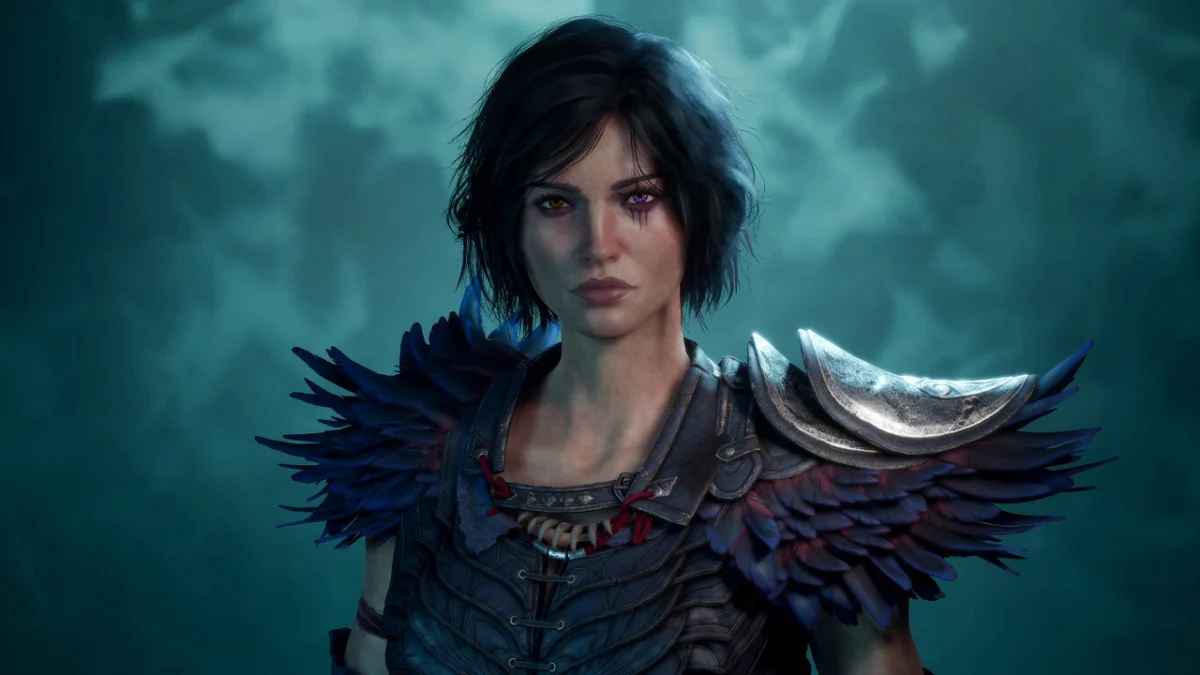
As the reverberations of Baldur’s Gate 3‘s unprecedented success continue to reshape expectations for Dungeons & Dragons (D&D) video game adaptations, Wizards of the Coast and its development partners are charting diverse paths to leverage the iconic tabletop role-playing game’s sprawling fantasy universe. Among the most anticipated, and perhaps most daring, is Warlock, a forthcoming single-player action-adventure title from Invoke Studios. Slated for a 2027 launch, Warlock is designed to transplant the core spirit of D&D—player agency—into a genre distinctly separate from its role-playing game brethren, a strategic move that seeks to expand the brand’s digital footprint without directly emulating its most recent smash hit.
The Shadow of Success: Baldur’s Gate 3‘s Monumental Precedent
The announcement and subsequent insights into Warlock‘s development arrive in a landscape dramatically altered by Larian Studios’ Baldur’s Gate 3. Released to universal critical acclaim and immense commercial success, Baldur’s Gate 3 masterfully translated the chaotic energy, narrative depth, and player freedom of the D&D tabletop experience into a video game. Its unwavering commitment to player choice, emergent gameplay, and often absurd outcomes resonated deeply with both veteran D&D players and newcomers, setting a new, formidable benchmark for adaptations of the venerable TTRPG. The title demonstrated that a meticulous, passionate approach to embodying the tabletop spirit could yield not just a good game, but a cultural phenomenon, selling millions of copies and garnering numerous Game of the Year awards throughout late 2023 and early 2024.
This success, while a boon for the D&D brand owned by Wizards of the Coast, also presents a unique challenge for subsequent adaptations. Developers now face the dual task of capturing the essence of D&D while simultaneously carving out their own identity, avoiding direct comparison where their gameplay mechanics or genre diverge significantly. Warlock explicitly embraces this divergence, choosing to forgo the traditional "role-playing game" label entirely, positioning itself instead as an action-adventure experience. This strategic pivot signals a broader ambition by Wizards of the Coast to diversify its digital offerings, exploring how the rich lore and mechanics of D&D can enrich various video game genres, from tactical RPGs to action-oriented narratives.
Defining D&D’s Core: Player Agency as the Guiding Principle
At the heart of Warlock‘s design philosophy is an attempt to distill the true essence of Dungeons & Dragons. For Jeff Hattem, founder, VP of creative at Invoke Studios, and a seasoned Dungeon Master, this wasn’t about replicating monsters, dungeons, or even the familiar trope of a "found party." Instead, the core realization for his team was that D&D fundamentally embodies "ultimate player agency." Hattem emphasizes that few, if any, other games in the world can offer the same boundless freedom as the tabletop experience, recounting personal campaigns with friends that have spanned years, often punctuated by hours of role-playing arguments in virtual taverns – a testament to the unscripted, player-driven nature of the TTRPG.
This profound understanding of agency became the foundational pillar for Warlock. The challenge, then, was how to translate this boundless freedom into a single-player, narrative-driven video game experience, which by its very nature, cannot accommodate truly limitless choices without derailing its core progression. The solution, Hattem and his team determined, lay not in replicating every facet of TTRPG freedom, but in hyper-focusing that agency within a specific, deeply systemic framework.
Crafting Agency Through Systemic Magic
Invoke Studios consciously chose to build Warlock‘s player agency around its magic system. Hattem described the temptation to try and "do everything" as a potential "trap" for the development team. Instead, a deliberate decision was made to channel creative energy into crafting a magic system that felt robust, reactive, and genuinely empowering. This approach required a fundamental shift in how the game was conceived and developed, moving beyond traditional linear design.
"We’re making a very systemic game around magic, so the way the spells interact with the environment, the weather systems, the monsters, the terrain—it really forced us to change the way we make the game," Hattem explained. This focus means that every spell isn’t just a static ability; it’s a dynamic tool that can ripple through the game world, creating emergent interactions and possibilities. The environmental reactivity, for example, might see a fire spell spreading rapidly through dry foliage, or a water spell creating a slippery surface that enemies struggle to traverse. This interconnectedness aims to give players a sense of genuine impact and control over their immediate surroundings, mirroring the improvisational spirit of a D&D session where players constantly push the boundaries of their abilities and the Dungeon Master’s world.
To ensure this systemic magic system could truly match the imagination of its players, Warlock has undergone rigorous and unconventional playtesting. Invoke Studios developed a unique approach to bug identification: when a tester used magic in a way that, by conventional metrics, "broke" the game—achieving an outcome or reaching an area the designers hadn’t intended—it was flagged not as an error to be patched out, but as a potential "feature" to be integrated.
Hattem provided a compelling example: an early spell that summons eldritch tentacles capable of grabbing objects and creating makeshift platforms. During testing, a player, granted additional spell slots, began "daisy-chaining" these tentacle summons, effectively creating a series of platforms that allowed them to reach areas previously deemed inaccessible by the designers. Rather than "nerfing" the spell or patching out the unintended access, Invoke Studios chose to embrace this player ingenuity. These newly accessible areas were then transformed into secret treasure troves or hidden lore points, rewarding players with "entrepreneurial flair" for their creative application of magic. This philosophy underscores a deep commitment to fostering player discovery and emergent gameplay, directly reflecting the freedom players cherish in tabletop D&D.
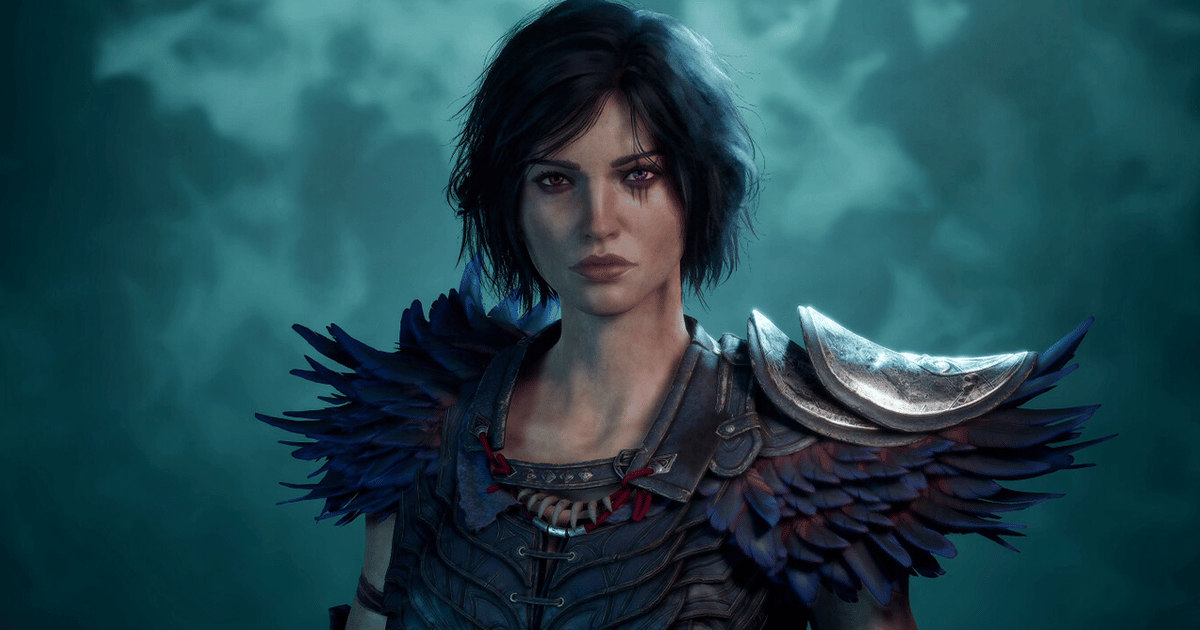
Narrative Design: Opt-in Lore and Organic Storytelling
Beyond gameplay mechanics, Warlock also grapples with the distinct challenge of narrative delivery in a single-player action-adventure format while retaining the D&D spirit of player agency. Hattem, drawing from his own extensive experience as a Dungeon Master, acknowledged a common pitfall: "railroading" players by oversharing information or forcing narrative beats. As many DMs can attest, the temptation to nudge the story along with excessive exposition can be strong, but the most rewarding moments often arise from organic interactions and player-driven discovery. Invoke Studios is striving to walk this delicate line.
Hattem elaborated on the studio’s realization: "We learned to avoid spending time overexposing players to the world building… That sounds cool to me, but it can feel like I’m shoving it down my players throats." He described the difficulty of holding back on rich lore for someone who has immersed themselves in D&D for decades, but emphasized the importance of empowering players to engage with the world on their own terms.
The solution adopted for Warlock is an "opt-in" approach to world-building and lore. Instead of mandatory cinematics or constant, lore-heavy banter from companion characters, the game will present opportunities for players to delve deeper into the narrative and world history should they choose to. This might manifest as readable texts found in the environment, optional conversations with non-player characters, or environmental storytelling that encourages exploration and observation. This method respects player autonomy, allowing those who crave deeper narrative immersion to find it, while not burdening players who prioritize action and gameplay with information they may not seek. This design choice stands in contrast to many contemporary action-adventure titles that often rely heavily on lengthy cutscenes and expository dialogue, aiming instead for a more subtle, player-driven narrative experience akin to uncovering secrets in a well-crafted TTRPG campaign.
Invoke Studios’ Growth and Iterative Development Philosophy
The development of Warlock has been accompanied by significant growth at Invoke Studios. Commencing production in 2022 with approximately 50 employees, the studio has since scaled considerably to 180 individuals. This rapid expansion, while necessary for a project of this scope, presents its own set of management and creative challenges. Hattem noted that a measured expansion allowed the team to establish a clear organizational structure while retaining crucial flexibility, a balance vital for fostering creativity within a growing team.
Hattem’s leadership style for Warlock is characterized by a vision-driven, iterative approach. As a creative director, he defines a "vague sense of the destination" for the team rather than dictating every step. This "nebulous course" in the initial stages is crucial, he believes, for allowing the "near-inevitable failure" to occur early and pave the way for refinement.
"I’ve been doing this for a long time now—25-plus years—and it always surprises me how many times we get it wrong the first try. It’s never right on the first try. You always fuck it up somehow, and then you’ve got to iterate," Hattem candidly shared. This philosophy of embracing early mistakes and committing to continuous iteration is a hallmark of experienced game development. He likens the initial versions of the game to a "shit version" that serves as a necessary starting point, understanding that improvement is an ongoing process. This iterative cycle, where feedback, testing, and creative refinement constantly reshape the game, is fundamental to Invoke Studios’ strategy for realizing their ambitious vision for Warlock. The growth of the studio itself reflects the increasing complexity and ambition of modern game development, where large, specialized teams are often required to bring high-fidelity, systemic experiences to life.
Broader Implications for the D&D Brand and Action-Adventure Genre
Warlock‘s distinct approach carries significant implications for both the Dungeons & Dragons brand and the broader action-adventure genre. For Wizards of the Coast, it represents a calculated move to diversify its digital portfolio, demonstrating that D&D IP can transcend its traditional RPG confines. While Baldur’s Gate 3 proved the immense appetite for deep, complex RPGs, Warlock seeks to capture a different segment of the gaming audience: those who appreciate rich fantasy worlds and player agency but prefer a more action-oriented, focused experience. If successful, Warlock could pave the way for further D&D adaptations across various genres, from hack-and-slash to survival-horror, further cementing the brand’s versatility.
For the action-adventure genre, Warlock‘s emphasis on systemic magic and "opt-in" narrative could serve as an influential case study. In an era where many open-world and action titles struggle with delivering meaningful player choice and avoiding repetitive mission structures, Warlock‘s commitment to emergent gameplay through its magic system offers a refreshing alternative. The philosophy of transforming player "bugs" into "features" challenges conventional design paradigms and champions player creativity in a way that could inspire future developers to rethink how they build interactive worlds. The success of this model could push the genre towards more dynamic, player-driven experiences, moving away from heavily scripted linearity.
However, the path is not without its risks. Diverging from the direct RPG formula, especially after Baldur’s Gate 3‘s success, means Warlock must stand on its own merits as an action-adventure title, while still delivering an authentic D&D "feel." The challenge lies in ensuring that the focused agency of the magic system feels as impactful and rewarding as the broader narrative and character choices found in traditional RPGs. The precise execution of the systemic magic, and its ability to consistently surprise and empower players, will be paramount to Warlock‘s reception.
As Warlock progresses towards its 2027 launch, Invoke Studios is clearly betting on a unique vision: that the heart of D&D isn’t bound by genre conventions, but by the ultimate freedom it grants its players. By channeling that freedom into a deeply systemic magic system and an organic narrative approach, the game aims to carve out its own distinct legacy within the ever-expanding digital tapestry of Dungeons & Dragons. Its success will not only be a testament to Invoke Studios’ innovation but also a significant indicator of the D&D brand’s future trajectory in the competitive video game market.
About the Author