The latest iteration of the itch.io desktop application, version 26.22.0, has been released, introducing significant quality-of-life improvements for users and expanding the platform’s interoperability with other gaming ecosystems. This update, detailed in recent release notes, focuses on empowering users with more direct control over their extensive game libraries through in-app collection editing, while simultaneously strengthening the bridge between itch.io’s diverse catalog and Valve’s Steam platform, particularly for Linux and Steam Deck users through enhanced Proton support. Beyond these immediate enhancements, the development team has also offered a compelling "sneak peek" into "itch donk," an ambitious project aimed at bringing the itch.io experience to low-powered Linux retro gaming handhelds, signaling a strategic push into new hardware territories and broadening accessibility for its vast collection of indie titles and classic ROMs.
Deep Dive: Streamlined Collection Management Transforms User Experience
One of the most anticipated features in this release is the full integration of collection editing directly within the itch.io application. Previously, users seeking to manage their curated lists of games, often amassed through itch.io’s frequent and generous bundles, were required to navigate to the platform’s web interface via an in-app browser. This often cumbersome process detracted from the seamless desktop experience that the itch.io app aims to provide. The new update fundamentally alters this dynamic, placing comprehensive organizational tools directly at the user’s fingertips.
The significance of this update for user experience cannot be overstated. Itch.io is renowned for its expansive and diverse library, hosting millions of games, experimental projects, and digital assets. A substantial portion of this content is often acquired through themed bundles, which can quickly swell a user’s library into the hundreds or even thousands of titles. Effective collection management is therefore not merely a convenience but a necessity for discovering, categorizing, and revisiting these acquisitions. Prior to this update, the workflow for organizing these vast digital libraries was fragmented, requiring users to switch between the dedicated app for playing and the web browser for managing.
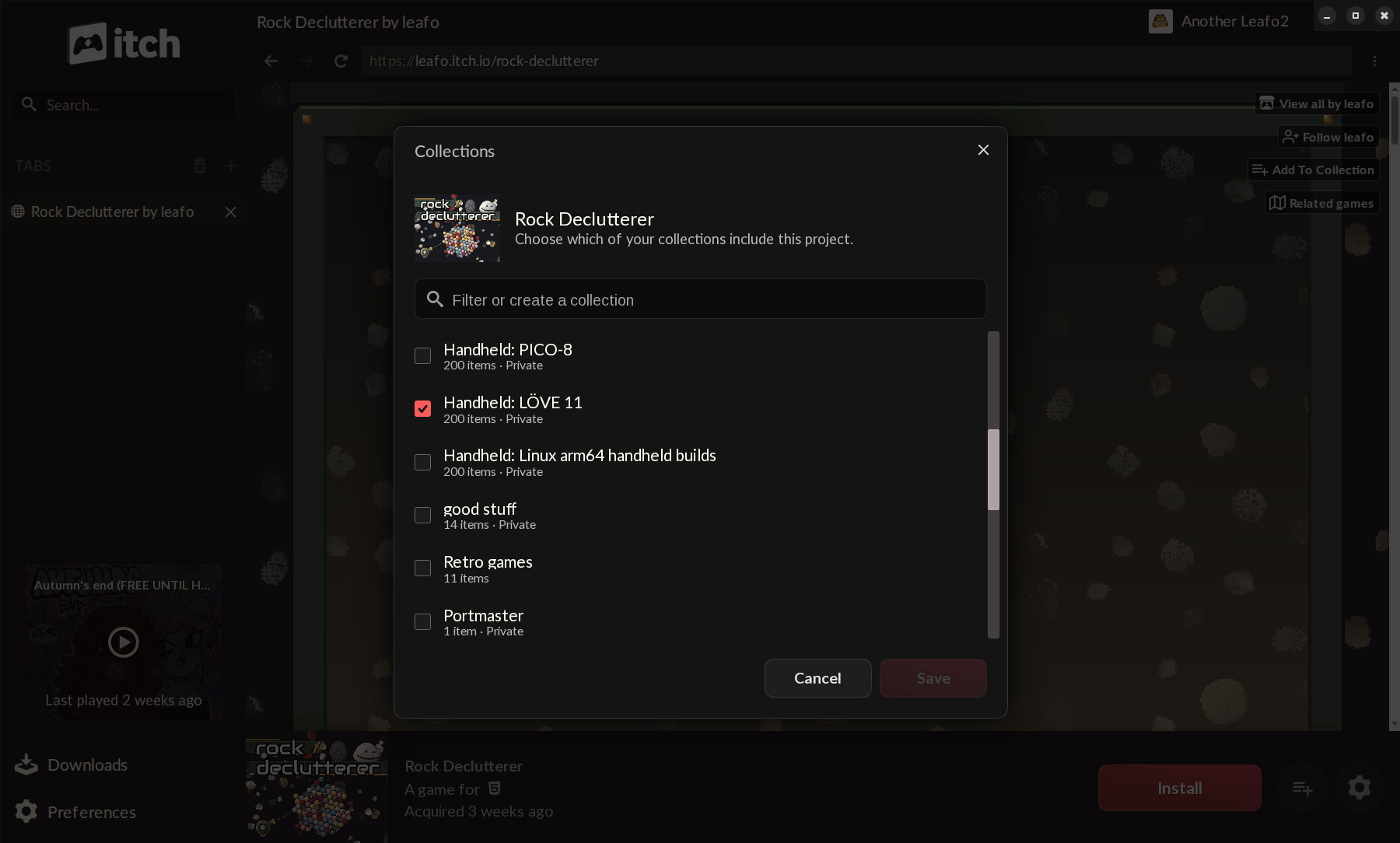
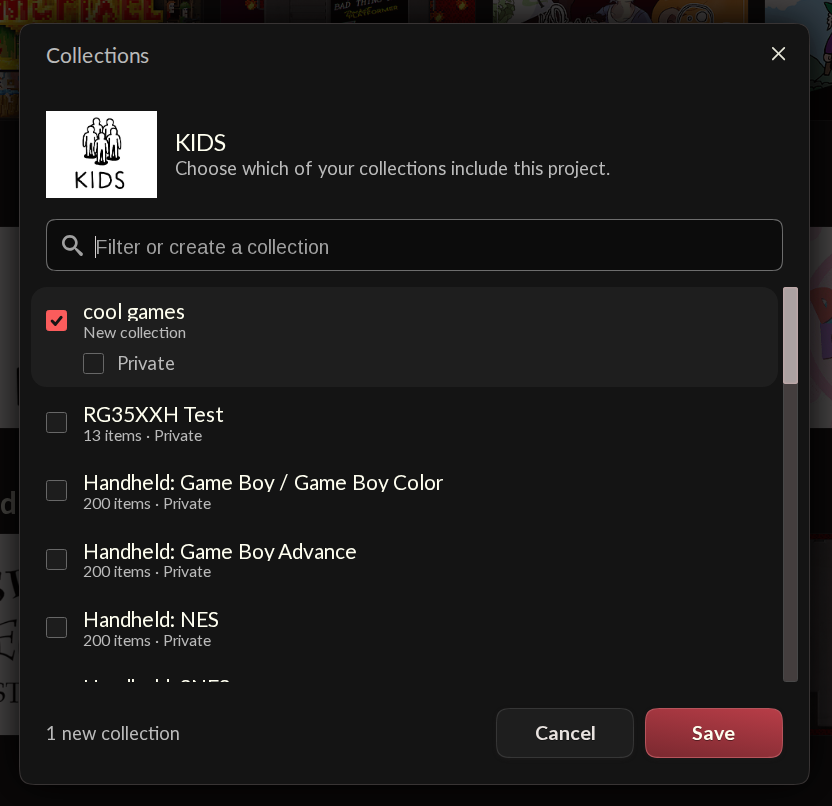
The new functionality introduces a "add to collection" dialog, enabling users to bulk manage the collections a specific game belongs to. This streamlined approach allows for quick categorization, eliminating the need to individually visit each game’s page or resort to external tools. Furthermore, users can now create entirely new collections directly within this dialog, fostering a more dynamic and responsive organizational process. On the dedicated collection pages within the app, a new "bulk edit" dialog offers unprecedented control, allowing users to reorder and remove multiple items simultaneously. This feature is particularly valuable for refining large collections, ensuring that users can easily curate their preferred order or prune titles no longer desired, transforming what was once a tedious chore into an intuitive, integrated task. This synchronization between the app and the web platform is automatic and instantaneous, ensuring consistency across all user access points. This commitment to intuitive design and user-centric features underscores itch.io’s ongoing efforts to enhance the usability of its platform, catering to the needs of its dedicated community and making its vast library more approachable.
Enhancing Cross-Platform Play: Steam Shortcuts and Proton Integration Solidified
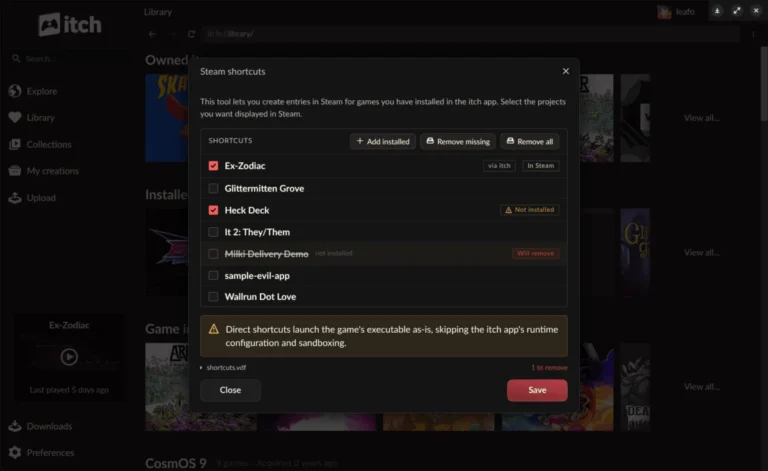
Building upon previous advancements, the latest itch.io app update delivers the second phase of its Steam Shortcuts tool, a feature initially introduced in a prior version to allow users to add any installed itch.io software directly into their Steam library. The initial rollout of this feature was met with enthusiastic feedback from the community, highlighting a strong desire for seamless interoperability between these two prominent PC gaming platforms. Responding to this feedback, the development team has implemented a series of crucial fixes and optimizations, ensuring the tool operates smoothly across a broader spectrum of Steam installations and user profile configurations. This iterative development process is indicative of itch.io’s responsiveness to its user base, refining features based on real-world usage data.
However, the most impactful addition to the Steam Shortcuts functionality is the newly implemented support for creating shortcuts that run through Proton within Steam. Proton, Valve’s compatibility layer, has revolutionized Linux gaming by enabling Windows-native games to run on Linux-based operating systems, most notably powering the Steam Deck handheld PC. The integration of Proton support within the itch.io app creates an end-to-end functional experience that holds significant implications for the Linux gaming community and Steam Deck owners.
This means that Linux users can now install Windows-specific games directly through the itch.io app, and then seamlessly add these titles to their Steam library, configured to launch using Proton. This complete pipeline simplifies what was once a complex, multi-step process involving manual configurations and troubleshooting. For a Steam Deck user, or any Linux gamer who has accumulated a library of Windows-only games from itch.io bundles over the years, this feature is transformative. It allows them to consolidate their diverse game libraries within a single, familiar interface (Steam), leveraging the robust compatibility and performance optimizations offered by Proton.
The strategic importance of this integration cannot be overstated. Itch.io, as a champion of indie development and open platforms, is actively contributing to the viability and expansion of Linux as a gaming ecosystem. By making it easier for users to access and play Windows-native itch.io games on Linux, the platform not only enhances its own value proposition but also reinforces the broader movement towards platform agnosticism in gaming. This move directly addresses a significant pain point for many Linux gamers who often face compatibility challenges, thereby expanding the potential audience for thousands of indie developers who primarily target Windows platforms. It aligns perfectly with the rising popularity of the Steam Deck, which has spurred renewed interest in Linux gaming and the Proton compatibility layer, solidifying itch.io’s relevance in this evolving landscape.
Behind the Scenes: Butler Updates and General Improvements
Beyond the headline features, the itch.io app version 26.22.0 also incorporates Butler v15.32.0. Butler is the robust, open-source command-line tool developed by itch.io that powers its patching, uploading, and downloading infrastructure. It plays a critical, behind-the-scenes role in ensuring that game updates are delivered efficiently and reliably, and that installations are managed smoothly. The inclusion of an updated Butler version in this release signifies ongoing efforts to enhance the core stability and performance of the itch.io app.
While specific details of the bug fixes and enhancements within Butler v15.32.0 are directed to its full release notes on GitHub, the continuous refinement of this foundational component is vital for maintaining a high-quality user experience. These incremental improvements often address underlying issues related to network connectivity, file integrity, download speeds, and compatibility with various system configurations. For users, this translates to more reliable game installations, faster updates, and a generally smoother interaction with their itch.io library. For developers, an improved Butler means more efficient deployment of their creations and fewer support issues related to distribution. This commitment to continuous, often invisible, engineering work underscores itch.io’s dedication to building a robust and dependable platform for both creators and consumers.
The Future is Handheld: Introducing "itch donk"
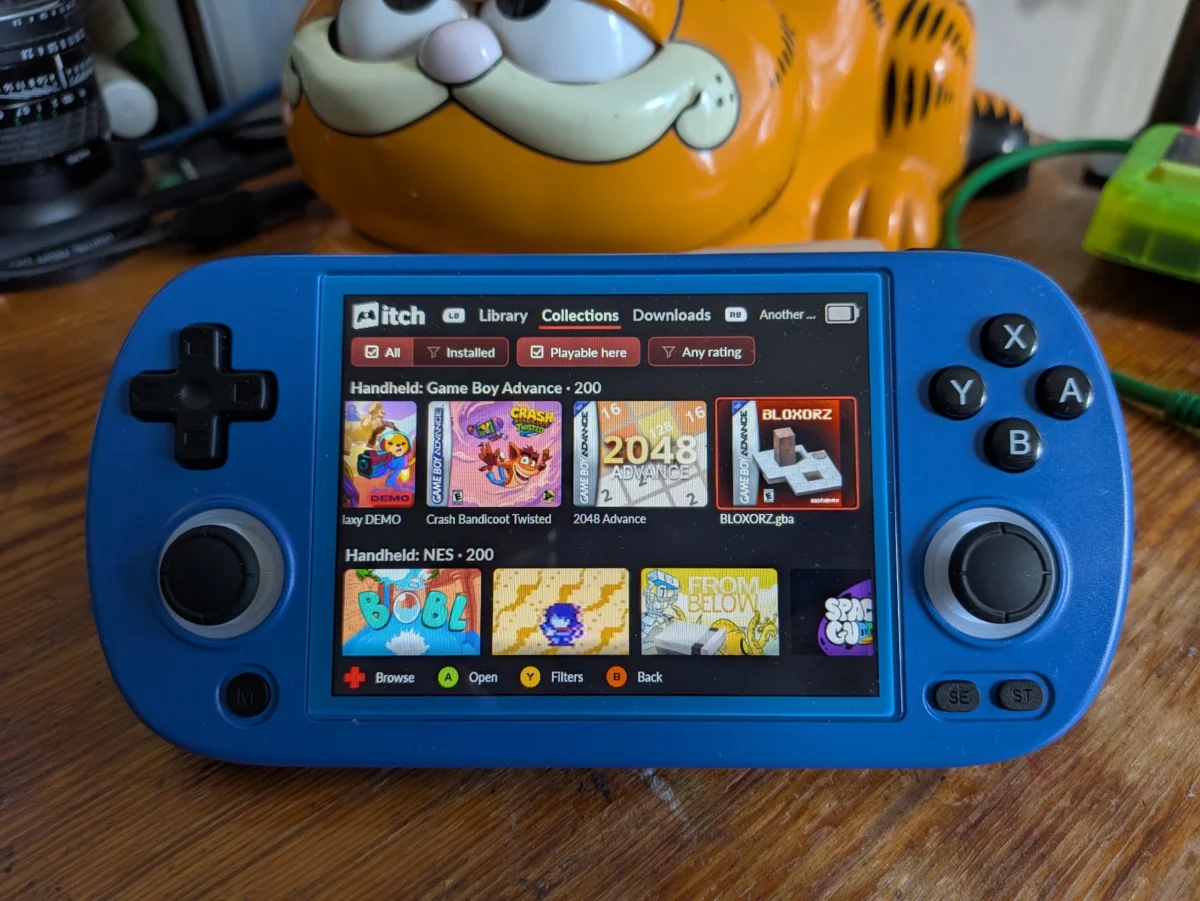
Perhaps the most intriguing revelation in this update is the "sneak peek" into a project codenamed "itch donk." This initiative represents a bold step for itch.io, exploring the feasibility of bringing its app and expansive content library to low-powered Linux retro gaming handhelds. The inspiration behind "itch donk" stems from the burgeoning market of these compact, ARM-based devices, which have gained considerable popularity among enthusiasts for their portability and emulation capabilities. Devices from manufacturers like Anbernic, Retroid Pocket, and others have created a vibrant niche for on-the-go retro gaming.
The premise of "itch donk" is compelling: itch.io already hosts thousands, if not tens of thousands, of classic ROMs and retro-inspired games, making it a natural fit for these devices. Furthermore, the team has conducted successful tests running native Linux ARM builds and games developed with engines like LÖVE, demonstrating surprisingly strong performance on these limited hardware configurations. This suggests a broader potential beyond just ROMs, encompassing a significant portion of itch.io’s indie game catalog that can be compiled for ARM architecture.
The technical challenges inherent in this project are considerable. A key component of "itch donk" involves an ambitious undertaking to scan every single uploaded file on itch.io to accurately tag its compatible platforms and runtimes. This massive data indexing effort is crucial for ensuring that users on these diverse handheld devices can easily discover and play games that are genuinely compatible with their hardware. Such a system would intelligently filter content, presenting only playable titles and avoiding frustrating compatibility issues. This data-driven approach is essential for delivering a seamless user experience on a fragmented hardware landscape.
The implications of "itch donk" are far-reaching. It could unlock a massive new audience for itch.io’s indie developers, allowing their creations to reach gamers in a highly accessible and portable format. For the retro handheld community, "itch donk" could become a vital new distribution platform, offering a curated and continually updated library of content far beyond traditional ROM sites. It positions itch.io at the forefront of the convergence between indie game development and the retro gaming hardware movement, potentially creating a new ecosystem for discovery and play. While the project is still in its early stages, with "quite a bit of work to do," the promise of a dedicated itch.io experience on devices like the RG40XXH (pictured in the update) is a compelling vision for the future of indie game accessibility.
Broader Implications for the Itch.io Ecosystem
This comprehensive update and the "itch donk" sneak peek collectively reinforce itch.io’s strategic vision as a dynamic, developer-friendly, and increasingly interconnected platform. The enhanced collection management features directly address core user experience needs, empowering players to better navigate their expanding libraries. This focus on usability is crucial for retaining and engaging its community, especially as the platform continues to grow.
The deeper integration with Steam and Proton signifies itch.io’s commitment to interoperability rather than isolation. By making its vast indie game catalog more accessible within the dominant PC gaming ecosystem, itch.io not only broadens its reach but also provides a tangible benefit to its developers, potentially increasing discoverability and sales for games that might otherwise be overlooked by Steam-centric gamers. This strategic move acknowledges the realities of the PC gaming landscape while upholding itch.io’s distinct identity.
Furthermore, the "itch donk" initiative highlights an adventurous spirit and a willingness to explore new frontiers in game distribution and consumption. By targeting the burgeoning market of low-powered Linux handhelds, itch.io is positioning itself as a pioneer in making indie games and retro content available on a wider array of devices. This could open up significant opportunities for developers to reach niche audiences and for players to experience indie games in novel, portable ways. It reflects a broader industry trend towards mobile and handheld gaming, adapted for the unique strengths of the itch.io platform.
Community Reception and Future Outlook
Initial reactions from the itch.io community to these updates have been largely positive, with users expressing enthusiasm for the quality-of-life improvements and the forward-looking "itch donk" project. Comments on the update post indicate a strong desire for similar feature parity between the app and the itch.io website, particularly concerning collection management on mobile devices where the app is not available. There is also persistent community interest in features like tag exclusion, which would allow users to filter out content categories they are not interested in, indicating an ongoing dialogue about personalization and content discovery.
These insights underscore the iterative nature of software development and the importance of community feedback in shaping future updates. Itch.io’s history suggests a responsive development cycle, and it is likely that future updates will continue to address these community-driven requests, further refining the platform’s user experience across all access points. The "itch donk" project, while a tantalizing glimpse, has also generated significant interest, with users inquiring about sign-up opportunities for updates, highlighting the excitement for new ways to engage with itch.io’s content.
In conclusion, itch.io’s latest app release is a testament to its continuous evolution, balancing immediate user experience enhancements with ambitious long-term strategic initiatives. From empowering users with direct collection management and bridging the gap with Steam’s Proton for Linux gaming, to envisioning a future where itch.io thrives on portable retro handhelds, this update reinforces the platform’s commitment to accessibility, innovation, and fostering a vibrant ecosystem for indie games and digital creations.
About the Author