The independent game marketplace itch.io has rolled out its latest application update, version 26.22.0, introducing a suite of significant enhancements aimed at improving user experience, streamlining game management, and broadening platform compatibility. This update, detailed in official release notes, notably brings comprehensive collection editing directly into the desktop application, refines its Steam shortcut integration with crucial Proton support for Linux users, and offers a compelling sneak peek at a future initiative dubbed "itch donk," poised to bring the platform to low-powered Linux retro gaming handhelds. These advancements underscore itch.io’s continuous commitment to evolving its ecosystem for both developers and players, particularly those navigating the increasingly diverse landscape of indie gaming and multi-platform play.
Streamlined Collection Management: A Core User Experience Upgrade
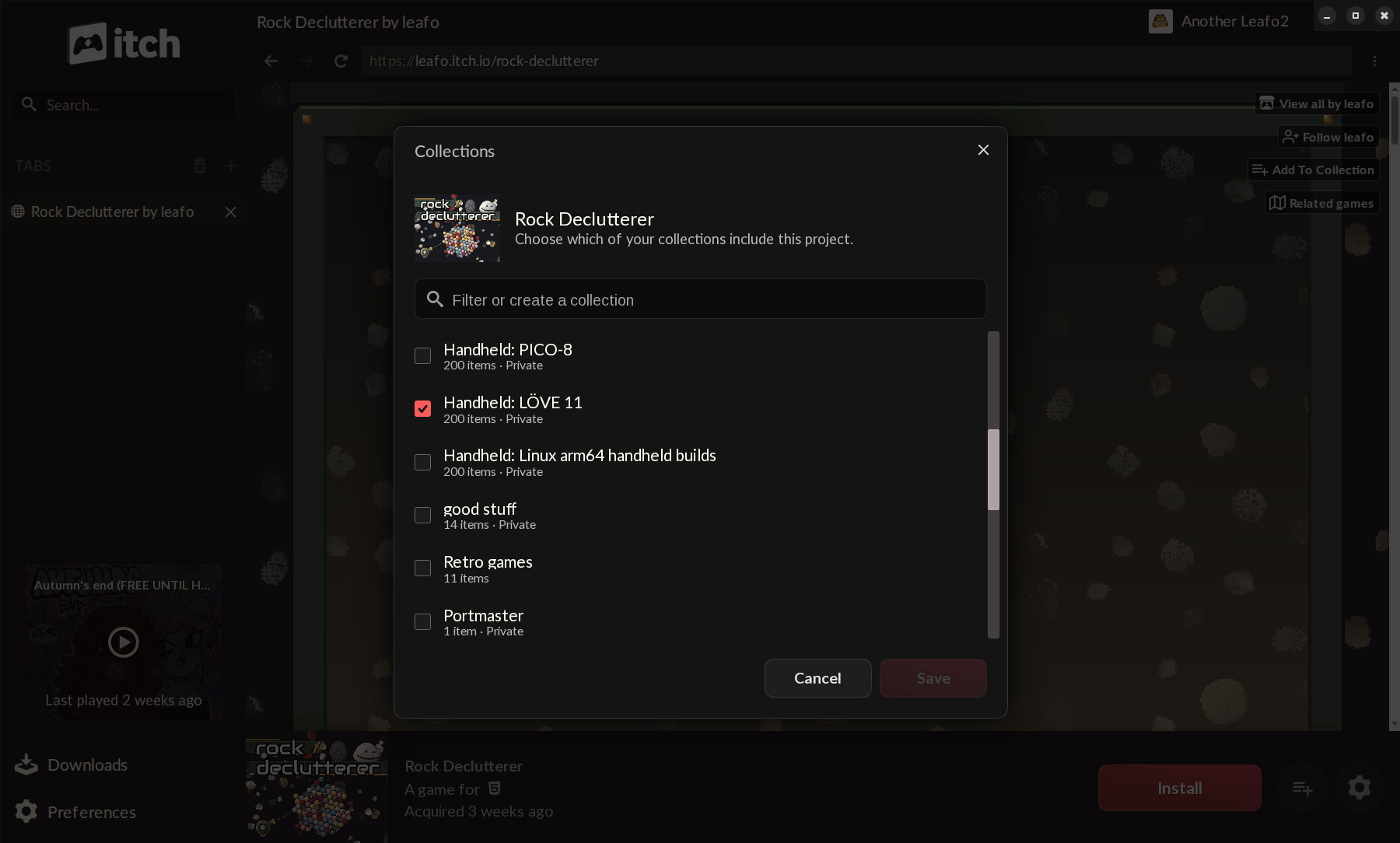
One of the most prominent features of the v26.22.0 update is the full integration of collection editing capabilities directly within the itch.io desktop application. Previously, users wishing to organize their extensive game libraries into thematic or personal collections were often required to navigate to the itch.io website via an in-app browser, a process that could be cumbersome and disrupt workflow. This update fundamentally alters that experience, embedding all necessary tools for collection management directly into the app’s interface.
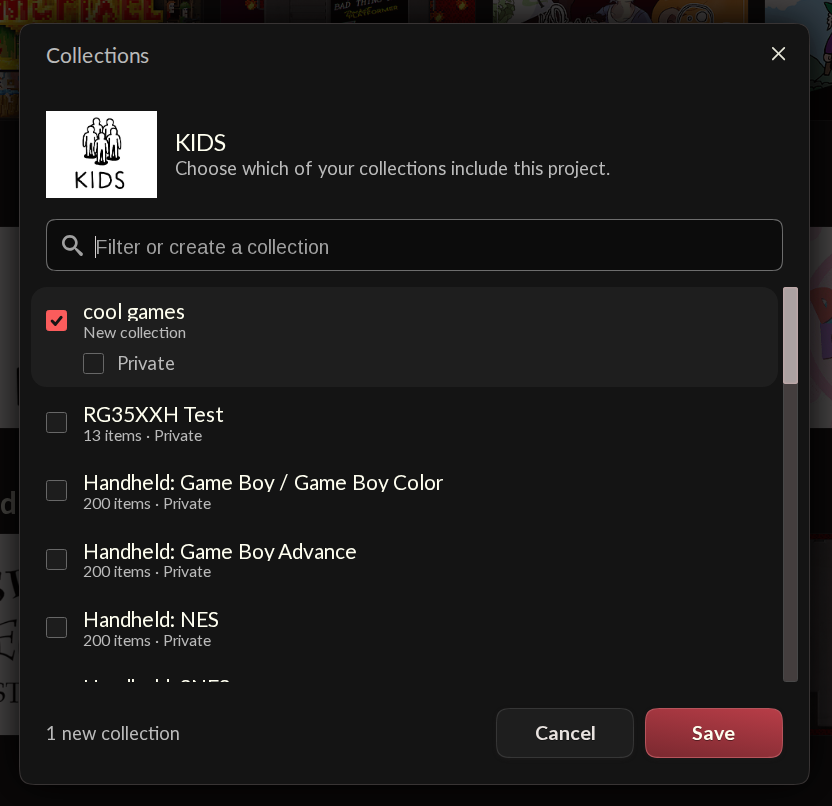
The new functionality allows for seamless creation, modification, and synchronization of collections. Users will discover an intuitive "add to collection" dialog, enabling them to bulk manage the collections to which a particular game belongs. This is particularly beneficial for users who have amassed significant libraries through itch.io’s frequent bundles or individual purchases, where efficient categorization becomes paramount. Furthermore, on individual collection pages, a new bulk edit dialog facilitates easy reordering and removal of items, transforming what was once a potentially tedious organizational task into a fluid, user-friendly process. Changes made within the app are automatically synchronized across the user’s account, ensuring consistency whether accessing collections via the desktop client or the web portal.
The strategic importance of robust collection management for itch.io cannot be overstated. As a platform celebrated for its vast catalog of independent titles, including thousands of games, game jams, and digital assets, the ability to effectively curate and navigate one’s personal library is a key determinant of user satisfaction. Many itch.io users acquire games through deeply discounted bundles, often receiving hundreds of titles at once. Without efficient tools to sort, categorize, and revisit these games, the sheer volume could become overwhelming, potentially leading to reduced engagement with their purchased content. By bringing these tools front and center within the app, itch.io enhances its value proposition, making the discovery and rediscovery of indie gems a more enjoyable and less friction-filled endeavor. This move aligns with broader trends in digital content platforms, where personalized curation and robust organizational features are increasingly expected by users.
Elevating Cross-Platform Play: Enhanced Steam Shortcuts and Proton Support
Building upon previous efforts to integrate more seamlessly with the broader PC gaming ecosystem, itch.io has significantly refined its Steam Shortcuts tool, initially introduced in a prior update. This feature allows users to add any software installed via the itch.io app directly into their Steam library, offering a unified launch point for all their games, regardless of their acquisition platform. The v26.22.0 update addresses crucial feedback received since the initial rollout, implementing a series of fixes designed to ensure smoother operation across a wider array of Steam installations and user profile configurations. This commitment to robust compatibility underscores itch.io’s understanding of its user base, many of whom maintain extensive game libraries across multiple storefronts.
Perhaps the most impactful addition in this iteration of Steam integration is the explicit support for creating shortcuts that run through Proton within Steam. Proton, a compatibility layer developed by Valve and based on Wine, allows Windows-exclusive games to run on Linux operating systems. Its integration is a cornerstone of Valve’s Steam Deck handheld gaming PC and has significantly bolstered the viability of PC gaming on Linux generally. With this update, itch.io now offers a fully functional end-to-end experience for Linux users: they can install Windows games from itch.io, add them to their Steam library via the new shortcut tool, and then launch them using Proton.
This development is particularly consequential for the burgeoning community of Linux gamers and, most notably, for owners of the Steam Deck. The Steam Deck, a handheld PC running a custom Linux-based operating system called SteamOS, has democratized PC gaming on the go, making seamless compatibility a high priority for many players. Many Steam Deck users are also avid participants in itch.io’s vibrant ecosystem, often acquiring numerous titles through bundles that include both Linux-native and Windows-only games. The ability to install these Windows-only itch.io titles on their Steam Deck and launch them effortlessly through Proton directly from their Steam library removes a significant barrier, unifying their diverse game collections under a single, convenient interface. This fosters greater accessibility and utility for games acquired through itch.io, expanding the reach of indie developers to a wider, more diverse audience of Linux-based gamers. The continued refinement of this feature positions itch.io as a more versatile and interoperable platform within the increasingly fragmented digital games market.
Underlying Stability: Butler v15.32.0 and General Enhancements
Beyond the headline features, the v26.22.0 update also incorporates Butler v15.32.0, the latest iteration of itch.io’s open-source upload and patching tool. Butler is critical to the smooth functioning of the itch.io platform, facilitating efficient game updates and installations for both developers and players. This new version comes packed with various bug fixes and general enhancements, contributing to the overall stability, reliability, and performance of the itch.io app. While often operating in the background, these incremental improvements to core infrastructure are vital for maintaining a responsive and error-free user experience, ensuring that the platform remains robust as it continues to grow and evolve.
A Glimpse into the Future: The "itch donk" and Retro Handheld Expansion
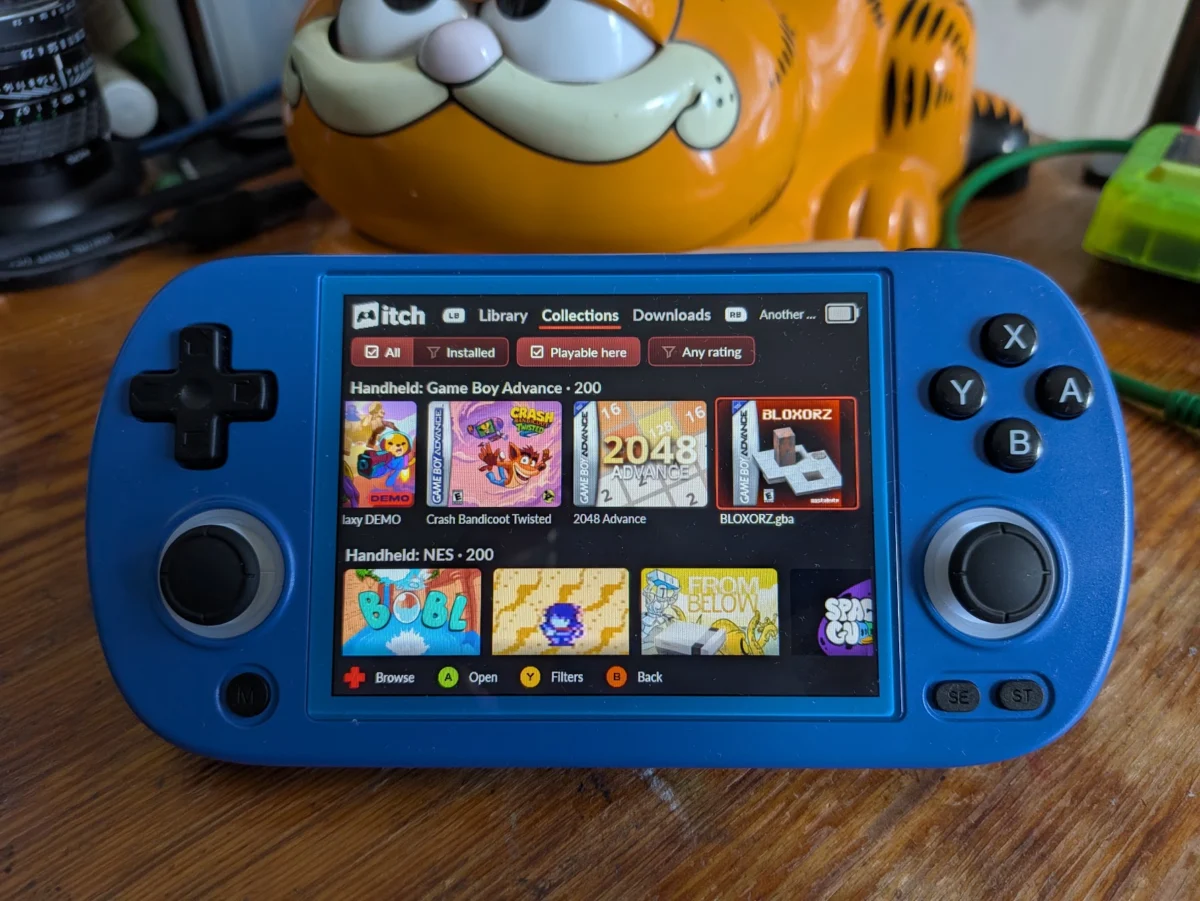
In a captivating "sneak peek," itch.io unveiled a new project dubbed "itch donk," signaling an ambitious expansion into the rapidly growing market of low-powered Linux retro game handhelds. This initiative aims to adapt the itch.io app for these specialized devices, transforming them into versatile platforms for both classic ROMs and contemporary indie titles. The inspiration for "itch donk" stems from the observation that many modern retro handhelds, while primarily designed for emulating older games, are increasingly capable Linux machines with untapped potential.
The rationale behind "itch donk" is compelling. Itch.io hosts thousands, if not tens of thousands, of ROMs from various classic platforms, often contributed by developers or as part of historical game preservation efforts. Integrating the itch.io app directly onto these handhelds would provide a streamlined, official portal for accessing and playing this vast library of retro content. Furthermore, preliminary testing has shown surprisingly strong performance for native Linux ARM builds and games developed with lightweight engines like LÖVE, suggesting that a significant portion of itch.io’s indie catalog could run effectively on these devices. This opens up a new frontier for indie developers, allowing their creations to reach a unique demographic of handheld gamers.
The market for low-powered Linux retro handhelds has seen explosive growth in recent years, with devices from manufacturers like Anbernic, Miyoo Mini, Retroid Pocket, and Ayn gaining significant traction. These devices, often featuring ARM processors and customizable Linux distributions, appeal to enthusiasts seeking portable, dedicated gaming experiences beyond traditional mobile platforms. By targeting this niche, itch.io is positioning itself to become a central hub for both historical and contemporary indie gaming on these devices, potentially carving out a new, distinct market segment.
A core component of the "itch donk" project involves a massive undertaking: scanning every single file uploaded to itch.io to accurately tag its compatible platforms and runtimes. This ambitious data-tagging initiative is crucial for ensuring that users on retro handhelds (or any platform) can easily identify and install games that will run correctly on their specific hardware. Such a comprehensive compatibility database would not only benefit "itch donk" but also enhance the overall discoverability and usability of the entire itch.io catalog across all supported platforms. While acknowledging that "quite a bit of work" remains, the prospect of a dedicated itch.io experience on these portable devices has already generated considerable excitement within the community, as evidenced by early reactions to the announcement. This strategic move could significantly broaden itch.io’s reach, reinforcing its identity as an adaptive and forward-thinking platform in the ever-evolving landscape of digital entertainment.
Broader Implications and Strategic Positioning
The v26.22.0 update, coupled with the "itch donk" sneak peek, paints a clear picture of itch.io’s strategic trajectory: a commitment to enhancing user experience through robust in-app features, fostering greater interoperability with established gaming ecosystems like Steam, and boldly exploring new hardware frontiers. By refining core functionalities like collection management, itch.io ensures that its expansive library remains accessible and manageable for its growing user base. The advanced Steam integration with Proton support solidifies its position as a flexible platform that caters to diverse gaming setups, particularly benefiting the burgeoning Linux gaming community and Steam Deck owners.
The "itch donk" project, while still in its early stages, represents a visionary leap. It signals itch.io’s intent to transcend traditional PC and web-based gaming, embracing the burgeoning market of specialized hardware. This move could not only expand itch.io’s user base but also create new opportunities for indie developers to distribute their games to a unique and enthusiastic audience. By leveraging its vast archive of ROMs and supporting lightweight Linux-native titles, itch.io could become a central player in the retro handheld scene, bridging the gap between classic gaming and modern indie development.
Collectively, these initiatives reinforce itch.io’s unique identity in the digital distribution space. Unlike larger, more corporate storefronts, itch.io consistently demonstrates agility and a deep understanding of its community’s needs, often prioritizing open standards, developer freedom, and user-centric features. These updates are not merely incremental improvements but strategic maneuvers that underscore itch.io’s ongoing mission to be a vibrant, accessible, and increasingly ubiquitous platform for independent games across an ever-expanding array of devices and operating systems. The ongoing development cycle, characterized by monthly updates and forward-looking projects, positions itch.io as a dynamic force continually shaping the future of indie gaming.
About the Author