Itch.io, a prominent digital storefront for independent video games, has once again underscored its commitment to accessible gaming by featuring a compelling collection of recently released and updated browser-based titles. This curated selection, spanning genres from evocative visual novels to intricate puzzle platformers, offers players the convenience of instant play, eliminating the need for downloads or installations—an ideal proposition for a leisurely weekend. The initiative highlights the platform’s role in nurturing and showcasing the vibrant creativity of the indie development community, particularly those leveraging the unique constraints and opportunities presented by browser technology and prolific game jams.
The Enduring Appeal of Browser Gaming and Itch.io’s Ecosystem
Browser games have a rich history, evolving from early Flash-based animations and simple HTML games to sophisticated experiences powered by modern web technologies like HTML5 and WebGL. Their primary allure lies in unparalleled accessibility: they require no specific hardware beyond a standard web browser and an internet connection, making them democratic and inclusive. This low barrier to entry benefits both players, who can discover and engage with new content effortlessly, and developers, who can reach a broad audience without the complexities of platform-specific distribution or hefty installation files.
Itch.io, founded in 2013, has emerged as a crucial hub for independent game developers, distinguishing itself through its flexible revenue sharing model, robust developer tools, and a strong emphasis on community. Unlike larger commercial platforms, itch.io champions creative freedom and diversity, fostering an environment where experimental, niche, and artistically driven projects can thrive. Its "pay-what-you-want" model further empowers both creators and consumers, allowing players to directly support the developers they appreciate. The platform’s regular blog posts and curated collections, such as this one, serve as vital discovery mechanisms, bringing visibility to countless deserving indie titles that might otherwise be overlooked.
This recent spotlight on browser games underscores a broader trend within the indie sector: the continuous innovation within accessible formats. Developers frequently use browser games as a proving ground for new mechanics, artistic styles, or narrative concepts, often leveraging the collaborative energy of game jams to prototype ideas rapidly. This iterative and community-driven approach often results in unique, bite-sized experiences that perfectly capture the spirit of independent game development.

A Deep Dive into Itch.io’s Latest Browser Game Offerings
The current selection showcases a remarkable breadth of genres and artistic visions, demonstrating the versatility of browser-based development. Each title offers a distinct experience, from introspective narratives to adrenaline-fueled races, all playable with a single click.
Dead Names: A poignant sci-fi visual novel developed by Flower Studio, "Dead Names" explores themes of loss and acceptance within a compelling, atmospheric setting. Rendered in evocative pixel art reminiscent of classic Game Boy titles, the game immerses players in a future that serves as a melancholic backdrop for its emotional narrative. The inclusion of LGBTQIA themes further enriches its storytelling, providing a thoughtful and inclusive perspective on human experience. Visual novels, as a genre, have gained significant traction for their ability to deliver deep narratives and character development without relying on complex gameplay mechanics, making them particularly well-suited for browser platforms where narrative engagement can take center stage. "Dead Names" exemplifies this strength, offering an introspective journey that resonates long after the credits roll.
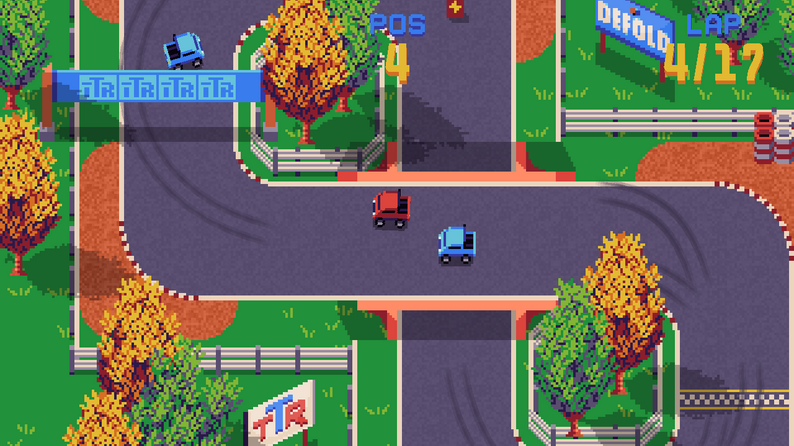
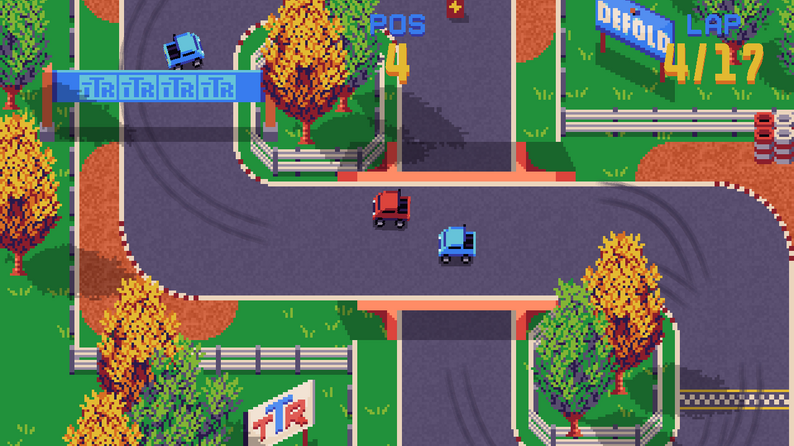
Tiny Truck Racing: For players seeking immediate action and competitive thrills, "Tiny Truck Racing" by benjames171 delivers a fast-paced arcade experience. Created for the Made With Defold Jam 2024, the game features charming pixel art tracks where players race miniature trucks. With three distinct modes—Single Race, Tournament, and Time Trial—and a selection of four unique vehicles, it offers replayability and challenge. The inclusion of nitro cans for speed boosts injects a strategic element into the races, rewarding quick reflexes and track knowledge. This game perfectly encapsulates the spirit of game jam creations: a focused, polished, and immediately enjoyable experience built around a clear core mechanic. The Defold engine, known for its efficiency and capability in 2D game development, proved an excellent choice for crafting this responsive browser racer.
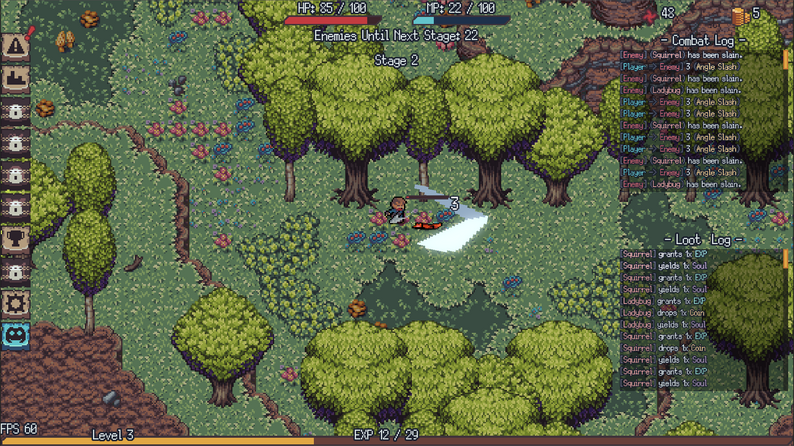
Nomad Idle: The idle game genre, characterized by its passive progression and incremental rewards, finds a compelling new entry in "Nomad Idle" by thefoxknocks. This auto-battler title, recently updated, tasks players with creating robust character builds to confront relentless hordes of enemies. While much of the gameplay unfolds autonomously, players retain agency through strategic decisions: leveling up stats, crafting potent equipment, and selecting passive skills to optimize their character’s performance. The ability to actively deploy character-specific skills offers a satisfying layer of player interaction, allowing for bursts of accelerated progress. "Nomad Idle" represents the evolution of the idle genre, moving beyond simple clicker mechanics to incorporate deeper RPG elements and strategic considerations, appealing to players who enjoy long-term progression and optimization.
Laura’s Room: A short yet impactful psychological horror experience, "Laura’s Room" by morgis was developed for GBJAM 12, an event celebrating the aesthetics and limitations of the original Game Boy. Players assume the role of Danni, navigating a dark, rain-slicked road while on the run from an unspecified threat. The game masterfully uses its Game Boy-inspired monochrome palette and lo-fi sound design to build an intense, atmospheric sense of dread. Psychological horror, particularly when constrained by retro aesthetics, often excels at suggestion and implication, forcing players to confront their own fears rather than relying on jump scares. "Laura’s Room" leverages these principles to deliver a deeply unsettling and memorable experience, proving that effective horror doesn’t require high-fidelity graphics.
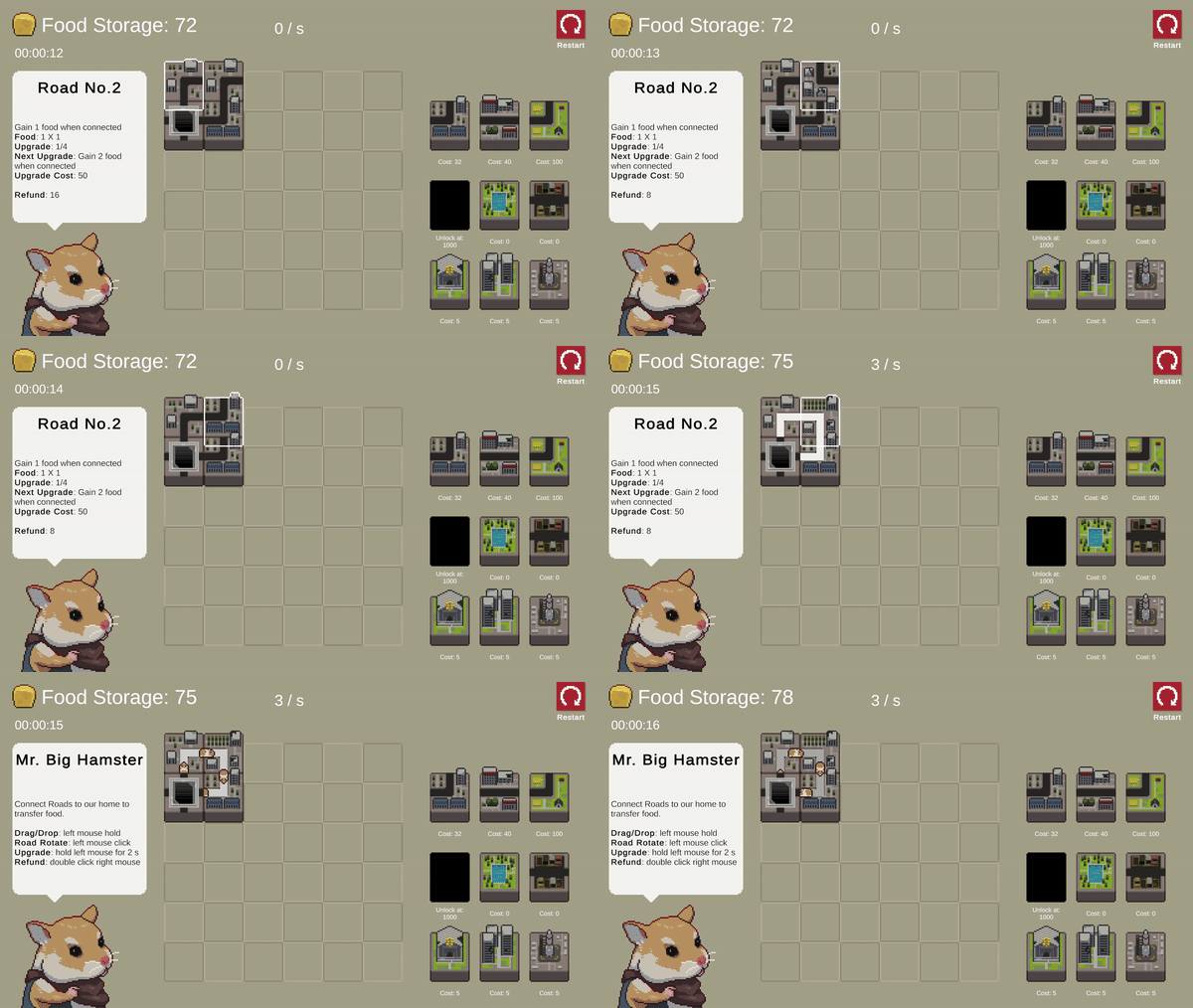
Hamster Shelter: A charmingly unique take on post-apocalyptic survival, "Hamster Shelter" by doonutsaur places players in charge of managing a colony of tiny hamsters. Developed for Ludum Dare 56, the game challenges players to build roads and transport vital food supplies back to their home in a ravaged world. Its most distinctive feature is its "background play" mechanic, allowing the game to progress even when not actively being monitored, fostering a relaxed and persistent gameplay experience. This approach caters to players who enjoy casual management simulations that can be dipped into periodically throughout the day. The juxtaposition of a cute, industrious hamster colony against a grim, post-apocalyptic backdrop creates a surprisingly engaging and wholesome survival narrative.
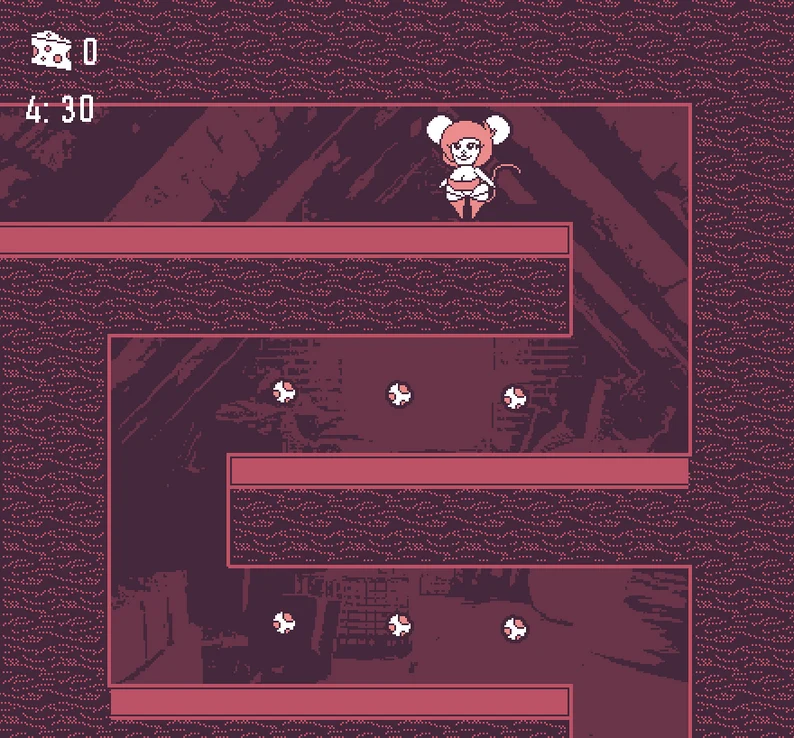
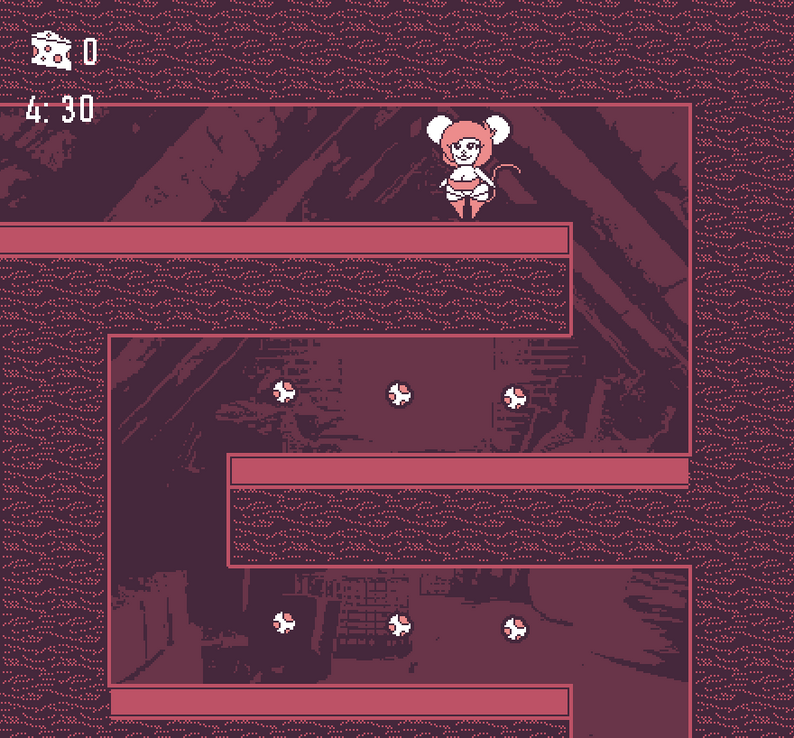
Mouse Mouse: A testament to rapid prototyping and innovative control schemes, "Mouse Mouse" by aplovestudio is a short platformer created in just 48 hours for Ludum Dare 56. The game introduces a unique twist: players control a mouse character using their actual mouse, navigating intricate pixel art levels by jumping, climbing, and collecting cheese as quickly as possible. This direct, intuitive control method feels fresh and challenging, transforming the act of platforming into a test of precision and speed. The game’s concise design and clear objective make it an excellent example of how game jams can inspire inventive mechanics within tight developmental constraints, resulting in highly engaging, albeit brief, experiences. Its focus on speed and efficiency also lends itself well to competitive speedrunning.
Play With Me: Adding a spooky twist to the beloved virtual pet genre, "Play With Me" by aslangames was another creation from Ludum Dare 56. Players interact with three mysterious creatures residing within a forgotten toy, each offering unique minigames. The game cleverly utilizes retro-inspired visuals and eerie sound design to evoke a sense of uncanny dread, transforming the typically comforting virtual pet experience into something unsettling yet compelling. This blend of nostalgia and horror creates a unique psychological atmosphere, prompting players to question the true nature of their digital companions. "Play With Me" demonstrates how familiar genres can be subverted to create fresh, memorable experiences, proving that innovation often lies in unexpected combinations.

Jelly Gang: A physics-based puzzle platformer, "Jelly Gang" by split82, also originating from Ludum Dare 56, challenges players with an innovative control mechanic. Players command a group of 30 squishy, interconnected characters, but only those within a dynamic "focus region" around the mouse cursor respond to inputs. This strategic layer demands careful manipulation and foresight, as players must guide a collective while only directly influencing a small subset. The game’s physics engine adds an element of unpredictable charm, making each movement and interaction feel organic and fluid. "Jelly Gang" exemplifies the kind of experimental gameplay that thrives in game jam environments, pushing the boundaries of traditional platforming and offering a fresh, cerebral challenge.
The Proliferating Power of Game Jams
A significant number of the featured games originated from prominent game jams, underscoring their critical role in the indie development landscape. Ludum Dare, one of the longest-running and most popular game jams, challenges developers to create a game from scratch in 48 or 72 hours based on a given theme. This intense timeframe fosters rapid iteration, encourages creative problem-solving, and often results in highly focused and innovative concepts. Ludum Dare 56, from which "Hamster Shelter," "Mouse Mouse," "Play With Me," and "Jelly Gang" emerged, demonstrated a particularly fertile ground for browser-based creativity.
Similarly, GBJAM (Game Boy Jam) celebrates the iconic aesthetic and technical limitations of Nintendo’s handheld console, inspiring developers to create games with pixel art, limited color palettes, and chiptune soundscapes. "Laura’s Room," a product of GBJAM 12, perfectly captures this retro charm while delivering a modern psychological horror narrative. The Made With Defold Jam, focusing on the Defold engine, similarly encourages developers to explore the capabilities of specific toolsets, as seen with "Tiny Truck Racing." These jams not only act as incubators for new ideas but also as invaluable community-building events, fostering collaboration and friendly competition among developers.
Broader Implications: Accessibility, Innovation, and Community
The consistent curation of browser games by platforms like itch.io carries significant implications for the wider gaming ecosystem. For developers, it provides an unparalleled platform for experimentation with minimal financial overhead. The ability to deploy a game directly to a browser lowers the barrier to entry for aspiring creators, allowing them to test concepts, gather feedback, and build portfolios without the complexities of traditional game publishing. This accessibility fosters a more diverse and inclusive development community, encouraging voices and perspectives that might be marginalized in more commercialized sectors.
For players, the benefits are equally substantial. Browser games offer instant gratification, providing a diverse array of experiences that can be enjoyed during a short break or a dedicated gaming session. They democratize access to gaming, ensuring that even those with limited hardware or technical expertise can engage with innovative content. The "free to play" or "pay-what-you-want" models often associated with these titles further enhance their accessibility, allowing players to discover new favorites without financial commitment.
Furthermore, the interactive nature of platforms like itch.io, with their integrated comment sections and forums, cultivates a strong sense of community. Players can directly engage with developers, offer feedback, and share their experiences, creating a symbiotic relationship that fuels ongoing development and iteration. The community comments from the featured post, ranging from enthusiastic praise ("I’m gonna shelter some hamsters now!") to direct developer engagement ("thank you for featuring mouse mouse!!!"), highlight this vibrant interaction. Even constructive feedback, such as the inquiry regarding feature selection, demonstrates the transparency and responsiveness that define the itch.io ecosystem.
In an increasingly fragmented digital landscape, the continued emphasis on browser games by platforms like itch.io serves as a powerful reminder of gaming’s fundamental promise: accessible, innovative, and community-driven entertainment. As technology continues to evolve, the browser will likely remain a vital canvas for indie developers, offering an infinite playground for creativity and a welcoming gateway for players worldwide. The curated selection by itch.io is not just a list of games; it is a snapshot of a dynamic and thriving segment of the video game industry, showcasing the boundless potential of independent creation.
About the Author