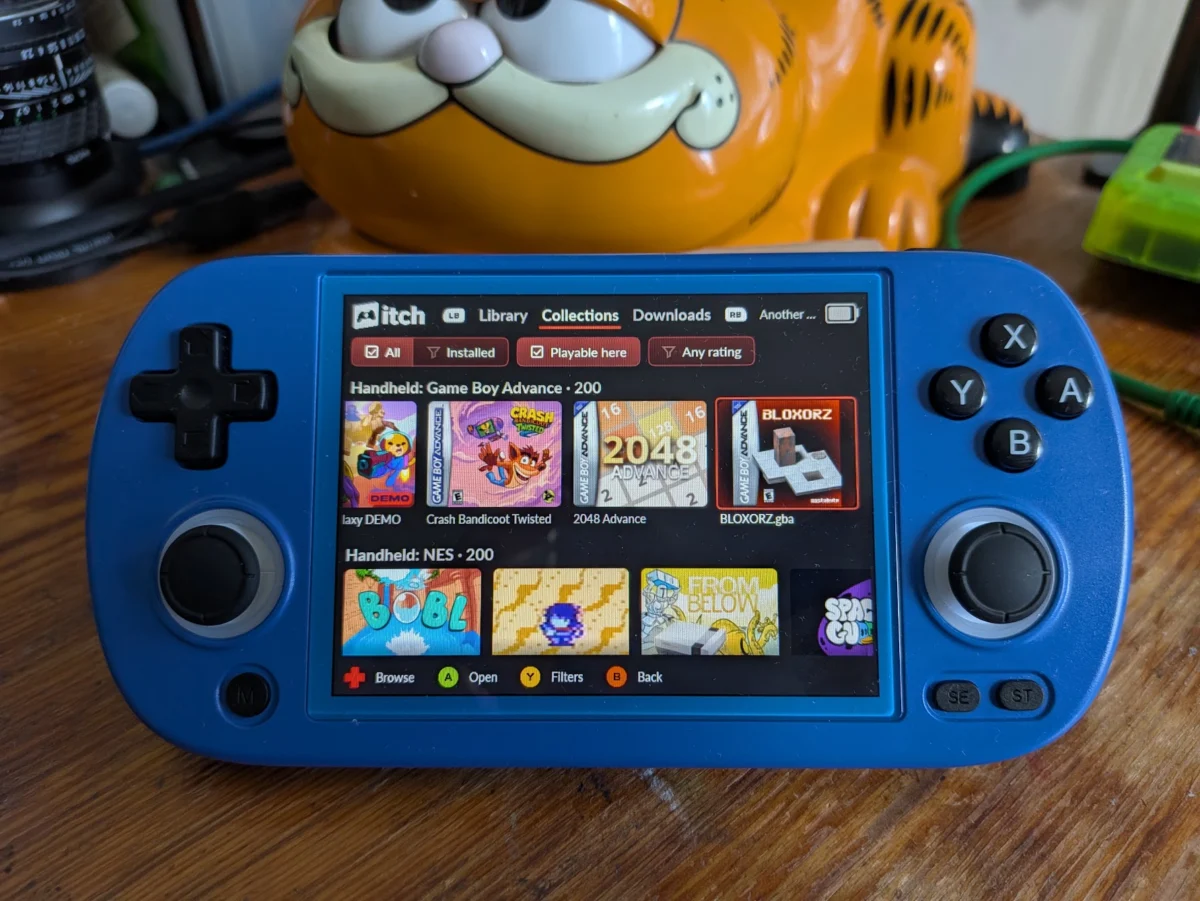
The digital storefront itch.io has announced a significant update to its desktop application, version 26.22.0, introducing a suite of features designed to streamline user experience, bolster platform interoperability, and hint at ambitious future ventures. This latest release, detailed in its full notes on GitHub, underscores itch.io’s ongoing commitment to fostering an accessible and developer-friendly ecosystem for independent games. Key enhancements include integrated collection management, expanded Steam Shortcut functionality with Proton support, and a tantalizing preview of "itch donk," a project aimed at bringing the itch.io library to low-powered Linux retro gaming handhelds.
Streamlined Collection Management: A Leap in User Experience
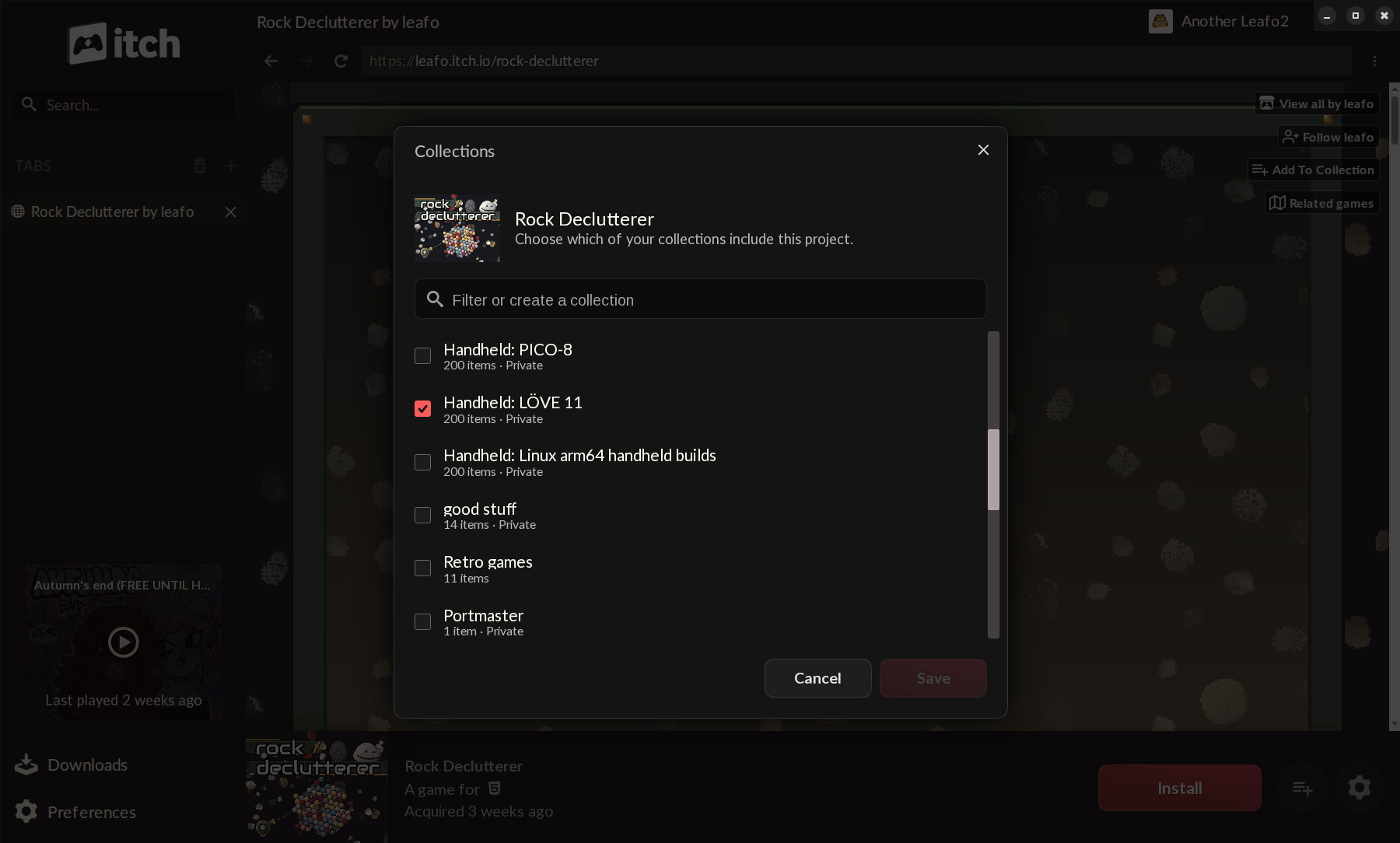
A cornerstone of the 26.22.0 update is the full integration of collection editing directly within the itch.io app. Previously, users seeking to curate or modify their game collections were often redirected to the in-app browser, a process that fragmented the user experience and introduced unnecessary friction. This latest development eliminates that cumbersome step, allowing for seamless management of game libraries from a unified interface.
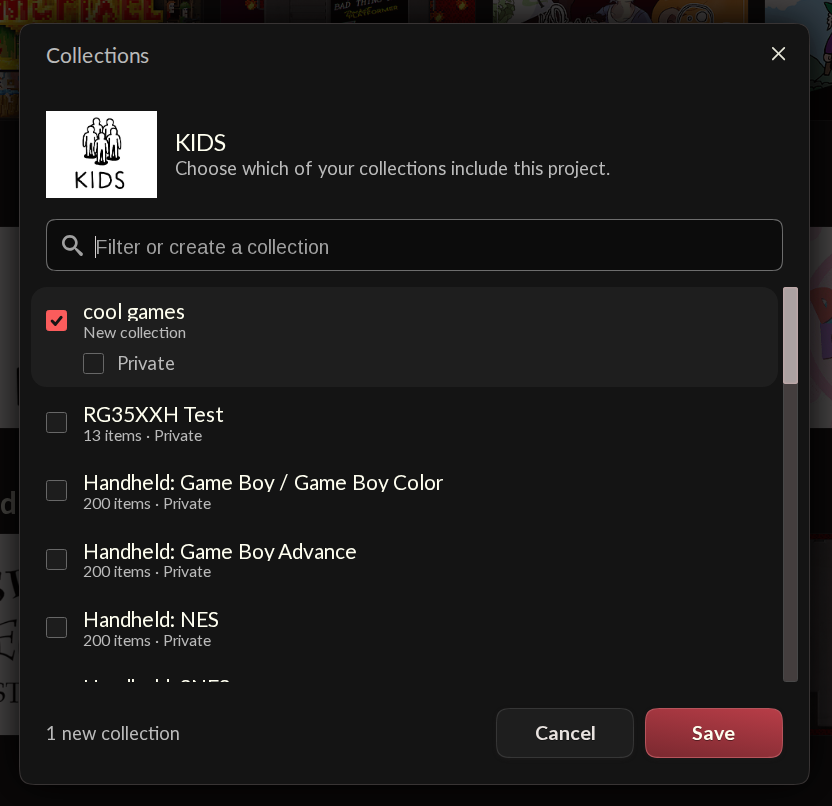
The update introduces a new "add to collection" dialog, providing users with the ability to bulk manage which collections a particular game resides in. This granular control extends to the creation of entirely new collections on the fly, empowering users to organize their burgeoning libraries with greater efficiency. Furthermore, the collection page itself now features a "bulk edit" dialog, facilitating the reordering and removal of multiple items simultaneously. This feature is particularly pertinent for users who have accumulated substantial game libraries through itch.io’s frequent bundles, which often contain dozens, if not hundreds, of titles. The automatic synchronization of changes made within the app ensures that users’ curated collections remain consistent across all platforms, reflecting a mature approach to user data management.
This enhancement is not merely a convenience; it reflects an understanding of how modern gamers interact with their digital assets. As digital game ownership continues to grow, effective organizational tools become paramount. By bringing robust collection editing in-app, itch.io addresses a critical user need, enhancing the overall utility and stickiness of its desktop client. The move aligns with broader industry trends where digital storefronts are increasingly investing in sophisticated library management features to improve player retention and satisfaction.
Steam Shortcuts Part Two: Bridging Ecosystems with Proton Support
Building upon previous efforts to enhance interoperability, itch.io has rolled out "Steam Shortcuts Part Two," significantly refining and expanding the functionality introduced in the preceding app version. The initial iteration of the Steam Shortcuts tool allowed users to integrate any software installed via itch.io directly into their Steam client, a feature that received considerable positive feedback from early testers. The current update addresses various reported issues, implementing a series of fixes to ensure smoother operation across a wider array of Steam installations and user profile configurations. This iterative development approach highlights itch.io’s responsiveness to community feedback and its commitment to robust feature implementation.
The most impactful addition in this phase is the introduction of native support for creating shortcuts that run through Proton within Steam. Proton, Valve Corporation’s compatibility layer, enables Windows-native games to run on Linux-based operating systems, most notably powering the Steam Deck handheld gaming PC. This new functionality means that users can now install Windows games on their Linux machines directly through the itch.io app and subsequently add them to Steam, confident that they will launch seamlessly via Proton.
This end-to-end integration marks a pivotal moment for Linux gaming and cross-platform accessibility. For users of the Steam Deck, which operates on a custom Linux distribution, this feature is transformative. It allows them to leverage their existing itch.io library, especially titles acquired through extensive bundles over the years, within the familiar and optimized Steam Deck environment. The ability to manage and launch a diverse collection of indie games, including those originally designed for Windows, directly from Steam on a Linux device, reduces fragmentation and enriches the portable gaming experience.
The implications extend beyond the Steam Deck. For the broader Linux gaming community, this development simplifies the process of integrating itch.io titles into their primary gaming launcher. It champions open standards and user choice, allowing players to transcend the traditional boundaries of proprietary storefronts. This move solidifies itch.io’s position as a forward-thinking platform that actively supports and innovates within the open-source and Linux gaming spheres, contrasting with more closed ecosystems prevalent in the industry.
Technical Underpinnings and Continuous Improvement
Beyond the headline features, the 26.22.0 release incorporates a range of technical enhancements and bug fixes. The update bundles Butler v15.32.0, a crucial component of the itch.io ecosystem responsible for robust and efficient game downloads and updates. Butler’s continuous refinement ensures that the core functionalities of the app remain performant and reliable, addressing underlying issues that contribute to a smoother overall user experience. While specific bug fixes are detailed in the full release notes, their inclusion underscores a commitment to incremental improvement and stability. These often-unseen improvements are vital for maintaining user trust and ensuring the long-term viability of the application.
Sneak Peek: "itch donk" and the Future of Portable Indie Gaming
Perhaps the most intriguing revelation in the update announcement is the "sneak peek" into a project codenamed "itch donk." This initiative represents itch.io’s exploration into bringing its app and extensive game library to low-powered Linux retro game handhelds. These devices, which have surged in popularity in recent years, are typically designed for running classic ROMs and emulators, offering a portable gateway to gaming nostalgia.
The rationale behind "itch donk" is compelling: itch.io hosts thousands, if not tens of thousands, of ROMs and smaller, indie titles that are perfectly suited for these devices. The platform’s vast repository of experimental, retro-inspired, and open-source games aligns seamlessly with the ethos of these handhelds. Initial testing has shown promising results, with native Linux ARM builds of the itch.io app performing surprisingly well, even supporting various game engines like LÖVE. This suggests a significant potential to unlock a new market segment for both itch.io and its independent developers.
The "itch donk" project is not merely about porting the app; it involves a more fundamental effort to categorize and tag itch.io’s immense content library. A core component of this initiative is a comprehensive project to scan every single uploaded file on the platform, identifying and tagging compatible platforms and runtimes. This ambitious undertaking, though still in its early stages, promises to revolutionize game discovery and compatibility assessment across the entire itch.io ecosystem. By accurately categorizing games based on their technical requirements, users will be able to more easily find titles that run on their specific hardware, whether it’s a desktop PC, a Steam Deck, or a dedicated retro handheld. This metadata enrichment will be invaluable for the success of "itch donk" and will ultimately benefit all users by improving search filters and recommendations.
The rise of devices like the Anbernic RG35XX, Miyoo Mini, and various other Linux-based handhelds has created a vibrant community around portable retro gaming. These devices, often characterized by their open-source friendly nature and affordability, provide an ideal testbed for itch.io’s vision. By tapping into this market, itch.io stands to introduce a new demographic to the world of independent game development, while simultaneously offering existing users an exciting new way to engage with their libraries. The project hints at a future where the line between traditional gaming platforms and dedicated retro hardware blurs, with itch.io positioned at the forefront of this convergence.
Broader Implications and Industry Context
The latest itch.io app update, encompassing enhanced collection management, advanced Steam-Proton integration, and the visionary "itch donk" project, collectively paints a picture of a platform deeply committed to user empowerment, open standards, and continuous innovation. In an industry often dominated by walled gardens and proprietary ecosystems, itch.io consistently champions interoperability and accessibility.
The move to integrate collection editing fully into the app is a direct response to user feedback, reflecting a mature approach to client-side development where convenience and efficiency are prioritized. This focus on quality-of-life improvements strengthens the platform’s appeal as a primary hub for indie game discovery and management.
The expanded Steam Shortcuts with Proton support is particularly significant in the current gaming landscape. With the Steam Deck having democratized Linux gaming and brought it to a mainstream audience, itch.io’s proactive integration efforts ensure that its vast catalog remains relevant and accessible within this burgeoning ecosystem. This not only benefits Linux users but also sets a precedent for how digital storefronts can coexist and complement each other, rather than competing solely on exclusivity.
Furthermore, the "itch donk" project positions itch.io as an innovator in the rapidly expanding portable and retro gaming market. By proactively exploring how its unique library can thrive on low-powered, open-source hardware, itch.io is not just adapting to market trends but actively shaping new avenues for indie game distribution and consumption. The underlying project to comprehensively tag file compatibility across the platform underscores a strategic long-term vision for discoverability and platform-agnostic content delivery.
While specific financial data or user growth metrics were not provided in the announcement, the strategic value of these updates is clear. They enhance user retention by improving the core application experience, attract new users through expanded platform compatibility, and open up entirely new markets through pioneering hardware initiatives. The ongoing "monthly" update cadence further reinforces itch.io’s agile development philosophy, promising a continuous stream of improvements and innovations for its community.
Community Engagement and Future Outlook
The initial community reactions to the update have been largely positive, particularly concerning the Steam-Proton integration and the "itch donk" sneak peek. Users expressed enthusiasm for the prospect of running their itch.io libraries on retro handhelds, highlighting the demand for versatile, portable gaming experiences. Comments also reflected a desire for similar in-app management features to be extended to the itch.io website, indicating a strong appetite for consistent user experiences across all platform touchpoints. While some users continued to voice priorities such as improved tag exclusion filters, the overall sentiment points towards a positive reception of the direction itch.io is taking with its app development.
The promise of sharing more details about "itch donk" in future updates creates anticipation within the community, signifying that this project is a long-term strategic focus for the platform. As itch.io continues to evolve, its commitment to supporting independent creators and providing flexible, user-centric solutions remains a guiding principle, ensuring its continued relevance in the dynamic world of digital game distribution.
About the Author