A year after calling upon Americans to participate in a "Pledge to Share the American Dream," tech entrepreneur and Stack Overflow co-founder Jeff Atwood, alongside his family, has announced a substantial commitment of $50 million towards the newly established Rural Guaranteed Minimum Income Initiative (RGMII). This significant philanthropic endeavor, representing half of the Atwood family’s remaining wealth, aims to address systemic poverty across the United States, particularly focusing on underserved rural communities. The initiative marks a strategic shift from immediate charitable donations to a long-term, data-driven approach, seeking to redefine the attainability of the American Dream for future generations through direct cash transfers.
The Genesis of a Pledge: A Year in Review
The journey towards this monumental pledge began in January 2025, when Jeff Atwood articulated his vision for a shared American Dream. The initial pledge outlined two core tenets: first, to support organizations effectively aiding those in immediate need across America, and second, to contribute public dedications of time or funds towards longer-term efforts to ensure the American Dream remains fair and accessible for all children within five years. This call to action was deeply rooted in a personal philosophy, profoundly influenced by Mary Gates’ impactful quote, "From those to whom much is given, much is expected."
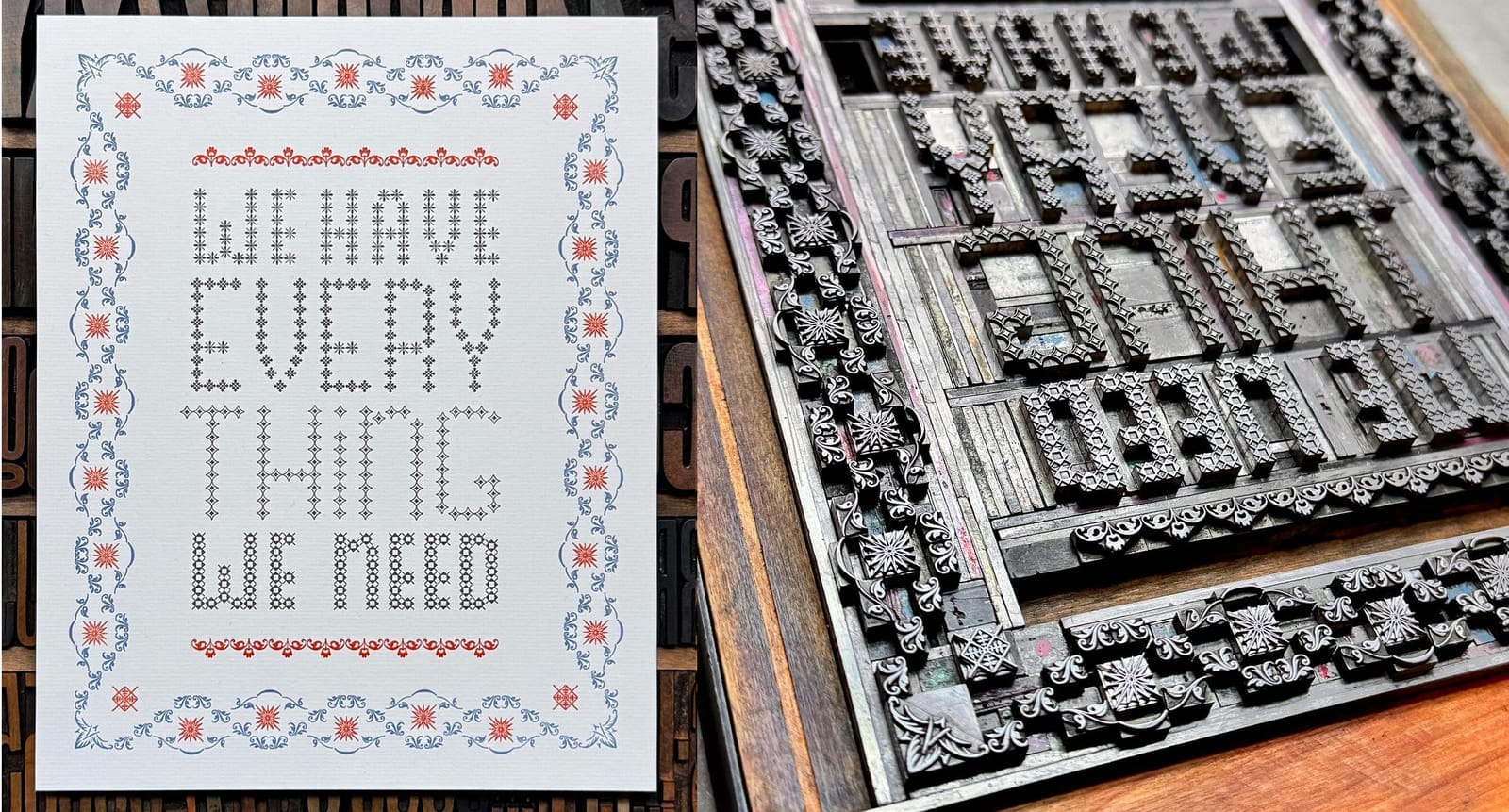
For Atwood, this philosophy gained profound resonance following the 2021 acquisition of Stack Overflow for a reported $1.8 billion. This financial milestone prompted a critical introspection into the concept of "enough." As his partner, Betsy Atwood, eloquently articulated on a recent podcast, their family’s abundance led to a fundamental question: "We have everything we need; how do we make sure everybody has what they need?" This sentiment underscores the initiative’s foundational belief that basic necessities — a comfortable home, sufficient food, and healthcare — should be universally accessible, forming the bedrock of opportunity.
In the immediate aftermath of the initial pledge, the Atwood family acted swiftly to address urgent needs. An initial $1 million was distributed to eight nonprofit charities, a sum quickly augmented by an additional $13 million in donations within a few months, bringing the total for immediate relief efforts to $21 million. These contributions targeted organizations providing crucial support to vulnerable populations, demonstrating an immediate commitment to the first part of their "Share the American Dream" pledge. However, Atwood recognized that reactive measures, while vital, were insufficient to tackle the deeply entrenched issues hindering widespread prosperity.

From Immediate Aid to Systemic Change: The $50 Million Commitment
The pivot from short-term relief to long-term systemic change became the driving force behind the second, more substantial phase of the Atwood family’s philanthropy. Recognizing that continuous "firefighting" without addressing root causes would be unsustainable, Atwood conceptualized an approach that would proactively "improve conditions in this country such that there aren’t so many fires." This led to the commitment of $50 million – half of their remaining wealth – dedicated to dismantling underlying systemic barriers.
Initially, Atwood explored ideas for a new organization, drawing inspiration from the original RAND Corporation’s research model, but modernized with the impact-focused approach of entities like Lever for Change. The goal was to empower "the best and brightest to determine a realistic, achievable path toward preserving the American Dream for everyone." By March 2025, a consensus emerged, crystallizing their long-term vision into a focus on Guaranteed Minimum Income (GMI), as detailed in Atwood’s subsequent post, "The Road Not Taken is Guaranteed Minimum Income." This decision signaled a clear direction towards an evidence-based intervention designed to provide a stable foundation for individuals and families struggling with economic insecurity.
Guaranteed Minimum Income: A Targeted Approach to Poverty
The Rural Guaranteed Minimum Income Initiative champions GMI as an evolved and refined version of the more broadly discussed Universal Basic Income (UBI). While UBI often entails providing a set income to all citizens regardless of need, GMI strategically directs financial resources towards those who require it most, with a particular emphasis on families experiencing generational poverty. This targeted approach is designed to maximize impact by addressing specific vulnerabilities and fostering economic stability where it is most lacking.
The concept of direct cash transfers, from which GMI derives, is not new. Its historical roots can be traced back to various proposals for minimum income guarantees, negative income taxes, and social dividends, debated by economists and policymakers for centuries. Proponents, ranging from Thomas More in the 16th century to Milton Friedman in the 20th, have explored various models. In recent decades, pilot programs for UBI and GMI have emerged globally, from Finland to Stockton, California, yielding valuable data on their effects. Studies consistently suggest that direct cash transfers can significantly reduce poverty, improve health outcomes, enhance educational attainment, and stimulate local economies by allowing recipients to prioritize their most pressing needs without bureaucratic hurdles. Recipients often report reduced stress, improved mental health, and the ability to invest in education, job training, or reliable transportation, breaking cycles of poverty.

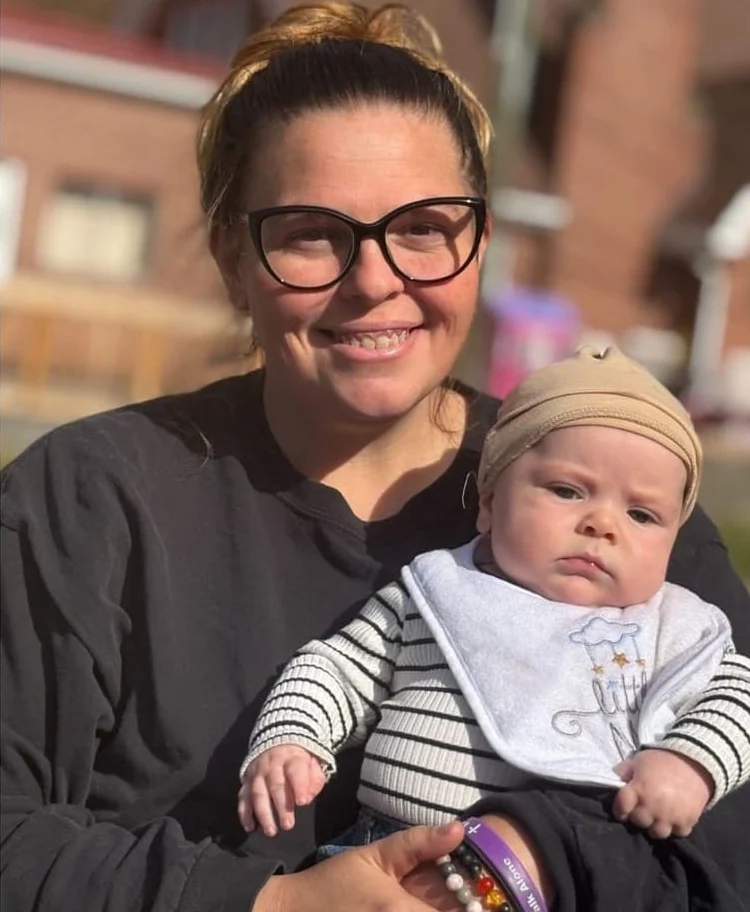
A compelling illustration of GMI’s potential impact comes from Stacy D., a RISE Recipient in West Virginia, whose testimonial underscores the profound difference such support can make. Stacy, a mother of five who had to stop working due to a high-risk pregnancy, found herself isolated and without the typical support networks. "How most people can be like, ‘Hey, I’m having a hard time. Got $20 or a pack of diapers.’ I have nobody up here to do that," she recounted. The GMI assistance became a lifeline, enabling her to repair her family’s only vehicle, which had broken down just as she was cleared to return to work. Her story highlights how GMI can provide crucial flexibility and stability, preventing minor crises from escalating into insurmountable obstacles for vulnerable families.
The Rural Guaranteed Minimum Income Initiative (RGMII): A Strategic Focus
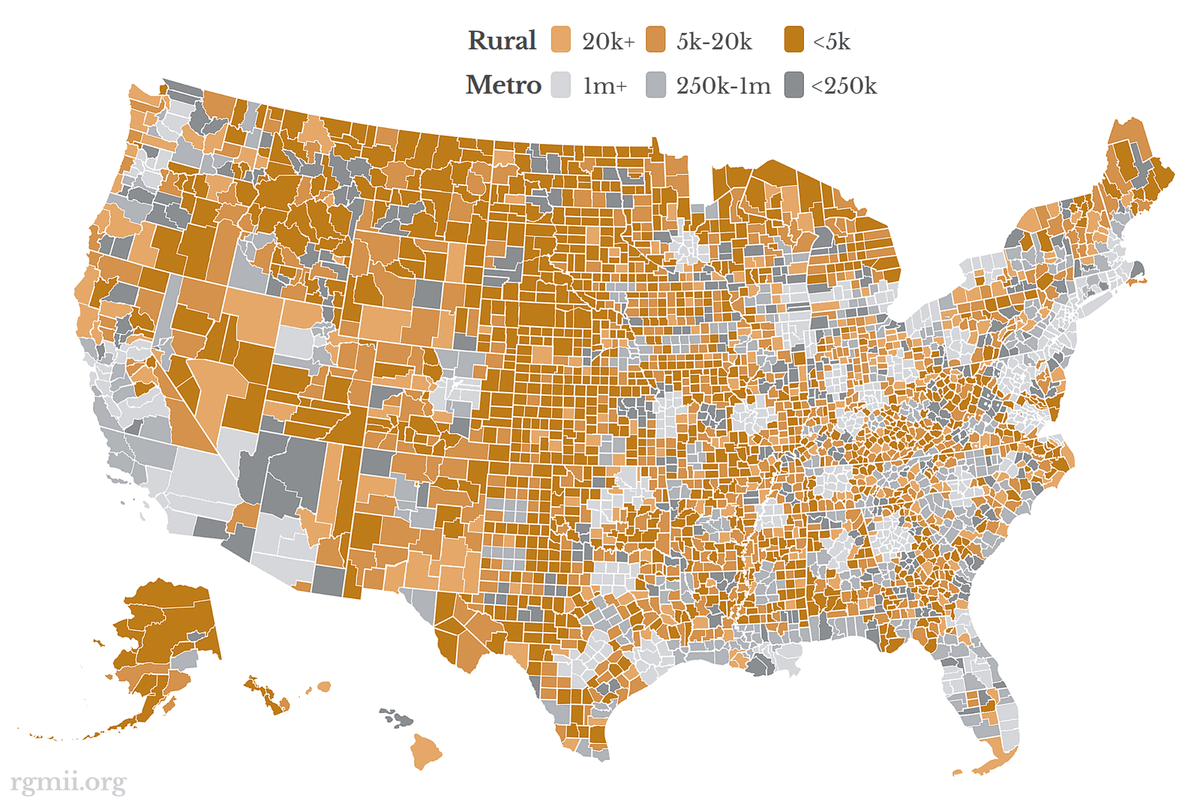
Atwood’s initiative, the Rural Guaranteed Minimum Income Initiative (RGMII), is strategically designed to operate within rural counties. This focus is deliberate, driven by several key factors. Rural areas in the U.S. often face disproportionately high poverty rates compared to urban centers, with limited economic opportunities and less access to social services. According to recent demographic data, rural counties frequently exhibit higher rates of persistent poverty, often struggling with aging populations, out-migration of youth, and declining industries. The economic disparities between rural and urban America are stark, making rural communities prime targets for impactful intervention.

Moreover, Atwood notes that dollars tend to go further in rural economies, meaning the GMI funds can have a more significant purchasing power and local economic impact. The smaller populations in these counties also allow for tighter, more manageable studies, providing valuable, detailed data on the efficacy of the GMI model. This approach is also deeply personal for Atwood, who hails from a rural background himself, recognizing the immense, often untapped, talent residing in these overlooked regions.
The RGMII has already moved swiftly to implement its vision. Three county-level programs are currently underway in Mercer County, West Virginia; Beaufort County, North Carolina; and Warren County, Mississippi. These diverse locations represent a cross-section of rural challenges and opportunities. Over a period of 16 months, these programs are designed to lift thousands of individuals out of poverty, providing direct financial support that empowers recipients to meet their basic needs and pursue greater stability. A crucial component of the RGMII is its commitment to transparency and data sharing. The initiative plans to meticulously collect and disseminate results and insights from these pilot programs, contributing to the broader academic and policy discourse surrounding direct cash transfers. This open-science approach aims to build a robust evidence base that can inform future policy decisions and inspire replication across the nation.
Broader Implications and the Path Forward
The RGMII represents more than just a philanthropic endeavor; it embodies a potential paradigm shift in how systemic poverty is addressed in the United States. By focusing on GMI, the initiative moves beyond traditional welfare models that can often be bureaucratic and stigmatizing, instead trusting individuals to make the best financial decisions for their families. The emphasis on rural counties also brings much-needed attention and resources to communities that are frequently marginalized in national policy discussions.
The success of these initial county-level programs could have profound implications. Positive outcomes, supported by robust data, could serve as powerful case studies for state and federal policymakers, demonstrating the viability and effectiveness of GMI as a tool for poverty alleviation. This could catalyze broader legislative action, leading to the scaling of similar programs nationwide. Furthermore, Atwood’s commitment to open data allows other researchers, philanthropists, and governments to learn from RGMII’s experiences, potentially fostering a collaborative ecosystem dedicated to refining and implementing direct cash transfer programs.
For Jeff Atwood, the RGMII is not merely another project; he characterizes it as his "third and final startup." This framing underscores the seriousness of his commitment and his belief in the initiative’s transformative potential. Rather than establishing a traditional foundation, Atwood’s goal is singularly focused on advancing the concept of direct cash transfer. He firmly believes that "simply giving money to those most in need is perhaps the most radical act of love we can take on," supported by a growing body of evidence that demonstrates its effectiveness in providing basic needs, ensuring stable housing, and enabling individuals to navigate unexpected expenses.
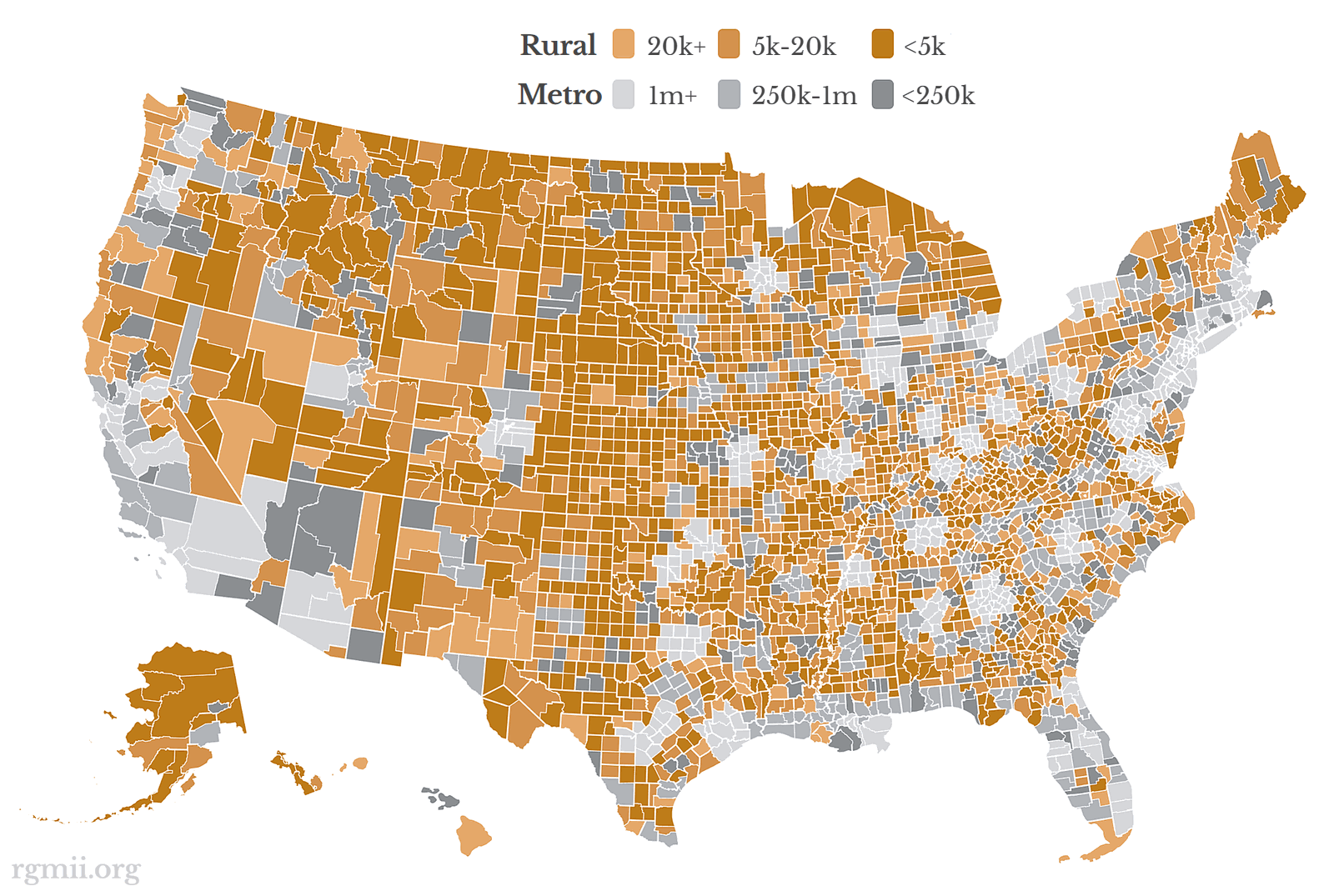
The long-term vision for the RGMII is ambitious: to expand its reach to all 50 states over time. Achieving this goal will require significant collaboration and additional funding, and Atwood extends an open invitation for everyone to help. This includes sharing the results of GMI studies, educating others on the history and mechanics of GMI, and engaging with elected representatives to advocate for informed policy. For "those to whom much is given," the RGMII actively seeks partners and donors capable of sponsoring county-scale work, inviting them to join in expanding the initiative’s reach and continuing the scientific exploration of GMI’s impact.
In a world often divided, Atwood’s philosophy resonates with a call for unity and empathy. As he noted in his initial "Stay Gold" article, American history offers a choice between the path of love and the path of hate, asserting that "the path of love is the only survivable path." This initiative, though demanding a lifetime of work, is presented as an investment far more valuable than any personal acquisition. It embodies the profound belief that "dreams, like happiness, are only real when shared." The RGMII, through its commitment to direct action and systemic change, seeks to ensure that the American Dream is not an elusive aspiration but a tangible reality for every citizen, fostering a more equitable and prosperous future for all. More information and ways to get involved can be found at staygold.us and rgmii.org.
About the Author